Most rings follow rules. Forged carbon fiber doesn’t.
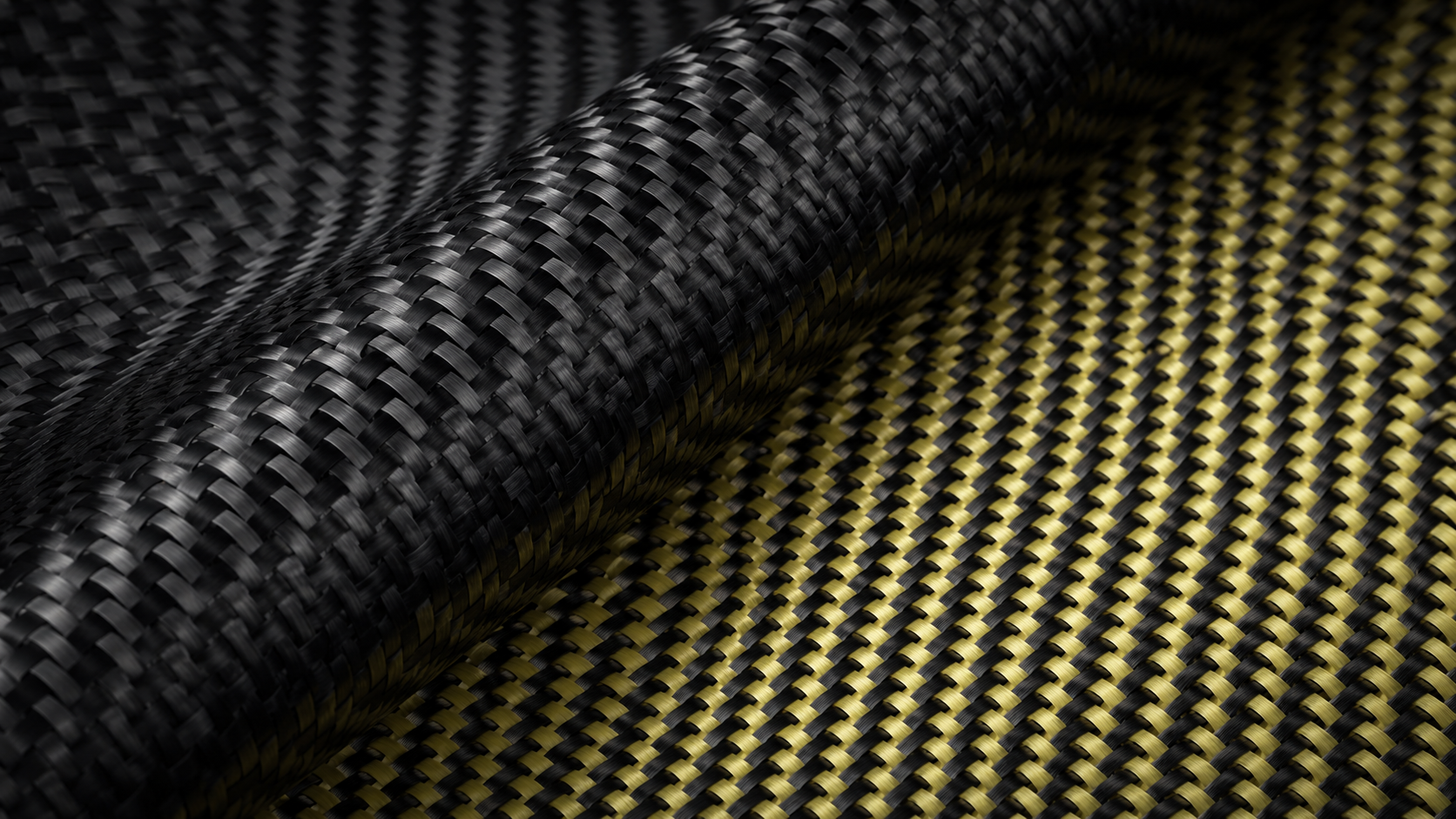
You’ve seen carbon fiber on car hoods and laptop lids — those neat, woven grid patterns. Forged carbon fiber is different. It starts as chopped strands, not woven sheets. Those strands get compressed under intense heat and pressure. The result is a swirling, fingerprint-like texture. No two pieces look the same.
That process creates a forged carbon fiber ring unlike anything in a standard jewelry case. It sits almost weightless on your hand. It shrugs off scratches that would mark up titanium. And it looks like it belongs on a concept car, not a ring display.
So, what brings you here? Maybe you’re rethinking your wedding band. Maybe you want an everyday ring that holds up to real life — work, gym, outdoors, all of it. Or maybe you’ve heard the buzz around this material and want to know if it’s worth it. Either way, you’re in the right place. See more applications at forged carbon fiber applications 2026 guide.
Forged Carbon Fiber Rings: Who Should Wear One

Not every ring belongs on every hand. This one has a specific kind of person in mind.
Built for people who work with their hands, forged carbon fiber was made for you. Construction workers, machinists, mechanics — these are people whose rings take a real beating. Tools, machinery, raw physical work. Traditional metals scratch, dent, and warp under that kind of pressure. Forged carbon fiber shrugs it off. Scratches do show up sometimes? A light pass with fine sandpaper brings the surface right back.
For active people, the weight difference alone makes this worth it. Forged carbon fiber is about three times lighter than titanium. That’s not a marketing claim — it’s physics. On a long run, a heavy lift, or a full shift at the job site, you stop noticing it’s there. That’s how a ring should feel.
Metals irritating your skin? This solves that. No nickel. No zinc. No cobalt. Pure composite — 100% hypoallergenic, no trade-offs.
Looking for a wedding band that holds up to real life, the feather-light feel and durability make a strong case. The global carbon fiber jewelry market hit $25M in 2023. It’s tracking toward $45M by 2032. That growth is being pushed by people who want something that lasts.
There’s also a safety angle most buyers miss. Tungsten and ceramic rings can’t be cut in an emergency. Forged carbon fiber can. Standard ring cutters handle it with no trouble. That matters a lot when a doctor needs to get it off fast.
Who Should Think Twice
Forged carbon fiber isn’t the right fit for everyone.
-
Ring size changes over time? The rigid composite structure makes resizing hard. Some brands offer one complimentary resize, but that’s not standard across the board.
-
Work around sustained extreme heat? The material’s heat conductivity is worth looking into before you commit.
Know what you need. This ring delivers it — or it doesn’t. Either answer is useful.
The same premium forged texture works beautifully on smaller items — explore it in forged carbon fiber phone cases or forged carbon fiber wallets. For real structural performance gains in cars, see our guide to best forged carbon fiber automotive parts.
Forged Carbon Fiber Wedding Bands: Why It’s Becoming a Modern Choice

The wedding ring market is worth $84.6 billion in 2025. Most of that money still goes toward gold, platinum, and diamond-set bands. But a real shift is happening beneath those numbers.
Millennials and Gen Z buyers are stepping away from the traditional script. Not out of rebellion — out of practicality. They want a band that reflects how they live: active, modern, and done with anything that feels like a performance. Forged carbon fiber fits that brief.
The numbers back it up. The carbon fiber jewelry market grows at 6.5% CAGR — well ahead of the men’s metal wedding band segment, which sits at 3.76%. Custom wedding bands alone show 20% growth heading into 2025. That growth comes from one thing: demand for personalization. That’s where forged carbon fiber stands out.
No two forged rings share the same pattern. The compression process creates a texture as unique as a fingerprint. For something worn every day as a symbol of commitment, that kind of individuality carries real emotional weight.
Design options have grown wide:
-
Pure carbon bands — ultralight, scratch-resistant, no inlays or embellishment
-
Forged weave styles — industrial-meets-refined aesthetic for men who want presence without weight
-
Inlay designs — forged carbon paired with metal, wood, or gemstones for a more traditional-luxury feel
The price point works in its favor too. You pay less than gold or platinum, and you don’t give up anything visually. For buyers in Asia-Pacific — where carbon fiber jewelry grows at 7.2% CAGR — that mix of durability, lightness, and lower cost is a strong pull. It’s not just attractive. It’s practical in a way that metal bands simply aren’t.
This isn’t a trend chasing novelty. It’s a material finding its moment.
Forged Carbon Fiber Jewelry Beyond Rings: Necklaces, Bracelets & Pendants

The ring gets all the attention. But forged carbon fiber doesn’t stop there.
The same qualities that make it great on your finger — ultralight, scratch-resistant, with a pattern all its own — carry over into necklaces, bracelets, and pendants. In some ways, those pieces show off the material even better.
Pendants & Necklaces: Weight Is Everything
Gold has a density of 19.3 g/cm³. Forged carbon fiber sits at ~1.6 g/cm³. That gap is huge. You feel it the moment a carbon pendant goes around your neck.
A 20mm forged carbon pendant weighs under 5 grams. A comparable gold piece? Three to five times heavier. After a full day of wear, that drop in neck strain is real — not minor.
Here’s how the numbers look side by side:
|
Item |
Forged Carbon |
Stainless Steel |
Gold |
|---|---|---|---|
|
Necklace chain (10cm) |
8–12g |
25–35g |
45–60g |
|
Bracelet |
6–10g |
20–30g |
40–55g |
|
Pendant (2cm) |
2–4g |
8–12g |
15–25g |
That 2cm pendant at 2–4 grams is something you forget you’re wearing. That’s the whole point.
Bracelets: Where the Design Gets Interesting
Forged carbon fiber bracelets open up a design space that metals can’t match. The process works like this: chopped carbon strands get compressed with epoxy under heat and pressure. The result is that signature marbled pattern. No two bracelets share the same swirl.
The hybrid construction approach takes this further. Designers layer forged carbon with:
-
Leather straps (2–3mm thick) for softness and texture contrast
-
Titanium or metal clasps (5–10g) for functional durability
-
Rose gold inlays (0.5–1mm) for a refined, less industrial finish
A finished 18cm circumference bracelet in this hybrid format comes in at 4–6 grams total. That’s lighter than most metal clasps on their own.
Beyond the “Men’s Material” Assumption
Forged carbon fiber built its reputation in motorsport and aerospace — industries that skew male. That history pushed how people see the aesthetic: dark, technical, masculine.
That view is shifting. Fine compression molding now produces swirl variations as small as 0.1–0.5mm. These are subtle, almost brushstroke-like patterns. They read as refined, not industrial. Add an 18k gold edge to a 3-gram pendant, and the piece sits right alongside fine jewelry — not next to a carbon fiber hood ornament.
The material didn’t change. The application did.
How to Care for Forged Carbon Fiber Jewelry: Maintenance & Longevity Tips

Low maintenance isn’t a selling point — it’s built into the material itself.
Forged carbon fiber doesn’t tarnish. It doesn’t oxidize. It doesn’t need annual trips to a jeweler for polishing. All it takes is warm water, mild soap, and a soft cloth. That’s the full daily routine.
Daily cleaning looks like this:
– Soak the piece 2–5 minutes in warm water with a few drops of dish soap
– Scrub with a soft-bristled brush or microfiber cloth — no pressure needed
– Rinse with cold water
– Pat dry right away — water spots are the main thing you’re avoiding here
Do that on a regular basis and the ring looks the same at year five as it did on day one.
Scratches Will Show Up
They do come, at some point. Here’s the fix:
-
Light surface scratches — use 1000–2000 grit wet sandpaper, move in gentle circles, finish with a polish cloth
-
Deeper scratches — start at 220–600 grit, step up to 2000 grit, then polish
Most people can handle this repair at home in ten minutes.
What to Avoid
Keep this list in mind:
-
Chlorine, saltwater, ammonia-based cleaners, strong acids or alkalis — each one attacks the resin
-
Long exposure to direct sunlight or extreme heat — both can break down hybrid finishes
-
Wearing it during weightlifting, rock climbing, or any chemical exposure
Store the piece in a soft pouch or airtight container when it’s off your hand. That’s all the maintenance this material asks for.
How to Choose the Right Forged Carbon Fiber Ring: Sizing, Finish & Style Guide

Getting the size wrong on a forged carbon fiber ring isn’t a minor inconvenience — it’s a real problem. Gold and platinum can be melted down and resized. Carbon fiber can’t. You get one shot at this, so size it right.
Sizing: Measure Twice, Order Once
Measure your finger circumference in millimeters. Then convert using a standard US size chart. A few numbers worth keeping handy: US 7 is 17.3mm, US 8 is 18.1mm (nearly the same as a dime at 17.9mm), US 10 is 19.8mm, and US 12 is 21.4mm (just a hair wider than a nickel at 21.2mm).
Two rules that matter:
– Measure mid-afternoon. Fingers swell in heat. A morning measurement can run a half-size small.
– Wider bands fit snugger. Anything 10mm and up — size up by 0.5.
Default widths scale with ring size: 6mm for US 4–6.5, 7mm for US 7–10, 8mm for US 10.5–15. Custom widths run 6–12mm. Rings under 6mm or over 9mm are non-returnable at most suppliers — though most reputable ones will exchange rather than leave you stuck.
Finish: Three Directions, Three Different Rings
|
Finish |
Look |
Best For |
|---|---|---|
|
Glossy |
High-shine, reflective |
Statement wear, low-contact days |
|
Matte/Brushed |
Low-sheen, understated |
Everyday wear, scratch-hiding |
|
Forged Pattern |
Marbled, textured |
Showcasing the material itself |
Matte finishes hold up to daily wear with less visible damage. Glossy surfaces look sharp but show fingerprints fast — more upkeep required.
Style & Inlay Combinations
The forged carbon exterior is just the starting point. Popular pairings include:
-
Carbon + 14K white or rose gold liner — domed profile, comfort fit, 7mm width is the sweet spot
-
Carbon + wood inlay — works best inverted, with wood on the exterior at 7–10mm width
Laser engraving works well on carbon and hybrid designs. Names, dates, coordinates — all viable options. Want something custom? Most suppliers respond within 24 hours and send a free sizer with your order.
Want genuine forged carbon fiber instead of wrap? Explore more in our full best forged carbon fiber applications in 2026.
Top 5 Forged Carbon Fiber Jewelry Companies in 2026: Brands & Buying Guide

Five companies have cracked what most jewelers still miss. A ring made from chopped carbon strands, compressed under heat and pressure, is a flat-out better product than what sits in most display cases. Here’s who’s getting it right.
The Brands, Broken Down
Revolution Jewelry keeps things focused and delivers well. Their forged carbon fiber wedding rings run 7–10mm wide and average 5–8 grams per ring. That puts them about 40% lighter than titanium rings of the same size. Each piece has its own random marbling pattern. No two look alike, and you won’t find catalog-matched textures here.
Patrick Adair Designs is where raw material meets real craft. You get solid forged bands with exotic inlay options — meteorite, gold, and more. Tensile strength comes in at five times that of steel. Full customization is built into the price, not added on top. For complex exotic builds, expect to pay $3,000+.
Benchmark Rings takes a hybrid route. Their Hamilton and Shadow models press forged carbon inlays into tungsten, titanium, or tantalum shells. Entry price starts at $280 for an 8mm titanium-carbon ring. Go with a 14K gold-carbon combo, and you’re looking at $2,695–$3,165. Finished rings land at 4–7 grams — about 30% lighter than steel.
Rings by Lux builds its reputation on compression molding precision. That’s the step that controls how the fibers settle and spread under pressure. Better molding produces sharper, more varied marbling. On the allergy front, zero reactions show up across all available review data. Finished rings are about 50% lighter than gold rings of the same width.
Carbon6 Rings runs its own in-house forging process, built to push pattern variation as far as possible. Finished rings weigh 3–6 grams and carry a stated tensile strength of 700 ksi. That number matters. At $60–90 per gram, you get 2–3x better strength-per-dollar than titanium at a comparable size.
What Buyers Are Saying
Data pulled from Reddit, Trustpilot, and verified purchases points in the same direction:
-
95% of reviewers call out the authentic marbling as a standout feature. Verified buyer Thomas Howard described “unparalleled craftsmanship” after three years of daily wear.
-
Average rating across all five brands: 4.7–4.8 out of 5
-
Return rates stay below 5% — that’s low by any jewelry standard
-
Zero reported allergic reactions across all user review pools
One thing to flag before you order: none of these brands disclose their raw fiber sourcing (Toray, Hexcel, Mitsubishi), and no third-party ISO 9001, REACH, or RoHS certifications show up in any public documentation. For most buyers, real-world review data covers that gap well enough. Got specific regulatory needs? Ask the brand directly before placing an order.
Price vs. Performance: The Honest Numbers
|
Material |
Weight (7mm ring) |
Scratch Resistance |
Price/gram |
Strength Efficiency |
|---|---|---|---|---|
|
Forged Carbon |
4–6g |
High |
$60–90/g |
$0.10/ksi |
|
Titanium |
8–10g |
Medium |
$40–60/g |
$0.08/ksi |
|
Tungsten |
12–15g |
Very High |
$25–40/g |
$0.05/ksi |
|
Steel |
10–12g |
Low |
$20–30/g |
$0.04/ksi |
Forged carbon costs more per gram. It also delivers more per gram. For something you wear every day for decades, the numbers come out in its favor.
The price gap is real — but real forged carbon fiber delivers long-term value. Compare it to traditional carbon fiber in our forged vs traditional woven carbon fiber guide.
Frequently Asked Questions About Forged Carbon Fiber Jewelry
Real questions deserve straight answers. Here are the ones buyers ask most.
Is a forged carbon fiber ring safe to wear?
Yes. The structure is built from PAN-based carbon fibers set in an epoxy resin matrix. That combination is non-reactive. It resists corrosion, holds up under stress, and has zero documented skin reactions. No metals. No irritants. Just carbon and resin.
Is it hypoallergenic?
Yes — 100%. No nickel, no gold, no cobalt. Metal rings irritated your skin before? Forged carbon fiber removes that problem for good. No trace metals means no reactions.
Can it be resized?
No. Compression-molded composite is rigid by nature. Lathe work or cutting adjustments cause it to crack. Measure your finger size before you order. Get it right the first time.
Can I wear it in the shower? At the gym? In an MRI?
All three — yes. The epoxy matrix seals out moisture. The random fiber layout handles sweat, impact, and flex from workouts without breaking down. Zero ferrous metal in the material makes it MRI-safe. Check with your technician first, but no interference has ever been recorded.
Why does it cost less than gold but last just as long?
Compression molding chopped fibers costs far less than mining and refining gold. Yet the final product is stabilized at 1500–2000°C and carbonized beyond 2000°C. The result is void-free and matches gold’s wear resistance. You get that same durability at about one-tenth of the price.
Conclusion
Forged carbon fiber isn’t just a material — it’s a statement. Durability and individuality can exist in the same ring.
Looking for a forged carbon fiber wedding band that holds up through everything? Or just want a ring that looks like nothing else out there? Either way, forged carbon fiber delivers. It’s lighter than titanium, tougher than most rings on the market, and every piece carries a randomized pattern that no other ring can replicate.
You’ve done the research. You know what separates forged from woven. You know what the competition offers, and how to size and care for your piece over time.
There’s one question left — which one is yours?
Browse the brands. Compare the finishes. The right piece will stand out. That’s how it tends to go with things built to last.
Contact HyperX Carbon – Your Trusted Chinese Carbon Fiber Partner
Ready to source high-performance carbon fiber materials or custom forged carbon fiber parts from China?
HyperX Carbon is a leading manufacturer with 20+ years of expertise, specializing in aerospace-grade forged carbon fiber, prepreg, tubes, sheets, and lightweight automotive/drone/medical components. We offer:
-
Stable supply chain with premium raw materials (Toray, Mitsubishi, Hengshen)
-
AS9100D certified production for aerospace & UAV applications
-
Rapid prototyping (5-8 weeks) and monthly capacity exceeding 180,000 parts
-
Competitive pricing with 15-18% cost savings on forged carbon solutions
-
Full customization: from T700/T1100G to ultra-high modulus grades
Whether you’re an eVTOL developer, automotive OEM, drone manufacturer, or medical device engineer, HyperX delivers consistent quality, batch-to-batch reliability, and reliable delivery.
Get in touch today for a free consultation, custom quote, or material sample.
📧 Email: [email protected]
🌐 Website: https://www.hyperxcarbon.com/
📞 Phone/WhatsApp: +86 15623270276 (English support available)
Let’s build your next lightweight innovation together – contact HyperX Carbon now and stay ahead in the low-altitude and advanced composites market.