Your car’s exterior sends a message whether you like it or not — the one question is which message.
Carbon fiber car wrap sits at a unique crossroads. It gives you the aggressive, high-performance look of real carbon fiber at a fraction of the cost. Yet most buyers go in blind. They guess at prices, doubt material quality, and hope the final result matches what they pictured.
That guesswork gets expensive fast.
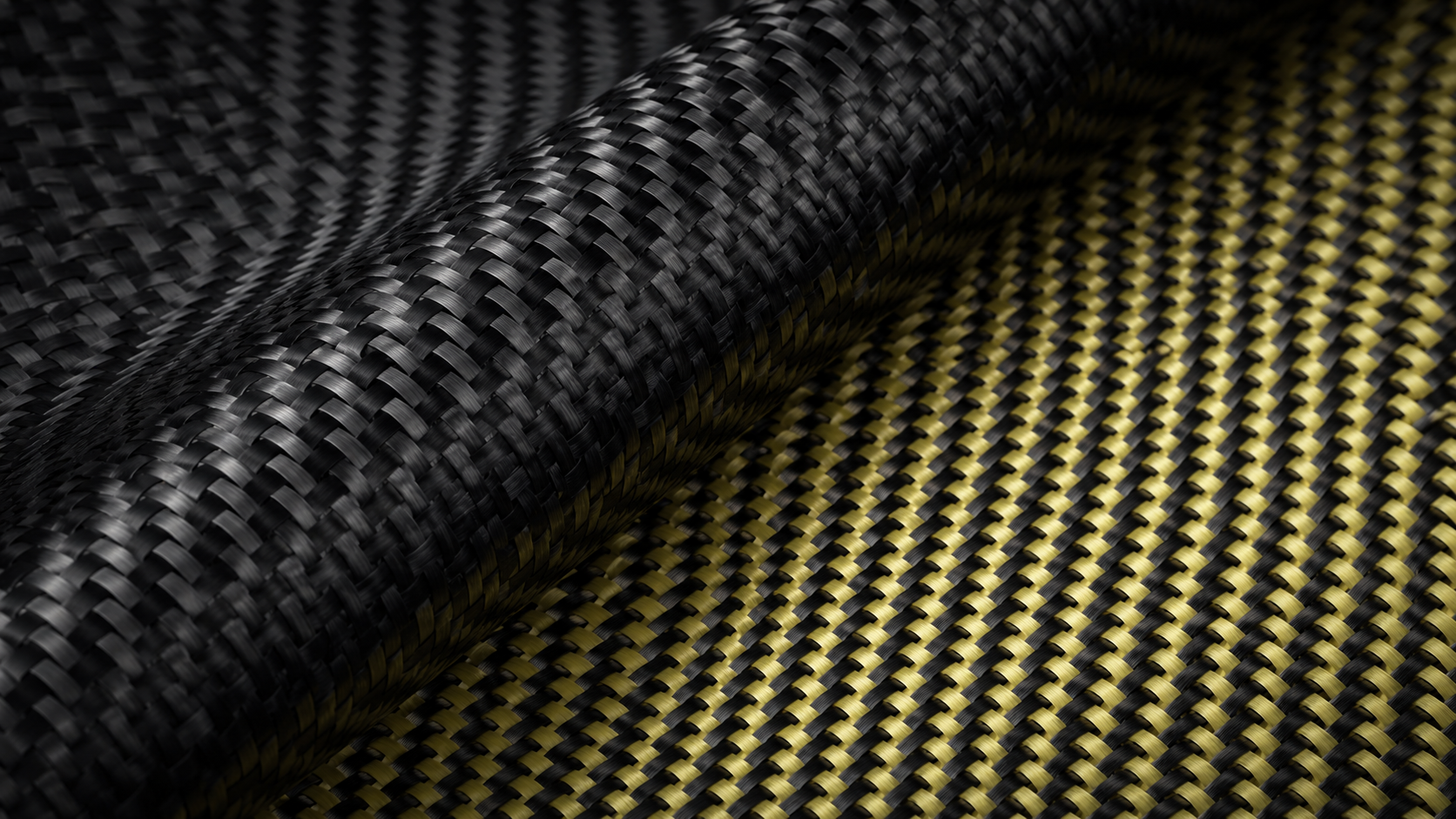
This guide cuts through it. You’ll get a clear breakdown of what 3D, 4D, and 5D carbon fiber wraps mean, what a full or partial wrap costs in 2025, and whether professional installation is worth it for your situation. Real examples included. For a complete overview of all carbon fiber wrap types, benefits, and applications, start with our Ultimate Carbon Fiber Wrap Guide 2026. If you’re leaning toward a DIY approach, our DIY Carbon Fiber Wrap Tutorial: Step-by-Step for Beginners walks you through the full process with zero-fail tips and common pitfalls to avoid.
5 Proven Benefits of Carbon Fiber Car Wraps (Beyond Just Looks)

Most people stop at “it looks great.” That’s the wrong place to stop.
Carbon fiber car wrap gives you real, measurable advantages. You’ll see the difference in your wallet, your car’s condition, and your resale value. Here are five that matter.
1. It Costs Far Less Than Paint
A professional paint job runs north of $3,000. A carbon fiber vinyl wrap lands around $1,500. That’s more than 50% saved — before you factor in long-term maintenance.
SEMA research shows wrap owners see 40% lower maintenance costs over time compared to painted surfaces. Labor savings alone can reach $250 per installation. The math isn’t close.
2. It Protects Your Paint Every Day
Carbon fiber texture vinyl is a physical shield for your car. It resists scratches that would otherwise cost $500+ in bodywork repairs. It blocks UV damage — the kind that fades dashboards and dulls clear coats after two summers. It also handles temperature swings and chemical exposure. Those two things destroy unprotected finishes fast.
Vinyl wrap durability holds up 3 to 7 years with basic care. That’s not just a cosmetic layer. It’s structural protection for the original paint underneath.
3. It Adds No Real Weight
Carbon fiber film adds almost nothing to your vehicle’s weight. For performance builds, that’s a clear win. For EV owners — a segment that grew to 14 million sales in 2023, up 35% year-over-year — every gram affects range and efficiency. A wrap supports that goal. A new paint layer doesn’t.
4. It’s Fully Reversible
Paint is permanent. Wraps aren’t. Peel it off, and the factory finish underneath stays untouched. That makes carbon fiber car wrap a smart choice for leased vehicles, used car value preservation, and fleet operators who rebrand on a set schedule. No long-term commitment needed.
5. It Works on Just About Every Surface
The global car wrap material market hit $1.91 billion in 2024. It’s on track to reach $2.38 billion by 2029. That growth isn’t about looks alone. Installers rely on vinyl’s flexibility around complex curves, trim lines, and contoured panels. Rigid materials can’t handle those same surfaces. That versatility is a practical edge — not a marketing claim.
If you’re curious about the real differences between forged carbon fiber and traditional 3D/5D patterns, check out our detailed breakdown in Forged Carbon Fiber Wrap Explained.
Carbon Fiber Car Wrap Cost Breakdown: What You’ll Pay in 2025

Numbers don’t lie, but the wrap industry loves to bury them.
Here’s the honest picture for 2025: a professional carbon fiber car wrap costs between $2,000 and $10,000+. The final number depends on your vehicle, your location, and how complex the job is. That’s not a vague range — it’s a real one. Every variable is controllable once you know what drives the price.
Full Vehicle Wrap Costs by Type
The biggest cost factor is the vehicle itself.
|
Vehicle Type |
Installed Price Range |
|---|---|
|
Compact/Sedan |
$2,000–$3,000 |
|
Mid-size Sedan |
$2,500–$4,000 |
|
SUV / Full-Size |
$3,500–$6,000 |
|
Pickup Truck |
$3,500–$6,500 |
|
Luxury / Exotic |
$4,000–$10,000+ |
Larger vehicles need 75–100+ square feet of carbon fiber vinyl. A full sedan needs 55–60 feet. That gap in material alone pushes the budget up by hundreds — before a single labor hour starts.
Partial Wraps: Targeted Impact, Smaller Spend
Not every project needs to be a full-vehicle job.
-
Mirrors: $150–$250 installed
-
Roof: $300–$600 installed
-
Hood: $350–$700 installed
-
Trunk / Large Panel: $500–$900 installed
Partial wraps make sense for contrast accents or panel protection. You skip the full spend and still get a sharp result on the panels that matter most.
What’s Inside the Price Tag
Material costs for standard carbon fiber vinyl run $3–$7 per square foot. A full sedan’s film lands around $400–$800 in materials alone. A 5ft x 10ft roll of carbon pattern vinyl sits at $189–$199.
Labor tells a different story. Professional installation on a full wrap starts at $3,000–$5,000 — and the number climbs fast in major cities. Los Angeles, New York, San Francisco: expect $4,000–$6,000 for labor alone. Mid-sized markets run $2,500–$4,000. Rural shops start closer to $2,000.
The Costs Nobody Quotes Upfront
Four hidden line items catch most buyers off guard:
-
Surface prep and removal — $500–$1,000 if old wrap or paint correction is needed
-
Complex curves and panel disassembly — adds 20–50% to base labor
-
Precision edge trimming — bundled into labor on most quotes, but adds $200–$600 per large panel
-
Specialty finishes — forged carbon or 5D wraps run $1,000–$2,000 more than standard 3D options
Go into any shop without knowing these exist, and they’ll still show up on your invoice. Now they won’t catch you off guard.
DIY vs Professional Carbon Fiber Wrap Installation: The Honest Comparison

A $600 DIY attempt and a $3,000 professional job look similar at the shop. Six weeks later, the edges start lifting. That’s where the difference shows up.
Here’s the real split.
DIY total costs run $550–$1,650+. That includes $400–$1,000 in carbon fiber vinyl, $50–$150 in tools, and the part nobody budgets for — error materials. Botched sections add an extra $100–$300 in replacement film and $100–$200 in hidden waste. Most first-timers hit that ceiling. Plan for it.
Professional installation runs $1,500–$5,000 all-in, plus a carbon fiber premium of $500–$1,000 on top. That’s a real number, not a padded one.
What you’re buying with that gap:
-
Error rate: DIY wraps produce bubbles, creases, and misalignment at a 20–50% failure rate in the first few weeks. Pros using infrared thermometers and knifeless tape stay below 5%.
-
Edge work: Curves, mirrors, and complex panels are where DIY jobs fall apart — most fail within 2–4 weeks.
-
Longevity: Professional wraps hold 5–7 years. DIY averages 1–3 years — often with paint damage underneath once you peel it back.
-
Warranty: Pros cover defects and removal for 1–5 years. DIY coverage is zero. Fixing mistakes runs $200–$500 out of pocket.
Where DIY Makes Sense
Flat, large panels on compact sedans under 15 feet. Surface areas under 200 square feet. People who’ve handled vinyl before. Those conditions do exist. They’re just not common.
On high-curve surfaces — bumpers, mirrors, truck bodies over 20 feet — beginner failure rates exceed 80%. That’s not a warning. That’s the result.
|
Dimension |
DIY |
Professional |
|---|---|---|
|
Total Cost |
$550–$1,650+ |
$1,500–$5,000 |
|
Defect Rate |
20–50% |
<5% |
|
Lifespan |
1–3 years |
5–7 years |
|
Warranty |
None |
1–5 years |
|
Time |
15–40 hours |
1–3 days |
The numbers favor professionals for most vehicles. DIY cuts costs upfront, then charges them back later. Add the paint damage risk, and you’re looking at 10–20% in resale loss. On a vehicle worth $20,000+, that’s a real hit.
Know your panels. Know your skill level. Then decide. For example, if you’re focusing on just the hood for style and protection, see our in-depth guide: Carbon Fiber Hood Wrap Guide: Protection, Style Upgrade & Step-by-Step Installation.
Carbon Fiber Wrap vs Paint vs Real Carbon Fiber: Which Is Right for You?

Three options. Very different price tags. One decision that stays with your car for years.
Here’s a straight breakdown for a mid-size sedan like a BMW 3-Series:
|
Option |
Cost |
Lifespan |
Installation |
|---|---|---|---|
|
Carbon Fiber Vinyl Wrap |
$2,000–$6,000 |
3–7 years |
2–5 days |
|
Full Repaint |
$5,000–$15,000 |
5–10 years |
1–2 weeks |
|
Real CF Parts |
$10,000–$50,000+ |
10+ years |
1–4 weeks |
Wrap runs 30–50% of what a comparable paint job costs. Real carbon fiber can run two to ten times more than paint. That’s not a small gap — it’s a massive one.
What Each Option Delivers
Vinyl wrap protects your OEM finish, blocks UV damage, and peels off clean. Zero paint damage. That’s a big deal for resale. Wrapped cars keep up to 95% of factory paint value. Sell it wrapped and you’re looking at a 5–10% value boost — as long as the film stays clean. Let it fade, and that boost disappears fast.
Paint is permanent. That permanence hurts you twice. Pick the wrong color and resale drops 10–20%. Then stripping it costs $2,000+. It’s the most durable surface finish out there, but that durability works against you too.
Real carbon fiber parts — hood, roof, spoilers — do something the other two can’t: cut real weight. A CF hood sheds 20–25 lbs compared to steel. That weight loss produces measurable acceleration gains on the track. One Audi RS owner recorded an $8,000 resale premium with real CF over a wrapped alternative. A BMW M4 track build gained 25% resale value from CF panels alone.
Match the Option to Your Goal
-
Daily driver on a budget? Wrap wins. You save up to 80% versus paint. It’s reversible and protective.
-
Show car or long-term keeper? Real CF gives you authentic texture, structural depth, and proven resale value. No vinyl can match that on close inspection.
-
Performance track use? Put real CF on key panels — hood, spoiler. That’s where the handling gains come from. Wrap the rest.
Wrap isn’t a fallback for those who can’t stretch to real carbon fiber. For most situations, it’s the sharper way to spend your money.
Real Carbon Fiber Car Wrap Examples: Before & After Transformations

Four real vehicles. Four honest outcomes. Here’s what carbon fiber vinyl looks like on the road.
Jaguar F-Type — Gloss Carbon Fiber Hood Wrap
Stock aluminum hood in. Film measured at 69–75 inches wide, laid flat, sealed with PPF on top. The result: a scratch-resistant, self-healing surface with real carbon depth. It beats printed alternatives like Hexis — no contest. One installer called it the most realistic carbon fiber vinyl they’d ever worked with. That’s not marketing. That’s the person holding the squeegee.
Audi A4 — Hood Over Damaged Paint
Stone chips. Respray marks. Surface rough enough to feel through a glove. The carbon film went on anyway — 3 inches of overhang past each edge — and covered everything. You get a clean gloss finish where visible damage used to be. The wrap didn’t just upgrade the look. It buried a problem.
Interior Trim Panel — The Long-Game Test
This one ran from June 2016 to March 2020. Four years on a passenger seat panel, daily use, no garage. Result: minimal fading, minor bubbles at the tail end.
The exterior pieces on the same car? Different story. Mid-afternoon sun. Open parking lots. Steady UV exposure. The pattern held. The vibrancy didn’t.
The takeaway: interior carbon fiber vinyl outlasts exterior wrap under the same conditions — by a wide margin. Plan your budget around that.
Carbon Fiber Car Wrap Maintenance: How to Make It Last 5–7 Years

The gap between a wrap that still looks sharp at year five and one peeling by year two? About fifteen minutes every other week.
That’s it. Simple, steady care. Here’s what that looks like.
Daily and Weekly Habits That Make a Real Difference
Hand wash every two weeks. Use pH-neutral soap — pH 7 to 8 — and a soft microfiber cloth. This combo shields the adhesive layer and stops edges from lifting too soon.
Skip the automatic brush wash. Bristles snag edges. Edges lift. The wrap breaks down faster than it should.
Bird droppings and tree sap need to come off fast. Let them sit and they stain. The carbon fiber texture traps contaminants in its surface pattern — that’s where lasting damage begins.
Seasonal Factors That Quietly Cut Years Off Your Wrap
UV exposure is the biggest long-term threat. Parking in shade or a garage adds one to two years to your wrap’s life. That’s not a small margin — that’s real money saved.
Cold climates bring a different problem. Road salt and freeze-thaw cycles crack the wrap along curved panels. Owners in San Diego often hit seven-year lifespans. Owners in northern cities with salted roads? Many don’t clear five.
Use a vinyl-specific protectant every three months. It builds a UV and pollutant barrier that shade parking alone can’t match.
Repair or Replace — Here’s How to Decide
Small bubbles under one inch? A heat gun at 100–120°C plus a firm squeegee pass handles them at home. Anything spreading past two inches, or showing adhesive failure along seams, call a professional.
At the five-to-seven-year mark, run a check every three months. Lift the edges gently. Look for color mismatch beyond 20% of the original shade, peeling past half an inch, or cracking on curved surfaces. Three or more of those signs together means replacement is the smarter move. Patching a failing wrap costs more over time than a clean re-wrap.
Premium films from brands like 3M, Avery Dennison, and KPMF can reach five to twelve years in mild climates with steady care. The wrap itself isn’t the weak link. Neglect is.
Carbon Fiber Car Wrap FAQs: 10 Questions Real Buyers Ask
Every buyer hits the same wall. The research is solid. The quotes are in hand. But a few stubborn questions still sit between you and a decision. These are those questions.
1. Does carbon fiber wrap look real?
Quality is everything here. High-grade vinyl copies the 0.1–0.2mm weave depth of real carbon fiber. Under normal lighting, a pro installation reaches 95% realism. Hold a 1,000-lumen light up to cheap film? You’ll see grain mismatch right away. Buy on price, pay in credibility.
2. Can you wash a wrapped car?
Yes — but wait 24–48 hours for the wrap to cure first. Then:
– Hand wash only
– Keep water temperature under 140°F
– Use pH-neutral soap and a microfiber mitt
– No high-pressure jets above 1,200 PSI
– Skip wax for the first 30 days
Automatic brush washes snag edges and speed up lift. Avoid them.
3. Will wrapping my car hurt its resale value?
No. A removable wrap, put on by a pro, adds a 1–2 mil protective layer over your factory paint. Resale impact lands anywhere from neutral to +5% on performance vehicles with strong visual appeal. The paint underneath stays untouched the whole time.
4. How long does installation take?
A full professional wrap takes 1–5 days. Vehicle complexity drives that range. A hood or roof alone takes 2–4 hours at a solid shop. Going DIY on a full car? Plan for 20–40 hours spread across 2–3 days — and that’s with no major mistakes along the way.
5. What warranty should I expect?
Premium films from 3M and Avery Dennison cover 3–7 years against fading and cracking. Edge and seam coverage runs about one year — but only if the installer post-heated every section to at least 212°F during application. Ask for that spec before you sign anything.
6. DIY or professional — what’s the real cost difference?
DIY materials run $500–$1,500. Professional labor comes in at $3–$7 per square foot, putting a full-car job at $2,000–$5,000 installed. The price gap is real. So is this: DIY defect rates run 20–50%. Pro defect rates sit under 5%. That gap costs money too.
7. How long will the wrap last?
Exterior carbon fiber vinyl holds up 5–7 years with regular care and UV protection. Interior trim panels in the same car often go past 10 years. The environment does the damage — not the material itself.
8. How do you remove carbon fiber wrap without damaging paint?
Heat the surface to around 150°F, then peel slow and steady. Done right, 95% of the adhesive pulls away clean with the film. A full-car removal takes 4–8 hours. Rush it — or skip the heat step — and that’s where paint damage starts.
9. Does carbon fiber wrap add real weight?
Barely any. Film thickness runs 0.15–0.2mm, weighing 0.2–0.4 oz per square foot. For performance builds and EV owners tracking every gram, that number rounds down to zero.
10. What temperature range can carbon fiber wrap handle?
Apply it in conditions under 80°F for clean adhesion. Post-heat every section to 212°F for at least 30–60 seconds per spot — that’s what locks the edges in place. Once cured, the film holds through -40°F winters and 200°F summer surfaces without failing.
One pattern runs through all ten answers. The gap between a wrap that holds up and one that falls apart traces back to one thing — right materials, right temperature, right hands doing the work. These answers don’t change that. They just make sure you walk in knowing what to ask.
Conclusion
You’ve done the research. Now the question is: what’s stopping you?
A carbon fiber car wrap gives you everything real carbon fiber offers — the aggressive texture, the light-catching depth, the premium feel — at a fraction of the cost. No permanent changes. No point of no return. It protects your paint, it’s fully reversible, and a quality install holds up for close to ten years.
Two things decide whether your wrap turns heads or peels by spring:
-
The quality of the carbon fiber film you pick
-
The skill of the installer who applies it
Nail both, and you’ll wonder why you didn’t do this sooner.
Browse the material options. Compare the finishes. Then connect with a professional who has the experience to back it up.
Your car’s next chapter doesn’t start with a paintbrush — it starts with a roll of film and a smart decision.
Contact HyperX Carbon – Your Trusted Chinese Carbon Fiber Partner
Ready to source high-performance carbon fiber materials or custom forged carbon fiber parts from China?
HyperX Carbon is a leading manufacturer with 20+ years of expertise, specializing in aerospace-grade forged carbon fiber, prepreg, tubes, sheets, and lightweight automotive/drone/medical components. We offer:
-
Stable supply chain with premium raw materials (Toray, Mitsubishi, Hengshen)
-
AS9100D certified production for aerospace & UAV applications
-
Rapid prototyping (5-8 weeks) and monthly capacity exceeding 180,000 parts
-
Competitive pricing with 15-18% cost savings on forged carbon solutions
-
Full customization: from T700/T1100G to ultra-high modulus grades
Whether you’re an eVTOL developer, automotive OEM, drone manufacturer, or medical device engineer, HyperX delivers consistent quality, batch-to-batch reliability, and reliable delivery.
Get in touch today for a free consultation, custom quote, or material sample.
📧 Email: [email protected]
🌐 Website: https://www.hyperxcarbon.com/
📞 Phone/WhatsApp: +86 15623270276 (English support available)
Let’s build your next lightweight innovation together – contact HyperX Carbon now and stay ahead in the low-altitude and advanced composites market.