That sleek, textured finish you keep seeing on sports cars, gaming setups, and custom motorcycles? There’s a good chance it’s not real carbon fiber. It’s carbon fiber wrap — and it’s changing the way people customize what they own.
You get that same aggressive, high-performance look at a fraction of the cost. No structural work. Nothing permanent. Just clean, bold style you can apply and remove.
But before you spend money or pick up a heat gun, take a moment to understand what this material actually is. Know where it works best. Know its limits too.
This guide covers it all — material composition, finish types, real-world durability, and how carbon fiber wrap compares to the real thing.
What Is Carbon Fiber Wrap?

At its core, carbon fiber wrap is a vinyl film — not actual carbon fiber. It’s built to copy the woven texture and visual depth of real carbon fiber, but without the weight, cost, or complexity.
The difference is worth knowing. Real carbon fiber uses actual carbon atoms bonded into a tight crystalline structure. Engineers trust it in aerospace and Formula 1 chassis. Carbon fiber wrap is the visual twin, not the functional equal. It copies the look. It doesn’t copy the strength.
What It’s Made Of
The material works because of how it’s built. Each roll is a multi-layer system:
-
Pattern layer — a printed or embossed surface that copies the carbon fiber weave with sharp detail
-
Vinyl base — a flexible layer that fits curved and complex surfaces
-
Self-adhesive backing — pressure-sensitive adhesive that bonds without leaving permanent damage
-
Air-release channels — tiny grooves in the adhesive layer that push out bubbles during installation
Standard rolls come at 1,500mm wide. You can order lengths from a single metre up to full 50-metre commercial rolls.
3D, 4D, 5D — What’s the Difference?
Not all carbon fiber texture vinyl looks the same.
-
3D carbon fiber wrap — the starting point. Clean weave pattern, solid dimensional look, common on automotive exteriors
-
4D — semi-gloss and semi-matte combined in a rounded, spiraled weave. It runs 3.1mm thick and bends more easily, so it works well on curved interior panels
-
5D and 6D — deeper texture and more realism, built for premium finishes
The higher the dimension, the better the carbon fiber finish catches light. You get that layered, structural look that’s hard to tell apart from the real thing.
Types of Carbon Fiber Wrap: Gloss, Matte, and 3D Finishes Explained

The finish you pick matters more than most people think. It changes how light hits the surface, how easy the install is, and whether the final result looks like a show car or a weekend DIY project. Carbon fiber wrap comes in four main finish levels. Each one serves a different purpose.
3D Matte: The Flexible Starting Point
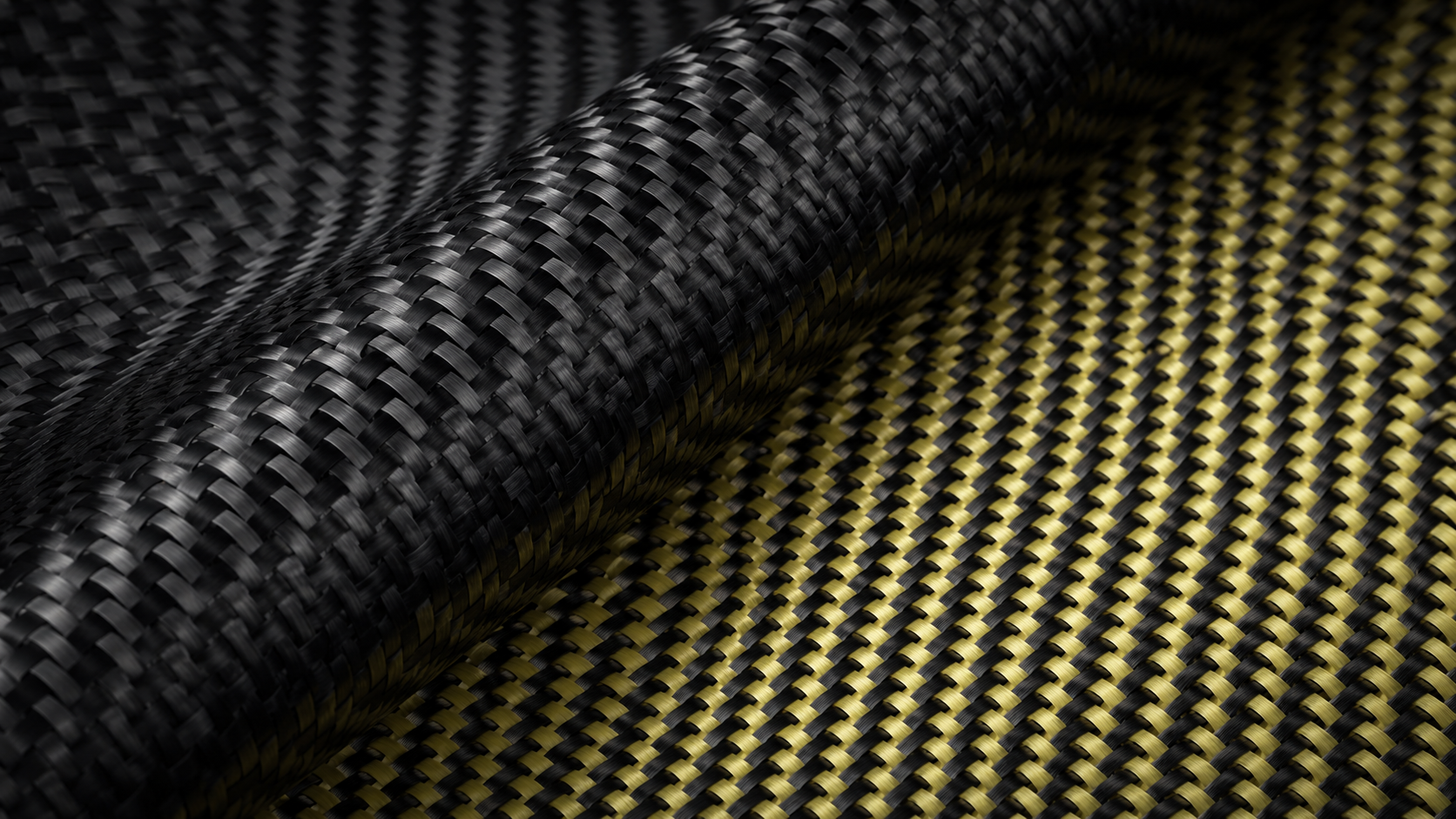
3D carbon fiber wrap is the entry point. The surface has a raised, cross-hatched weave pattern — you can feel the texture under your fingers. No shine. Low reflectivity. That matte finish looks understated and purposeful, not flashy.
It’s also the thinnest option at 3.0 mil, which makes it the most stretchable. Curved panels, tight interior trim, awkward angles — 3D matte handles all of them with less heat and less effort. New to wrapping? Start here.
There’s a practical bonus too: matte surfaces hide fingerprints and fine dust far better than gloss. For steering wheel accents, door panels, and tool surfaces, that’s a real advantage.
4D Semi-Gloss: The Middle Ground
4D carbon fiber wrap sits between matte and full gloss. The weave pattern shifts to a swirled, spiraled structure. It’s smoother than 3D, with a semi-gloss sheen that adds depth without the full “wet” look. It bends well around contoured interior surfaces. For DIY installs where a bit more visual richness is the goal, 4D is a solid pick.
5D and 6D Gloss: Built for Exteriors
This is where carbon fiber wrap finish gets impressive.
5D gloss measures 3.4 mil thick — heavier than 3D by a clear margin. It puts a high-gloss layer over a standard twill weave, giving you that reflective, resin-coated look. Hoods, roofs, spoilers, full exterior panels — 5D is the go-to choice for serious restyling work.
6D pushes further. Ultra-smooth surface. Near-mirror clarity. Hyper-real weave depth. Built for show cars and luxury builds. The install takes more patience — you’ll need heat and careful technique on any curved surface. The payoff? A carbon fiber look wrap that’s hard to tell apart from real material at a glance.
Choosing by Finish: A Quick Reference
|
Type |
Gloss Level |
Thickness |
Best For |
|---|---|---|---|
|
3D Matte |
None |
3.0 mil |
DIY, curves, interiors, budget builds |
|
4D Semi-Gloss |
Moderate |
~3.0+ mil |
Contoured panels, interior accents |
|
5D Gloss |
High |
3.4 mil |
Exterior panels, full wraps |
|
6D Ultra-Gloss |
Mirror |
Premium |
Show cars, luxury vehicles |
One more thing worth knowing: black dominates the market. About 70% of carbon fiber texture vinyl sold runs in standard black. Metallics like silver and titanium make up around 20%, and they show up in 5D and 6D gloss variants — where the sheen makes the color worth using.
Pick the finish that matches the surface, your skill level, and the result you’re after.
Where Can You Use Carbon Fiber Vinyl Wrap? Key Application Scenarios

Carbon fiber vinyl wrap has expanded far beyond the racetrack crowd — and the numbers back it up. The global market hit $1.62 billion in 2024 and is projected to reach $3 billion by 2030. That growth didn’t happen because of one use case. This material has spread into nearly every corner of modern life, and each new category keeps pushing the numbers higher.
Automotive Exteriors
This is where most people start, and for good reason. Hoods, roofs, spoilers, doors, and mirrors are all prime candidates. A full exterior wrap gives you a premium, high-performance look without locking you into permanent paint. Plus, it adds a layer of UV protection that keeps the original finish underneath intact.
Electric vehicles are pushing adoption even further. In 2023 alone, 14 million electric cars were sold worldwide — a 35% year-over-year increase. EV owners care about clean aesthetics and sharp design. They’re buying carbon fiber wrap at a rate that’s reshaping the whole market segment.
Automotive Interiors
Step inside and the options keep growing. Dashboards, steering wheels, center consoles, door trim strips, and side panels all take carbon fiber texture vinyl well. Interior surfaces take a beating — UV exposure, constant hand contact, gradual wear. Wrap handles all of it. You get a premium feel at a fraction of the weight and cost of real carbon fiber. Most passengers won’t be able to tell the difference.
Motorcycles and Beyond
Motorcycles follow the same logic as cars. Full body wraps add personality, protect the original finish, and keep the bike light. Riders use it for the same reasons car owners do — customization that doesn’t lock you in.
Consumer Electronics and Sports Gear
Laptops and phone cases are a fast-growing category. Textured finishes are leading the highest CAGR in the 2024–2029 period. Visual appeal and surface durability are driving that growth. Calendered vinyl dominates this space — it’s cost-effective, easy to print on, and built for short-to-medium-term use.
Sports equipment wraps are rising too. That segment is tracking an 8.0% CAGR through 2030, making it one of the stronger growth areas outside automotive.
The Bigger Picture
Asia-Pacific leads global consumption with 44.8% of revenue in 2024. It also holds the highest growth rate across both volume and value. Rapid urbanization and strong vehicle sales are the main forces behind that number.
Surfaces exist everywhere. People want them to look better. That’s the simple reason carbon fiber vinyl wrap keeps finding new ground.
5 Key Benefits of Carbon Fiber Wrap vs Real Carbon Fiber and Paint
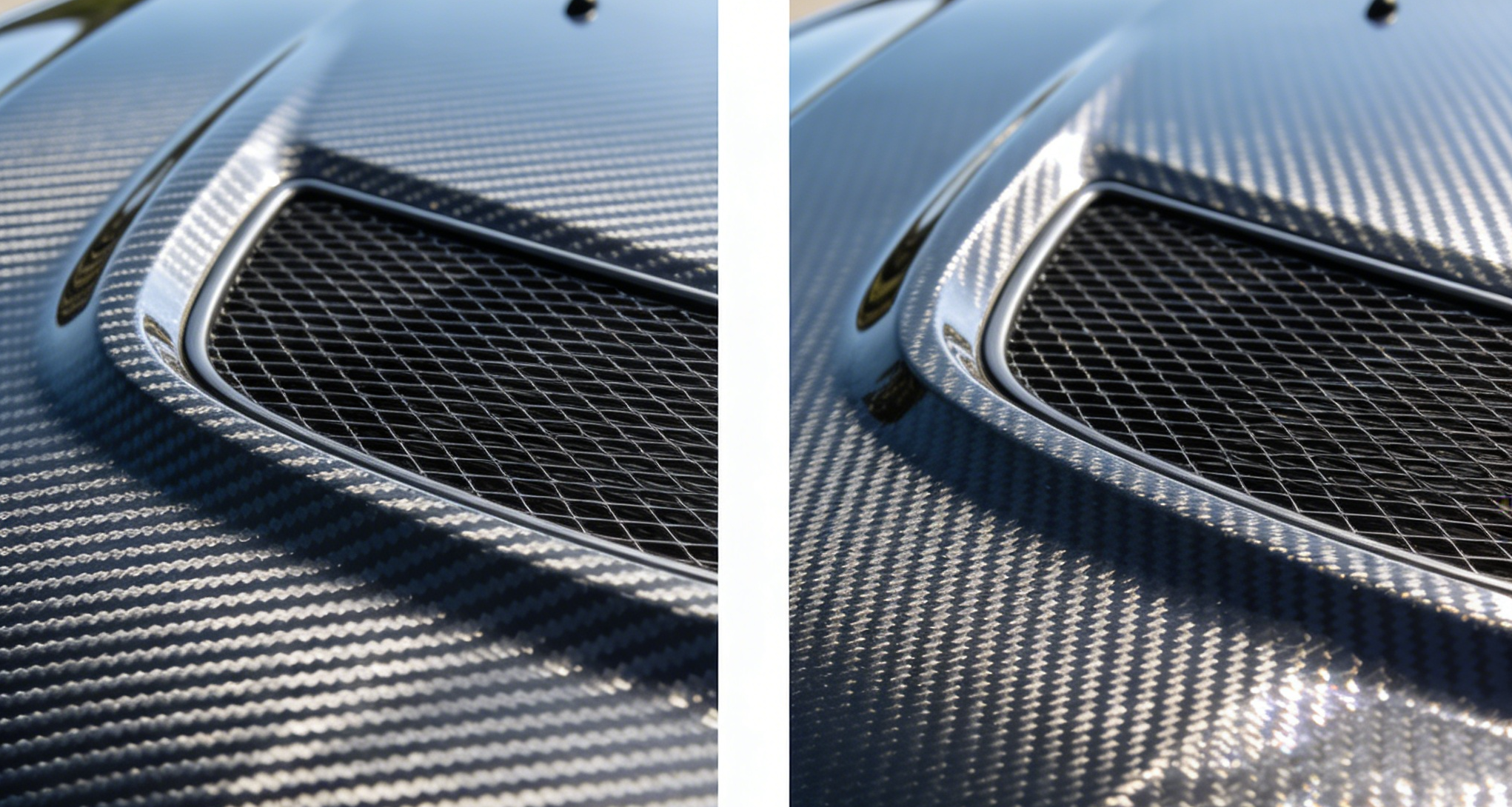
The numbers speak for themselves. A professional paint job runs $2,000 to $10,000. A real carbon fiber panel kit? Anywhere from $500 to $5,000 — per piece. A quality roll of carbon fiber wrap? $50 to $100. Same aggressive aesthetic. Fraction of the investment. That gap is why this material keeps winning.
But cost is just the opening argument. Here are five reasons carbon fiber wrap outperforms both real carbon fiber and paint for most people in most situations.
1. The Cost Advantage Is Massive
Real carbon fiber costs more at every stage — raw material, fabrication, professional fitting. Paint is cheaper but still adds up fast. Carbon fiber wrap cuts 80 to 90 percent off the cost of getting the same visual result. For a full vehicle transformation, that gap isn’t small. It’s the difference between doing the project and walking away from it.
2. It’s Reversible — and It Protects What’s Underneath
Paint is permanent. Real carbon fiber bonds to the surface and stays there. Carbon fiber wrap peels off clean, leaving zero residue and zero damage to the original finish. That matters a lot for resale value and for owners who want to keep their options open.
It goes further than that. TPU-based carbon fiber PPF — a premium wrap material — shields the paint beneath it every single day. 99% UV rejection. Hydrophobic surface. Dust-repellent coating. The wrap isn’t just decoration. It’s doing real protective work the entire time it sits on the panel.
3. You Can Install It Yourself
Real carbon fiber needs machining and precision fitting. Paint needs a professional spray booth, prep work, and days of downtime. Carbon fiber wrap needs a heat gun and a squeegee. Clean the surface, apply the film, push out the bubbles with heat, trim the edges. The adhesive lets you reposition — pull it back, start over, no marks, no creases.
That low barrier matters. A professional-looking result is within reach of anyone ready to spend a Saturday afternoon on it.
4. The Durability Is Real
This material isn’t fragile. Quality carbon fiber wraps carry five to ten year warranties, run at seven to eight and a half mil thick, and resist UV degradation, moisture, and weathering without yellowing. The TPU aliphatic base found in premium wrap products beats standard PVC vinyl in everyday use — it’s tougher, more flexible, and holds color longer.
Real carbon fiber lasts just as long cosmetically, but it can’t heal itself. Paint chips, fades, and shows every scratch. Wrap handles contact damage, recovers minor surface scratches with heat activation, and keeps looking sharp through years of use.
5. The Aesthetic Depth Beats Paint — at a Fraction of the Price
A flat paint job, even a perfect one, sits on the surface. 3D and 5D carbon fiber wrap builds real visual depth into the finish — layered weave structure, light-catching texture, that dimensional quality that makes people lean in for a closer look. High-gloss 5D and 6D variants reach a resin-coated clarity that’s hard to tell apart from real carbon fiber up close.
Paint can’t copy that texture. Real carbon fiber can match it — but costs ten times more and changes your original surface for good. Carbon fiber wrap delivers the finish, keeps the protection, and stays removable. For most builds, that combination is hard to beat.
Carbon Fiber Wrap vs Real Carbon Fiber: Which One Do You Need?
Stand two panels side by side under a showroom light. One is real carbon fiber. One is wrap. Most people can’t tell. That says a lot about how far carbon fiber wrap material has come. It’s also a reminder that most of us buy with our eyes — not our engineering specs.
Here’s the honest breakdown.
What You See — and Where It Falls Apart
Under direct sunlight, quality wraps like the VViViD Tek R hold their own. The 3D carbon fiber wrap effect gets deeper. Reflections sharpen. The surface builds real visual presence. Impressive? Yes. The same as real carbon fiber? Not quite.
Move into a garage. Drop the light. That’s where wrap starts to show its limits. The carbon fiber look wrap goes flat. The depth disappears. Real carbon fiber holds a different standard. A real carbon fiber mirror cap keeps its authentic weave visible in any condition — the titanium-black color shift, the thick structural depth, the rounded individual fibers. Up close, a printed vinyl surface gives itself away. The texture looks grainy. The pattern looks squared-off. There’s no real fiber underneath.
The 5D and 6D wraps come closest. But “closest” still isn’t “identical.”
Structural Reality: One Works, One Decorates
This is the point that settles most debates. Carbon fiber wrap is cosmetic. Full stop. It adds no structural strength. It reduces no weight. It changes nothing about how a panel performs. Real carbon fiber is an engineering material — light, load-bearing, and trusted on performance hoods, racing mirrors, and door components where rigidity matters.
Wrap sits on top of the surface. Real carbon fiber is the surface.
The Decision Is Simpler Than You Think
|
Need |
Best Choice |
|---|---|
|
Budget-limited visual upgrade |
Carbon fiber wrap |
|
DIY customization, removable finish |
Carbon fiber wrap |
|
Racing or performance modification |
Real carbon fiber |
|
Authentic weave, resale value |
Real carbon fiber |
The numbers favor wrap in 80 to 90 percent of real-world use cases. You want the look — on a Tesla hood, a laptop lid, a door panel — wrap gets you there for less money. Real carbon fiber earns its price in the narrow cases where strength, authenticity, and resale value all matter at once.
One practical note before you buy: test your chosen wrap in different lighting. A wrap that looks sharp at noon in direct sun can look flat under fluorescent light in a parking garage. Carbon fiber wrap durability holds up well. The visual effect, under the wrong conditions, sometimes doesn’t.
How Long Does Carbon Fiber Wrap Last? Durability and Maintenance Tips

Five to seven years. That’s what you get from a quality roll — and that number changes based on how you treat the surface and where the car lives.
The range is wide for a reason. A show car parked in a climate-controlled garage can stretch 7–8 years without issue. A delivery fleet vehicle running daily routes under direct sun? Expect 3–5 years before the edges start talking. The wrap didn’t fail. The conditions just asked more of it.
Lifespan by Wrap Type
|
Wrap Type |
Price per sq ft |
Lifespan |
|---|---|---|
|
Low-quality unbranded |
$1.00–$1.75 |
2–3 years |
|
Mid-tier (e.g., Oracal) |
$2.00–$3.00 |
4–5 years |
|
Premium (3M, Avery) |
$3.50–$5.00 |
5–7 years |
|
Advanced ceramic-coated |
$5.00–$7.00+ |
6–8 years |
The cheapest rolls cut corners on UV resistance. NIST data puts the degradation rate at 25–35% faster on unprotected wraps exposed to sustained sunlight. That’s not a small gap. A $1.50-per-square-foot wrap in Phoenix won’t last half as long as the same footage of premium carbon fiber wrap material in Seattle.
Installation matters just as much. A poor install — trapped air, weak edge adhesion, uneven stretch — starts peeling within 1–2 years. Good technique doubles the lifespan. That’s before you even factor in the product itself.
Maintenance That Extends the Life
-
Hand wash only — soft cloth, pH-neutral soap, nothing abrasive
-
Skip the automatic car wash — brush rollers scratch and lift edges over time
-
Dry with microfiber — no chamois, no squeegee dragged across the surface
-
Apply wax or ceramic coating — this adds UV protection that carbon fiber wrap durability depends on in high-exposure climates
-
Park in shade or indoors to cut down sun exposure
-
Clean weekly, inspect edges monthly — catch lifting early so it doesn’t spread further
When It’s Time to Replace
Watch for these signs: edges lifting after two winters, fading that starts on the hood and roof first, bubbles and fine cracks spreading across the surface, texture going flat where the finish once caught light. Each one is a clear signal. Also, adhesive residue appearing on removal after five or more years means the film has reached the end of its useful life. That’s not failure — that’s the material doing its job for the full run.
Frequently Asked Questions About Carbon Fiber Wrap
Most carbon fiber wrap questions circle back to the same core concerns. Here are the ones that matter most.
What is carbon fiber wrap made of?
It has four layers:
– A PVC or polyurethane base
– A high-resolution printed carbon fiber pattern
– A clear protective coating
– A pressure-sensitive adhesive backing
Four layers. Simple system. Real results.
Does it look realistic?
Yes — 4D and 5D variants look great. The gloss finish adds depth that 3D matte can’t match. Up close under harsh light, a trained eye can tell the difference. Everywhere else? Most people won’t notice.
What thickness should I choose?
Most wraps fall in the 3–6 mil range. 4D sits around 3.1mm — flexible enough for curved panels. Go thicker and you get a bit more scratch resistance. It’s a small but real trade-off.
Is it UV and water resistant?
Both. The clear protective layer stops UV damage and keeps moisture out. Quality wraps hold up through years of outdoor exposure. No peeling. No fading.
Can I reposition during install?
Yes. The adhesive lets you pull back and reapply without damage. Just do it before you reach the final heat-set stage — after that, the film locks in place.
What temperature do I need for installation?
Work between 50°F and 95°F, with humidity below 85%. Step outside that range and the adhesive won’t bond properly.
Conclusion
Carbon fiber wrap isn’t just a shortcut to a premium look — it’s a smart material choice. It protects your original surface. It costs a fraction of real carbon fiber. You get the freedom to transform almost anything without a permanent commitment.
Refreshing a tired interior trim? Giving your car an aggressive new identity? The right carbon fiber wrap delivers results that speak for themselves.
The real question was never can it look good — it’s whether you’re ready to stop settling for factory-standard. Start building something that reflects your style.
Ready to begin? Explore our full range of carbon fiber wrap material options. Find the finish that fits your vision. Gloss, matte, 3D texture — the difference is in the details. And the details are where everything begins.
Contact HyperX Carbon – Your Trusted Chinese Carbon Fiber Partner
Ready to source high-performance carbon fiber materials or custom forged carbon fiber parts from China?
HyperX Carbon is a leading manufacturer with 20+ years of expertise, specializing in aerospace-grade forged carbon fiber, prepreg, tubes, sheets, and lightweight automotive/drone/medical components. We offer:
-
Stable supply chain with premium raw materials (Toray, Mitsubishi, Hengshen)
-
AS9100D certified production for aerospace & UAV applications
-
Rapid prototyping (5-8 weeks) and monthly capacity exceeding 180,000 parts
-
Competitive pricing with 15-18% cost savings on forged carbon solutions
-
Full customization: from T700/T1100G to ultra-high modulus grades
Whether you’re an eVTOL developer, automotive OEM, drone manufacturer, or medical device engineer, HyperX delivers consistent quality, batch-to-batch reliability, and reliable delivery.
Get in touch today for a free consultation, custom quote, or material sample.
📧 Email: [email protected]
🌐 Website: https://www.hyperxcarbon.com/
📞 Phone/WhatsApp: +86 15623270276 (English support available)
Let’s build your next lightweight innovation together – contact HyperX Carbon now and stay ahead in the low-altitude and advanced composites market.