Scroll through any car forum in 2026 and you’ll find the same heated debate in thread after thread — is forged carbon fiber wrap worth your time, or are you just slapping a sticker over a problem you should’ve fixed right?
It’s a fair question. The answer is more layered than either side wants to admit.
Real forged carbon fiber — the chopped carbon fiber composite technology Lamborghini helped put on the map — delivers genuine structural performance, real weight reduction, and a texture depth no vinyl can match. But a high-quality wrap costs a fraction of the price and goes on over a weekend.
So where’s the line?
This breakdown gives you a straight comparison across appearance, strength, durability, and real-world value. No filler. Just what you need to make the call that fits your build, your budget, and how much you care about what’s under the surface. See more applications at forged carbon fiber applications 2026 guide.
What Is Forged Carbon Fiber Wrap (Vinyl)?

Strip away the branding and the answer is simple: it’s a sticker.
A sophisticated one, sure. Forged carbon fiber wrap is an adhesive vinyl film — just 0.15mm thin — printed and embossed to copy the random marbled texture of real forged composite material. That organic, scattered-fragment look you see on high-end builds? Vinyl pulls it off through surface printing and press-texture processes. No carbon fibers. No resin matrix. No compression molding under heat.
Just a 2D impression of something that, in its real form, is built in three dimensions.
The better products do this well. VViViD’s confetti-style variants scatter fragment patterns with real organic irregularity. The gloss options push air-egress channels through the adhesive layer — no bubbles, cleaner finish. Matte and satin versions drop the reflectivity for a more subdued, factory-style look. The vinyl stretches 30–50% under low heat (~50–60°C). So it wraps around curves without warping the printed texture.
Installation is straightforward. A hood takes an experienced installer one to two hours. A full car, two days.
What you get:
– A convincing carbon fiber look
– Surface-level paint protection
– Around five to seven years of exterior durability before the adhesive breaks down or the finish fades
What you don’t get:
– A single gram of weight savings
– Zero structural reinforcement
– Any change to the panel underneath — it stays the same as before you applied the wrap
That distinction — surface versus substance — is the entire conversation.
Appearance & Visual Authenticity: Can You Tell the Difference?

Direct sunlight narrows the gap between real and fake. Then the light shifts — and the illusion falls apart.
Here’s what most wrap enthusiasts don’t want to hear: side by side, at arm’s length, in flat indoor lighting — a quality forged carbon fiber wrap is convincing. The random fragment pattern, the organic chip scatter, the matte-to-gloss variation. A stranger won’t notice. That part is true.
Tilt the panel 45 degrees. The story changes fast.
The 45-Degree Test
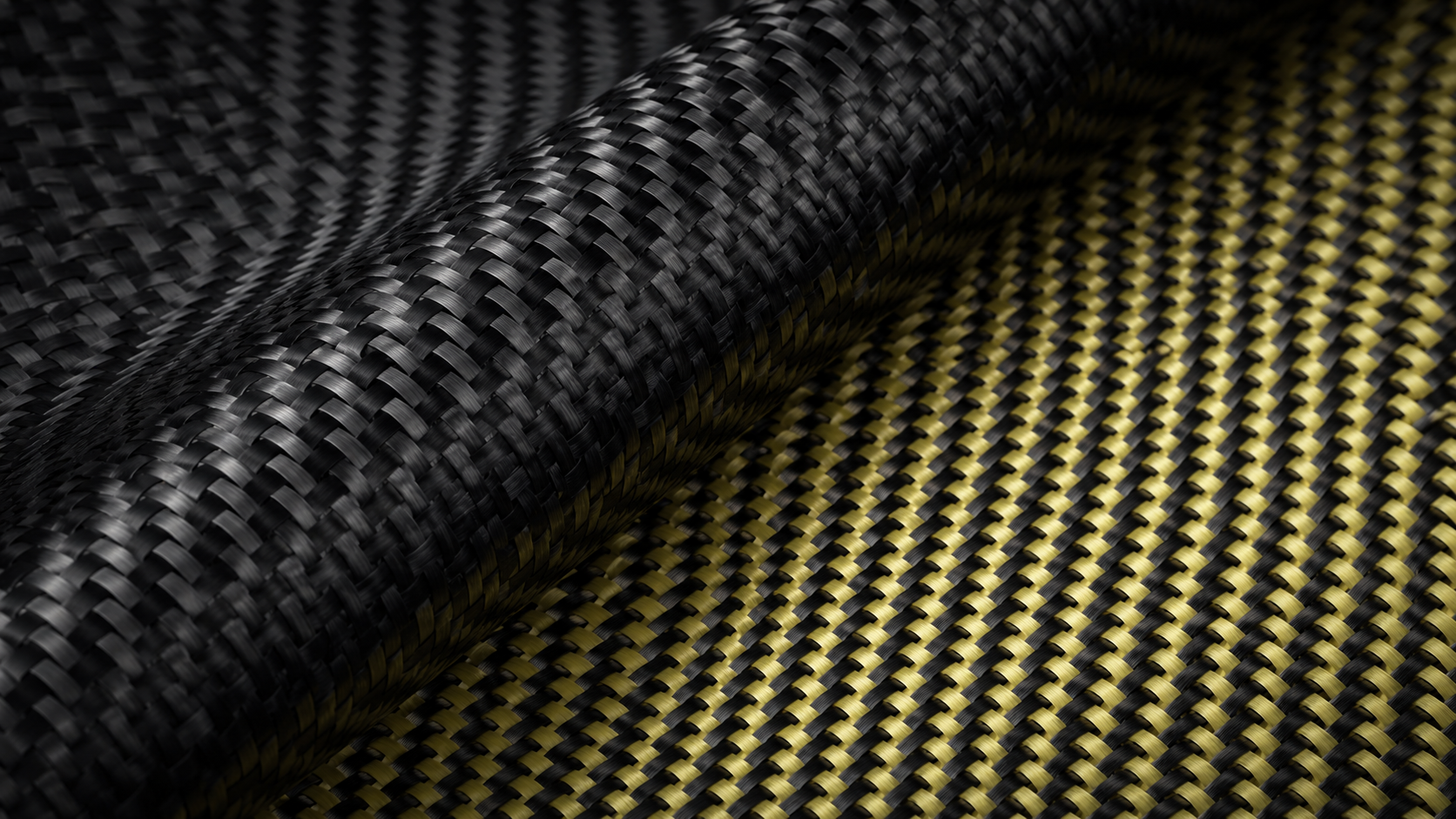
Real forged composite — the actual chopped carbon fiber composite — has genuine optical depth. Light doesn’t just bounce off the surface. It enters the resin layer. It hits fiber fragments at different depths. It comes back with an iridescent shift. The pattern appears to move. That’s physics, not printing.
Vinyl stays flat. You get a static plastic sheen — the same gloss at every angle. It looks great in photos. In person, the flat, two-dimensional surface gives it away. There’s no depth to chase with your eye.
Edge Inspection
Edges are where wraps fail the authenticity test.
Real forged carbon panels show micro-fiber ends at cut edges — tiny 0.05mm weave terminations you can see under close inspection. Wrap edges show glue seam lines. The adhesive boundary is uniform and clean in a way no natural material ever looks.
Tactile Reality
Run a fingernail across real forged carbon. You feel textured ridges — 0.1 to 0.5mm of real surface variation from the fiber matrix and compression mold process. The carbon fiber weave pattern isn’t printed on. It’s built into the surface at a structural level.
Vinyl is smooth. The texture is embossed, not formed. You can feel the difference in about two seconds.
|
Inspection Method |
Real Forged Carbon |
Forged Carbon Fiber Wrap |
|---|---|---|
|
Angled light (45°) |
Iridescent depth shift |
Static plastic sheen |
|
Edge detail |
Visible micro-fiber ends |
Glue seam line |
|
Surface feel |
0.1–0.5mm textured ridges |
Smooth embossed impression |
|
Indoor matte look |
Natural weave shadow shift |
Uniform flat appearance |
The same premium forged texture works beautifully on smaller items — explore it in forged carbon fiber phone cases or forged carbon fiber wallets.
Strength, Weight & Structural Performance Compared

Numbers don’t lie. Real forged carbon fiber composite carries a tensile strength of 600–700 MPa at a density of 1,500 kg/m³. Steel sits at 7,800 kg/m³. That difference is enormous. Forged carbon composite delivers strength-to-weight ratios 4–6× better than aluminum and up to 10× better than mild steel.
That gap isn’t cosmetic. It’s physics.
What the Wrap Brings to the Table
Zero. A forged carbon fiber wrap adds 0.15mm of vinyl adhesive film to whatever panel it covers. The steel stays steel. The plastic stays plastic. The weight stays the same — or ends up a tiny bit heavier.
Vinyl does not improve your car’s structural performance. Full stop. That category doesn’t apply here at all.
What Real Forged Carbon Fiber Changes
The chopped carbon fiber composite and SMC carbon fiber process works in a completely different way. It replaces mass with performance:
-
A forged carbon hood can weigh 50–60% less than a steel panel of the same size
-
A forged carbon front splitter adds rigidity without putting extra load on the front subframe
-
The random fiber orientation in forged composite spreads impact stress across multiple axes at once — woven carbon can’t do this because it has directional bias
That last point matters in real-world use. A forged composite panel doesn’t crack along a weave line. It pushes back from every direction.
The One Honest Comparison
|
Performance Factor |
Real Forged Carbon |
Forged Carbon Fiber Wrap |
|---|---|---|
|
Weight reduction |
50–60% vs. steel equivalent |
None |
|
Tensile strength |
600–700 MPa |
N/A (surface film) |
|
Structural contribution |
Yes — changes part integrity |
None |
|
Impact stress distribution |
Multi-axis (random fiber orientation) |
N/A |
Choosing between carbon fiber aesthetics vs performance? This table gives you a clear answer. Performance goals — lap times, track dynamics, reduced unsprung weight — the wrap plays no role there. It was never built to.
For real structural performance gains in cars, see our guide to best forged carbon fiber automotive parts.
Durability & Longevity: 3 Years vs 10+ Years in Real Conditions

The clock starts the moment you install either one. And the two clocks run at very different speeds.
A quality forged carbon fiber wrap holds up for three to five years under real outdoor conditions — UV exposure, heat cycles, car washes, road grime. Better vinyl products can stretch to seven years with careful maintenance. But the adhesive layer is always the weak point. Heat bakes it. Cold contracts it. Edges lift. Corners peel. The printed texture fades in patches, and the carbon fiber weave pattern that looked sharp in year one starts showing what it always was — ink on plastic.
Real forged carbon fiber composite has no finish layer to fail. The material is the finish. Sealed forged composite panels hold up for ten to fifteen years in active use. No structural breakdown. The random fiber orientation carbon matrix holds firm against UV. No delamination. No corner peeling. Scratch the resin surface? Polish it, reseal it, done. The structure underneath stays solid.
|
Condition |
Forged Carbon Fiber Wrap |
Real Forged Carbon |
|---|---|---|
|
Typical lifespan |
3–7 years |
10–15+ years |
|
UV degradation |
Fading, texture loss by year 4–5 |
Surface yellowing only — restorable |
|
Edge failure |
Peeling, lifting at seams |
None — no adhesive boundary |
|
Repairability |
Full replacement required |
Sand, reseal, done |
One more thing worth stating clearly: a vinyl wrap carbon fiber look fails, and you replace the entire film. Real forged composite material picks up a surface scratch, and you fix the scratch. The part stays. That difference adds up over a decade — and it makes the upfront price gap look a lot smaller than it first appears.
Price Breakdown: $200 Wrap Kit vs $500–$2000 Real Carbon Parts

The price gap between these two options is real — and it’s wide. But it’s not as simple as “cheap vs. expensive.”
A full hood wrap kit runs $200–$600 in materials. Installation takes a few hours of labor. You’re done by Sunday afternoon. For forged carbon fiber wrap, that’s the whole cost equation: low material cost, fast installation, no specialized tooling, no precision molding. The barrier to entry is low because the product is, at its core, a surface film.
Real forged composite material starts in a different price range.
What Real Carbon Costs
Entry-level parts — think single-sided wet layup mirror caps or a budget front lip — start around $200–$400. A genuine full carbon fiber sheet molding compound hood runs between $800 and $2,500. The price depends on construction quality:
-
Entry-level wet layup hood: $600–$1,100
-
Double-sided wet carbon hood: $1,200–$2,500
-
Dry pre-preg, autoclave-cured: $1,800–$2,500+
That jump from wet to dry carbon isn’t random. The manufacturing cost breakdown shows exactly why:
|
Cost Item |
Dry Carbon (Pre-preg) |
Wet Carbon (Wet Layup) |
|---|---|---|
|
Materials |
$120 |
$45 |
|
Tooling (amortized) |
$180 |
$60 |
|
Labor |
$100 |
$90 |
|
Process costs |
$50 |
$10 |
|
Total per part |
$450 |
$205 |
Autoclave curing alone costs 2–5× more than hand layup or vacuum bagging. Prepreg fabric runs $30–$200 per square meter. Standard dry fabric for wet layup? $8–$50. The price you pay at checkout reflects every step of that process — not markup for the logo.
The Fake Carbon Trap
There’s a third category that trips up a lot of buyers: counterfeit or low-quality carbon parts priced to look like a deal.
|
Part |
Authentic |
Fake/Low-Quality |
|---|---|---|
|
Hood |
$800–$2,500+ |
$250–$700 |
|
Front lip |
$400–$1,200+ |
$100–$350 |
|
Spoiler |
$300–$1,500+ |
$50–$300 |
|
Mirror caps |
$150–$600+ |
$20–$100 |
|
Steering wheel |
$800–$2,500+ |
$100–$500 |
The tell? Weight. A real carbon hood weighs 10–15 lbs. A fiberglass core with a thin carbon overlay — the most common fake construction — weighs 25–35 lbs. That’s more than double. The price looks like vinyl wrap, but the seller calls it carbon fiber. Pick it up first. The weight tells you everything.
Where the $200 vs $2000 Gap Really Lives
The wrap wins on upfront cost. No argument there. But the vinyl wrap carbon fiber look comes with a hidden cost: you replace the film every three to seven years. Real Lamborghini forged carbon-grade composite parts, sealed properly, last ten to fifteen years with no structural change.
Break it down. A $1,500 hood spread over fifteen years costs $100 a year. A $400 wrap kit replaced twice in the same period runs $800, plus installation each time. The math closes faster than most buyers expect. That’s before you add resale value — real carbon fiber holds it, vinyl doesn’t.
The price gap is real — but real forged carbon fiber delivers long-term value. Compare it to traditional carbon fiber in our forged vs traditional woven carbon fiber guide.
Installation: Professional Molding vs DIY Vinyl Application

The gap between these two options says a lot about what each product truly is.
Forged carbon fiber wrap goes on in a weekend. Peel, heat, stretch, press. A heat gun at 50–60°C softens the vinyl so it bends around curves without warping the pattern. Air channels in the adhesive layer push bubbles out as you work. A hood takes an experienced hand one to two hours. A full car, two days. The tools cost almost nothing extra — a squeegee, a knife, maybe a heat gun you already own.
Real forged carbon fiber doesn’t get “installed.” It gets manufactured — inside a professional facility. That’s where the process starts and ends.
Chopped carbon fiber composite panels go through compression molding. Workers apply controlled heat and pressure throughout. The SMC carbon fiber process needs precision tooling, autoclave curing, and post-cure trimming. None of that is DIY territory. You buy the finished part. A certified shop bolts it on.
Here’s what that difference means in practice:
-
Vinyl wrap: DIY-friendly, saves $1–$10 per sq. ft. in labor, done over a weekend
-
Real forged composite: No installation learning curve — all the hard work happens before the part reaches you
The trade-off is simple. Wrap gives you control over timing and cost. Real forged composite material arrives ready to mount — the hard work is already done before you place the order.
Real-World Use Cases: Which Option Fits Your Situation
The right choice isn’t about which product is better. It’s about the problem you’re trying to solve.
These two options serve different people with different goals. Get clear on that, and the decision makes itself.
Forged Carbon Fiber Wrap: Who It’s Built For
You’re on a budget and aesthetics are the goal. A weekend build, a show car that never sees a track, a leased vehicle you can’t touch permanently — wrap is the straight answer. You get the forged composite material look without locking into a five-figure parts budget.
You want flexibility. Vinyl comes off clean. A lease ends, the wrap peels, and the paint underneath stays untouched. Real carbon fiber bolted on is a commitment. There’s no easy undo.
You’re building for photos, not physics. Instagram has no use for tensile strength data. Your audience lives on a screen. A quality vinyl wrap carbon fiber look delivers the visual right where it counts.
Real Forged Carbon Fiber: Who It’s Built For
You’re chasing performance, not appearance. Track builds, time attack setups, any build where carbon fiber weight comparison against steel moves lap times — wrap has no role here. A genuine chopped carbon fiber composite hood drops real pounds off the nose. Those pounds show up in tenths.
You own the car long-term. The fifteen-year math is straightforward. Real forged composite material holds resale value. Vinyl adds nothing to that number — not a dollar.
You want it to hold up under real scrutiny. At a car meet, standing next to someone who knows materials by touch — real Lamborghini forged carbon texture passes the 45-degree test every time. Wrap gets spotted fast. It doesn’t survive that same close look.
How to Spot Fake Forged Carbon Fiber: 5 Quick Identification Tests

The market is full of parts that look right — until you know what to look for. Here are five tests. Each takes under a minute. They work every time.
Test 1: Pick It Up
Real forged carbon fiber composite runs 1.4–1.8 g/cm³. A component that weighs 46g in aluminum comes in at about 25g in genuine forged carbon. Pick it up. Feel close to OEM metal weight? You have your answer. Density doesn’t lie.
Test 2: Inspect the Edges
Find a cut edge or mounting hole. Real chopped carbon fiber composite shows visible fiber layers. The marbled matrix runs through the full cross-section — edge to edge. Fakes show a thin printed skin over a plastic or fiberglass core. Clean, uniform edges with no fiber depth mean it’s not real carbon all the way through.
Test 3: Tilt It Under Light
Real forged carbon has random fiber orientation. That creates genuine optical depth. Tilt it at 45 degrees — the texture shifts and moves. Fake panels, whether vinyl wrap or painted ABS, look flat and identical at every angle. Too consistent means it’s printed, not made.
Test 4: Run a Fingernail Across It
Real forged composite has 0.1–0.5mm of actual surface relief. Your nail catches on real texture — you can feel the ridges. Fakes feel smooth under the embossed surface. Press a fingernail into the edge. The surface either peels away or gives zero resistance. No fiber catch. No layer pushback.
Test 5: Use a Heat Gun for Five Seconds
Hold a heat gun 2–3 inches away for five to ten seconds. Real SMC carbon fiber panels hold firm. No warping. No smell beyond a faint resin scent. Fake carbon bubbles, softens, and puts off a clear plastic odor. The adhesive in a forged carbon fiber wrap reacts fast to heat at this range.
|
Test |
Real Forged Carbon |
Fake / Wrap |
|---|---|---|
|
Weight |
~1.4–1.8 g/cm³, ~40% lighter than aluminum |
Heavy, near OEM metal feel |
|
Edge inspection |
Fiber layers visible through cross-section |
Thin uniform print, plastic core |
|
Light angle (45°) |
3D depth shift, texture moves |
Flat, identical at every angle |
|
Fingernail drag |
Catches real surface ridges |
Smooth, peels, or no resistance |
|
Heat gun (5–10 sec) |
No warp, faint resin scent |
Bubbles, plastic smell |
Five tests. Ninety seconds total. That’s what separates a genuine forged composite material from something that looked the part in a listing photo — and nothing more.
Forged Carbon Fiber Wrap vs Real: Side-by-Side Comparison Table
Each factor that matters — appearance, strength, durability, price — tells a different story based on which product you’re holding. Here’s the full picture, straight up.
|
Category |
Forged Carbon Fiber Wrap |
Real Forged Carbon Fiber |
Winner |
|---|---|---|---|
|
Appearance |
Printed pattern; looks sharp in direct sun, flat at angles |
Embedded fiber depth; iridescent shift under any light |
Real |
|
Strength |
Flexible vinyl — zero rigidity |
High tensile strength; resists real force |
Real |
|
Weight |
Negligible film weight added |
40–60% lighter than steel equivalent |
Real |
|
Durability |
3–7 years; edges peel, texture fades |
10–15+ years; no adhesive to fail |
Real |
|
Price |
$200–$500 per panel kit |
$1,000–$2,500+ per structural part |
Wrap |
|
Installation |
Easy DIY; heat-stretch application |
Pro-fitted; pre-molded to spec |
Wrap |
|
Resale Value |
Adds nothing |
Premium material holds value |
Real |
|
Best Use Case |
Cosmetic refresh, leased vehicles, budget builds |
Track builds, long-term ownership, performance aero |
Real |
|
Sound Test |
Hollow plastic knock |
Solid, rigid tap — no give |
Real |
|
Surface Texture |
Embossed impression; smooth underneath |
Real fiber ridges built into the matrix |
Real |
Quick Budget Call
-
Under $500: Wrap wins on pure economics. VViViD and similar confetti-style films deliver the strongest visual return at this price point.
-
Over $500 with longevity in mind: Real forged composite material pulls ahead on every measure past the first two years. The gap only grows over time.
Real carbon fiber wins eight of ten categories. The wrap wins two: price and installation ease. Those two factors matter to some buyers, and wrap makes sense for them. For everyone else — every other row on that table points one direction.
Want genuine forged carbon fiber instead of wrap? Explore more in our full best forged carbon fiber applications in 2026.
Conclusion
The gap between forged carbon fiber wrap and real forged composite material isn’t just about price — it’s about what you’re buying.
Vinyl gives you the look for a weekend. Real forged carbon fiber gives you the performance, the weight savings, and a real material story. Lamborghini helped pioneer chopped carbon fiber composite technology. That same tech is what you get here — built to last a decade or more.
Modding for photos? Wrap works fine. Building something that matters? It doesn’t cut it.
So ask yourself: Are you decorating your car, or upgrading it?
Contact HyperX Carbon – Your Trusted Chinese Carbon Fiber Partner
Ready to source high-performance carbon fiber materials or custom forged carbon fiber parts from China?
HyperX Carbon is a leading manufacturer with 20+ years of expertise, specializing in aerospace-grade forged carbon fiber, prepreg, tubes, sheets, and lightweight automotive/drone/medical components. We offer:
-
Stable supply chain with premium raw materials (Toray, Mitsubishi, Hengshen)
-
AS9100D certified production for aerospace & UAV applications
-
Rapid prototyping (5-8 weeks) and monthly capacity exceeding 180,000 parts
-
Competitive pricing with 15-18% cost savings on forged carbon solutions
-
Full customization: from T700/T1100G to ultra-high modulus grades
Whether you’re an eVTOL developer, automotive OEM, drone manufacturer, or medical device engineer, HyperX delivers consistent quality, batch-to-batch reliability, and reliable delivery.
Get in touch today for a free consultation, custom quote, or material sample.
📧 Email: [email protected]
🌐 Website: https://www.hyperxcarbon.com/
📞 Phone/WhatsApp: +86 15623270276 (English support available)
Let’s build your next lightweight innovation together – contact HyperX Carbon now and stay ahead in the low-altitude and advanced composites market.