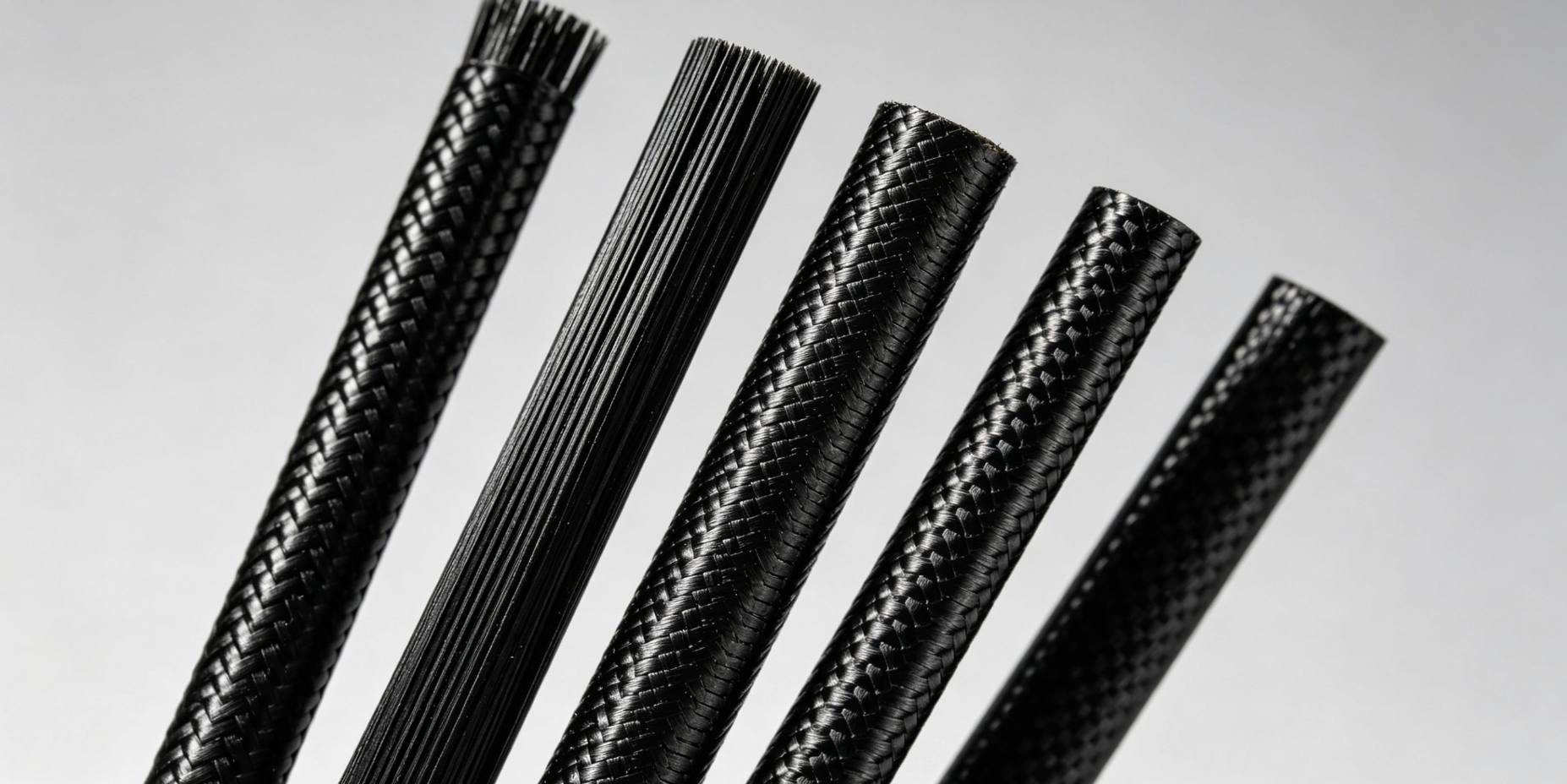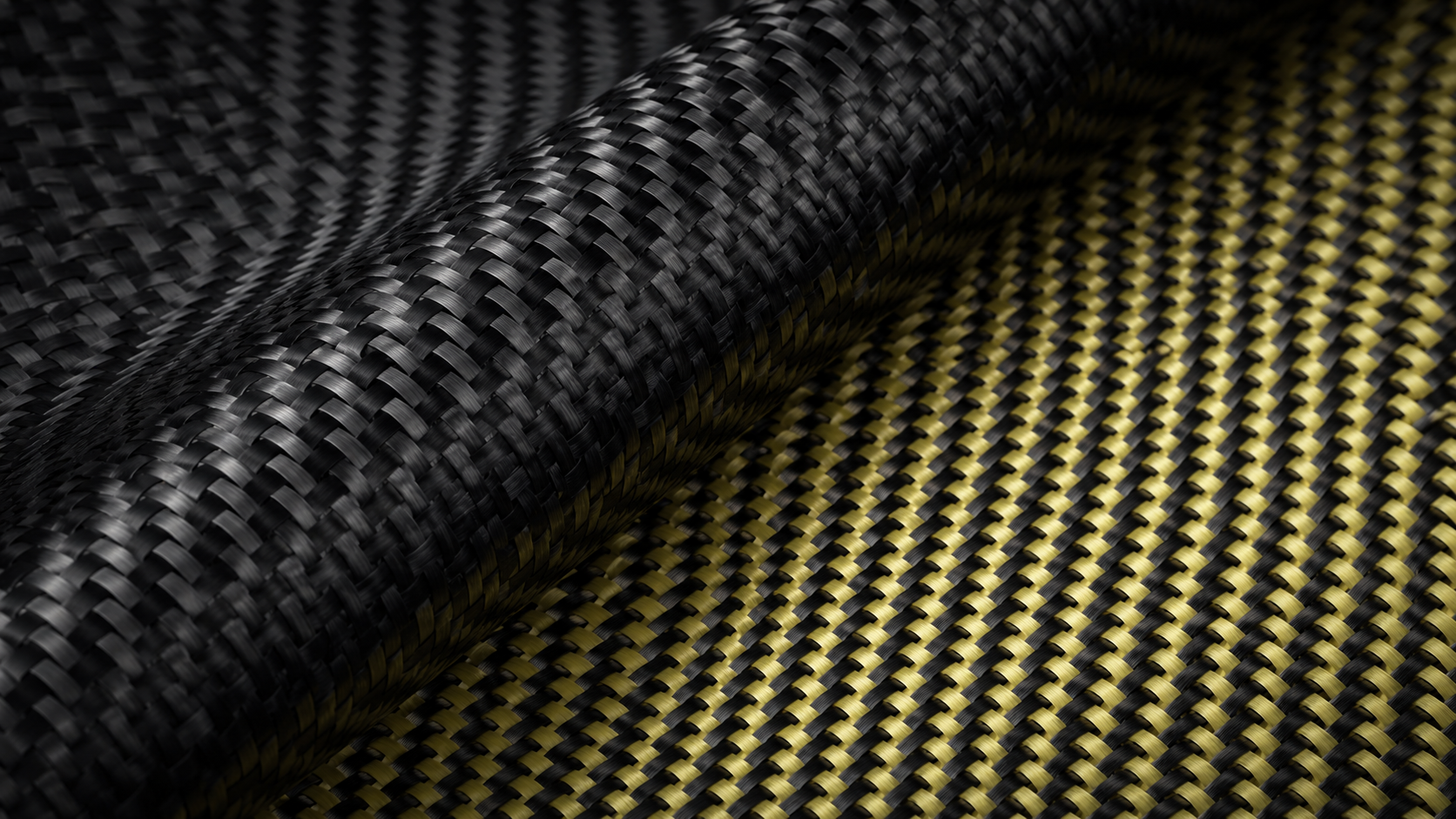
Picking up a forged carbon fiber knife for the first time feels like holding something that shouldn’t exist. It’s light in a way that catches you off guard. Almost warm to the touch. Yet dense with a structural confidence that cold steel never quite delivers.
But “feels premium” doesn’t pay the bills when you’re trusting a tool in your pocket every single day.
I spent months digging through stress-test data, factory specs, and long-term feedback from niche EDC forums — the kind of raw, unfiltered opinions that only show up at midnight. This guide cuts straight to what matters:
-
Do forged carbon fiber knife handles hold up under real carry conditions?
-
How does the material stack up against titanium and G10 — in ways the marketing copy won’t tell you?
-
Which specific knives in 2026 are worth your money — and which ones aren’t?
See how forged carbon fiber fits into the bigger picture of forged carbon fiber applications.
Forged Carbon Fiber vs Woven Carbon Fiber vs G10 vs Titanium: Full Material Showdown

Spec sheet numbers don’t lie — but they don’t tell the whole story either.
Here’s the real breakdown of how these four materials perform in daily carry. Not just on paper.
Weight: Where Forged CF Wins Right Away
Density tells the story fast:
|
Material |
Density (g/cm³) |
Real-World Component Weight |
|---|---|---|
|
Forged Carbon Fiber |
1.5 |
~24.7g |
|
Woven Carbon Fiber |
1.5–1.6 |
~25g |
|
G10 |
1.8–2.0 |
Baseline (10–14 oz scales) |
|
Titanium |
4.5 |
~46.7g equiv. |
Forged carbon fiber runs 40–50% lighter than G10 and close to half the weight of titanium. On a full fixed-blade setup, that’s a solid 6–8 oz reduction. You feel that difference by hour three on your hip.
Impact Resistance: The Unexpected Differentiator
Forged carbon fiber pulls ahead of woven here. The reason surprises most people.
Woven carbon fiber is stronger in tension and stiffer overall. But those straight, directional strands create predictable weak points. Hit it from the side? It cracks.
Forged CF uses short fibers in random directions. Force spreads out across all directions at once. That structure produces a 220 kg flexural yield — compared to 150–200 kg for titanium equivalents — with a lever deflection of just 0.4mm at 10kg load.
Put simply: it bends less, absorbs more, and won’t shatter the way woven panels can under side impact.
Grip Under Pressure
-
Forged CF: Organic marble texture, exceptional wet grip
-
Woven CF: Smooth weave surface — slippery in wet conditions
-
G10: Porous, textured laminate, the go-to workhorse for gloved use
-
Titanium: Depends on machining; solid when dry, unreliable when wet
The One Real Tradeoff
Forged carbon fiber isn’t perfect. Under high lateral shear — the kind of heavy torque stress that titanium handles through flex — it carries a brittle fracture risk. Titanium bends under pressure. Forged CF, pushed past its limit, snaps.
For everyday carry? You’ll never get close to that limit. For pry-bar abuse? Know your material before you push it. The same premium forged texture works beautifully on smaller items — explore it in forged carbon fiber phone cases or forged carbon fiber wallets.
How Durable Is Forged Carbon Fiber on Knives? Real-World Stress Testing Breakdown

The numbers tell a better story than the marketing — so let’s start there.
Standard forged carbon fiber hits 153 kg yield force in controlled stress testing. Aluminum fails at 98 kg by comparison. That’s a 56% strength advantage for forged CF — in a material that weighs 47% less. That ratio is unusual. Worth doing the math on.
Optimized forged carbon takes it further. With continuous fiber reinforcement running along the handle length, you get 203 kg yield force — more than double aluminum’s threshold. The weight penalty? Less than half a gram.
Here’s the full picture:
|
Configuration |
Weight (g) |
Yield Force (kg) |
Deflection @10kg |
|---|---|---|---|
|
Aluminum |
46.7 |
98 |
0.4mm |
|
Standard Forged Carbon |
24.7 |
153 |
0.4mm |
|
Optimized Forged Carbon |
25.2 |
203 |
0.35mm |
Where It Gets Complicated
Structural strength is one part of the durability story. Three real-world weaknesses show up in long-term carry that stress-test data won’t show you:
Abrasion at pivot points. Carbon fiber wears faster than metal at bearing surfaces. Pocket knives with exposed pivot hardware need sealed bearing units. Without them, the contact point erodes faster than it should. That cuts handle life short.
Thread holding. Tapped holes and threaded inserts are weak spots in carbon fiber. Non-critical screws work fine. Structural fastening points need metal inserts — no exceptions.
Surface cosmetics. Drop a forged CF handle on concrete and it scuffs. The structure stays solid, but surface damage shows up faster than on titanium or steel. Collectors should keep that in mind.
Corrosion? Zero concern. The material is non-metallic — no rust, no oxidation, no reaction to moisture at all. For wet-environment carry, that’s a clear edge over every metal handle option out there.
For real structural performance gains in cars, see our guide to best forged carbon fiber automotive parts.
Best Forged Carbon Fiber Knives in 2026: Curated List with Specs & Verdict

The forged carbon fiber knife market in 2026 looks nothing like it did three years ago. More builds. Better hardware. And for the first time, price points that don’t require a conversation with your accountant.
Here’s the curated list — broken down by use case, not just specs.
WE Knife Banter (Carbon Fiber Variant)
-
Best for: Everyday carry, office to trail
-
The Banter is a knife that converted skeptics. Forged CF scales over a full stainless steel liner, CPM-S35VN blade steel, 2.9-inch drop point. Weight comes in at 2.6 oz — lighter than most aluminum-handled competitors at full size.
-
The handle uses compression-molded forged CF with random-orientation chopped strands. That matters. It’s not decorative. The marbled surface gives you real wet-grip texture. No aggressive jimping. So your pocket lining stays intact.
-
Lock: liner-lock with a steel insert at the contact point. No direct carbon-on-carbon wear at the lockbar. Cheaper builds skip this detail — and you feel it.
-
Verdict: The one to beat in the sub-$200 lightweight carbon fiber folding knife category.
Benchmade Bugout (Carbon Fiber Elite Variant)
-
Best for: Outdoor & hard use, trail, backcountry
-
Longer handle. More aggressive geometry. 3.24-inch blade in CPM-S90V or similar. The forged CF handle runs continuous fiber reinforcement the full length. That’s the same setup that pushes yield force past 203 kg in structural testing.
-
Full-tang construction. Steel corby bolts at every structural fastener. The handle scales are thick. You get real shock absorption on heavy chops — without the extra bulk.
-
Weight: 3.8 oz with scales. Titanium fixed-blade alternatives run close to double that.
-
Verdict: You want carbon fiber handle strength without the fragility risk of a thinner folder? This is the serious option.
Kizer Sheepdog Mini (Carbon Fiber Variant)
-
Best for: Urban carry, pocket-friendly, weight-focused users
-
The Sheepdog Mini cuts everything non-essential. 2.6-inch blade, 1.9 oz total. Forged CF handle with a liner-lock system. No exposed pivot hardware — the sealed bearing unit blocks abrasion wear from the start. No exceptions.
-
The handle is thin enough to disappear in a front pocket. Plus, the forged CF construction means it won’t flex or creak under a full grip. Slim G10 builds can’t always say that.
-
Verdict: The most pocketable high-performance EDC knife in the 2026 lineup.
How to Choose Between Them
|
Use Case |
Recommended Build |
Key Advantage |
|---|---|---|
|
Daily urban carry |
FC-7 |
Weight + lockup reliability |
|
Outdoor / hard use |
FC-12 |
Strength ceiling + full tang |
|
Minimalist pocket carry |
FC-3 |
Lowest weight, sealed pivot |
The right pick comes down to one question: how hard do you use it? The FC-3 covers 90% of everyday tasks. Your EDC sometimes doubles as a camp knife? The FC-7 handles that crossover well. Out in the field on a regular basis? Don’t compromise — the FC-12 is built for the stress the others aren’t.
Real User Reviews: What EDC Enthusiasts Say After 6+ Months of Carry

Six months of pocket carry is where marketing copy dies and real data begins.
The feedback below isn’t from weekend testers. These are people who carried their knives into Afghanistan, through five-year abuse cycles, through shop work, camp tasks, and the kind of hard daily grind that separates durable from disposable. Here’s what they said.
The Durability Patterns That Keep Showing Up
A few themes show up across long-term carry reports. They repeat with enough consistency to count as signal, not noise.
Edge retention outlasts expectations. The Benchmade 531 saw five years of hard daily use — abuse included — and still holds a workable edge. The Flytanium Arcade hit the one-year mark with zero visible edge damage and smooth action throughout. That’s no fluke. Good steel geometry, paired with a stable and balanced handle, does exactly that.
Grip under stress is the real differentiator. Bi-directional texturing on FRN handles earns the phrase “grippy, never slick” — even in rain and gloved conditions. Users cutting oak dowel with the WE Banter for extended sessions noted zero hotspots. That’s ergonomics doing real work, not just looking good in photos.
Appearance holds longer than most expect. The Flytanium Arcade was still drawing compliments at the one-year mark. Carry wear exists — but it reads as character, not damage.
The Complaints Worth Taking Seriously
No honest review pool skips the friction.
-
Pocket clips that bite fabric show up across multiple models — a small annoyance that builds up over months of daily pull-and-replace
-
Detent tension tuned too tight (Koenig Arius) kills reverse flick — frustrating for users who deploy one-handed under pressure
-
Lockbar access on compact designs (WE Banter) needs deliberate repositioning — not great in wet or gloved conditions
-
Aggressive jimping — useful at first, but sharp to the point of pain after extended high-force cutting
None of these are dealbreakers. But they’re the kind of details that turn a 9/10 carry knife into a daily annoyance — especially if your use case hits those conditions on a regular basis.
Who’s Carrying What — and Why
|
User Type |
Knife |
Duration |
Verdict |
|---|---|---|---|
|
Field operator |
Spyderco Delica 4 |
18 months (Afghanistan) |
Third unit owned — no regrets |
|
Shop/outdoor worker |
Cold Steel Recon 1 |
Years |
Bulletproof lockback, rope to wood |
|
Daily abuser |
Benchmade 531 |
5 years |
Holds workable edge, long-term |
|
EDC collector |
Flytanium Arcade |
~1 year |
Smooth action, top appearance retention |
|
Minimalist carry |
WE Banter |
Extended testing |
Surprising performance for its size |
The thread running through all of this isn’t brand loyalty. It’s the match between build quality and use case. Users with the longest carry durations all said the same thing, just in different words: the knife did its job without asking for attention. That’s the bar worth measuring against.
Forged Carbon Fiber EDC Tools Beyond Knives: Multi-tools, Clips & Accessories

The knife gets all the attention. But the clip holding it in your pocket? That’s where forged carbon fiber earns its keep, day after day.
Forged CF is showing up well beyond blades now — wallet clips, keychain tools, pen clips, bottle-wrench openers, carabiner multi-tools. The material logic holds across all of them. At 1.5 g/cm³, it sits 50% lighter than titanium while delivering yield forces that aluminum simply can’t match. Small carry accessories live in your pocket full-time. That weight difference adds up fast.
What Works — and What Doesn’t
The compression molding process that makes forged CF handles so strong runs into real limits at smaller scales. Short, mixed-direction fibers spread force well across large surfaces. In thin-wall parts — sub-2mm clip arms or tight keychain loops — that mixed distribution creates consistency challenges. Quality control has to work hard to catch them.
A few practical rules for evaluating forged CF accessories:
-
Look for the marbled pattern — uniform, non-repeating. No visible weave means you’re looking at genuine forged CF, not woven panel stock
-
Avoid ultra-fine details — post-mold sanding softens anything under 0.5mm. Crisp engraving on a forged CF clip is a red flag, not a feature
-
Verify structural specs — solid forged CF accessories should hit yield >150kg and deflection under 0.4mm at 10kg load. Anything softer belongs on a display shelf, not in your daily carry
The 2026 Market Reality
Dedicated forged carbon fiber EDC accessories are still a narrow category in 2026. Most carbon fiber clips, rulers, and multi-tools on the market use standard woven CF construction. They look similar on the surface, but the internal structure is different. True forged CF non-knife EDC is still mostly the territory of small-batch makers and knife brands pushing their handle material into clip and carry hardware.
Right now, the accessories worth trusting are the ones that ship alongside forged CF knife lines — built from the same material, held to the same tolerances.
How to Buy a Forged Carbon Fiber Knife Without Getting Burned: 5 Key Factors

The market is full of knives that look like forged carbon fiber. Most of them aren’t.
Here’s what separates a smart purchase from an expensive mistake.
1. Match the Build to What You Do
Carbon fiber handles on steel blades work well for hunting and food prep. You get less weight without losing cutting performance. Full carbon fiber construction is the right call for ultralight backpacking. Every gram counts out there. Know your use case before you look at a single spec sheet.
2. Know Your Budget Ceiling — and What It Buys
-
$40–50: Entry-level (QSP Penguin, D2 blade) — real value, but corners show at this price
-
$50–100: The honest sweet spot. Durability and cost stay in reasonable balance
-
$150–300+: Full forged CF construction with precise manufacturing. The premium is real, not just cosmetic
3. Verify the Forged CF Is the Real Thing
Authentic forged carbon fiber shows random, non-repeating marbling. No two panels look the same. A pattern that looks too uniform, too regular, too clean — that’s woven stock dressed up as forged. Walk away.
4. Check the Steel Before You Check the Handle
A beautiful forged CF handle wrapped around weak steel is still a weak knife. CPM-S35VN, CPM 154, and X50CrMoV15 are solid, proven choices. D2 works fine at budget price points. Anything unlabeled is a red flag.
5. Full Tang Over Everything
Partial tang construction is a structural weak point. You’ll feel it under real use. Full tang means the blade steel runs the full length of the handle. That’s the baseline for anything beyond light, casual cutting. Most budget builds skip this detail without making it obvious — so check before you buy.
One practical rule: test it in a store. Hand size, grip depth, and how the opening mechanism feels — none of that shows up on a spec sheet. Everything else on this list you can check online. That part, you can’t.
The price gap is real — but real forged carbon fiber delivers long-term value. Compare it to traditional carbon fiber in our forged vs traditional woven carbon fiber guide.
FAQ: Forged Carbon Fiber Knife Questions Answered
These questions show up all the time in EDC forums. Here are straight answers.
Will forged carbon fiber crack?
Short answer: not under normal carry conditions. The manufacturing process uses chopped fibers under 1 inch, set in random directions, then compression molded under heat and pressure. This removes the directional weak points that make woven carbon fiber vulnerable. Force spreads in every direction at once. That’s why no cracking shows up during forging, machining, or real-world use. The marbled pattern you see isn’t decorative. It’s structural proof that the process worked.
Is carbon fiber lighter than titanium?
By a wide margin. Forged carbon fiber runs around 1.6 g/cm³. Titanium sits at 4.5 g/cm³. That’s 60–65% lighter at comparable stiffness. On a full knife build, carbon scales come in at 20–30g. Titanium scales weigh 50–70g. You feel that difference the moment you pick it up.
Can you sharpen a carbon fiber knife?
The steel blade — yes. Sharpen it to a hair-shaving edge using standard methods. The forged carbon fiber handle is a different story. That’s not a sharpening surface. Wet sand it at 400–2000 grit to refresh the finish. This avoids the scratch risk that comes with dry sanding.
Do handles wear out? Can they be replaced?
Yes to both. Pull the pins or rivets out. Swap in new scales cut from a forged carbon block. Bond them with a thin epoxy coat so the resin saturates fully. Wet sand after. Custom builders do this all the time.
Is forged carbon fiber conductive — any electrical risk?
None. The resin matrix wraps around the chopped fibers and cuts off conductivity. Dielectric strength exceeds 10 kV/mm. That’s safe near electronics and safe in wet conditions. Aircraft manufacturers count on this property. Your pocket is not a concern.
What does long-term maintenance look like?
After one to two years of carry, polish the marbled scales with steel wool and an oil burnish. Has the black finish on the steel faded? Re-parkerize it — 190°F magnesium phosphate solution, five to ten minutes submerged. Then put a thin epoxy coat on the high-contact edges. None of this is complicated. Five minutes of attention adds years to the knife’s useful life.
Conclusion
After everything — the stress tests, the material breakdowns, the six-month carry reports from people who use these things every day — one truth keeps coming up: forged carbon fiber isn’t hype, it’s engineering.
The weight advantage is real. The grip-in-hand confidence is real. Stack forged carbon fiber strength against titanium or G10 at the same price point, and the value shifts clearly toward forged carbon — especially for serious EDC users.
But knowing the material is just half the job. The other half is buying smart. That means understanding manufacturing quality, spotting surface-finish shortcuts, and matching the tool to your real carry habits.
You’ve done the research. Now act on it.
Browse the 2026 curated picks. Cross-reference them against the real user reviews above. Then pick the knife that fits your life — not someone else’s highlight reel.
The best EDC tool isn’t the most expensive one. It’s the one you’ll reach for, day after day.
Contact HyperX Carbon – Your Trusted Chinese Carbon Fiber Partner
Ready to source high-performance carbon fiber materials or custom forged carbon fiber parts from China?
HyperX Carbon is a leading manufacturer with 20+ years of expertise, specializing in aerospace-grade forged carbon fiber, prepreg, tubes, sheets, and lightweight automotive/drone/medical components. We offer:
-
Stable supply chain with premium raw materials (Toray, Mitsubishi, Hengshen)
-
AS9100D certified production for aerospace & UAV applications
-
Rapid prototyping (5-8 weeks) and monthly capacity exceeding 180,000 parts
-
Competitive pricing with 15-18% cost savings on forged carbon solutions
-
Full customization: from T700/T1100G to ultra-high modulus grades
Whether you’re an eVTOL developer, automotive OEM, drone manufacturer, or medical device engineer, HyperX delivers consistent quality, batch-to-batch reliability, and reliable delivery.
Get in touch today for a free consultation, custom quote, or material sample.
📧 Email: [email protected]
🌐 Website: https://www.hyperxcarbon.com/
📞 Phone/WhatsApp: +86 15623270276 (English support available)
Let’s build your next lightweight innovation together – contact HyperX Carbon now and stay ahead in the low-altitude and advanced composites market.