Picking the wrong vinyl wrap costs real money. 3M carbon fiber wrap carries premium prices in 2026 — so you need more than a brochure before you buy.
The 2080 series has built a strong fan base among serious enthusiasts. But it’s also picked up honest criticism from real installers and everyday drivers. These are people who’ve run it through heat cycles, car washes, and two full winters.
This review skips the marketing fluff. We test texture realism, how well it conforms to compound curves, and long-term durability from real-world reports. You’ll also see how the 3M 2080 CF12 compares to solid competitors like Avery SW900 and Oracal 975.
Pricing out a full hood wrap? Not sure if DIY installation is a smart move? Everything you need to make a solid decision is right here.
For a complete overview of all carbon fiber wrap types, benefits, and applications, start with our Ultimate Carbon Fiber Wrap Guide 2026. If you’re leaning toward a DIY approach, our DIY Carbon Fiber Wrap Tutorial: Step-by-Step for Beginners walks you through the full process with zero-fail tips and common pitfalls to avoid.
What Is the 3M 2080 Series Carbon Fiber Wrap? (Quick Verdict for 2026 Buyers)

The 3M 2080 Series sits in the mid-to-premium tier. In 2026, it’s still the benchmark most DIY installers measure everything else against.
Two variants dominate current stock: CFS12 (Black Carbon Fiber) and CFS201 (Anthracite Gray). Both run 3.5 mil thick and come in 60-inch widths. You also get an 8-year vertical surface warranty on each. Expect to pay $500–$800 for a 5×25ft roll through retailers like Rvinyl and Metro Restyling.
The built-in technology makes a real difference. Controltac™ lets you slide, reposition, and lift the film back up mid-install. No wet application. No specialist tools needed. Comply™ air-release channels push out bubbles as you squeegee down — so you won’t fight trapped air pockets.
Quick 2026 verdict: Buy it if DIY ease and long-term durability are your top priorities. Skip it if your budget is under $300 or you need professional-grade gloss — the 3M 3080 series fills that gap better.
3M 2080 Carbon Fiber Wrap Full Specifications Breakdown

The numbers behind this film tell a more complete story than any showroom photo.
The CFS12 (Black Carbon Fiber) measures 3.5 mil without adhesive. Add the adhesive layer and it steps up to 4.5 mil. That’s cast vinyl with dual-layer construction. It’s not the cheaper calendered material that distorts under heat and cold.
Key specs at a glance:
|
Spec |
Detail |
|---|---|
|
Film thickness |
3.5 mil / 4.5 mil (with adhesive) |
|
Roll size |
60 in × 25 yd |
|
Adhesion technology |
Controltac™ + Comply™ air-release |
|
Install temp minimum |
61°F (16°C) |
|
Operating range |
-61°F to 225°F |
|
Warranty (vertical) |
Up to 8 years |
One note on coverage: a single roll covers 1,500 sq ft. A full sedan wrap needs 1.3–1.7 rolls. SUVs push that to 2.1 rolls. Do the math before you order so you’re not short mid-project.
The 61°F install minimum is a real constraint. In northern US climates, that cuts out three to five months of usable installation time — November through March. Plan your project around that window. Start too late in the season and you’re fighting the film from day one.
How Does the Carbon Fiber Texture Look & Feel? Realistic or Fake?

Here’s the honest answer most review sites won’t give you: the 3M 2080 carbon fiber wrap looks convincing at arm’s length. Up close, it looks less convincing.
That’s not a knock — it’s the reality of every vinyl wrap on the market in 2026.
What You See
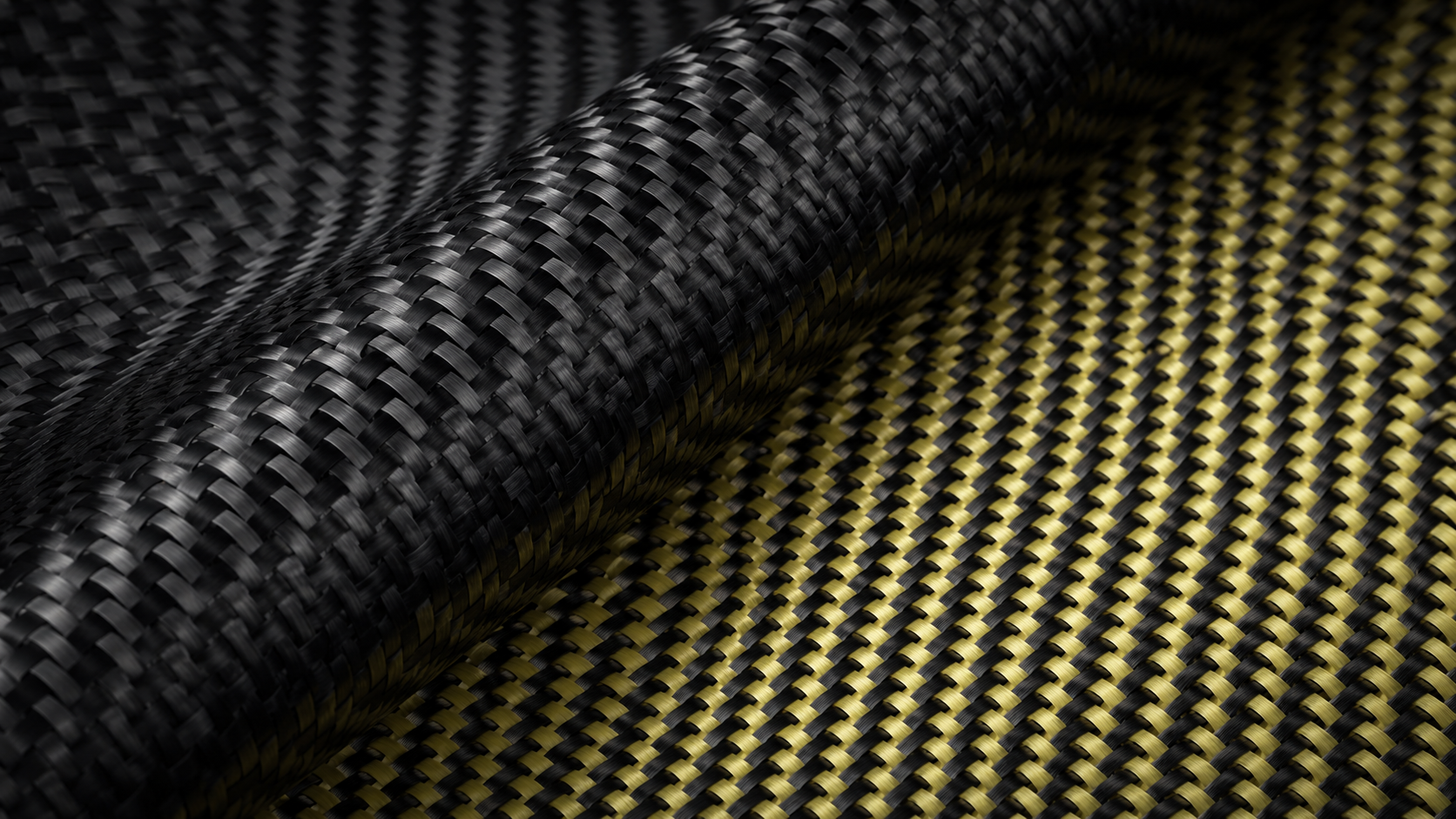
Real carbon fiber does something printed vinyl can’t match. Light shifts as you move around it. A genuine 2×2 twill weave bends light through a clear resin layer. This creates real depth that changes with your viewing angle.
The 3M CFS12 pattern is clean and consistent. Under direct angled light, though, it reads flat. The texture is printed, not woven. No resin layer bends light beneath the surface.
Run a fingertip across real carbon fiber and you feel the fiber-resin interface. On the vinyl wrap texture finish, you feel a smooth embossed surface. It looks right. It doesn’t feel the same.
Where It Wins
Standing five feet from a wrapped hood? Most people can’t tell the difference. The pattern geometry is accurate. The gloss level is well-calibrated. On dark base colors, the CFS12 reads as a premium finish — and it holds up well in that context.
Bottom line: This is a high-quality imitation — not a perfect one. Buy it for the aesthetics-to-cost ratio, not to fool carbon fiber enthusiasts at a car show.
If you’re curious about the real differences between forged carbon fiber and traditional 3D/5D patterns, check out our detailed breakdown in Forged Carbon Fiber Wrap Explained.
3M 2080 Carbon Fiber Wrap Pros: Where It Outperforms the Market

Six years of market competition haven’t knocked this film off the top spot. That’s not brand loyalty talking — it’s performance.
The 3M 2080 earns its price tag in specific, measurable ways. Here’s where it pulls ahead.
The Installation Technology Is Different
Controltac™ changes what’s possible during a DIY install. The adhesive stays low-tack until you press down. So you can slide the film, lift it back up, and reposition it. No destroyed adhesion. No ghost marks left behind. Most budget films give you one shot. This one gives you several.
Pair that with Comply™ air-release channels and bubble removal becomes a mechanical process — not a test of skill. The channels push air out as you squeegee across the surface. No wet application needed. No heat gun on standby. The film does the work for you.
Conformability That Handles Real Vehicle Geometry
The 2080 series beats its predecessor — the 3M Scotchprint Wrap Film Series 1080 — on stretch and curve performance. It handles compound curves, tight channels, and concave panels. The film conforms cleanly without creasing or lifting. That’s not marketing copy. Installers who run both films back-to-back notice the difference on hood edges and door jambs.
The Warranty Has Real Teeth
Up to 8 years on vertical surfaces, backed by 3M’s MCS™ warranty program. That covers yellowing, bubbling, and cracking. Those are the three failure modes that kill cheaper films in years two and three. Desert Southwest climates get a reduced term. Everywhere else, you get solid, legitimate coverage.
No Overlaminate Required
The carbon fiber wrap UV resistance is built directly into the film. That cuts one full product cost and one full installation step. Cheaper competitors often need a separate protective layer on top to reach the same lifespan. With the 2080, you skip that entirely.
3M 2080 Carbon Fiber Wrap Cons: Real Problems Owners Report

No film this popular avoids real-world punishment. The 3M 2080 has collected plenty of honest complaints.
These aren’t edge cases. The same issues show up across installer forums, Reddit threads, and YouTube comment sections. You’re spending $500–$800 on a roll. Know what you’re getting into first.
The Scratch Problem Is Worse Than the Spec Sheet Suggests
The 2080 carbon fiber finish scratches easily. A standard squeegee during installation can mark the film before you finish the job. You need a high-density felt squeegee or a covered 3M PA1-G applicator. Regular tools leave traces.
The bigger issue: scratches don’t heat out. A genuine gouge in the 2080 carbon fiber texture means full panel replacement. Minor distortions on standard cast vinyl can sometimes be fixed — not here. There’s no recovery option. That adds real cost over time.
Adhesive and Finish Defects — A Real Enough Problem That Installers Switched Brands
This isn’t theoretical. Several professional installers have documented adhesive failures and finish defects tied to recent 2080 production runs. The problems were serious enough that some shops switched to KPMF as their go-to film. Pros vote with their purchasing decisions. That tells you something.
Matte and satin variants carry extra risk too. Overstretching or overheating causes irreversible gloss-out. The sheen changes for good. There’s no fix after that point.
Maintenance Is Demanding
Skip automatic car washes completely. The carbon fiber wrap longevity you’re paying for requires hand-washing only. Use hot soapy water, a 70% IPA/30% water solution, or Simple Green. Fuel spills need attention right away. Salt and road grime need a water rinse, then lint-free microfiber drying.
For Carbon Fiber Black, 3M recommends Meguiar’s Ultimate Black Plastic Restorer to keep the finish looking right. That’s one more product and one more step every single time you clean the car.
Removal and Replacement Aren’t Clean Processes
Get a professional to remove it. Heat and chemicals are needed to release the adhesive, and residue cleanup requires 3M Citrus Base Cleaner. DIY removal risks paint damage — this risk is higher on older factory finishes.
Replacement sections bring another problem that rarely gets mentioned: manufacturing lot variation. New film ordered months or years after the original install will differ in shade, gloss level, and how it ages. Panels wrapped at different times won’t match each other. On a partial rewrap, that mismatch is easy to spot.
The Price Has Moved in the Wrong Direction
The 3M 2080 already sat above Avery Supreme and Oracal 970 on price. Recent price increases have pushed that gap wider. For buyers tracking cost-per-square-foot, the value math has shifted — and it hasn’t shifted in 3M’s favor.
Real Owner Feedback: What Buyers Are Saying in 2025–2026

Forums don’t lie. In 2025–2026, owners have been loud about the 3M carbon fiber wrap.
Check r/vinyl_wraps, WrapForum, or YouTube comment threads on full car builds — the same names keep coming up. The 2080 series earns real loyalty. It also earns real frustration. Sometimes both, from the same person, on the same install.
What Satisfied Owners Keep Saying
Installation is where the 3M gets the most praise. DIY installers with no professional background report clean, bubble-free results on their first try. That’s not luck. That’s the Comply™ air-release channels doing the job they’re built for.
Owners on two- and three-year-old wraps report solid color retention. The carbon fiber wrap UV resistance holds up far better than budget alternatives applied the same season. You’ll find side-by-side aging photos scattered across forum threads — the difference shows up clearly.
Where Owners Push Back
Scratch complaints come up the most. Several buyers report surface marking during their own install — before the job was even done. The vinyl wrap texture finish on carbon fiber variants is less forgiving than solid colors. It shows marks that a flat or gloss film might hide.
A big complaint from 2025: lot-to-lot color variation. Order a replacement roll to patch a damaged panel, and you’ll likely see a visible shade mismatch. There’s no fix for this short of rewrapping the full panel.
Price frustration keeps coming up. Long-term fans agree the film is worth it — but they’re quick to point out that recent price increases make that harder to justify against Avery SW900 alternatives. The value math used to be easier to defend.
The overall verdict: high-quality product, demanding ownership experience, and a price point that needs a solid reason to buy.
3M 2080 vs Avery SW900 vs Oracal 975: Carbon Fiber Wrap Comparison

Three brands. One decision. Most buyers don’t notice the key differences until after they’ve already committed.
|
Dimension |
3M 2080 |
Avery SW900 |
Oracal 975 |
|---|---|---|---|
|
Thickness |
~6 mil, flexible |
Cast vinyl |
PU-coated build |
|
Air Release |
Controltac™ + Comply™ |
Easy Apply egress |
Rapid air release |
|
Warranty |
Up to 8 years |
5–7 years |
5–7 years |
|
Texture Realism |
Clean pattern, reads flat up close |
Semi-gloss, authentic feel |
Honeycomb texture, sharp and lifelike |
|
Price per Roll |
Highest |
Mid-range |
Most affordable |
|
DIY Success Rate |
~70–80% |
~85–90% |
~80–85% |
Where Each Film Wins
3M 2080 has the largest certified installer network in the world. Filing a warranty claim is simple and direct. The Controltac™ repositioning system helps first-timers get started. But the film is thin. It scratches mid-install, and that early confidence disappears fast. The brand name still carries real weight. The price hikes in recent years make that weight harder to justify.
Avery SW900 is the smart pick for DIY newcomers. The Easy Apply air egress system is more forgiving than 3M’s. You get fewer bubbles, fewer tools needed, and fewer ruined panels. At 85–90% first-try success on curves, it leads this group. The semi-gloss carbon texture also looks more convincing up close than the 3M version.
Oracal 975 leads on durability and texture realism. The PU coating fights off fading and cracking longer than either competitor. The honeycomb carbon pattern still looks sharp even at close range. It’s also the most affordable of the three. On pure value, it’s tough to argue against.
The Bottom Line by Buyer Type
-
Best overall durability + realism: Oracal 975
-
Best for DIY first-timers: Avery SW900
-
Best installer network + warranty support: 3M 2080
The 3M brand still commands loyalty. But in 2026, both Avery and Oracal have closed the performance gap — and widened the price gap in their favor.
How Long Does 3M 2080 Carbon Fiber Wrap Last? Durability & Maintenance Guide

Eight years. That’s the number 3M prints on the warranty card — and it holds true for vertical surfaces. But warranty language and real-world lifespan are two separate things.
Where your wrap sits on the car matters more than any spec sheet.
Surface-by-surface breakdown:
– Hood and side panels (vertical): 8-year warranty; garage-kept cars reach 5–7 years, daily drivers land closer to 3–5
– Roof (near-horizontal): warranty drops to 3 years; real-world range is 2–4 years in direct sun
– Side skirts: 8-year warranty; 5–7 years on low-use vehicles, 3–5 on fleet or daily drivers
Hot climates cut everything short. Florida and Arizona daily drivers average 2–3 years before visible degradation shows up. Mild-climate garage cars often reach 6–7 years. Dark carbon fiber finishes fade about twice as fast as light colors — UV hits them harder and faster.
How to Hit Those Numbers
Maintenance isn’t optional — it’s the one factor that separates a 4-year wrap from a 7-year one.
-
Weekly hand washing extends lifespan by 1–2 years over neglected film
-
Garage parking adds 2–3 years compared to street-parked daily exposure
-
Ceramic coating adds 1+ years of UV and dirt protection
-
Automatic car washes void your warranty — bristles scratch carbon fiber texture on contact
Removal: Do It Before the Clock Runs Out
Clean removal needs a heat gun set to 120–140°F, a plastic squeegee, and isopropyl alcohol for adhesive residue. Heat the edges, peel at a 45° angle, then clean the residue right away.
Push past the 8-year mark and the adhesive hardens. You’re then looking at 160°F heat, professional-grade removers, and up to $500–$8,000 in paint correction if things go wrong. Pull the wrap on schedule. Waiting costs you real money.
3M 2080 Carbon Fiber Wrap Price Guide: Is It Worth the Premium in 2026?

The math on 3M 2080 pricing is simpler than most buyers expect.
A full 60-inch × 75ft roll runs ~$77 through retailers like WrapMogul. Material cost breaks down to $0.17–$0.21 per square foot — very low for a cast vinyl with an 8-year warranty. A hood-and-panel wrap needs 1–2 rolls. That puts material spend at $77–$154.
Not sure about color? A 12×12-inch sample costs $5. Order one before committing to a full roll — monitor screens lie about shade.
DIY vs. professional installation changes the numbers fast:
-
DIY total: ~$130–$200 (material + basic tools)
-
Professional labor: $500–$2,000+ based on vehicle complexity
Against a repaint, the value case is clear. Paint lasts 3–5 years and is permanent. The 3M wrap lasts up to 8 years. It protects the factory finish underneath. Pull it off clean when you’re done.
The honest verdict: At $77 per roll, the material cost isn’t the issue. The real question is the labor bill — and whether your climate and maintenance habits will hold up for those full 8 years.
FAQ: Most Asked Questions About 3M Carbon Fiber Wrap (Featured Snippet Targets)
Installers ask the same questions. Here are straight answers.
How long does 3M 2080 carbon fiber wrap last?
Vertical surfaces get an 8-year warranty under 3M’s MCS™ program. That covers yellowing, bubbling, and cracking. Horizontal surfaces — roof, hood — drop to 5 years for carbon fiber variants. Misuse and collision damage fall outside the coverage.
Can I install it myself?
Yes. The 3.5 mil cast film uses Controltac™ + Comply™ air-release channels, so you can reposition it dry without trapping air. One hard rule: surface and air temperature must hit at least 61°F (16°C). Go below that, and the adhesive fails. Bubbles follow.
How do I spot fake 3M film?
Start with the SKU. Genuine 3M 2080 CF12 has a gray adhesive layer, Comply™ channels you can’t see, and comes on a seamless 60-inch roll. No MCS™ warranty card? It’s not the real thing.
What’s the difference between 2080 and 1080?
The 3M Scotchprint Wrap Film Series 1080 has a single cast layer. The 2080 uses a dual-layer build. You get better stretch, lower initial tack, and stronger results on compound curves and deep recesses. For complex installs, the 2080 handles more.
Will removal damage my paint?
Controltac™ adhesive pulls off clean. Use a heat gun and peel at 45°. Past the 8-year mark, the risk goes up. The adhesive hardens over time. At that point, you may need a professional to extract it — and possibly pay for paint correction too.
Conclusion
The spec breakdowns, real owner stories, and side-by-side comparisons all point the same direction. 3M 2080 carbon fiber wrap isn’t the flashiest option on the shelf. But it’s the one that still looks good three years later.
The texture won’t fool a carbon fiber purist up close. The price will make budget buyers flinch. Still, this wrap installs with consistency. It holds its edge through summer heat and winter grime. Plus, 3M’s brand backing means you have real support if something goes wrong. That’s why the 2080 series stays at the top.
Still weighing your options? The comparison table above gives you a fast, clear look at how it stacks up. Made your decision? Find a 3M authorized installer or grab the right roll and get started.
The best wrap job is the one you finish. Make it count.
Contact HyperX Carbon – Your Trusted Chinese Carbon Fiber Partner
Ready to source high-performance carbon fiber materials or custom forged carbon fiber parts from China?
HyperX Carbon is a leading manufacturer with 20+ years of expertise, specializing in aerospace-grade forged carbon fiber, prepreg, tubes, sheets, and lightweight automotive/drone/medical components. We offer:
-
Stable supply chain with premium raw materials (Toray, Mitsubishi, Hengshen)
-
AS9100D certified production for aerospace & UAV applications
-
Rapid prototyping (5-8 weeks) and monthly capacity exceeding 180,000 parts
-
Competitive pricing with 15-18% cost savings on forged carbon solutions
-
Full customization: from T700/T1100G to ultra-high modulus grades
Whether you’re an eVTOL developer, automotive OEM, drone manufacturer, or medical device engineer, HyperX delivers consistent quality, batch-to-batch reliability, and reliable delivery.
Get in touch today for a free consultation, custom quote, or material sample.
📧 Email: [email protected]
🌐 Website: https://www.hyperxcarbon.com/
📞 Phone/WhatsApp: +86 15623270276 (English support available)
Let’s build your next lightweight innovation together – contact HyperX Carbon now and stay ahead in the low-altitude and advanced composites market.