Choosing the wrong carbon fiber wrap color isn’t just a cosmetic mistake. It’s something you’ll notice every single time you back out of the driveway. Black disappears on dark paint. Red on the wrong body kit reads aggressive — and not in a good way. And that gold accent you saw on Instagram? It either looks like a million-dollar build or a total disaster. There’s rarely anything in between.
Knowing why a color works matters more than knowing that it works. That’s the real difference between a clean build and an expensive regret.
This guide covers every major carbon fiber wrap color available in 2026. You’ll find everything from the classic stealth of glossy carbon fiber wrap in black to the bold drama of iridescent purple. Each section helps you match the right finish, texture, and tone to your specific build — before you commit.
For a complete overview of all carbon fiber wrap types, benefits, and applications, start with our Ultimate Carbon Fiber Wrap Guide 2026. If you’re leaning toward a DIY approach, our DIY Carbon Fiber Wrap Tutorial: Step-by-Step for Beginners walks you through the full process with zero-fail tips and common pitfalls to avoid.
Black Carbon Fiber Wrap: The Stealth Standard

Black carbon fiber wrap doesn’t announce itself. That’s the whole point.
Among all carbon fiber wrap colors, black stands out for one reason nothing else can match: UV pigment stability. Red fades. Yellow fades. Light green fades fast. Black holds — and on a matte or semi-satin finish, it holds for 5 to 7 years exterior. Panels that stay out of direct equatorial sun can last even longer.
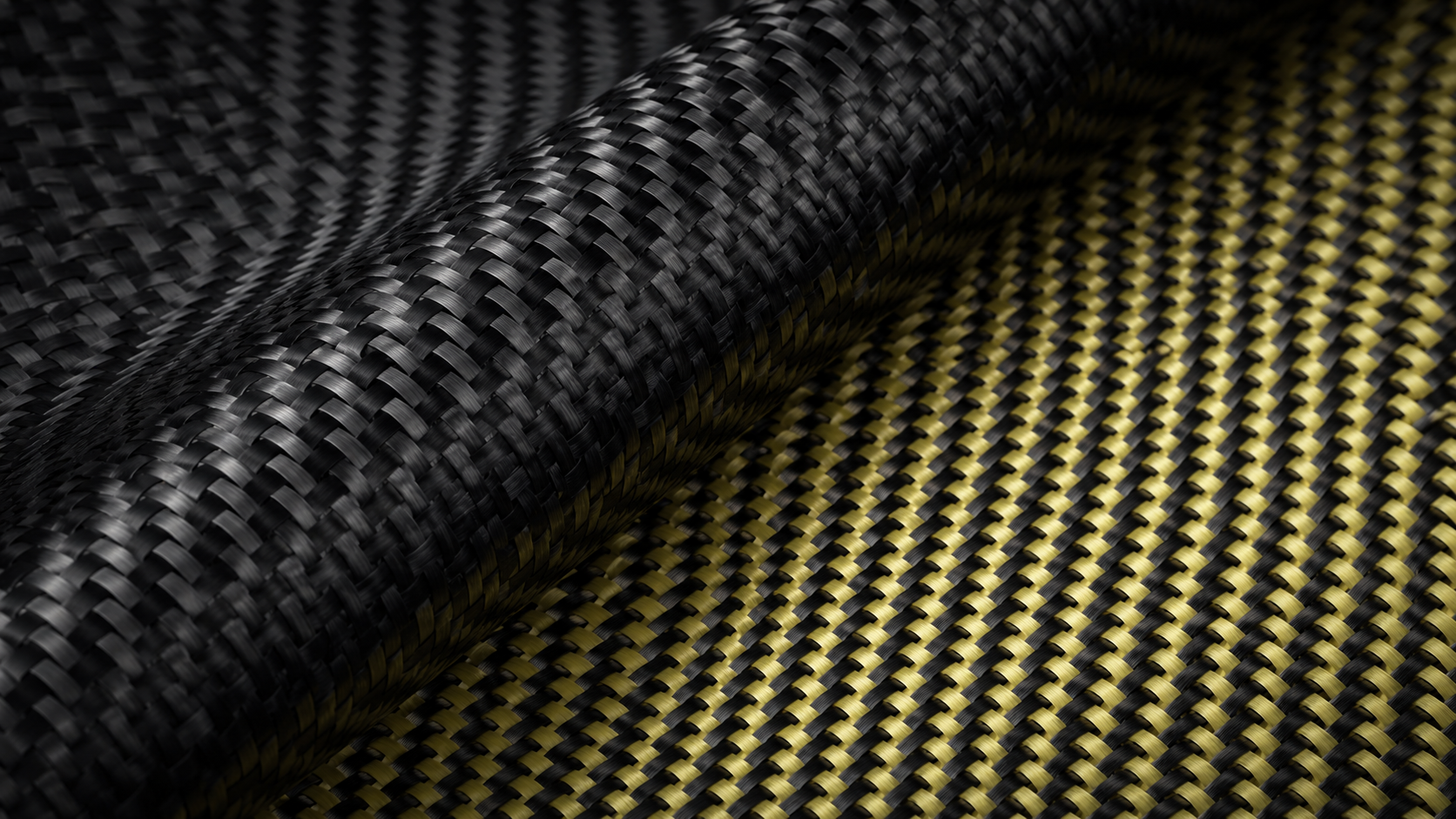
Light and conditions change how it looks. In direct sunlight, matte black carbon fiber wrap absorbs light instead of bouncing it back. You get flat, stealth depth with zero hot spots. At night, the texture drops away. The profile reads as factory-dark from any distance. In shade or indoors, the woven pattern creates soft shade variation. It looks like real dry carbon — no printed lines, no fake sheen.
That texture is what separates good from bad. Premium PET-based black wraps produce real 3D carbon fiber reflection — light actually moves across the weave as you shift your angle. Cheap dye-printed versions look flat no matter where you stand. They also start lifting within a season.
Material estimate for a full stealth conversion:
– Sedan or coupe: 52–59 ft (16–18 m)
– SUV: 55–65 ft (17–20 m)
– BMW M2 partial (spoiler, roof, mirrors): 6–8 pieces
Entry pricing starts around $5.57 for 50cm × 600cm. Standard rolls at 1.52 × 18m cover most full wraps with no trimming issues.
Red Carbon Fiber Wrap: Aggression Meets Metallic Shine

Red does something the other colors don’t. Tilt a gloss red carbon fiber wrap panel at 15–45 degrees and it shifts — deep crimson one second, chrome-edged the next. That’s not a trick of the light. The clear protective layer sits over a reflective red carbon texture. It creates a dynamic shift no matte finish can match.
Matte Red Forged caps out at 5–30 GU. Static, purposeful depth. Gloss variants push toward 95–110 GU — the metallic aggression range most performance drivers are after.
There’s a tradeoff worth knowing. Red pigment degrades faster than black or grey under UV. Real-world lifespan: 3–5 years exterior versus 5–7 for darker colors (ASTM D4329-13A, Gray Level 4–5). Two habits close that gap fast. Covered parking cuts UV exposure by 70–80%. A ceramic coating post-installation adds solid protection. Stick to pH-neutral cleaners — no wax, no solvents.
Two pairings that work:
– Red on white — hood and roof stripes at 50% coverage. Track-ready without looking like a costume.
– Red on black — spoiler and mirrors at 30% coverage. The contrast adds edge without overwhelming the body.
Material budget: partial builds start around $90. Full sedan coverage runs closer to $2,500, using a standard 1.52 × 17m roll.
White Carbon Fiber Wrap: Clean Aesthetic with Heat-Reflective Performance

White carbon fiber wrap pulls off something most finishes can’t — it looks expensive without any extra effort.
The woven texture sits under a high-gloss laminate. Think of it like a clear coat: it protects the pattern below and adds real 3D depth you can see. Go with a 5D carbon fiber wrap variant that includes metallic flake, and that depth picks up a shimmer layer. Most people think it’s real dry carbon from a factory build.
Where it performs beyond aesthetics:
-
Shields paint from stone chips, UV damage, and chemical exposure
-
Reflects more solar heat than black or dark-tinted finishes — a real plus in hot climates like South Florida
-
Avery Dennison SW900 white carbon uses Easy Apply RS™ technology — repositionable, bubble-free, and no overlaminate needed before install
The 60-inch roll width covers the hood and roof in one piece. No seams, clean edges all the way across.
Pairing note: White carbon fiber wrap looks sharpest on dark body colors — black, navy, deep grey. The contrast brings the texture out. On silver or pearl white base paint, it blends in rather than stands out.
Keeping it clean is easy. Use a pH-neutral cleaner, skip the solvents, and check for water buildup at seam edges in humid conditions.
Blue Carbon Fiber Wrap: Dynamic Color Shift for Coupes

Blue doesn’t just sit on the surface. It moves.
In low-angle sunlight, a gloss blue carbon fiber texture wrap reads deep sea — almost navy, almost serious. Tip the panel toward overhead light and it jumps to electric light blue. Under angled artificial light at night, it shifts into something closer to a starry sky. That’s not a paint effect. Tiny light-reactive particles bend light at different angles. You get three to five distinct hues from a single sheet.
Blue is leading coupe builds in 2026. It holds a projected 25% market share in color-shift carbon wraps. And 85% of buyers are performance mod enthusiasts aged 25–40. That’s a very specific crowd — and blue speaks their language.
Body color compatibility:
– Black — 10/10. The carbon texture goes deeper. The forged pattern locks in tight with no visible breaks
– Silver — 9/10. The metallic base pushes the gloss blue shimmer even further
– White — 8/10. You get a bold holographic pop that holds up in direct daylight
The 30% stretch rating lets this wrap sit flat over sharp coupe curves — hood, roof, spoiler — in a single 60-inch sheet. No seams. No breaks in the aerodynamic line.
Durability is strong too. Blue holds its color 50% longer than red and purple under UV exposure. That’s 4–6 years outdoors versus just 2–4 years for less stable pigments. You’re not reapplying this every season.
Grey Carbon Fiber Wrap: The Low-Maintenance Daily Driver Choice

Grey is the one color that never creates problems. No bold statement to maintain. No sharp edges to question at the dealership. It matches 90%+ of factory paint palettes — black, white, silver, even dark navy. You won’t regret it at resale.
For daily drivers, that matters more than drama.
Three grey variants worth knowing:
– Light grey — casual, sporty tone; works on sedans and compact builds
– Deep space grey — sharper, more aggressive; reads well on performance coupes
– Titanium grey — metallic undertone; fits executive SUVs without looking forced
Durability holds up too. Grey hides micro-swirls and road grime better than white or red. A quality cast grey carbon fiber wrap roll lasts 5–7 years outdoors — up to 8 with a 3M base.
Cleaning stays simple: rinse, mild soap, microfiber dry. That’s it.
Purple Carbon Fiber Wrap: Exotic Iridescent for Custom Builds

Purple iridescent forged carbon doesn’t behave like other wraps. Tilt it under angled light and it shifts — deep violet one second, electric blue-nebula the next. Multi-layer interference pigments bend light through a gloss finish rated 95–110 GU. No standard black carbon does that. No metallic even comes close.
The tradeoff is real: outdoor lifespan sits at 3 years. Purple pigments fade 20–30% faster than neutrals under UV. To protect your investment, three things are non-negotiable — not optional. Store it in a garage. Apply a 9H ceramic topcoat. Keep direct sun exposure under 4 hours per day.
Cost reflects the rarity. A full-car application runs $6,000–$12,000 — that’s 40–60% above standard carbon pricing. Purple iridescent pigments cost 2–3× more to produce. The 85-micron double-cast PVC construction (KPMF K75400 series) adds real durability that justifies the price.
Where it belongs:
– Lamborghinis, show cars, and track-day specials — any build where dramatic lighting can reward the iridescent color shift
– Builds that stay indoors between events
Where it doesn’t belong:
– Cars used for regular commuting
– Matte-finish vehicles
– High-scratch environments without a PPF overlay underneath
Gold Carbon Fiber Wrap: Maximum Luxury Impact with Strategic Application
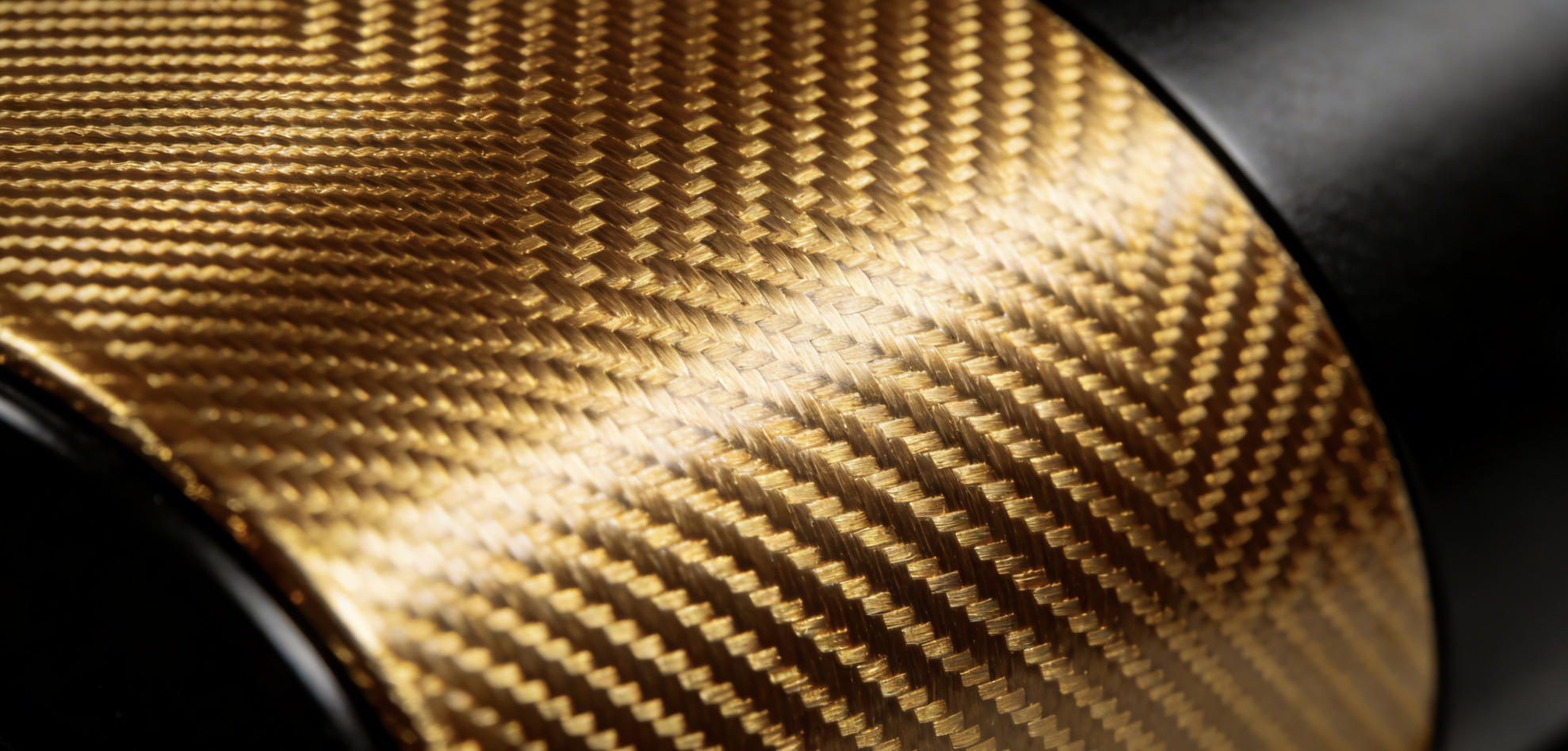
Gold carbon fiber wrap is the one color in this lineup where less is more — and that’s not a style opinion, it’s a practical reality.
Professional installers skip full gold wraps on large panels. Not because the material fails, but because metallic glare causes eye strain across wide surfaces. The right approach is focused placement:
-
Door handles
-
Grilles
-
Wheel arches
-
Mirror caps
-
Interior trims
At that coverage level, gold looks intentional and upscale. Spread it across a full hood on a midsize sedan, and it becomes too much to look at.
Where the material earns its price:
A quality gold carbon fiber wrap sheet runs $1,000–$2,100 USD for a full midsize application (Mustang, S-Class). That price range gets you real specs — 27.6N/10mm tear strength, under 4% shrinkage, and 3–6 years outdoor durability. Cheap gold films fall apart fast. Metallic layers scratch more easily than black or grey. Low-grade adhesives lift at panel edges within a season.
One maintenance rule stands above the rest: no automatic brush washes. Brush contact marks the metallic gold layer. Hand-wash with a microfiber cloth and pH-neutral soap. Park in shade as much as you can.
The film thickness runs 3.7–4.1 mil, with air-release channels for a bubble-free install. Post-heat at 175–185°F is non-negotiable on curved panels. Push past that range and you stretch the metallic layer — and that damage won’t reverse. This is a professional install. Not a weekend driveway project.
Gold pairs with: Black base paint. Nothing else comes close.
7-Color Side-by-Side Comparison: Durability / Price / Maintenance / Visual Impact

Seven colors. Four dimensions. One table that cuts through every opinion and puts the numbers where they belong.
Here’s the full breakdown — durability under real UV conditions, price per project, maintenance load, and visual impact rated straight across the lineup.
|
Color |
Outdoor Durability |
Est. Price (Partial Build) |
Maintenance |
Visual Impact |
|---|---|---|---|---|
|
Black |
5–7 years |
Low ($) |
Easy — hides grime |
Deep, stealth |
|
Red |
3–5 years |
Mid ($$) |
Moderate — UV-sensitive |
High, aggressive |
|
White |
5–6 years |
Mid ($$) |
Easy — shows dust |
Clean, premium |
|
Blue |
4–6 years |
Mid ($$) |
Easy — stable pigment |
Dynamic, shifting |
|
Grey |
5–7 years |
Low-Mid ($) |
Very easy — hides everything |
Subtle, refined |
|
Purple |
3 years |
High ($$$) |
Demanding — UV critical |
Maximum drama |
|
Gold |
3–6 years |
High ($$$) |
Demanding — no brush wash |
Luxury, focal |
What the Numbers Mean
Durability is where color choice hits hardest. Black and grey lead the field — 5 to 7 years outdoors, up to 8 years with a quality 3M base. Blue follows at 4 to 6 years. It holds its pigment 50% longer than red or purple under the same UV exposure. Red and gold land in the middle at 3 to 5 years. Covered parking and ceramic coating push both closer to the top tier. Purple sits alone at the bottom — 3 years maximum outdoors. No exceptions.
Price scales with pigment complexity. Black and grey cost the least to produce and to buy. Red, white, and blue sit in the mid-range. Purple iridescent and gold metallic run 40 to 60% more than standard carbon wraps. That’s because the interference pigments and metallic layers behind those effects carry a higher production cost.
Maintenance splits into two camps. Black, grey, and blue are daily-driver forgiving — rinse, mild soap, microfiber dry, done. White shows dust faster, but it cleans in seconds. Red, gold, and purple need more care. Use pH-neutral products only. Skip solvents. No automatic brush washes for gold. Add ceramic topcoat protection for purple — that’s what gets it past year two.
Visual impact is the most subjective axis — but the range is real. Grey reads quiet. Black reads intentional. Red reads aggressive. Blue shifts and moves with the light. Gold commands attention at close range. Purple stops people cold.
One Common Mistake Across All Colors
Picking by visual impact alone costs money. Purple scores maximum drama. It also has the shortest outdoor lifespan in the lineup. Gold looks like a million-dollar build in the right application — and looks off in the wrong one. The wraps that hold their value longest aren’t always the ones that photograph best. Black and grey win on total cost of ownership, every time.
How to Choose Your Carbon Fiber Wrap Color: Match to Your Style & Car Type

Style isn’t random. Neither is the right wrap color.
Your build falls into one of three camps. Know which one, and the color decision gets a lot easier.
Aggressive / Performance Builds
These builds thrive on contrast and edge. Black forged carbon on a dark coupe looks race-ready without being loud. Red carbon fiber wrap on white or black paint brings that metallic bite — use it at partial coverage on hood stripes, spoiler, or mirror caps. Keep it under 50% of the surface area. Go beyond that, and it starts looking like a costume.
Refined / Luxury Builds
Restraint is the whole point here. White carbon fiber wrap on a deep navy or black base. Deep blue gloss on silver. Matte grey on an executive SUV. These combos look deliberate — like the factory quietly upgraded every detail without making a fuss.
Custom / Show Builds
These builds follow a different set of rules. Purple iridescent, color-shift aurora, gold accents on black — none of these are daily-driver choices. They’re event cars and garage pieces. Dramatic lighting is part of the design plan from the start.
One Rule That Applies to All Three
Carbon fiber wrap performs best at partial coverage — roof, hood, mirrors, trunk. Full-vehicle carbon tends to miss the mark. The texture is designed to accent. Let it do that job without taking over the whole car.
Match the color to your build’s purpose first. Then pick the finish.
3D vs 5D vs 7D Carbon Fiber Wrap: Which Texture Level Works Best Per Color

The texture tier on the packaging matters — just not in the way most buyers expect.
“3D,” “5D,” and “7D” are marketing labels. No verified industry standard backs them up. No third-party body certifies these designations. Manufacturers assign them on their own terms, and the numbers shift between brands. What the labels do communicate is a real progression: embossing depth, weave realism, and how light moves across the surface. It’s not a perfect system, but the pattern holds.
Here’s what each tier delivers:
-
3D — a raised grid pattern with a matte to low-gloss finish. You can feel the texture with your finger. Light movement is minimal. This works on dark interior trim because it doesn’t compete with the surface — that restraint is the point.
-
5D — deeper embossing, a fluid rounded weave (not the rigid grid of 3D), and a semi-gloss to gloss finish. On a curved panel under natural light, the pattern comes alive. This is the go-to tier for everyday exterior use.
-
7D — mostly fictional. As of 2026, no major manufacturer produces a verified 7D product. What’s sold as “7D” is rebranded 6D film — identical specs, inflated markup. The real benchmark at this tier is 6D: super-gloss, deep-precision emboss, TPU-enhanced construction with air-release channels and select self-healing properties.
Which Texture Level Belongs on Which Color
Color-to-texture pairing is where most buyers either leave money on the table or overspend without gaining anything visible.
Black → 6D
Black shows micro-scratches more than any other color in this lineup. The self-healing TPU topcoat in premium 6D construction earns its price here. Deep emboss also pushes contrast on black — the weave reads sharp even in low-light conditions. Brands confirmed at 6D production level for black: Carlike Wrap, VViViD, Tinybot.
Grey / Gunmetal → 5D
The fluid weave on 5D creates visible movement across grey’s metallic undertones. This is most noticeable on curved exterior panels under natural light. Full 6D gloss on grey adds cost without adding proportional visual return. 5D delivers 85–90% of the visual impact at a lower cost. This is the best ROI pairing in the entire lineup.
Red / Dark Blue → 5D
Deep saturated hues interact with 5D’s dynamic weave to deepen the “woven depth” effect. Full gloss at 6D level works against rich colors — it washes the saturation out. Semi-gloss holds the color’s depth while the weave adds dimension.
Gold / Chrome / Iridescent → 6D only
There’s no negotiating this one. Color-shift and metallic finishes rely on light play for their effect. At 3D or 5D texture depth, the color-shift goes flat. The mirror-like super-gloss of 6D lets gold layer its reflective effect and lets iridescent wraps cycle through their full shift range.
White / Silver exterior → 5D minimum
Light colors don’t carry shallow embossing well. At 3D depth, white reads as textured film — not carbon fiber. The weave needs contrast to register, and 3D doesn’t deliver enough on light backgrounds.
Interior trim / dark utility surfaces → 3D
Matte finish, tactile grip, budget-friendly across large surface areas. Visual realism isn’t the goal here — 3D’s simplicity is the asset.
The 7D Markup Warning
A seller pricing a wrap at a “7D” premium? Pull up the actual specs: PVC layer thickness (standard 0.15–0.2mm), gloss rating, and whether air-release backing is present. Those specs almost always match known 6D products. You’re paying extra for a number, not a material upgrade.
If you’re curious about the real differences between forged carbon fiber and traditional 3D/5D patterns, check out our detailed breakdown in Forged Carbon Fiber Wrap Explained.
Common Carbon Fiber Wrap Problems by Color & How to Fix Them

Every color in this lineup has a failure mode. Know yours before it costs you.
Black traps heat. Mirror caps on the top edges take the worst of direct sun. They bubble or delaminate within 1–2 years. Fix it at the source:
– Confirm adhesion at 212°F right after install
– Wax every month
– Keep the car out of direct sun for long periods
White yellows over time. UV hits the clear coat first. Then the carbon layer underneath starts to oxidize. You’ll see it on every exposed panel after 2–5 years. Catch it early and polish it back. Wait too long and you’re looking at full replacement. No warranty claim will save delaminated film.
Red fades at the edges — 20–30% faster in hot climates. Low-quality dye is the root cause. The fix is straightforward:
– Use premium vinyl
– Trim edges clean and tight
– Seal with a UV protectant right after install
Gold scratches in ways other colors don’t. The metallic pattern distorts the second you stretch it unevenly. Keep stretch under 10% max. Pull with the grain — never across it.
One stat worth knowing: 75% of wrap failures trace back to install errors — over-stretching, uneven heat, misaligned panels. Premium vinyl cuts re-wrap frequency by 50%. The material itself is rarely the first thing that fails.
Conclusion
Your car’s wrap color isn’t just an aesthetic choice — it’s a statement about who you are on the road.
Love the bold authority of black carbon fiber wrap? Prefer the sharp edge of red, or the rich look of gold? The right color takes your vehicle beyond basic transportation. It becomes part of your identity. This 7-color comparison guide cuts out the guesswork. It helps you make the right call, faster.
Here’s what you need to know:
-
Texture level matters. 5D outperforms 3D across almost every color category.
-
Finish matters. Gloss, matte, and satin each change how a color reads on your car.
-
Source matters. Where you buy your carbon fiber look vinyl affects quality, consistency, and how long it holds up.
A wrong purchase can sit on your bumper for three years. Don’t let a rushed decision haunt every drive.
Contact HyperX Carbon – Your Trusted Chinese Carbon Fiber Partner
Ready to source high-performance carbon fiber materials or custom forged carbon fiber parts from China?
HyperX Carbon is a leading manufacturer with 20+ years of expertise, specializing in aerospace-grade forged carbon fiber, prepreg, tubes, sheets, and lightweight automotive/drone/medical components. We offer:
-
Stable supply chain with premium raw materials (Toray, Mitsubishi, Hengshen)
-
AS9100D certified production for aerospace & UAV applications
-
Rapid prototyping (5-8 weeks) and monthly capacity exceeding 180,000 parts
-
Competitive pricing with 15-18% cost savings on forged carbon solutions
-
Full customization: from T700/T1100G to ultra-high modulus grades
Whether you’re an eVTOL developer, automotive OEM, drone manufacturer, or medical device engineer, HyperX delivers consistent quality, batch-to-batch reliability, and reliable delivery.
Get in touch today for a free consultation, custom quote, or material sample.
📧 Email: [email protected]
🌐 Website: https://www.hyperxcarbon.com/
📞 Phone/WhatsApp: +86 15623270276 (English support available)
Let’s build your next lightweight innovation together – contact HyperX Carbon now and stay ahead in the low-altitude and advanced composites market.