Not all carbon fiber performs the same. Spend five minutes researching pickleball paddles, bike frames, or composite materials — T700 carbon fiber comes up every time. There’s a real reason for that.
Toray’s T700 grade has become the backbone of high-performance sports equipment. It hits the right balance between raw tensile strength, practical layup behavior, and a price point that doesn’t demand an aerospace budget. That’s not an accident.
But “popular” doesn’t mean “right for everything.” Most marketing copy skips the why — why it works, and where it falls short. This guide fills that gap. You get real specs, straight grade comparisons, and application-specific breakdowns. No guessing. Just clear information so you can make a confident decision.
What Is T700 Carbon Fiber? The Toray Standard Explained
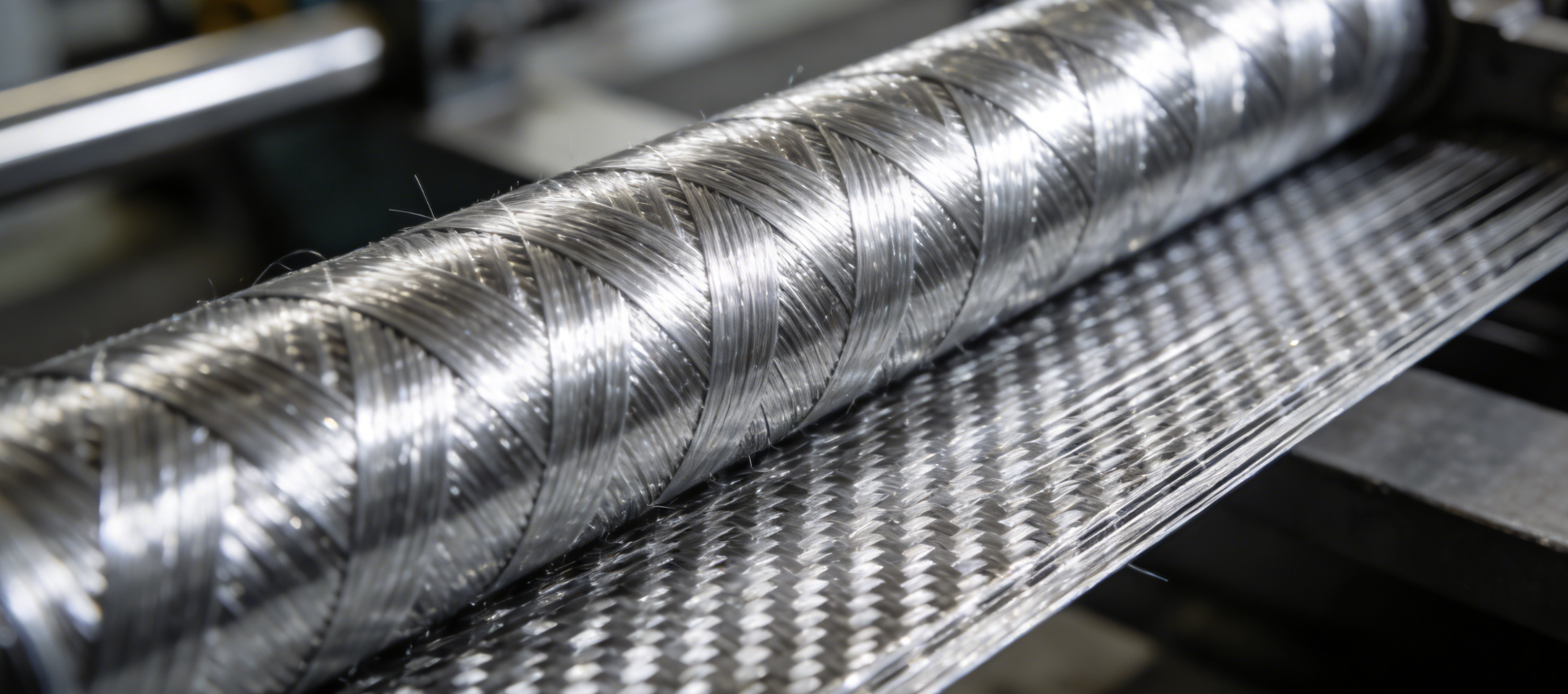
T700 is a specific product from a specific company — Toray Industries, Japan’s largest carbon fiber manufacturer and the benchmark supplier for the entire composites industry. The “T” designates Toray’s fiber series. The “700” marks its position in their strength hierarchy. That combination matters because not every product labeled “T700” on a storefront is genuine Toray material. Keep that distinction in mind as you evaluate suppliers.
At its core, T700S delivers a tensile strength of 4,900 MPa and a tensile modulus of 230 GPa. Density sits at 1.80 g/cm³. Strain-at-failure — the elongation before the fiber breaks — reaches 2.1%. These aren’t marketing figures. Toray pulls them from internal test method TY-QA-002, the same standard running across their production lines in Japan, the United States, and France.
Two sub-variants exist, and the difference is real:
-
T700S — The industrial workhorse. It offers higher tensile strength and 2.1% elongation. This makes it the go-to for large-scale production runs — compressed gas cylinders, sporting goods, and automotive panels. Filament diameter is 7 µm, available in 12K (cross-section 0.44 mm²) and 24K (0.92 mm²) tow sizes.
-
T700G — The aerospace-grade variant. Elongation drops to 1.7–1.8%, but the fiber delivers stronger adhesion between fiber and matrix under transverse stress loads. Aerospace structures and high-stress joints demand that kind of interlaminar shear strength. T700G is built for exactly that.
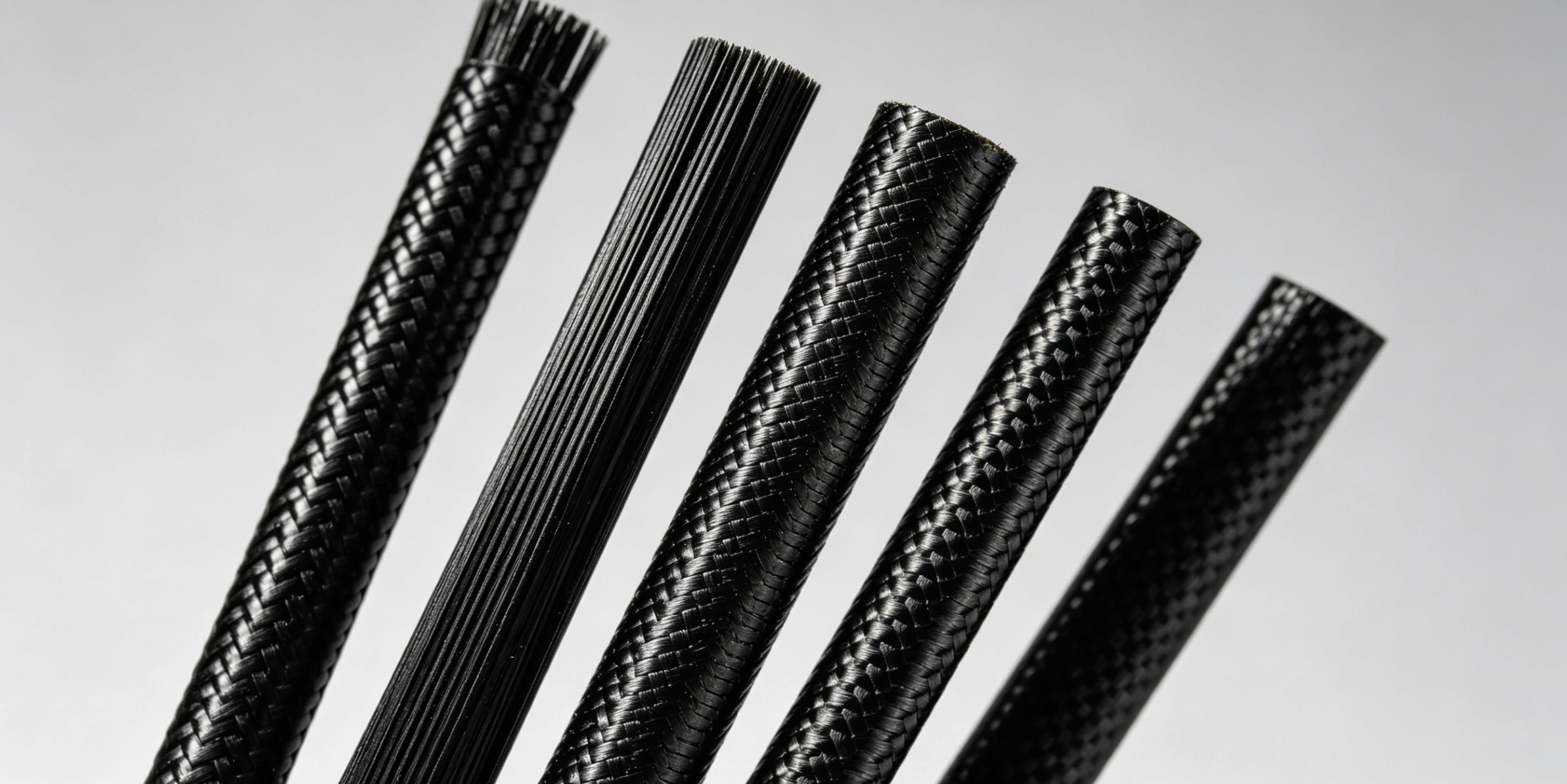
One manufacturing detail separates T700 from many competitors: never-twisted yarn construction. The tow carries zero twist. That gives you cleaner fiber alignment during weaving, braiding, filament winding, and prepreg layup. The result is more consistent laminate quality — and fewer problems on the shop floor.
Toray positions T700 as the industrial and sport sweet spot: a standard modulus fiber that pairs high strength with real-world manufacturability. That’s not a compromise. It’s a deliberate engineering choice — one that serves a wide range of applications, and serves them well.
Why T700 Carbon Fiber Dominates Pickleball Paddles: Spin, Control & Durability Explained
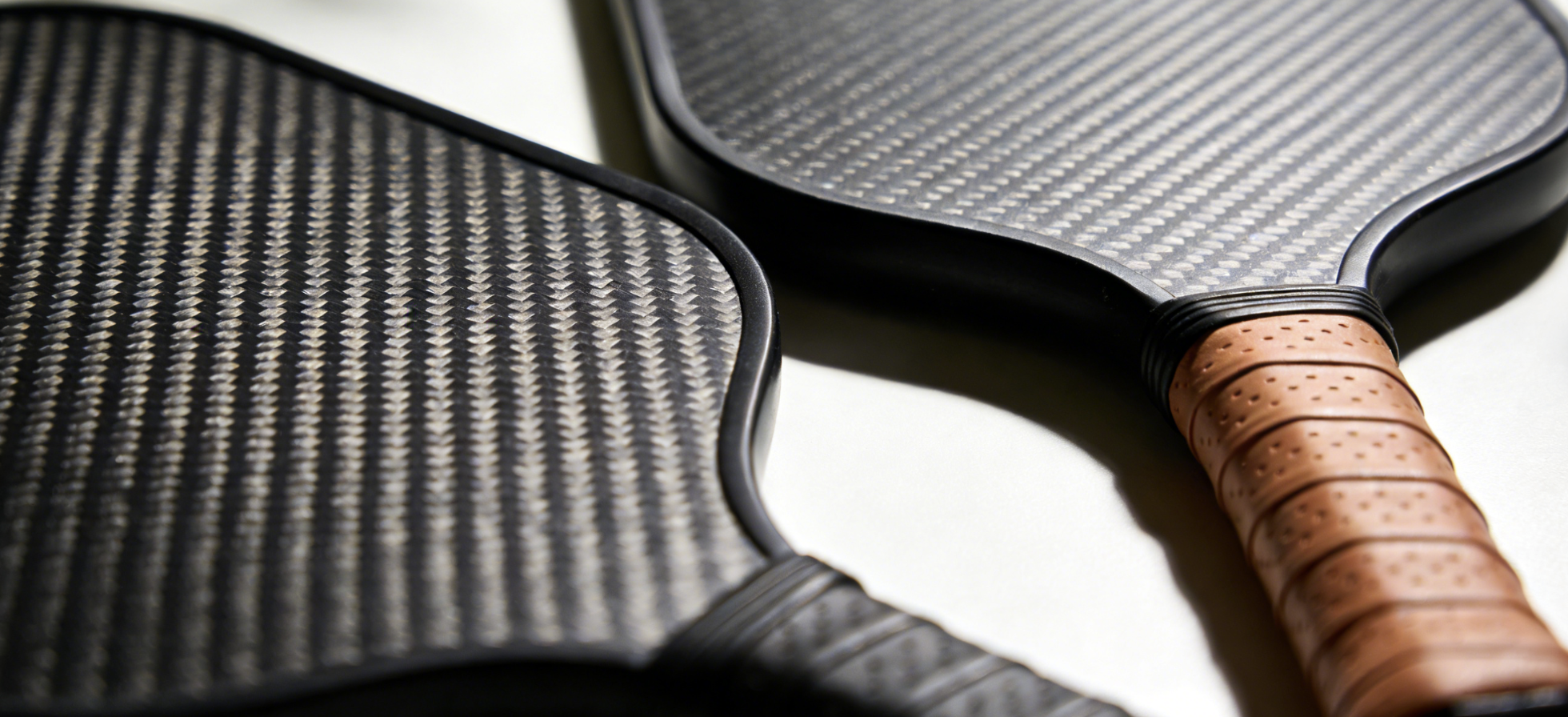
Pickleball paddle technology moved fast. Three years ago, fiberglass ruled the market. Today, T700 carbon fiber shows up in just about every USAP-approved pro paddle on tour. That shift wasn’t random. T700 solves three problems at once: spin, control, and durability.
The Spin Problem — and How T700 Solves It
USAP enforces strict surface texture limits: Rz ≤ 30 μm average, Rt ≤ 40 μm maximum. That’s a tight window. Paddle manufacturers need every legal micron working hard.
T700’s 4,900 MPa tensile strength makes that possible. The fiber holds its shape under the exact tensions needed for raw and peel-ply surface processing. This is the technique where the woven fiber texture becomes the paddle face itself — no sprayed grit on top of a smooth layer. That difference is huge in practice.
Sprayed grit wears off. Woven T700 texture doesn’t. The bite is structural, not cosmetic.
The result is longer dwell time — the fraction of a second the ball stays in contact with the face during topspin drives, rolls, and counters. More dwell time means more RPM transfer. More RPM means the ball lands exactly where you aimed it — not just close. Players who switch from fiberglass paddles report this difference right away.
Multi-Layer Construction: Where Control Comes From
A single layer of T700 makes a stiff face. Stack multiple layers with smart orientation, and you get a controlled face. It stays inside USAP rotation limits while still giving competitive players that crisp, immediate feedback they need.
Premium thermoformed T700 paddles are built around a 16mm core with PU foam injection. The goal is simple: cut out inconsistency. The foam injection stops delamination. The 16mm thickness expands the sweet zone. Zero dead zones means every contact feels the same — whether you hit center face or near the edge. That shot-after-shot consistency is what separates real tournament equipment from gear that only feels pro for the first month.
Plus, it keeps the paddle under 8 oz. T700’s strength-to-density ratio (density: 1.80 g/cm³) lets manufacturers build thin-wall faces without losing structural strength. You get a paddle light enough for a five-game session and stiff enough to hold its texture geometry across months of play.
T700 vs. Fiberglass vs. Graphene: The Honest Comparison
|
Dimension |
T700 Carbon Fiber |
Fiberglass |
Graphene |
|---|---|---|---|
|
Spin |
Reliable RPM, long texture life |
Less grip, faster surface wear |
Variable; depends on construction |
|
Pop |
Explosive power, large sweet zone |
Springier feel, less precise |
Stiff, but consistency varies |
|
Durability |
Delamination-resistant, months of performance |
Prone to grit loss |
Texture wears unevenly |
|
Control |
High — dwell time built into the structure |
Lower precision ceiling |
Moderate |
Fiberglass gives you more raw spring — that trampoline pop some beginners prefer. But it gives up spin accuracy and long-term consistency to get there. Graphene competes well on pop and initial stiffness. Still, T700’s woven-in texture outlasts most graphene surface treatments in real playing conditions.
What the Market Looks Like Right Now
T700 paddles sit in the $50–$200 range — a price tier that works for serious recreational players and tournament competitors alike. A few benchmarks worth knowing:
-
Pick’all T700 Thermoformed Pro Series (~$100–150): 16mm core, raw high-grit face, USAP-approved. Built for max spin with power control.
-
Srikel Raw T700 (~$120): 16mm polymer core, foam-injected construction. Tournament players cite it often for spin durability under competitive conditions.
-
Generic T700 thermoformed kits (~$80–150): Include lead tape for custom weighting. Sub-8 oz builds with pro-level dwell characteristics.
The 3K/T700 weave has also become the go-to standard for edgeless paddle designs. That construction style is picking up steam among players who want the full face available — no edge guard dead zones cutting into the sweet spot.
That’s a lot of ground covered by one fiber grade. It’s not the only carbon fiber that works in paddles. But it’s the one that performs at scale, holds up over time, and stays within a price range most players can reach.
T700 Carbon Fiber Bike Frames: Performance Gains & Real-World Trade-offs
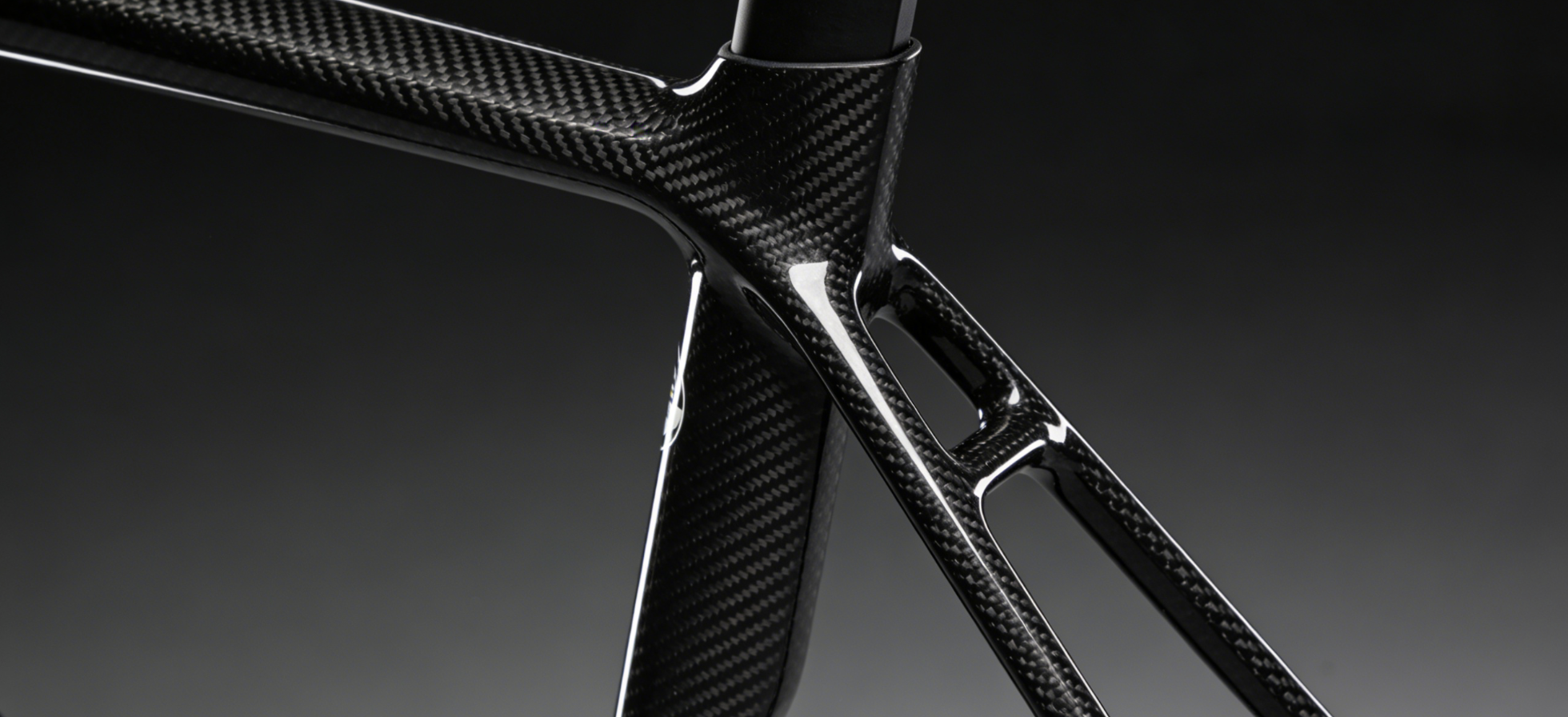
Bike frames are a tough, honest test for any material. Every gram matters. Every vibration reaches your hands. Every watt you push has to go somewhere useful.
T700 passes that test — not because it’s the stiffest carbon fiber out there, but because it hits the best balance at the price point where most serious riders shop.
What T700 Brings to a Frame Build
The numbers tell the story. T700’s 4,900 MPa tensile strength lets manufacturers build thinner tube walls without losing structural integrity. Add a density advantage over aluminum, and you get frames that run 20–30% lighter than comparable aluminum builds — while carrying the same load.
That weight drop isn’t just cosmetic. You feel it on climbs. You feel it in acceleration. You feel it at mile 60 of an endurance ride, when your legs are barely on speaking terms with your brain.
The 25 msi modulus matters too. It’s softer than T800, and that softness is a feature, not a flaw. T700 soaks up micro-vibrations — road buzz, chip seal chatter, gravel roughness — before they build into the kind of fatigue that cuts long rides short. Riders who switch from aluminum notice the change right away. Not just comfort. Control on rough roads.
The Real Performance Table
|
Material |
Weight |
Stiffness |
Ride Feel |
|---|---|---|---|
|
Aluminum |
Medium |
Medium |
Moderate damping |
|
Steel |
Heavy |
High |
Excellent damping |
|
T700 Carbon |
Light |
High |
Excellent damping, low vibration |
T700 sits in a rare category: light and damping-positive. Steel gives you the damping. Aluminum gives you the weight savings. T700 gives you both.
T700 vs. T800: The Honest Trade-off
T800 is stiffer. Full stop. In sprint-focused racing, that stiffness pays off in power transfer. But stiffness has a cost: brittleness under impact, less give on long-distance terrain, and a price jump that pushes most frames out of the $1,500–$4,000 entry-competitive range.
T700 trades some sprint stiffness. What it keeps — fatigue resistance, impact toughness, and ride compliance — makes it the stronger pick for endurance riding, training blocks, and real roads that aren’t controlled race circuits.
Manufacturing Reality: Where the Specs Become a Frame
Prepreg lay-up is the standard process for quality T700 frames. The high tensile strength supports localized reinforcement — extra layers at high-stress zones like the bottom bracket and head tube junction, with thinner walls everywhere else. The result is a frame with balanced stiffness and compliance, not a uniform carbon slab that responds the same in every direction.
Vacuum molding pushes that further. A well-built T700 frame in size M can reach 950g — a benchmark worth holding suppliers to. Builds like the Tideace R053D hit that target with full internal cable routing and flat-mount brakes included. That’s not entry-level construction. That’s competitive spec at a mainstream price.
How to Spot a Genuine T700 Frame
The “T700 carbon fiber” label shows up on a lot of frames. Not all of them earn it.
Verification steps:
– Request Toray certification confirming 4,900 MPa tensile strength
– Ask for prepreg lay-up evidence in the manufacturer’s materials
– A real T700 frame feels a touch softer than T800 — compliant, not flexy
Red flags:
– Frame price under $1,500 with T700 claims
– Any mention of brittle failure modes
– Weight claims heavier than 950g for a size M frame
T700 sits in the entry-to-competitive tier — the range where beginner racers, endurance cyclists, and training-focused riders put most of their money. T800 handles high-end performance training at a steeper price. T1000 serves elite racing with no room for anything but speed. T700 covers everyone in between, and that’s a very large, very real market.
Beyond Sports: T700 Carbon Fiber Applications in Drones, Fishing Rods & Aerospace
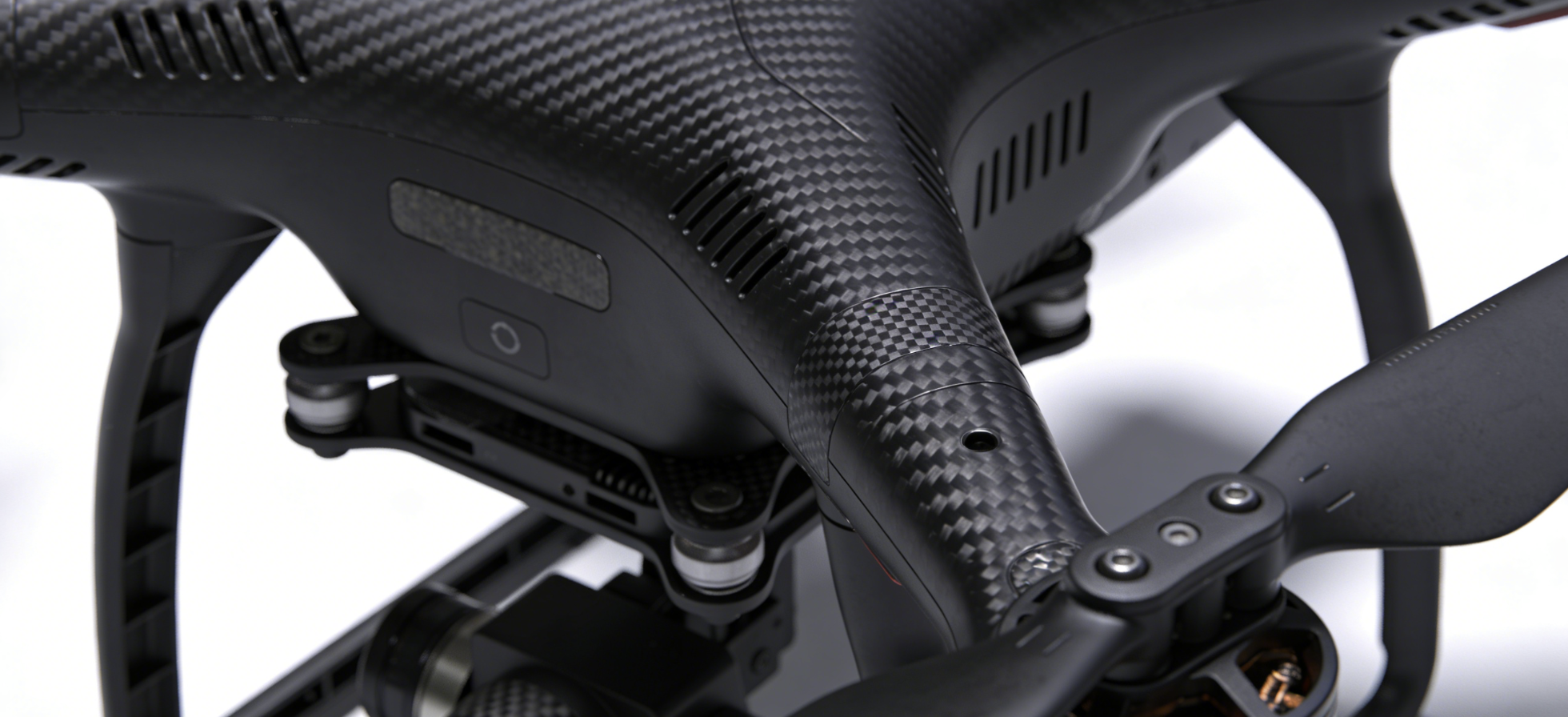
T700’s reach goes well past the sporting goods aisle. The properties that make it exceptional in paddle faces and bike tubes — high tensile strength, controlled elongation, real-world manufacturability — carry over into industries that have nothing to do with athletes.
Drone Frames: Where Every Gram Is Flight Time
Weight is math in drone engineering. Cut 100g from the frame, and you gain more flight time. T700 delivers 20–40% weight reduction over aluminum. It does this without losing structural integrity under vibration loads.
The tow size decision matters here. 12K tow is the standard choice for drone arms and frames. It’s cost-effective, handles roll-wrapping and autoclave processes well, and balances stiffness against weight at scale. 3K weave looks cleaner, but the price premium doesn’t justify itself in functional drone construction.
T1000 comes up in drone discussions from time to time. Skip it for civilian builds. It’s 3–5x more expensive, carries military-grade restrictions, and offers no real durability advantage for consumer flight cycles. T700 handles >100,000 fatigue cycles. That’s more than enough.
Fishing Rods: The 2.1% Elongation Advantage
Ultra-high modulus fibers like M40J are stiff — sometimes too stiff. A rod blank that can’t flex will crack under load rather than absorb it. T700’s 2.1% elongation at failure is the spec that stops that from happening.
Mid-to-high tier rod builders use T700 as the primary blank material for this exact reason:
– It’s sensitive enough to transmit strikes
– Compliant enough to survive hard fights
– Consistent enough to produce reliable blanks at scale
For tip-section power, manufacturers combine T700 with M40J — letting each fiber do what it does best.
Aerospace Secondary Structures
T700 doesn’t build wings. Wings need the higher modulus of T800 or T1000 for maximum stiffness in primary load-bearing spars. But aerospace is full of structures that aren’t wings: cabin panels, fairings, UAV frames, satellite solar array supports.
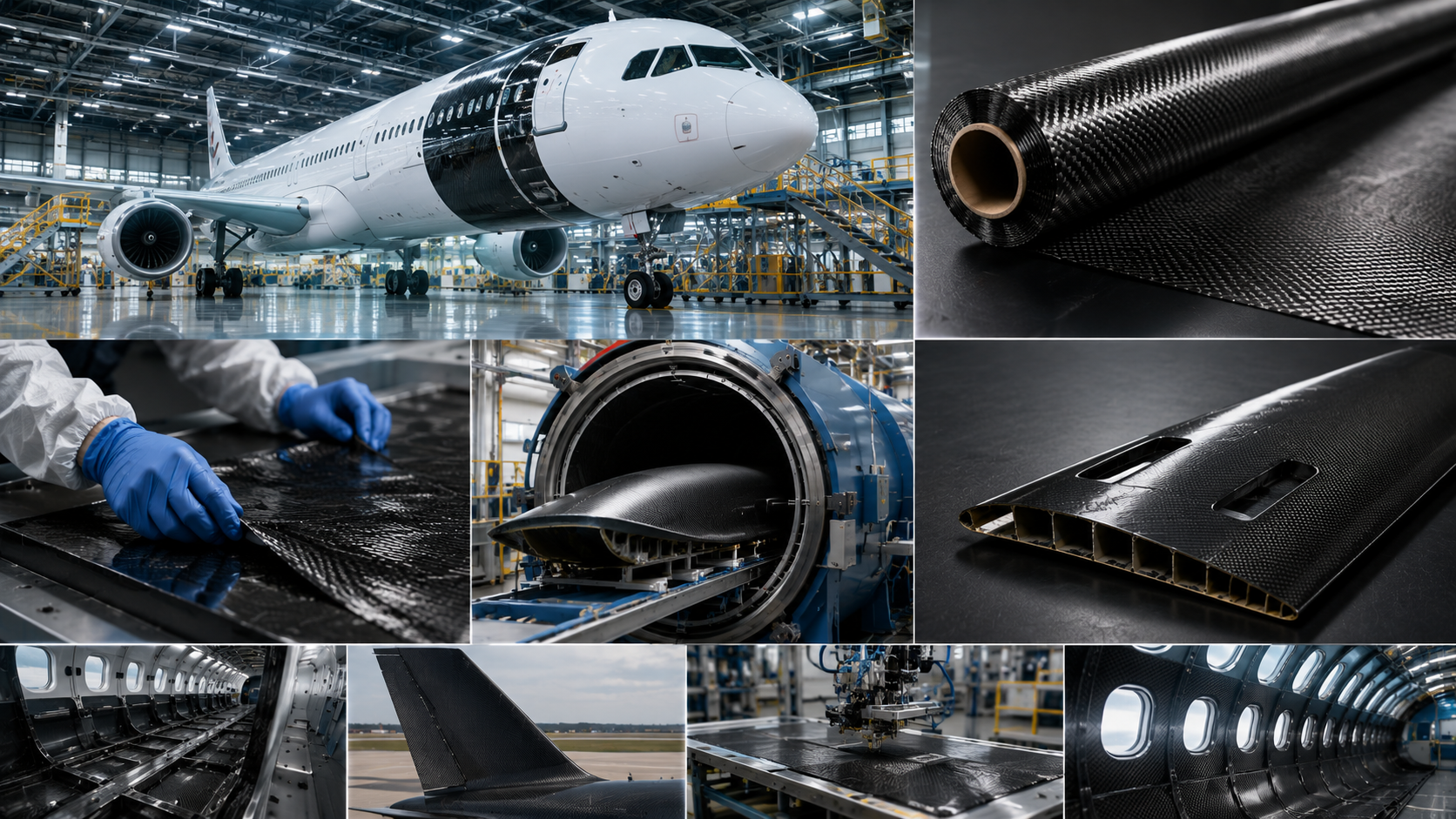
For those applications, T700 brings two clear strengths. First, 20% weight reduction over aluminum. Second, high fatigue resistance under thermal cycling. It’s also non-conductive — a real factor around avionics. The documented result: 20% lower fuel consumption in aircraft where secondary structures switched from aluminum to T700 composite.
That’s a substantial number for a material most passengers never think about.
The Real Reason T700 Is the World’s Most Popular Carbon Fiber Grade: Cost-Performance Analysis

Numbers don’t lie — and one number explains everything: $0.0033 per MPa.
That’s T700’s cost-per-unit-strength ratio. It’s the lowest of any mainstream 12K carbon fiber on the market. Not by a little. That gap shifts procurement decisions at every scale — from a paddle manufacturer ordering 500 blanks to a wind turbine OEM signing multi-year supply contracts.
Here’s the full picture:
|
Grade |
Tensile Strength (MPa) |
Modulus (GPa) |
Cost (USD/kg) |
Cost per MPa (USD) |
|---|---|---|---|---|
|
T700 |
4,900 |
230 |
15–20 |
0.0033 |
|
T300 |
3,530 |
230 |
10–12 |
0.0031 |
|
T800 |
5,490 |
294 |
25–30 |
0.0051 |
|
M40J |
4,400 |
377 |
40–50 |
0.0100 |
|
Hexcel AS4 |
4,480 |
235 |
22–25 |
0.0052 |
T300 comes in cheaper per MPa at $0.0031. But it tops out at 3,530 MPa — not enough strength for demanding structural applications. T800 beats T700 on raw strength and modulus, but costs 35% more per unit of tensile performance. That difference is hard to justify unless you’re building primary aerospace structures or chasing podium finishes with no budget ceiling.
T700 sits right between the two. Over 3,500 MPa of tensile strength. Standard 230 GPa modulus. Density at one-quarter of steel. Plus a price point that lets manufacturers replace aluminum components while cutting total production costs by more than 30%.
Why the Supply Chain Backs It Up
Strong specs mean nothing if the material isn’t there when you need it. Toray runs production facilities across Japan, the United States, and Europe. That multi-region network keeps supply disruption risk below 5%. Single-region suppliers can’t match that.
The manufacturing economics add another layer of advantage. T700’s never-twisted tow construction improves fiber-matrix adhesion. That cuts production scrap rates by 15–20% and shortens cycle times by 10–15%. Real savings, not theoretical ones.
The result: T700 holds more than 50% of the small-tow (12K) industrial carbon fiber market. Wind energy and sports equipment lead adoption — two sectors that demand high performance at volume pricing. That market dominance isn’t inertia. It’s a direct, rational response to an exceptional value position.
T700 Carbon Fiber Buying Guide: Consumer Products vs B2B Raw Material Procurement
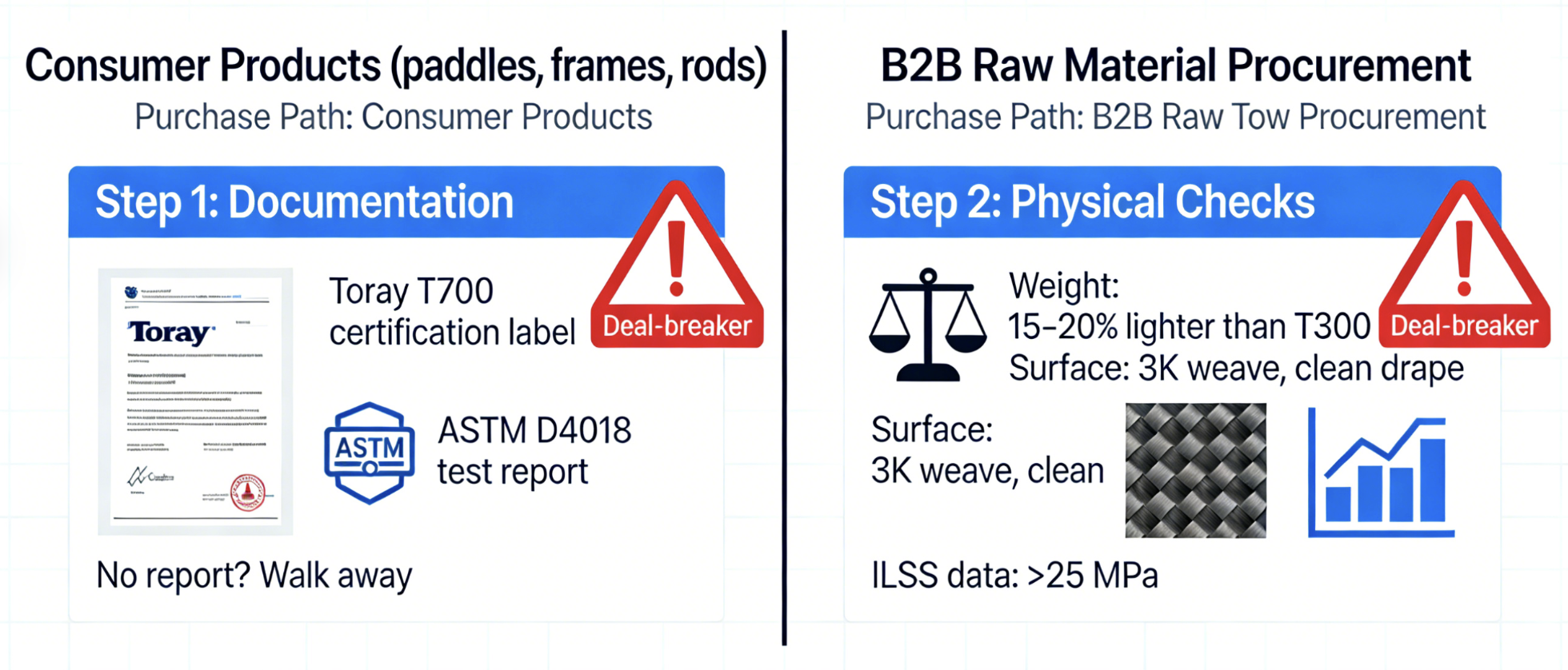
Knowing the specs is half the job. Buying the right material — and not getting burned — is the other half.
There are two separate purchase paths: consumer products (paddles, frames, rods) and B2B raw tow procurement. Each path has different verification steps, different price logic, and different ways to go wrong.
Buying a Consumer Product
Start with documentation, not aesthetics. A legitimate T700 product comes with a Toray T700 certification label or lot-specific test report filed under ASTM D4018. No report means no verification. Walk away.
Three quick physical checks after that:
-
Weight: Genuine T700 parts run 15–20% lighter than T300 substitutes. Something feels heavier than expected? Ask for the material cert.
-
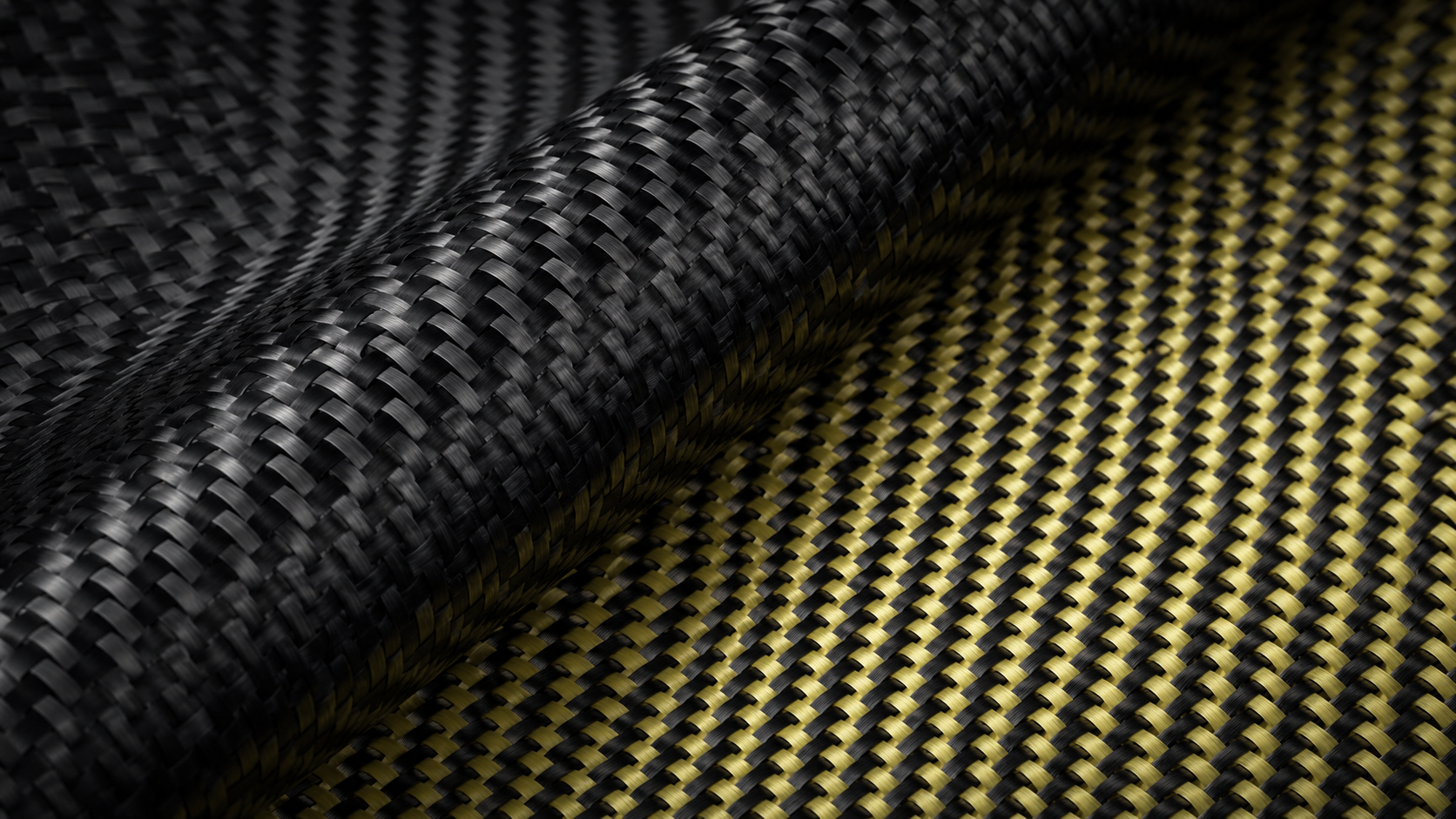
Surface: Look for uniform 3K weave with clean drape and a consistent finish. Twisted yarns or irregular patterns are deal-breakers.
-
ILSS data: Any reputable T700 product shows interlaminar shear strength above 25 MPa. A missing number is a red flag, not a minor oversight.
Procuring Raw Tow
Tow size is a real decision, not a default:
|
Tow |
Best For |
Trade-off |
|---|---|---|
|
3K |
Aesthetics, sports goods |
Premium finish; 10–15% cost increase over 12K |
|
12K |
Industrial efficiency |
Faster layup; lower cost per kg |
|
24K |
High-volume production |
Cost-optimized; confirm T700 grade before ordering |
Buy through Toray CMA direct or AS9100-certified distributors like Teijin Carbon. ISO 9001 is the minimum bar. Anything below that adds supply chain risk you don’t need.
Bulk pricing follows a clear pattern: 20–30% discount for orders above one ton, with better terms tied to annual volume commitments. Request samples before you commit. Compare at least two to three suppliers on MOQ flexibility and customization capability. Lowest price without consistent quality is not a deal.
Four signs the T700 you’re evaluating is fake:
1. Twisted fibers in the tow — genuine T700 runs straight, no twist
2. No per-lot Toray or ASTM D4018 certification
3. Density above 1.85 g/cm³ — T700 spec sits at 1.80 g/cm³; test a subsample
4. No ILSS data — missing interlaminar shear figures tie to 15–20% strength loss in finished laminates
Build your shortlist around consistency. The supplier who ships at spec every time is worth more than the one offering the sharpest opening quote.
Conclusion
T700 carbon fiber didn’t become the world’s dominant material by luck. It earned that position by hitting every target that matters: tensile strength you can measure, weight savings you can feel, and a price point that doesn’t need an aerospace budget.
Dialing in your pickleball game with a paddle that bites the ball on every third-shot drop? Spec’ing a bike frame that climbs without complaint? Sourcing Toray T700 carbon fiber components for your next production run? Every time, the data points back to the same grade.
Contact HyperX Carbon – Your Trusted Chinese Carbon Fiber Customization Partner
Ready to develop high-performance carbon fiber materials or custom forged carbon fiber parts tailored specifically for your project?
HyperX Carbon is your long-term strategic partner with over 20 years of expertise in advanced composites. We specialize in delivering aerospace-grade forged carbon fiber custom solutions, along with fully personalized prepreg, tubes, sheets, and lightweight carbon fiber structural components for automotive, drone, eVTOL, and medical applications.
We don’t just supply materials — we provide end-to-end customization support:
-
Stable premium supply chain using Toray, Mitsubishi, and Hengshen raw materials
-
AS9100D certified production tailored for aerospace and UAV requirements
-
Rapid prototyping carbon fiber component in just 5-8 weeks, with monthly capacity over 180,000 parts
-
Competitive pricing with 15-18% cost savings on forged carbon solutions
-
Full customization flexibility: from T700 and T1100G to ultra-high modulus grades, with tailored layups, finishes, and performance specifications
Whether you’re an eVTOL developer, automotive OEM, drone manufacturer, or medical device engineer, HyperX Carbon delivers bespoke material selection, structural optimization, and manufacturing solutions that match your exact technical and performance needs — with consistent batch-to-batch quality and reliable delivery.
Get in touch today for a free technical consultation, personalized quote, or custom material samples.
📧 Email: [email protected] 🌐 Website: https://www.hyperxcarbon.com/ 📞 Phone/WhatsApp: +86 15623270276 (English support available)
Let’s co-create your next lightweight innovation together. Contact HyperX Carbon now and stay ahead in the low-altitude economy and advanced composites market.
HyperX Carbon – Not just a supplier, but your dedicated carbon fiber customization expert.