T300 carbon fiber sits at a familiar crossroads. It’s the grade that launched countless composite projects — yet most engineers move on to something higher-performance over time.
You’re here for real answers. Does T300 fit your application? What do the actual numbers look like, beyond the marketing? How does it compare to T700 or T800?
This guide cuts through the noise. Here’s what you’ll find inside:
-
The real T300 carbon fiber properties
-
A side-by-side grade comparison
-
Honest pricing context
-
A clear answer to the question that matters most: does T300 make sense for your build, or are you leaving performance on the table by choosing it?
T300 Carbon Fiber Key Properties & Datasheet (Core Technical Data)
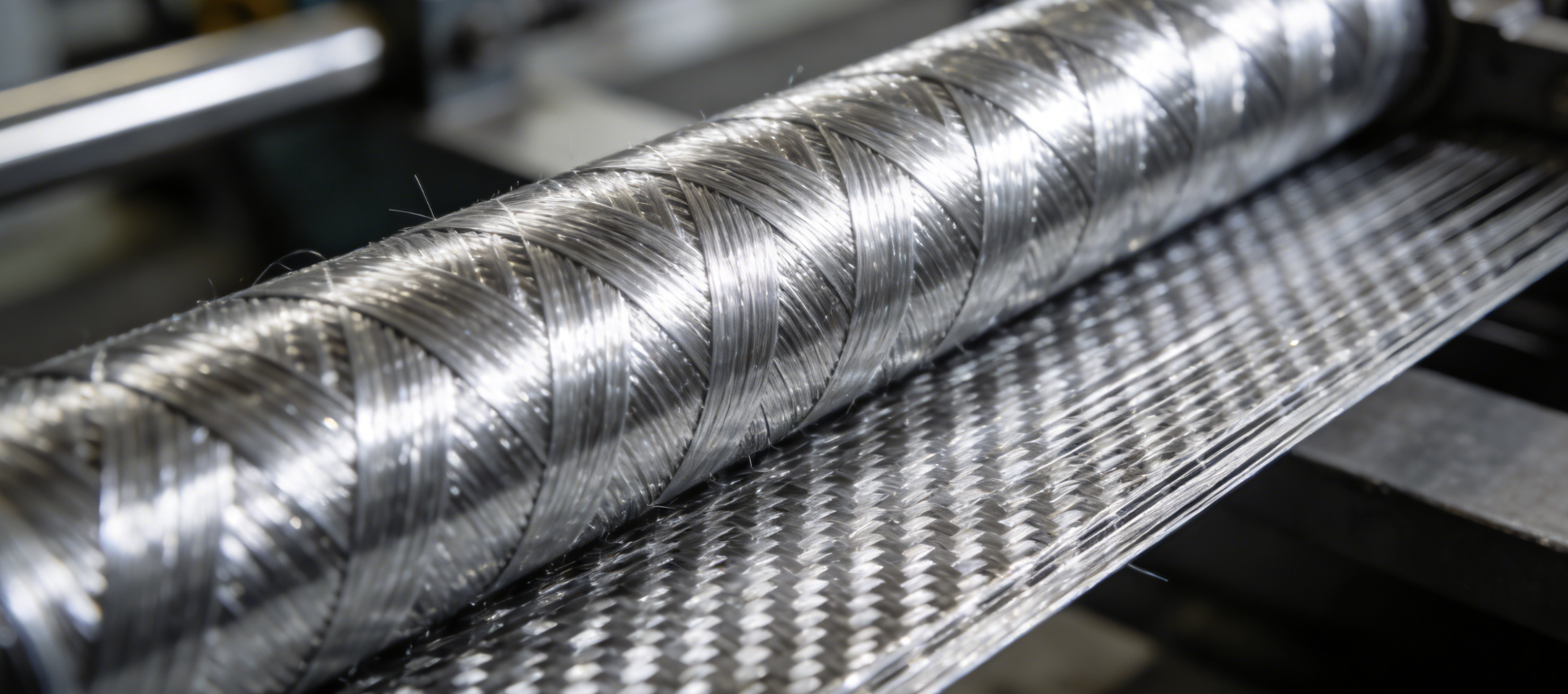
The official Toray datasheet reveals a fiber that earned its reputation through four decades of measurable, repeatable performance across thousands of engineered applications. That track record speaks for itself.
Here are the numbers that matter.
Filament-Level Properties
These are the raw fiber values — what T300 carbon fiber delivers before it goes into a matrix system.
|
Property |
Value |
|---|---|
|
Tensile Strength |
3,530 MPa (512 ksi) |
|
Tensile Modulus |
230 GPa (33.4 Msi) |
|
Elongation at Break |
1.5% |
|
Density |
1.76 g/cm³ |
|
Filament Diameter |
7 µm |
|
Yield — 1K / 3K / 6K |
66 / 198 / 396 g/1000m |
The 230 GPa modulus is the defining number here. It puts T300 in the standard modulus category. That means stiff enough for structural applications, but not reaching into intermediate or high-modulus territory. Go higher and cost climbs fast — plus brittleness becomes a real design problem.
Composite-Level Properties (60% Fiber Volume, Epoxy Matrix)
Raw fiber numbers only tell part of the story. Engineers work with a carbon fiber reinforced polymer (CFRP) system. That means T300 filaments embedded in a cured epoxy matrix at around 60% fiber volume fraction.
At that level, the data shifts:
|
Property |
Value |
|---|---|
|
Tensile Strength |
1,860 MPa (270 ksi) |
|
Tensile Modulus |
~138 GPa (20.0 Msi) |
|
Compressive Strength |
1,570 MPa (228 ksi) |
|
Flexural Modulus |
125 GPa (18.1 Msi) |
|
Interlaminar Shear Strength (ILSS) |
110 MPa |
|
90° Tensile Strength |
80 MPa |
Two things to note here. Tensile strength drops 47% from filament to composite (3,530 → 1,860 MPa). Modulus retention lands at about 40% at the composite level. Neither number is a flaw. Both reflect normal matrix-dominated mechanics in any PAN-based carbon fiber epoxy composite system. Still, these numbers belong in your structural calculations from day one — don’t skip them.
Compatible cure systems include Toray’s #2500 resin (130°C cure) and the Toray 3631 system (180°C cure). Both are verified against the properties listed above.
Thermal & Electrical Properties
These figures don’t show up in every sourcing conversation. For aerospace and electronics applications, though, they carry real weight:
-
CTE: −0.41 × 10⁻⁶/°C — a near-zero, mildly negative coefficient that delivers dimensional stability under thermal cycling. Aerospace models typically run this across −55°C to +120°C service ranges.
-
Specific Heat: 0.777 J/g·°C
-
Thermal Conductivity: 0.105 J/cm·s·°C
-
Electrical Resistivity: 1.7 × 10⁻³ Ω·cm — low enough to support EMI shielding performance exceeding 50 dB attenuation at 1 GHz in standard C/epoxy laminate builds
-
Carbon Content: >93% | Ionic impurities (Na + K): <50 ppm
The negative CTE is why T300-based structures hold their shape in environments where metals expand and contract, creating joint stress. This is not a secondary property. For satellite structures and precision aerospace assemblies, it is often the primary reason T300 gets selected.
Where to Find the Official T300 Datasheet
For engineering calculations or supplier qualification, go to the primary sources:
-
Toray official PDF: toray-cfe.com — Torayca T300 Technical Data Sheet
-
Toray composite resources hub: cf-composites.toray/resources/data_sheets
-
Rock West Composites T300 Data Sheet: Available via rockwestcomposites.com for distributor-verified specs
-
Scribd technical extracts: Document IDs 558970915 (T300 Tech Sheet) and 410356354 (T300 R6) for archived reference versions
Cross-reference filament data against composite-level specs before you lock in a structural calculation. The gap between those two datasets is where most early-stage design errors start.
T300 Carbon Fiber Tow Sizes: 6K vs 12K vs 24K Explained

Tow size is one of those specs that shapes your entire layup experience. Get it wrong, and you’re spending the afternoon chasing dry spots and resin bleeds.
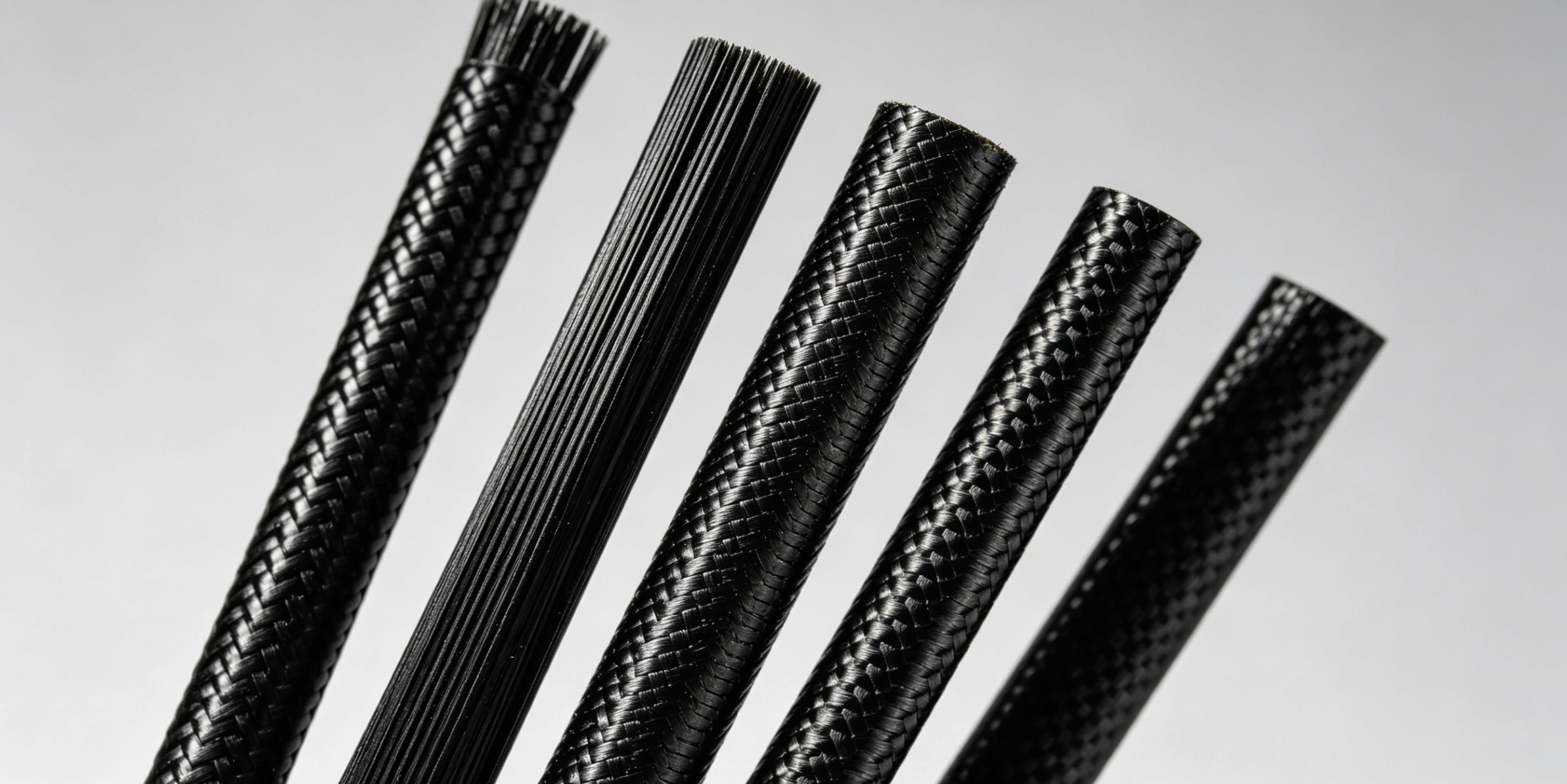
“K” means thousands. A 6K tow holds 6,000 individual carbon filaments. A 12K tow holds 12,000. The filaments are identical — same T300 grade, same 3,530 MPa tensile strength. The difference is in how those filaments get bundled. That bundling choice affects surface finish, processing behavior, cost, and final laminate quality.
T300 comes in 1K, 3K, 6K, and 12K tow sizes. Here’s how the two most common options stack up:
|
Property |
6K |
12K |
|---|---|---|
|
Filament Count |
6,000 |
12,000 |
|
Weave Texture |
Fine, smooth |
Coarser, more visible |
|
Resin Wet-Out |
Easy — shorter flow paths |
Challenging — core penetration risk |
|
Processing Risk |
Low |
Higher without advanced methods |
|
Cost per Unit Weight |
Higher |
Lower |
|
Best For |
Tight geometries, cosmetic parts |
Large panels, structural builds |
Processability: Where 6K Has the Clear Edge
More filaments in a single tow means resin has to travel farther to reach the bundle core. With 12K, poor consolidation creates dry centers — internal voids that stay hidden until the part fails under load. Vacuum infusion or RTM can handle 12K without issues, but hand layup leaves real room for error.
6K’s smaller bundle lets resin penetrate the core with standard wet layup. You get fewer defects, cleaner consolidation, and better results — no autoclave needed.
Strength Is Grade-Dependent, Not Tow-Dependent
Let’s clear up a common misconception: bundling more filaments does not change filament strength. T300 3K and T300 12K share the same fiber-level mechanical properties. What actually affects strength is processing quality, resin selection, and layup design — not the K number on the label.
That said, 12K tows in uncontrolled laminates can show reduced tensile and fatigue performance. This happens because of localized stress concentrations inside the larger bundle. Under well-controlled autoclave conditions, that gap closes.
For most T300 applications — aerospace brackets, automotive trim, sporting goods — 3K and 6K give you the best balance of processability, surface quality, and cost.
T300 Carbon Fiber Applications: Where This Grade Excels
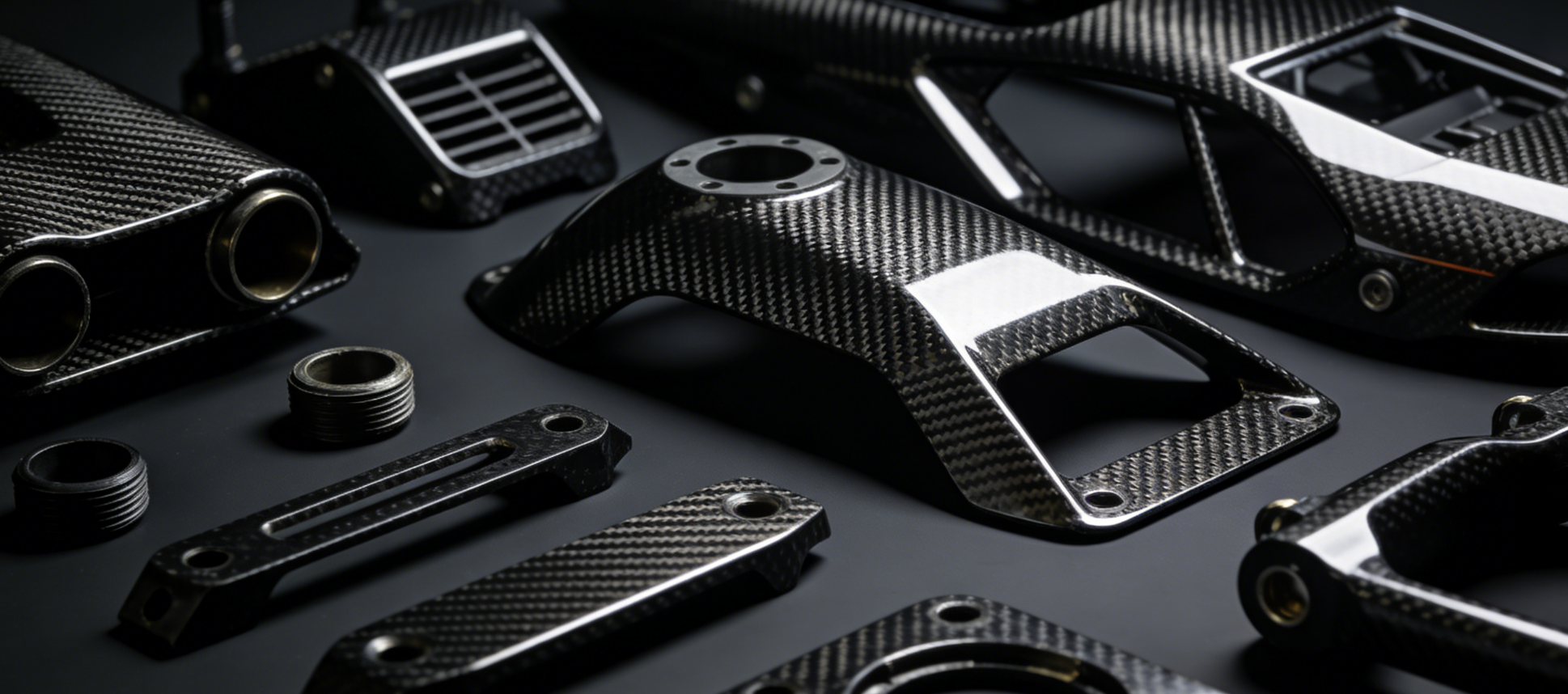
Fifty years of production history settles arguments. T300 has been in real structures — aircraft, race bikes, industrial machinery — since 1971. The market keeps coming back to it. Not out of habit. Out of logic.
Here’s where that logic holds.
Aerospace Structures: The Original Benchmark
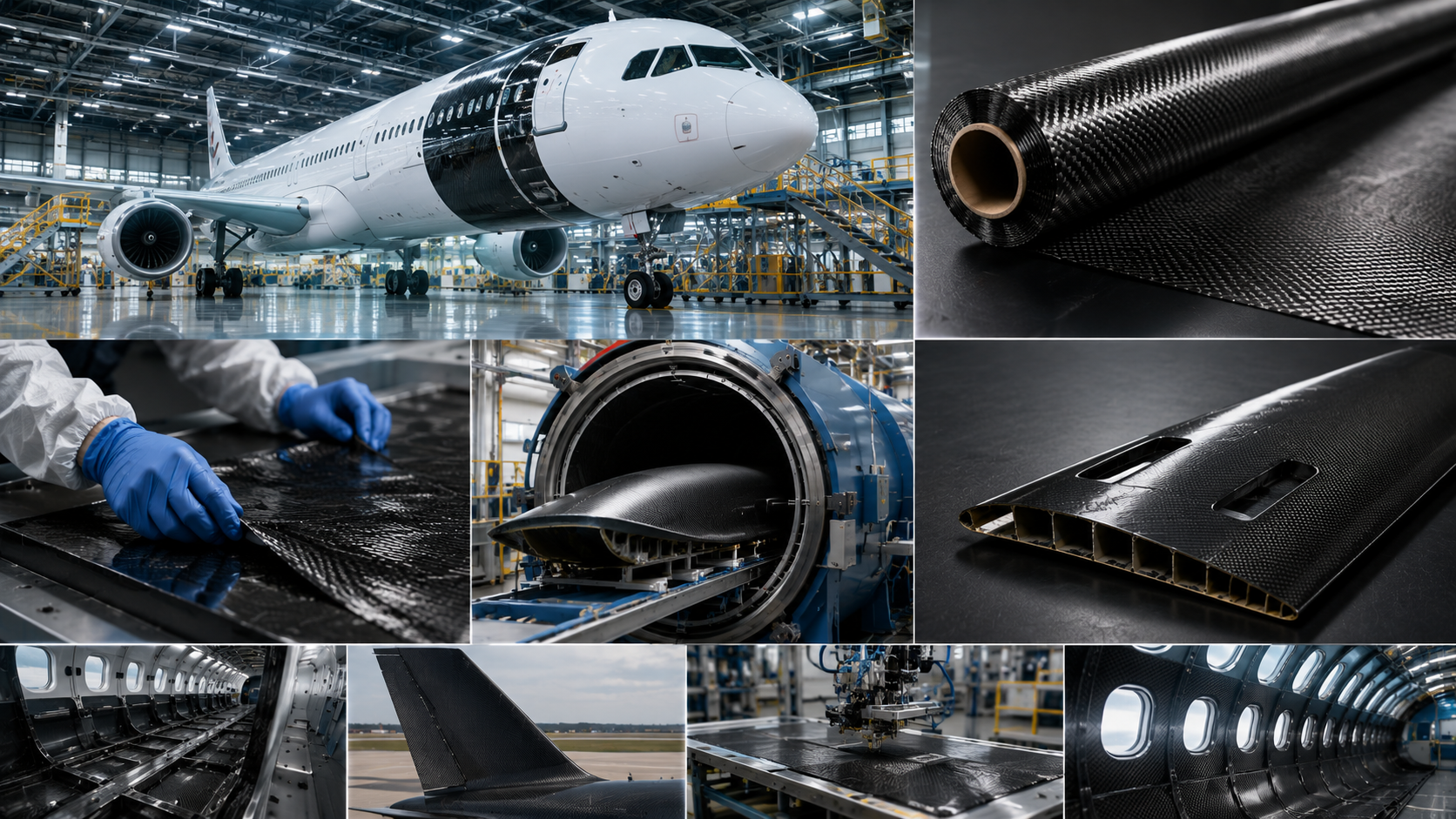
T300 didn’t find its way into aerospace. It built the baseline. For over three decades, aerospace engineers have chosen T300 for secondary structural components — fairings, brackets, interior panels, control surface skins. The combination of dimensional stability and ease of processing matters just as much as raw tensile numbers.
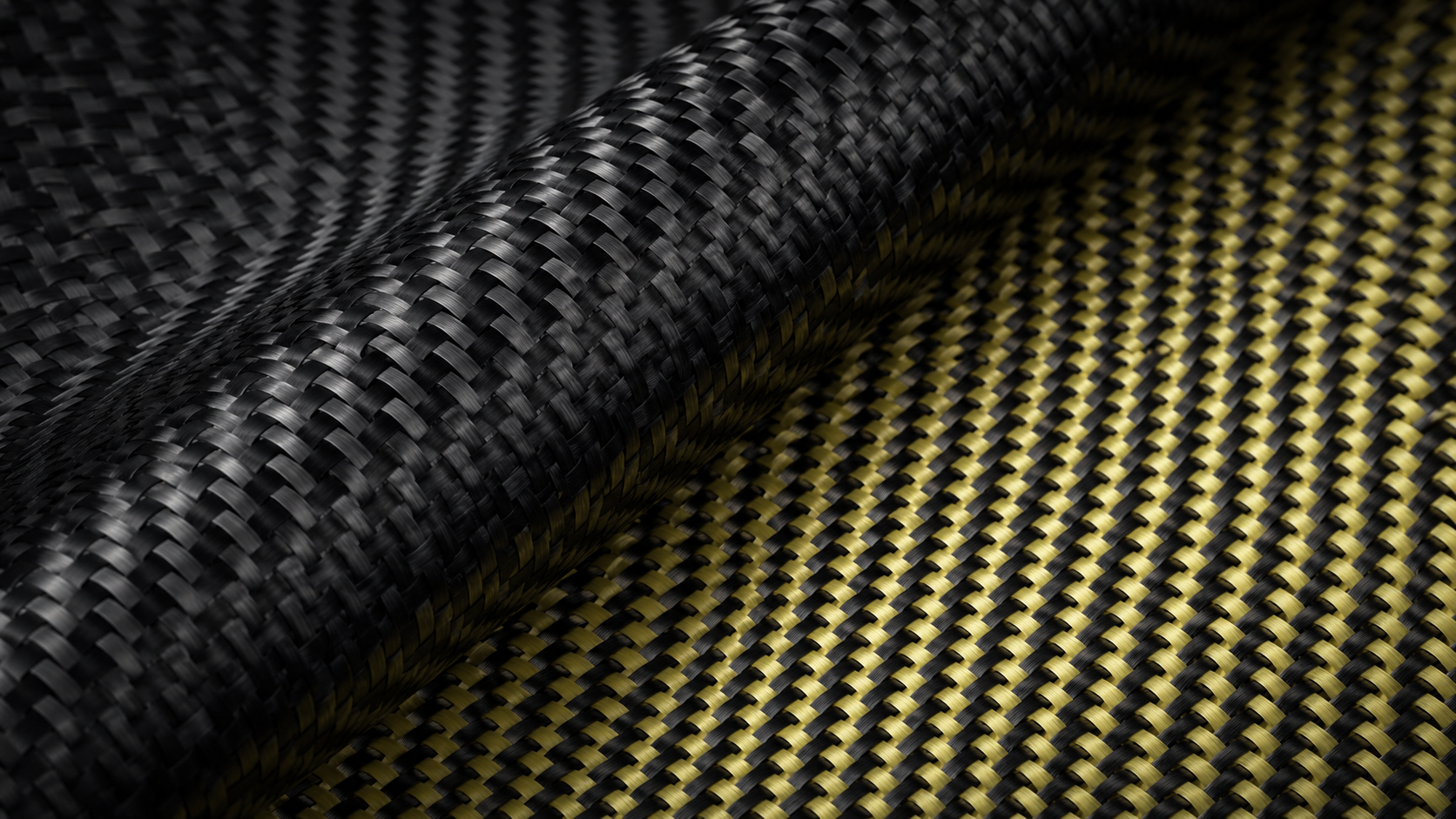
Drapability is a real advantage here. T300 fabric conforms to tight radii and compound curves. It does this without bridging or distortion during layup. On complex aerospace shapes, that matters a lot. It’s the difference between a clean laminate and a defect-prone part that fails inspection.
The numbers make this clear. A 4.99mm T300 laminate matches the performance of a 3.6mm T700SC layup. Same load path. Yes, the material cost is higher to get there. But programs already qualified on T300 face a hard choice — switching grades means requalification. Most programs won’t absorb that cost.
Sporting Goods: Where the Math Favors T300
Golf shafts. Bicycle frames. Fishing rods. These three categories alone use enormous volumes of T300 each year — and for good reason.
T300’s tensile strength runs 38.8% below T700 (3,530 MPa vs. 4,900 MPa). In a premium bike frame, that gap matters. In a mid-market golf shaft built around flex profile and weight distribution, it doesn’t. The 230 GPa modulus stays identical across both grades. Need stiffness-driven performance? T300 delivers it at a fraction of what an upgrade would cost.
Automotive & Industrial: High Volume, Non-Safety Parts
T300’s tensile strength is four times that of structural steel (3,530 MPa vs. ~800 MPa). For non-safety automotive components — trim panels, under-hood covers, interior structures — that margin is more than enough.
Engineers specify T800 for CNG pressure vessels and rocket casings. T300 covers everything else where mass reduction and cost control share equal priority. In high-volume production, that’s most of the parts list.
Prototyping & DIY: The Entry Point That Holds Up
No carbon fiber grade processes more cleanly or with less fuss than T300. It works with epoxy, phenolic, polyester, and vinyl ester systems. Hand layup, vacuum bagging, resin infusion — all of them run well with standard 1K plain weave or 3K twill fabric.
For UAV components, cosmetic veneers, RC parts, and consumer product housings, T300 gives you consistent visual finish and predictable mechanical behavior. You don’t need autoclave conditions or specialized tooling to get good results.
The supply chain is mature and stable. Toray has been shipping this fiber for five decades. Distributors on every continent carry it in standard tow sizes, so sourcing is straightforward wherever you’re based.
For prototype developers and first-time composite builders, T300 checks every practical box — affordable, easy to machine, and easy to source. That’s not a compromise. That’s a solid starting point.
T300 Carbon Fiber Price: What to Expect & What Affects the Cost

Pricing carbon fiber is not like pricing aluminum sheet stock. The same material — same grade, same fiber — can cost three times as much. It all comes down to packaging, certification, and order volume.
Here’s what the T300 market looks like right now.
Current Market Price Ranges
|
Form |
Retail / Small Batch |
Bulk / High Volume |
|---|---|---|
|
Dry Fabric (3K, per roll) |
$1,800 – $2,300 |
$2,005 – $2,100 (9+ rolls) |
|
Cut Sheets (varies by size/thickness) |
$10 – $115 per piece |
$2 – $3 per sheet (factory direct, large qty) |
|
Prepreg |
Higher than dry fabric |
Processing adds estimated 20–50% |
Specific data points worth noting:
-
3K Twill Weave, 205gsm, 50″ wide full roll: $1,799 (promotional stock pricing)
-
3K Plain Weave, 204gsm, 50″ wide, 50-yard roll: $2,297.99 single roll; drops to $2,005.39 at 9+ rolls — a 13% volume discount
-
T300 sheets at 200×300×1.5mm: $14. At 2mm: $17.
-
500×600mm sheet at 2–6mm thickness: ~$114.99 retail
-
Factory-direct bulk sheets: as low as $2–$3 per unit at high quantities
The price spread is wide. A prototype builder buying one sheet pays $10–$115. A manufacturer buying factory-direct at volume pays $2–$3 for the same material. That’s not a pricing error — it’s just how composite materials scale.
What Drives the Cost Variation
Form factor is the biggest driver. Dry fabric costs less than prepreg. With dry fabric, there’s no resin system to formulate. There’s no temperature-controlled storage to maintain. There’s no shelf-life countdown from the moment it ships. Add a resin system, and prepreg runs 20–50% more than dry fabric.
Thickness moves sheet pricing in a straight line. Budget about $3 per additional millimeter on cut plates.
Certification and brand create a real price gap. Toray-certified material sold through authorized distributors — Rock West, Soller, and similar — comes with verified gsm, confirmed tensile specs, and traceable lot documentation. Factory-direct pricing from Alibaba suppliers can hit $2–$3 per sheet. But “T300” on a label does not mean Toray T300 fiber is in the tow. Those are two different things. Check filament count, areal weight, and tensile spec before you commit to a supplier.
T300 Carbon Fiber: The Right Choice vs. Time to Upgrade
Most material selection mistakes don’t come from ignorance. They come from overthinking.
Engineers reach for T700 or T800 because the specs look better on paper. They pay the premium. The part performs — but no better than T300 would have. That gap between what you paid for and what you needed? That’s the cost of over-engineering. In carbon fiber, it adds up to 20–40% higher material cost with zero proportional return.
Here’s how to stop that from happening.
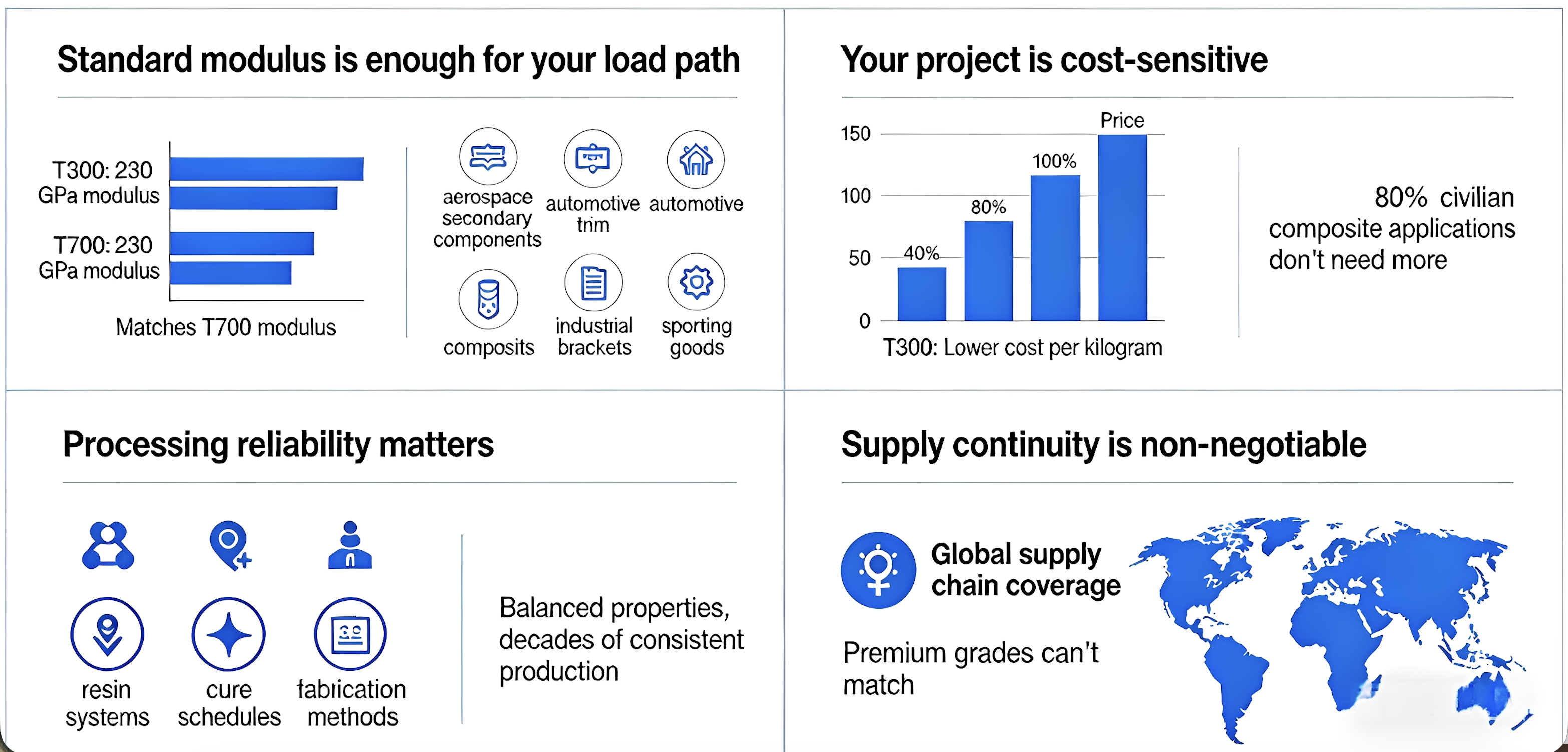
The Four Conditions Where T300 Is the Right Call
Standard modulus is enough for your load path.
T300’s 230 GPa modulus covers the structural needs of aerospace secondary components, automotive trim, industrial brackets, and most sporting goods. That’s not entry-level thinking — it matches the modulus T700 delivers, at a lower cost per kilogram.
Your project is cost-sensitive.
T300 gives you the best value across tensile strength and modulus per dollar. About 80% of civilian composite applications don’t need anything more demanding. T300 hits the right number for those projects, every time.
Processing reliability matters.
T300 has balanced properties and decades of consistent production behind it. That makes it forgiving across resin systems, cure schedules, and fabrication methods. At high volume, that predictability has real dollar value — fewer surprises, fewer rejected parts.
Supply continuity is non-negotiable.
No carbon fiber grade ships with more global consistency than T300. That depth of supply chain coverage protects your production schedules. Premium grades can’t always say the same.
Three Signals That It’s Time to Upgrade
Your application needs strength above 3,530 MPa.
Racing bike frames under competition loads, high-cycle aerospace structures, wind turbine blades — these are strength-limited builds. T700’s 39% higher tensile strength justifies its 1.5–2× cost premium. The load math makes the decision for you.
You need stiffness beyond 230 GPa.
T300 and T700 share the same modulus. Your design may need intermediate or high-modulus performance — satellite structures, precision optical housings, advanced aerospace assemblies. For those applications, move to the M-series. Standard modulus won’t fix a stiffness problem.
Your part runs in high-cycle or extreme environments.
T300 is reliable under normal conditions. Under thousands of high-intensity load cycles, it degrades faster than higher-performance grades. The performance drop can cross the one-year threshold sooner than expected. At that point, the upgrade cost pays for itself.
The decision rule is straightforward. Your application isn’t strength-limited, stiffness-limited, or environment-limited beyond T300’s range? You don’t need to spend more. The fiber that built the composite industry still earns its place on the spec sheet.
T300 Carbon Fiber FAQ
Engineers ask the same questions. Here are the straight answers.
Is T300 the same as 3K carbon fiber?
No — and this mix-up causes real sourcing problems. T300 is a Toray grade designation. It tells you the fiber’s tensile strength class (3,530 MPa). 3K is a tow specification. It tells you there are 3,000 filaments per bundle. These are two separate specs. They describe different things. T300 fiber ships in 1K, 3K, 6K, and 12K tow sizes. You can source 3K fabric made from cheaper, ungraded fiber — fiber that has nothing to do with Toray T300.
How much stronger is T700 than T300?
About 38% stronger in tensile strength — 4,900 MPa vs. 3,530 MPa. The modulus? Identical at 230 GPa. So if your design is stiffness-driven rather than strength-limited, that 38% premium gives you nothing useful. You’re paying more for a number that doesn’t move the needle in your application.
What’s the best fabrication method for T300?
Wet layup works, but you’re leaving performance on the table. Vacuum bagging and epoxy infusion give you denser, lighter laminates. You get a better strength-to-weight ratio and less resin waste. T300’s modulus runs 4× higher than glass fiber — that holds true across all methods. But process quality decides how much of that number carries over into your finished part. Poor process means lost performance, regardless of the fiber grade.
Does T300 work for aerospace?
It has for over 20 years. Secondary structures, fairings, brackets, interior panels — T300 covers all of them. Its supply consistency and processing reliability are the core reasons aerospace programs keep qualifying it. You get a fiber grade with a long, proven track record across real production environments.
Conclusion
T300 carbon fiber has earned its place as the industry’s most trusted starting point. Not because it’s the strongest or stiffest fiber out there. It earns that spot because it delivers proven, predictable performance at a cost that keeps real-world manufacturing practical.
Your project may not need the extreme tensile strength of T700. It may not need the aerospace-grade stiffness of T800. T300 is your best move. It’s been tested across sporting goods, industrial tooling, UAV frames, and structural prototypes worldwide — and the results speak for themselves.
The real risk isn’t choosing T300. It’s over-specifying your material without knowing what you’re paying for.
Ready to source T300 carbon fiber for your next project? Explore our T300 carbon fiber components or reach out to our engineering team. We’ll help you confirm the right tow size, fiber count, and resin compatibility before you commit to a single spool.
Contact HyperX Carbon – Your Trusted Chinese Carbon Fiber Customization Partner
Ready to develop high-performance carbon fiber materials or custom forged carbon fiber parts tailored specifically for your project?
HyperX Carbon is your long-term strategic partner with over 20 years of expertise in advanced composites. We specialize in delivering aerospace-grade forged carbon fiber custom solutions, along with fully personalized prepreg, tubes, sheets, and lightweight carbon fiber structural components for automotive, drone, eVTOL, and medical applications.
We don’t just supply materials — we provide end-to-end customization support:
-
Stable premium supply chain using Toray, Mitsubishi, and Hengshen raw materials
-
AS9100D certified production tailored for aerospace and UAV requirements
-
Rapid prototyping carbon fiber component in just 5-8 weeks, with monthly capacity over 180,000 parts
-
Competitive pricing with 15-18% cost savings on forged carbon solutions
-
Full customization flexibility: from T700 and T1100G to ultra-high modulus grades, with tailored layups, finishes, and performance specifications
Whether you’re an eVTOL developer, automotive OEM, drone manufacturer, or medical device engineer, HyperX Carbon delivers bespoke material selection, structural optimization, and manufacturing solutions that match your exact technical and performance needs — with consistent batch-to-batch quality and reliable delivery.
Get in touch today for a free technical consultation, personalized quote, or custom material samples.
📧 Email: [email protected] 🌐 Website: https://www.hyperxcarbon.com/ 📞 Phone/WhatsApp: +86 15623270276 (English support available)
Let’s co-create your next lightweight innovation together. Contact HyperX Carbon now and stay ahead in the low-altitude economy and advanced composites market.
HyperX Carbon – Not just a supplier, but your dedicated carbon fiber customization expert.