The wrong fabrication process costs more than money. It compromises structural integrity, wastes production time, and can destroy the entire part.
Compression molding and wet layup sit at opposite ends of the carbon fiber manufacturing spectrum. Yet engineers and manufacturers often choose between them based on incomplete comparisons or outdated assumptions.
The surface-level price tag doesn’t tell the full story. Fiber volume fraction, void content, and total cost of ownership paint a much clearer picture.
Processing carbon fiber prepreg for aerospace components? Evaluating wet layup for lower-volume prototypes? Either way, the process you pick shapes every mechanical property your finished part will ever have.
What follows is a clear, direct breakdown — no filler, no vague generalities.
Compression Molding vs Wet Layup
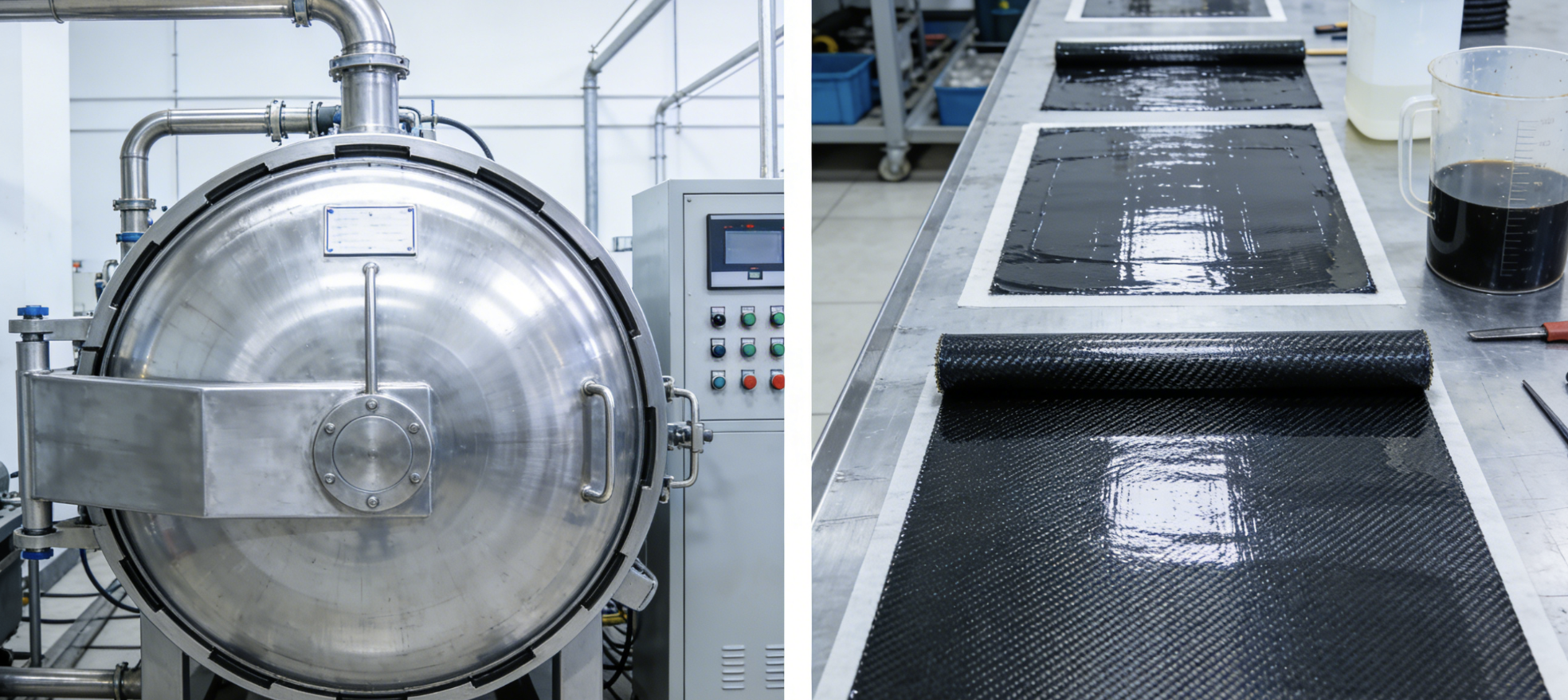
Two processes. Two completely different ideas about how resin meets fiber.
|
Factor |
Compression Molding |
Wet Layup |
|---|---|---|
|
Fiber volume fraction |
Up to 65% |
Much lower |
|
Void content |
Minimized |
Trapped air risk |
|
Cycle time |
75–180 seconds |
Hours |
|
Automation potential |
High |
Manual-dependent |
Wet layup still has its place — marine hulls, wind fairings, low-load panels. Those are fair use cases. But for structural carbon fiber parts under real performance demands, compression molding isn’t just a step up. It’s a different category.
What Is Compression Molding? (Process, Materials & How It Works)
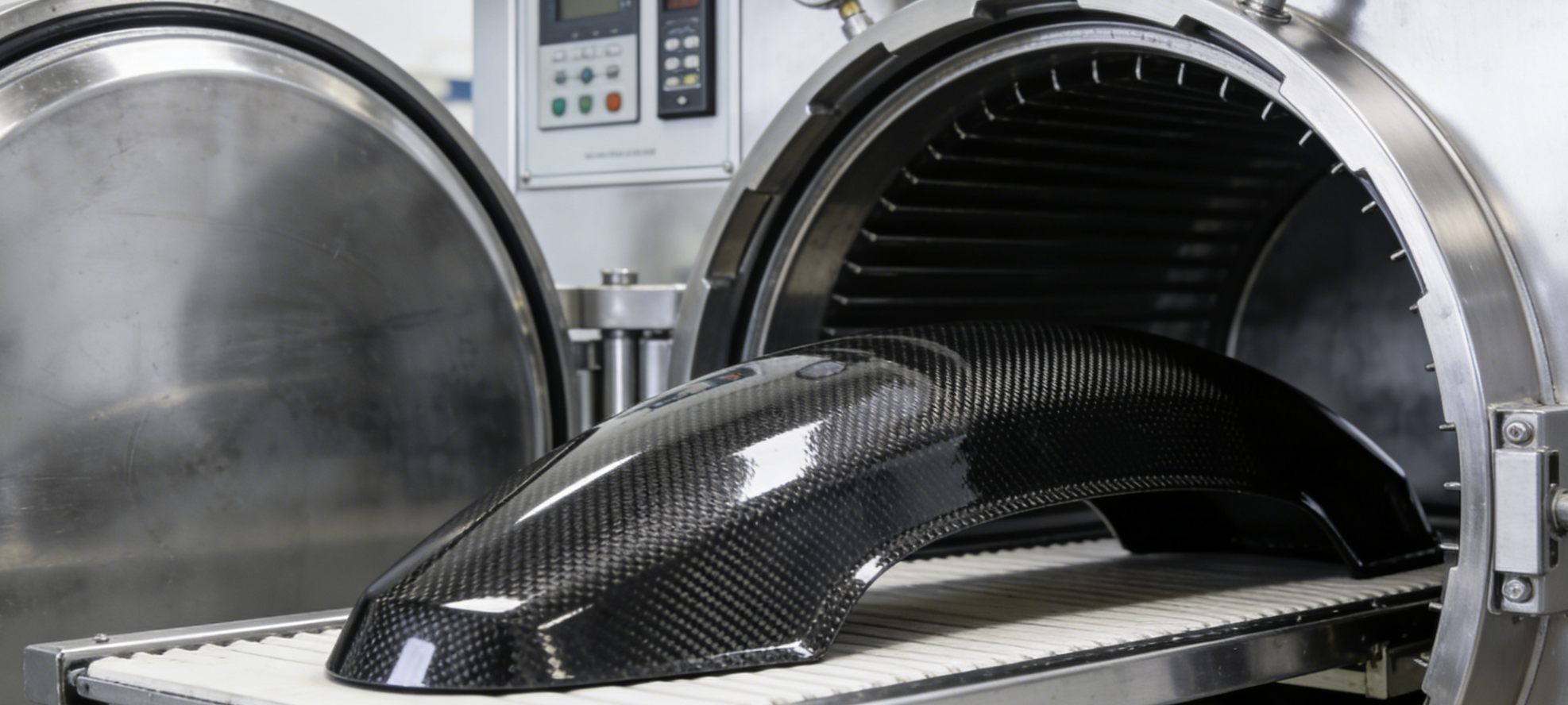
Hardened steel. Hydraulic force measured in hundreds of tons. A closed cavity that leaves the material nowhere to go — except where you want it.
That’s compression molding at its core. The controlled force is what drives the result.
The process starts before the press closes. A CNC-machined steel mold gets cleaned and preheated to 270–350°F (132–177°C). Then you load it with a prepared charge — a preform, a precut sheet, or pre-impregnated fiber layers. Charge placement matters. Center the material in the lower cavity. Off-center placement creates uneven flow. Uneven flow creates weak spots.
Then the upper mold comes down. Hydraulic cylinders drive the two halves together in about 6 seconds. Heat and pressure take over from there. The material flows, fills every corner of the cavity, and cross-links into a solid, consolidated structure. Total cure cycle: 1 to 5 minutes, depending on part thickness and material system.
Materials That Run Through This Process
Compression molding works across a wide range of material types:
-
Epoxy + carbon fiber prepreg — the go-to for aerospace and structural composites where strength-to-weight ratio is non-negotiable
-
Phenolic laminates — fiber layers bonded with phenolic resin, pressed at temperature, used for electrical insulation panels
-
SMC/BMC fiber-reinforced blanks — glass, aramid, or carbon fiber systems built for automotive and industrial components
-
Thermoplastics — granules or pellets with indefinite shelf life, shorter cycles, and no cross-linking chemistry to manage
PLC-controlled hydraulic presses manage every variable — temperature, pressure, dwell time — with zero manual guesswork. That’s not a small detail. Repeatability is the core value compression molding holds over hand-based processes. You get the same part, same dimensions, same structural integrity, run after run.
One hard constraint to know upfront: no undercuts. The part must release clean once the mold opens. Design around that limitation early. Miss it in the design phase, and you’ll pay for it at ejection.
What Is Wet Layup? (Process, Materials & Manual Execution Reality)
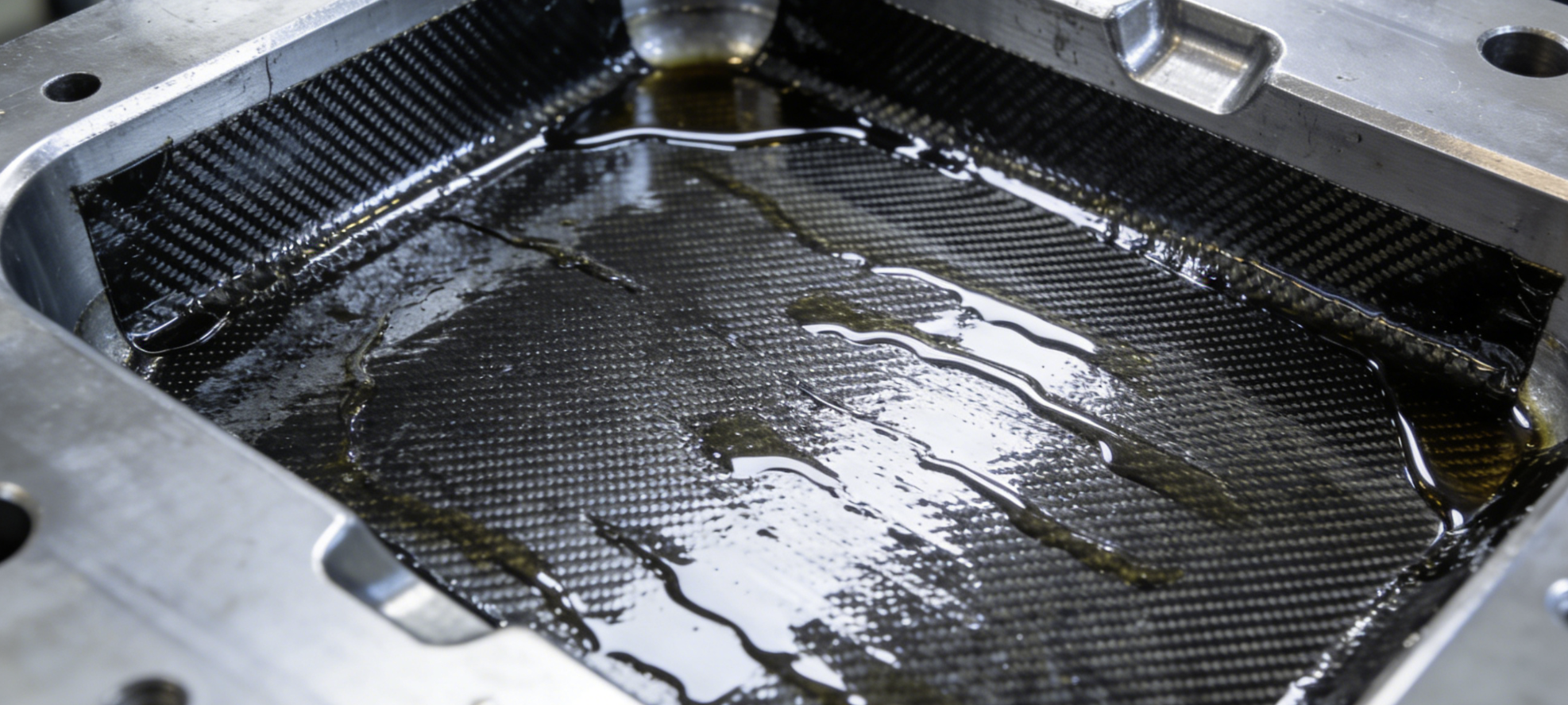
Wet layup is a human process at its core. A single-sided mold, dry fiber, liquid resin, and a roller in someone’s hands — that’s the entire system.
Dry fabric goes down first. E-glass mats (chopped or woven), carbon fiber, Kevlar, aramid — all laid onto a prepared mold surface coated with release agent. That coating is PVA, liquid wax, or PTFE film. Sometimes a gel coat goes on first, 0.02–0.04 inches thick, and it cures before any fiber touches the mold.
Then the resin comes in. You pour polyester or epoxy across the fabric and work it in with brushes and rollers until the fabric is fully saturated. With E-glass, you can see it happening — the fibers go translucent as resin works through them. Carbon and Kevlar don’t give you that visual cue. Denser weaves build thickness fast but push back against resin in tight radii. That problem doesn’t show up during layup. It shows up later.
Next comes consolidation. You roll out air pockets and squeeze off excess resin, layer by layer. Core inserts — foam or honeycomb — go in mid-stack. Wet both sides before placing them. Keep the cells dry to hold onto the weight savings.
Where Operator Skill Becomes the Process Variable
Wet layup splits from every controlled manufacturing method right here. Hand pressure, roller speed, coverage pattern — these aren’t minor variables. They are the process. Poor technique creates voids, uneven fiber-to-resin ratios, and trapped air. No amount of post-cure work fixes that.
Vacuum bagging helps. A silicone membrane pushes consolidation pressure across the laminate. It pulls out trapped air and evens out the result. But it sits on top of a manual foundation — it doesn’t replace the skill that foundation requires.
The tool side cures smooth. The air side doesn’t. That tradeoff is built into the method.
Quality Comparison: Fiber Volume, Void Content & Structural Integrity
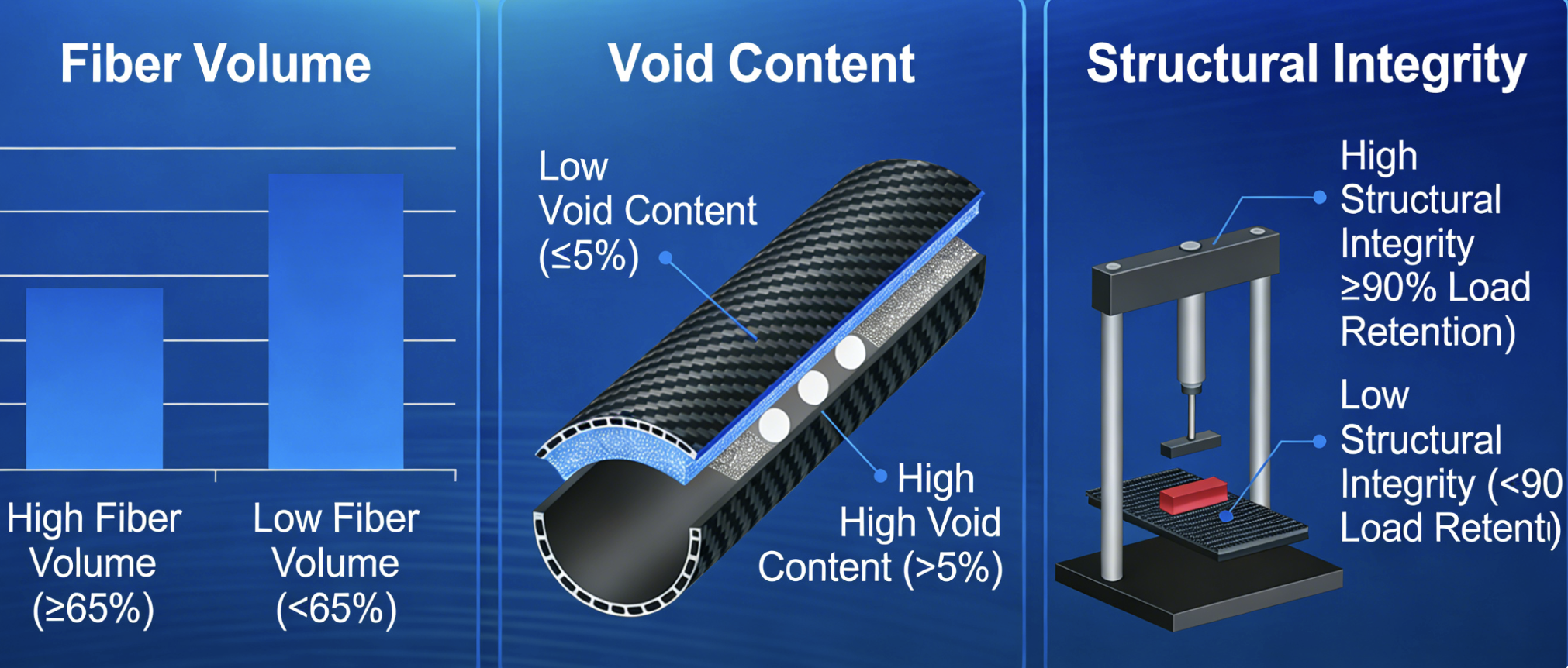
Two numbers define carbon fiber fabrication quality more than anything else: fiber volume fraction and void content.
These aren’t abstract metrics. They decide whether a structural part holds its load — or fails under it.
Fiber Volume Fraction: Where the Gap Is Real
Compression molding’s DFCM process hits 65% fiber volume fraction (Vf). Wet layup lands at 56–60% — 56% for 3k 2×2 twill carbon sheets, up to 60% for 12k 2×2 twill.
That 5–9% difference sounds small. It isn’t.
Higher Vf means more fiber doing mechanical work per unit thickness. Each extra percentage point of resin adds weight without adding strength. Above Vf >60%, stiffness and strength per thickness climb to a level that lower-Vf laminates can’t reach. Wet layup, by its nature, can’t hit that threshold with any reliability.
Void Content: The Silent Failure Mechanism
Aerospace structural composites set a hard ceiling: less than 2–3% void content, maximum. Professional-grade laminates target ≤1%.
Go past that ceiling, and the penalty is severe:
-
Every 1% increase in void content cuts interlaminar shear strength (ILSS) by 7–10%
-
Compressive strength drops fast above the 1% mark
-
Voids concentrate stress and shorten fatigue life
-
Part-to-part variability grows — and no inspection process can fix that after the fact
Compression molding uses matched tooling and controlled consolidation pressure. With complete wet-out, it produces near-void-free laminates. Wet layup works differently. Manual impregnation traps air. Dense weaves and tight radii don’t saturate evenly. That’s where void populations form — and where ILSS and compressive performance start to degrade.
Structural Integrity: What the Surface Doesn’t Show
Closed-mold compression gives you consistent edge quality, uniform density, and clean CNC-cut edges after cure. Wet layup parts show a higher rate of surface bubbles, uneven resin streaks, fiber pull-out at edges, and delamination risk from resin-rich zones.
The line is clear:
-
Structural applications that need Vf above 60% and voids below 1–2% require compression molding
-
Wet layup works for non-structural panels where voids under 3% and lower dimensional precision are acceptable tradeoffs
Cost Breakdown: Setup, Per-Part & Total Cost of Ownership
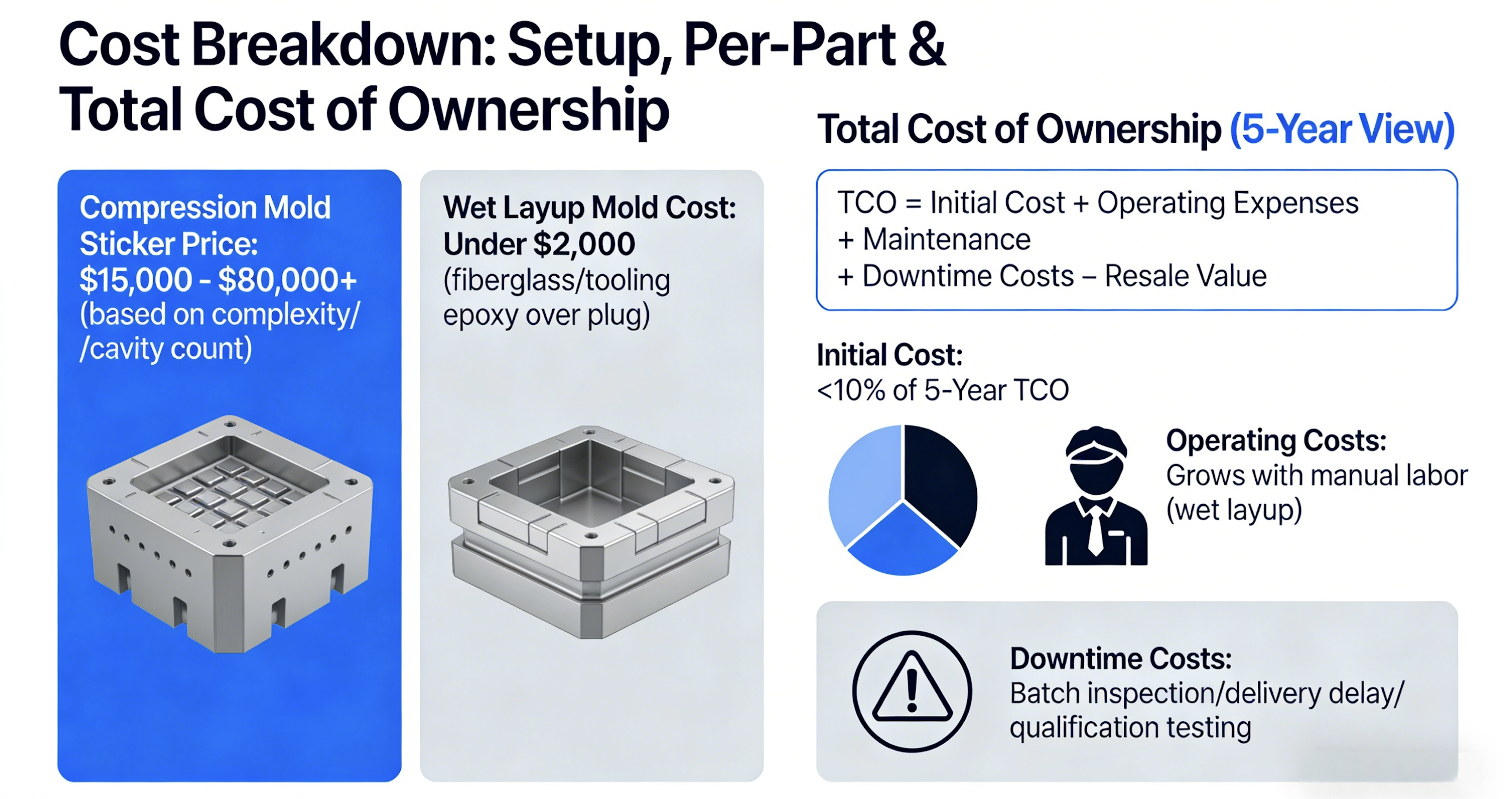
The sticker price on a compression mold shuts down most conversations fast. That’s the wrong place to start.
A matched steel tool for compression molding runs $15,000 to $80,000+, based on complexity and cavity count. A wet layup mold — fiberglass or tooling epoxy over a plug — costs a fraction of that. Sometimes under $2,000. On paper, the gap looks clear-cut.
It isn’t.
Setup Costs: What You’re Really Buying
Compression molding’s high upfront tooling cost buys something wet layup can’t match: cost spread across thousands of identical parts. A steel mold rated for 50,000 cycles spreads that $50,000 investment down to $1 per part — before you count labor, energy, or material.
Wet layup molds don’t wear out the same way. But they don’t scale the same way either. As volume climbs, you add labor hours — not press cycles.
Setup costs also cover more than just the tool:
– Press equipment: Hydraulic compression presses run $80,000–$500,000+
– Temperature control systems: Precision heating adds to the capital line
– Operator training: Compression molding runs on PLC control and repeats consistently. Wet layup needs skilled hand labor at every single run.
Per-Part Cost: Where the Real Numbers Live
At low volumes — under 500 parts — wet layup wins on per-part cost. No dispute there.
Above that number, the math flips. Compression molding runs cycle times of 75–180 seconds. Wet layup takes multiple hours of manual work per part. That gap in labor cost adds up fast. Energy costs run higher per press cycle, but labor is the biggest variable. And labor doesn’t get cheaper as volume grows.
Material waste matters too. Prepreg charges cut to near-net shape. Wet layup trimming leaves offcuts with nowhere to go.
Total Cost of Ownership: The Five-Year View
Run a real TCO calculation across five years of production, and the compression molding price gap shrinks fast. Here’s the formula:
TCO = Initial Cost + Operating Expenses + Maintenance + Downtime Costs − Resale Value
The initial cost — tooling, equipment, installation — stays under 10% of five-year TCO in most cases. Operating costs carry the real weight. Wet layup’s operating costs grow with every human hand in the process.
Downtime is the line item most manufacturers overlook. One void-related rejection in a structural carbon fiber part doesn’t just scrap that part. It triggers a full batch inspection. It delays delivery. It can reopen qualification testing. None of that shows up on any per-part estimate.
The honest summary:
– Wet layup wins on setup cost and low-volume flexibility
– Compression molding wins on per-part cost at volume, reject rate, and total cost of ownership across any real production run
– The crossover point lands somewhere between 300 and 800 parts, based on part complexity and labor rates
Pick the process that fits your volume. But calculate what you’re spending for real — not just what you’re paying on day one.
Performance Comparison: Cycle Time, Mechanical Properties & Scalability
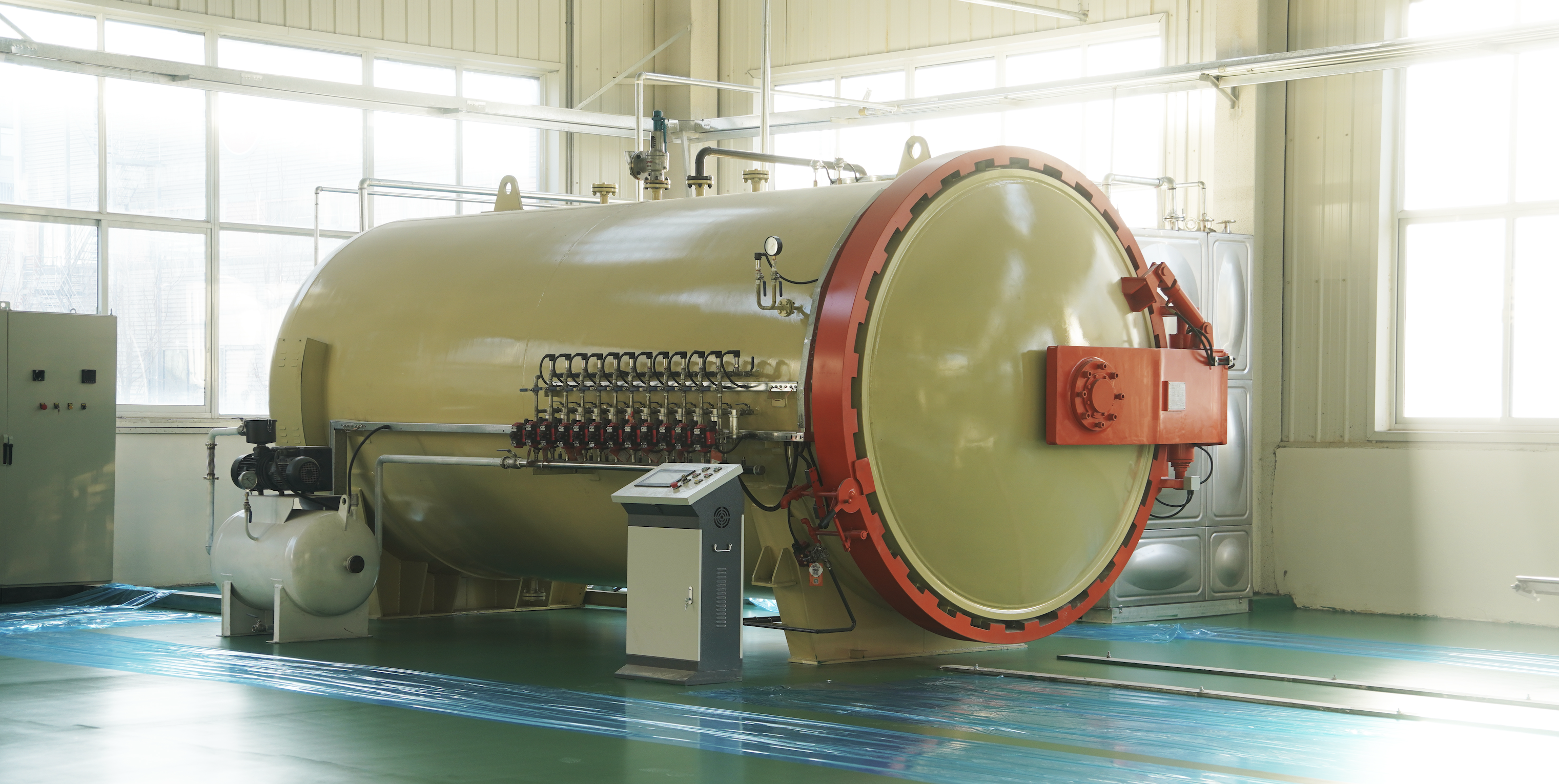
Speed, strength, and scale — three variables that show what each process can and cannot do.
Cycle Time: The Throughput Gap Is Not Subtle
Compression molding cycles between 75 and 180 seconds per part. Wet layup — including manual impregnation and cure — runs 30 to 60 minutes of layup followed by 2 to 4 hours of cure time. That’s 300–600% longer, per part, every single run.
Put that on an 8-hour production shift and the numbers get stark:
|
Process |
Parts/Day |
|---|---|
|
Compression molding (75s cycle) |
3,840 |
|
Compression molding (180s cycle) |
1,600 |
|
Wet layup |
<300 |
That’s not a marginal advantage. It’s a different operating reality.
Mechanical Properties: Where It Gets Complicated
Most comparisons get this wrong. Wet layup doesn’t lose across the board on mechanical properties. It depends on which property you’re measuring.
|
Property |
Compression Molding |
Wet Layup |
|---|---|---|
|
Tensile Strength |
1,200–1,800 MPa |
1,500–2,200 MPa |
|
Flexural Strength |
450 MPa |
520 MPa |
|
Flexural Modulus |
120 GPa |
140 GPa |
Wet layup uses a higher fiber volume fraction and controlled prepreg curing. Those two factors let it beat compression molding on raw tensile and bending numbers. The 15% flexural strength gap is real. For non-critical automotive structures, that gap is a fair tradeoff against lower tooling cost.
There’s an important exception. Compression RTM reaches 90–95% of autoclave wet layup mechanical properties at 50% weight savings in aviation applications. That’s the core efficiency argument for compression — not peak strength, but strength-per-kilogram at production speed.
Scalability: One Process Multiplies, One Just Adds Labor
Compression molding scales like hardware. Automate preform loading and cycle time drops 20–30%. Add MES and robotics across 10–50 machines per line, and throughput compounds. At 1,000+ parts per day, yield holds above 99%.
Wet layup scales like headcount. One operator, one part. Add volume, add people. Cycle deviation runs 30% part-to-part — built into the method itself, not the operator. No automation path changes that constraint in any meaningful way.
The bottom line: wet layup can match or beat compression molding on certain mechanical properties at low volumes. But it can’t match compression molding’s throughput, consistency, or scalability at any production volume that matters in a commercial setting.
Geometry & Design Complexity: Where Each Process Has Real Limits
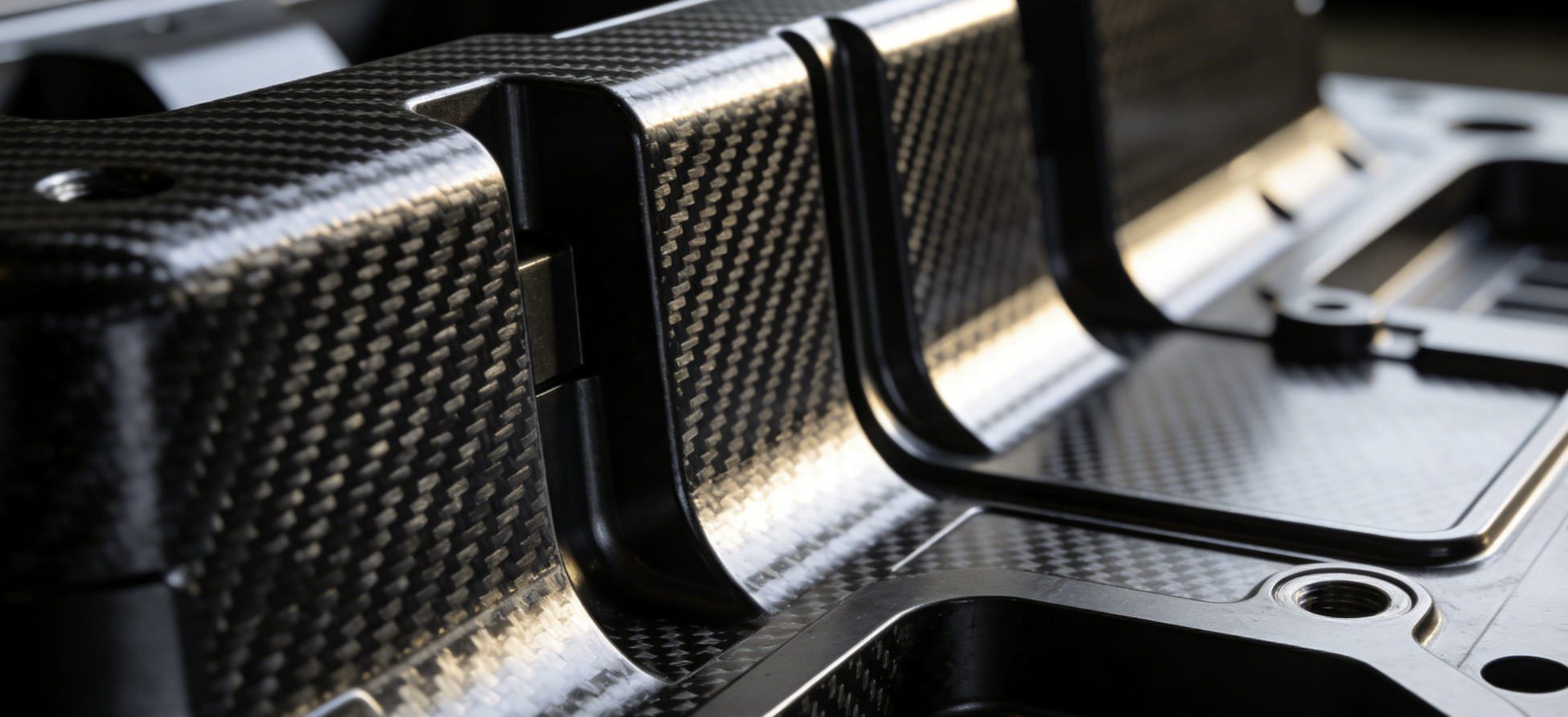
Shape is where these two processes stop being comparable.
Compression molding owns flat parts and gentle curves. Parts with radii above 5mm and no steep compound angles are its sweet spot. Matched steel tooling fills the cavity at better than 95% uniformity. That’s not a rough estimate — hydraulic pressure distributes evenly through a predictable geometry, and the numbers follow directly from that.
Push past those limits and the physics fights back. Deep cavities beyond 10mm cause pressure drops exceeding 50% at the walls. Shear thinning can’t make up the difference. Acute angles below 30° generate fiber buckling at strains above 20%. Compacted density drops below 90% of target. Void populations reach up to 15% by volume in the worst corners. Wrinkling risk runs 40–60% on complex surface profiles. PLC control can’t fix material that has no path to flow where the geometry demands it.
Wet layup goes where compression molding can’t. Manual draping handles compound angles up to 45°, irregular molds, and one-off custom forms. No tooling constraints hold you back. The prototyping speed difference is stark:
|
Metric |
Wet Layup |
Compression Molding |
|---|---|---|
|
Setup time |
<1 day |
2–4 weeks |
|
Minimum batch |
1 unit |
100+ units |
|
Design iteration cost |
~$500 |
$10,000+ |
|
Mold modification lead time |
<24 hours |
2–6 weeks |
Structural parts with complex shapes carry tradeoffs in both processes. Aggressive geometric optimization can push +30% strength on paper. In practice, fabrication defects from isolated islands and weak interlayer bonding cut actual performance by 25%. Designs that favor large cross-sections above 5mm² and skip isolated thin features keep interlayer bond strength above 95%. Load capacity stays in a predictable range.
The rule is simple: design complexity and process capability have to match before you commit to tooling.
Head-to-Head Comparison Table: 8 Critical Decision Factors
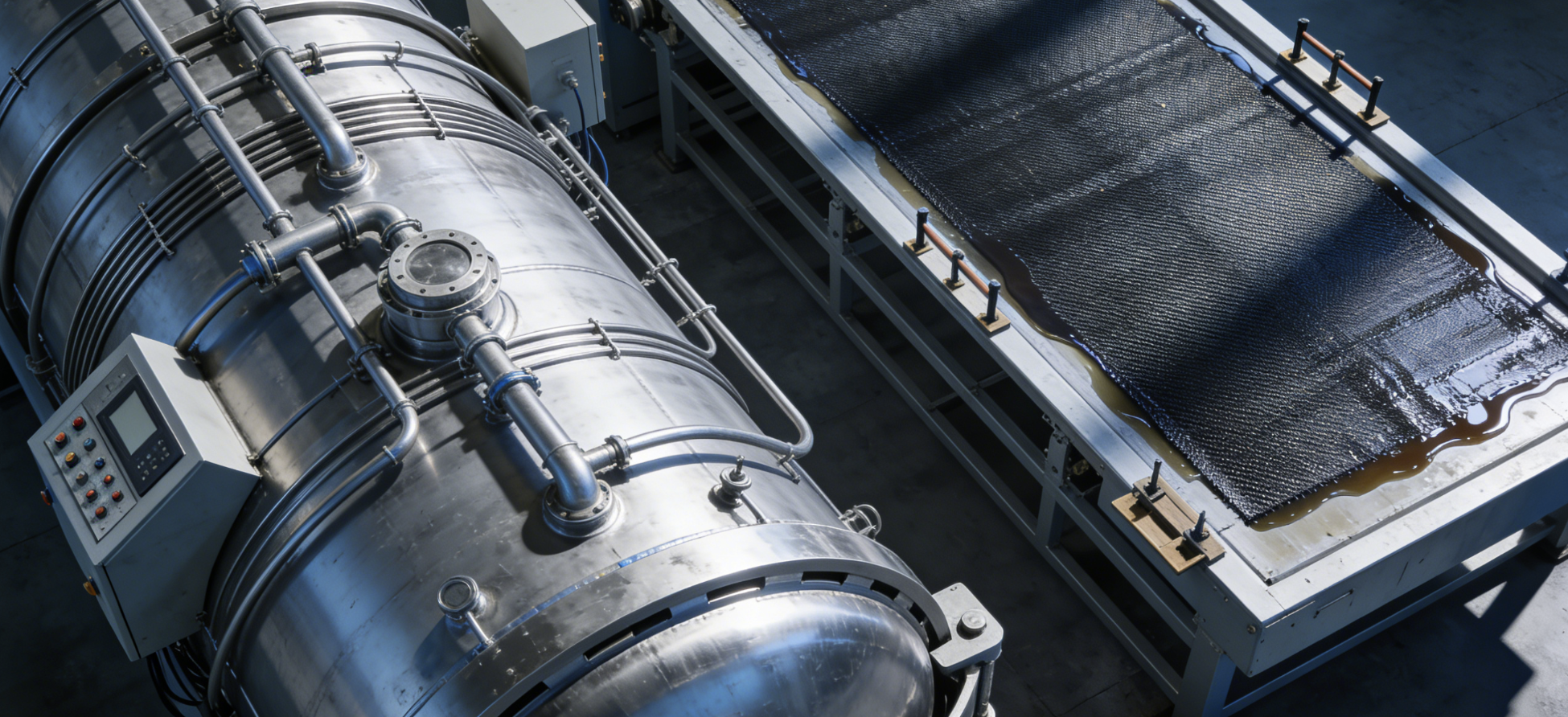
Eight factors. Two processes. One decision that shapes every part you’ll ever pull from a mold.
The table below scores compression molding and wet layup on the criteria that matter in production — not theory, not marketing language. Each factor has a weight that reflects its real impact on manufacturing results.
|
Factor |
Weight |
Compression Molding |
Wet Layup |
Winner |
Quantified Basis |
|---|---|---|---|---|---|
|
Fiber Volume Fraction |
0.15 |
★★★★ (55–65%) |
★★ (40–56%) |
Compression |
65% avg vs. 56% max; higher fiber fraction drives structural performance |
|
Void Content |
0.12 |
★★★ (<1%) |
★ (3–8%) |
Compression |
0.5% typical vs. 5%+ avg; each 1% void costs 7–10% ILSS |
|
Surface Quality |
0.10 |
★★★★ (Ra 0.8–1.6 μm) |
★★ (Ra 5–20 μm) |
Compression |
Matched tooling cleans both faces. With wet layup, the tool side cures clean — the other side does not |
|
Unit Cost |
0.14 |
★★ ($5–10 @ 1,000+) |
★★★ ($20–50 low vol) |
Wet layup (low vol) / Tie (high vol) |
Breakeven sits near 300–800 units. Above that line, compression molding takes a clear cost lead |
|
Cycle Time |
0.13 |
★★★★ (75–180s) |
★ (2–6 hrs) |
Compression |
45s avg vs. 4+ hrs per part — a 10× throughput gap at minimum |
|
Geometric Complexity |
0.11 |
★★ (simple geometries) |
★★★★ (compound angles, freeform) |
Wet layup |
Compression loses uniformity past 10mm depth. Wet layup handles 45° compound angles with no redesign needed |
|
Minimum Economic Batch |
0.12 |
★ (1,000+ units) |
★★★★ (1–100 units) |
Wet layup |
Steel tooling runs $15k–$80k. That makes sub-500-unit runs a poor financial case for compression |
|
Automation Potential |
0.13 |
★★★★ (95% automation) |
★★ (manual-dependent) |
Compression |
Robotic preform loading, PLC control, MES integration — wet layup has no equivalent path |
Weighted totals: Compression molding scores 3.1. Wet layup scores 2.4 overall — but climbs to 3.0+ in low-volume and complex-geometry scenarios.
The decision logic is straightforward:
-
Batch > 800 units → Compression molding wins on cost, consistency, and throughput
-
Batch < 100 units or complex geometry → Wet layup wins on flexibility and capital efficiency
-
100–800 units → Run the real TCO. Labor rates and reject costs determine the outcome, not tooling price alone
No single process dominates all eight factors. Pick the one whose strengths match what your production setup needs most.
Which Process Should You Choose? Decision Framework by Use Case

The data has made the case. Now the question is which side of that data you’re standing on.
Here’s a practical framework — no abstract matrices, no decision trees built on identical conditions. Just the variables that change the answer.
Match your process to your production reality:
-
Under 100 parts — Go with wet layup. Low tooling cost, fast setup, and geometric flexibility beat every efficiency argument compression molding can offer at this volume.
-
100–500 parts — Run your real TCO. Labor rates and historical reject costs decide this. The sticker price on a steel mold doesn’t.
-
500+ parts — Compression molding wins. The per-part cost, reject rate, and throughput gap add up fast. Wet layup can’t close that gap.
Geometry matters as much as volume. Your part has compound angles past 45°, deep cavities, or irregular freeform surfaces? Wet layup stays competitive at almost any batch size.
Structural load requirements are the final filter. Parts need fiber volume fraction above 60% and void content below 2%? There’s one answer: compression molding.
Everything else is a cost negotiation.
Conclusion
Choosing between compression molding and wet layup isn’t about which process is better. It’s about which one is right for your part, your volume, and your budget.
Structural integrity and repeatable fiber volume fraction matter. In most real applications, they matter a lot. Compression molding with prepreg curing carbon fiber delivers results that wet layup cannot match at scale. That said, wet layup still earns its place on the shop floor — especially for low-volume prototypes or complex one-offs.
Here’s the takeaway: know your load requirements. Know your production targets. Let those numbers drive the decision.
Evaluating materials right now? HyperX Carbon works with engineers and manufacturers to pair the right material with the right process — including prepreg laminating carbon fiber built for real-world conditions.
The best composite part isn’t made from the most expensive material — it’s made from the right one.
Contact HyperX Carbon – Your Trusted Chinese Carbon Fiber Customization Partner
Ready to develop high-performance carbon fiber materials or custom forged carbon fiber parts tailored specifically for your project?
HyperX Carbon is your long-term strategic partner with over 20 years of expertise in advanced composites. We specialize in delivering aerospace-grade forged carbon fiber custom solutions, along with fully personalized prepreg, tubes, sheets, and lightweight carbon fiber structural components for automotive, drone, eVTOL, and medical applications.
We don’t just supply materials — we provide end-to-end customization support:
-
Stable premium supply chain using Toray, Mitsubishi, and Hengshen raw materials
-
AS9100D certified production tailored for aerospace and UAV requirements
-
Rapid prototyping carbon fiber component in just 5-8 weeks, with monthly capacity over 180,000 parts
-
Competitive pricing with 15-18% cost savings on forged carbon solutions
-
Full customization flexibility: from T700 and T1100G to ultra-high modulus grades, with tailored layups, finishes, and performance specifications
Whether you’re an eVTOL developer, automotive OEM, drone manufacturer, or medical device engineer, HyperX Carbon delivers bespoke material selection, structural optimization, and manufacturing solutions that match your exact technical and performance needs — with consistent batch-to-batch quality and reliable delivery.
Get in touch today for a free technical consultation, personalized quote, or custom material samples.
📧 Email: [email protected] 🌐 Website: https://www.hyperxcarbon.com/ 📞 Phone/WhatsApp: +86 15623270276 (English support available)
Let’s co-create your next lightweight innovation together. Contact HyperX Carbon now and stay ahead in the low-altitude economy and advanced composites market.
HyperX Carbon – Not just a supplier, but your dedicated carbon fiber customization expert.