The finish on carbon fiber isn’t just cosmetic — it changes how the material feels, performs, and ages. Matte carbon fiber absorbs light. It gives off a raw, low-key aggression. Glossy carbon fiber reflects it back, making every weave thread stand out with depth and clarity. Both look great. Both come with real trade-offs.
Wrapping a bumper, speccing out a helmet, or picking OEM parts for a build? The wrong finish choice costs you more than just looks. This guide covers matte vs glossy carbon fiber straight up — durability, maintenance, wrap applications, industrial use cases, and the exact situations where one finish beats the other.
What Makes Carbon Fiber Finishes Different: Matte vs Glossy Explained

The coating on carbon fiber does more work than most people expect. Gloss level, curing chemistry, labor hours, UV performance — the finish controls all of it.
Here’s the technical split. Glossy carbon fiber measures 85–95 GU at 60°. Matte lands at 5–25 GU. Anything above 80 GU looks mirror-bright to the human eye. Anything under 30 GU looks flat and velvety. That’s not a subtle difference — these are two separate visual categories.
The process behind each finish is just as different:
-
Glossy starts with high-solid 2K PU clearcoat. Then comes wet sanding through 400#→800#→1200# grit, followed by a full three-step polish cycle. That adds 30% more labor and pushes lead times out by 2–3 days.
-
Matte uses the same 2K PU base, but with matting agents mixed in. Sanding stops at 600#. No polishing needed. One-shot 80°C cure. Standard labor, and 24-hour delivery is possible.
One point worth knowing: the carbon fiber underneath both finishes is identical. Structural strength stays the same. The matte vs glossy difference exists only in the topcoat.
Performance-wise, matte scores higher where it counts. It offers harder scratch resistance (3H vs 2B), better UV stability (ΔE 0.8 vs 1.2 over 500 hours), and a higher friction coefficient (≈0.40 vs ≈0.25). Glossy costs 8–12% more and needs more upkeep. What you get in return is visual depth — that signature 3D weave clarity that makes carbon fiber stand out.
Matte Carbon Fiber: Appearance, Texture & Real-World Visual Impact
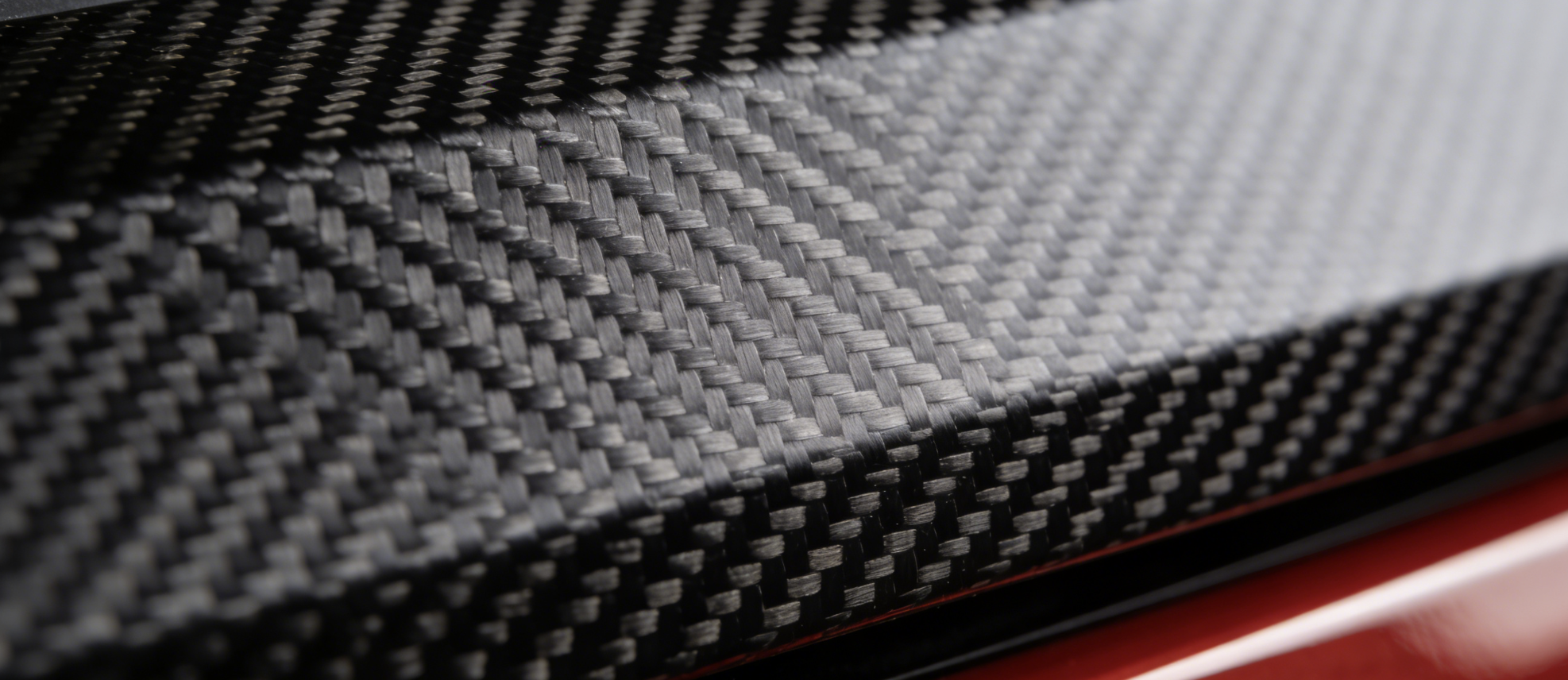
Matte carbon fiber doesn’t perform. It just exists — flat, satin, pulling your eye toward shape instead of shine.
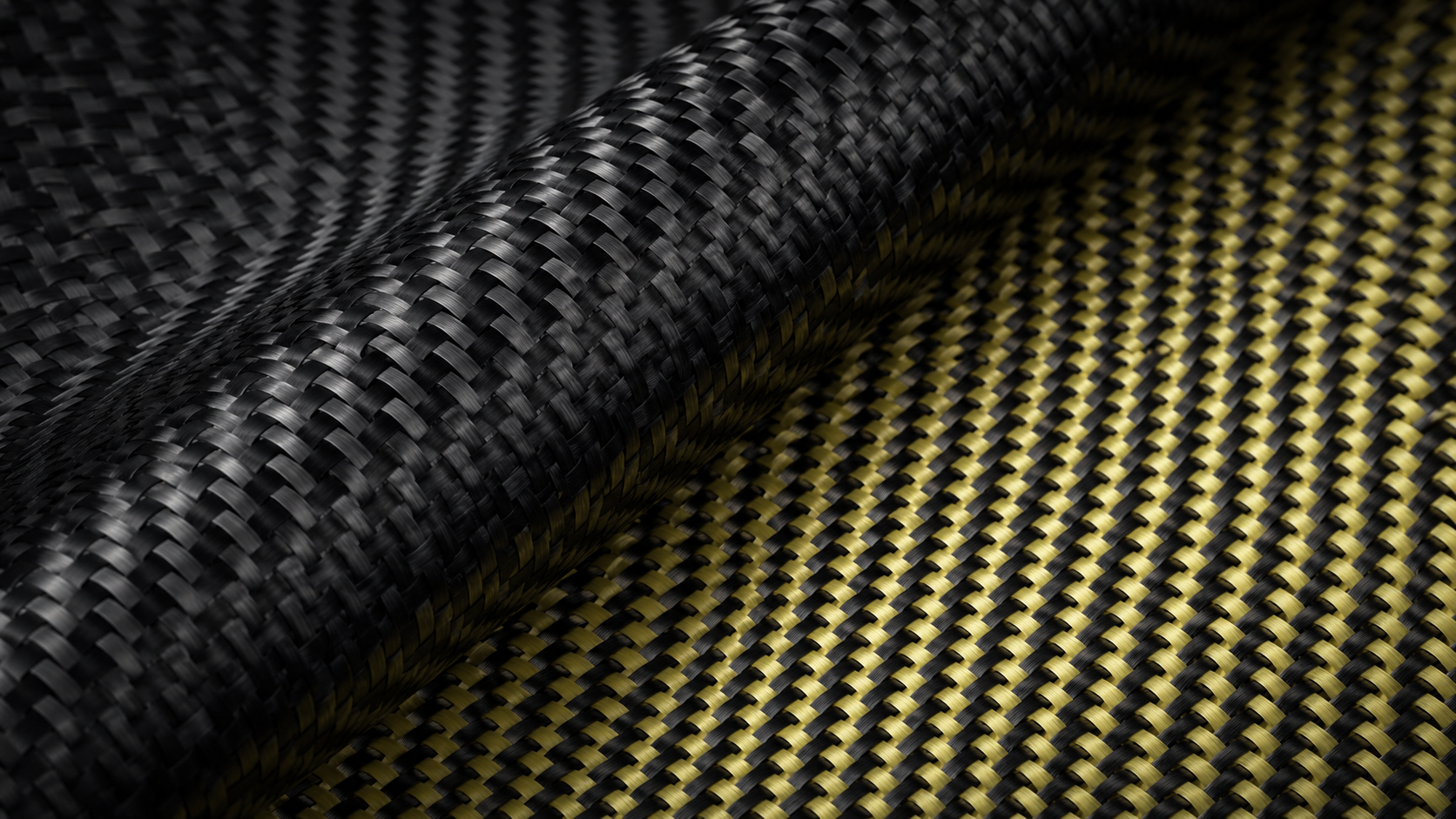
The weave sits low. It looks sunk-in, like the texture belongs to the material itself rather than sitting on top. That soft gray-black — closer to graphite or charcoal than true black — absorbs light instead of bouncing it back. The surface reads as controlled restraint, not lack of effort.
What you see and feel:
-
Surface gloss is minimal. No hotspots, no mirror effect — just an even, controlled texture
-
The weave pattern is visible but muted. Form takes priority over fiber detail
-
Touch it and you feel light ridges from the weave under a smooth topcoat — satin, not slick
-
Fingerprints, dust, and minor scratches disappear into the surface. Glossy carbon shows the same scratches twice as clearly by comparison
How Light Conditions Change the Look
This is where matte carbon fiber earns its reputation for practicality.
|
Condition |
What You See |
|---|---|
|
Strong daylight |
Low glare, no reflection distortion — weave stays readable |
|
Indoor lighting |
Even, subtle pattern — no distracting shine or smudges |
|
Track / race environment |
Clean, purposeful surface — hides wear, reduces visual noise |
Matte absorbs over 90% of specular reflection. Glossy bounces light in one sharp direction. Matte scatters it. No hotspots. No surface distractions pulling attention away from the weave.
Where This Matters Most
Racing dashboards and interior trim are the clearest case. Gloves, tools, and constant contact leave marks. Matte hides them without a wipe-down between sessions. The look reads as race-ready rather than showroom-ready — that’s the whole point.
Industrial drone shells follow the same logic. Outdoor use brings UV exposure, dust buildup, and rough handling. Matte hides smudges about 50% better than glossy. It doesn’t need constant attention to stay looking clean.
Carbon fiber helmets may be the most practical use of all. Direct sunlight or track conditions push a glossy surface to create glare and visual noise — right when you need none of it. Matte keeps the form clean and the finish quiet. Performance-focused builds pick it over glossy for this reason, time after time.
Glossy Carbon Fiber: Appearance, Weave Visibility & Premium Aesthetic Appeal

Light hits glossy carbon fiber and something shifts that matte finish can’t match — the weave comes alive.
Each yarn crossing in a twill pattern catches the reflection at a different angle. The result is a diagonal, shifting play of light and dark. The surface gets real depth from this. The black isn’t flat. It’s deep, almost liquid, with contrast that changes as you move around it.
That’s the “wet look.” It’s why glossy carbon fiber is the go-to choice for high-visibility automotive parts. Hoods, spoilers, mirror caps — 90%+ of exposed exterior carbon fiber runs glossy for this reason.
Weave Pattern & Visual Depth
Not all weaves look the same under gloss:
|
Weave |
Visual Effect |
Best For |
|---|---|---|
|
Twill (2×2/4×4) |
Dynamic diagonal shimmer, high 3D effect |
Automotive exteriors |
|
Satin |
Smooth, even gloss with soft transitions |
Bikes, luxury trim, curved parts |
|
Plain |
Uniform grid, medium depth |
Structural, clean aesthetic |
Twill leads in glossy builds. The diagonal interlacing creates strong angle-based contrast that shifts with every viewing position. Satin trades that energy for a cleaner, high-end smoothness. You’ll find it on steering wheels, guitar bodies, and parts with tight curves.
For show builds, 6D glossy vinyl takes this up a level. You get mirror-like ultra-gloss, strong 3D depth, and a surface that reads as a wet liquid finish. Ferrari and McLaren panels follow the same idea — the exposed weave under gloss signals performance before the engine starts.
The Real Cost of That Finish
Glossy carbon fiber needs regular care. Fingerprints show up fast. Fine scratches catch every light source. Show surfaces need polishing two to three times per week. Daily wipe-downs run five to ten times more often than matte — microfiber cloth, resin-safe cleaner, every time.
That’s the trade-off for the visual payoff. For display pieces, supercars, and premium builds where looks are the whole point, most owners are fine with it.
Durability & Scratch Resistance: Which Finish Holds Up Better?

Scratch matte carbon fiber with your fingernail. Then do the same to a glossy panel. The matte surface wins — not by a little, but by a real, testable margin you can see in daily use.
The hardness numbers say it all. Matte carbon fiber coatings rate at 3H pencil hardness. Glossy coatings rate at 2B. That’s a big gap — 3H sits deep in the hard range, while 2B falls into soft territory. The reason? Matting agents. Those tiny particles packed into the matte topcoat do more than cut the shine. They build a denser, tighter surface that blocks abrasion at the start.
What this means in practice:
-
Fine scratches from keys, tools, and surface contact show up on glossy carbon fiber — and they stay there
-
Those same scratches on matte carbon fiber fade into the texture. The surface variation that kills glare also swallows the marks
-
Matte hides minor scuffs about twice as well as gloss under the same lighting
UV Resistance Follows the Same Pattern
Long-term exposure data backs this up. Over 500 hours of UV testing, matte carbon fiber records a ΔE of 0.8. That means color and finish shift is too small for most people to notice. Glossy surfaces hit ΔE 1.2 over the same period. That difference adds up over years of sun exposure — especially on exterior automotive parts and outdoor gear.
For daily-driven vehicles, working helmets, or any carbon fiber part that lives outside, matte holds up better over time. It’s not a close call.
One Thing Finish Doesn’t Change
Structural strength is not part of this comparison. The carbon fiber base under both finishes is the same. Tensile strength, stiffness, layup quality — none of that shifts based on the topcoat. The durability gap between matte and glossy lives in the coating layer only. The material underneath stays the same.
That’s worth knowing for buyers who think glossy means better build quality. It doesn’t. Glossy means a softer topcoat. One that shows wear faster and needs more upkeep to stay looking good.
Cost & Production: Price Difference Between Matte and Glossy Carbon Fiber

The price gap between these two finishes comes down to one thing: labor hours.
Glossy carbon fiber costs 8–12% more than matte. That premium isn’t in the raw material — the carbon fiber underneath is identical. It’s in the production steps. Wet sanding runs from 400# through 800# up to 1200# grit. Then comes a full three-step polish cycle. Total added labor: 30% more time per part. Lead times stretch 2–3 extra days.
Matte stops at 600# sanding. No polishing. One cure cycle. Standard orders ship in 24 hours.
Real numbers from the automotive market:
-
High-gloss carbon fiber option: +$1,595 over base alternatives
-
Matte carbon fiber trim: +$600 over base — often bundled, perceived as premium
Matte costs less to produce and ships faster. Glossy costs more and takes longer — it demands more from every person who touches it.
|
Glossy |
Matte |
|
|---|---|---|
|
Cost Premium |
+8–12% |
Standard baseline |
|
Lead Time |
+2–3 days |
24h possible |
|
Sanding Stages |
400#→800#→1200# |
400#→600# |
|
Polishing Required |
Yes (3-step) |
No |
The bottom line: high-volume orders and tight deadlines? Go matte. Lower cost, faster output. Glossy is worth it only if the visual result justifies the extra time and cost. For most buyers, that choice is clear before they even ask.
Matte Carbon Fiber Hard Hats: Why Finish Choice Matters in Industrial Settings

Hard hats don’t get to be decorative. On a construction site or in a welding bay, your helmet finish is a functional decision. Matte carbon fiber wins that decision in almost every industrial setting.
It starts with glare. High-output workshop lighting, direct sun, reflective surfaces — a glossy hard hat throws light back at you. In precision work, that’s a real problem. Matte absorbs the light instead. You get clean sightlines where that matters most.
Scratch resistance is the second factor. Industrial work means constant contact — equipment, doorframes, tight clearances. Matte’s 3H hardness rating takes that impact load better than glossy options. Scuffs and marks sink into the texture. They don’t catch every overhead light the way glossy surfaces do.
The DAX Full Brim Carbon Fiber Hard Hat backs this up with real numbers:
-
350°F heat tolerance
-
6-point suspension system
-
Tested to ANSI Type I/II standards
-
Carbon fiber shell is 5x stronger than steel
-
25% lighter than comparable options — less neck and back strain across full shifts
|
Feature |
Matte Carbon Fiber |
Glossy |
|---|---|---|
|
Glare control |
✓ Low reflection |
✗ Distracts in bright light |
|
Scratch resistance |
✓ Hides marks |
✗ Shows wear |
|
Maintenance load |
✓ Low |
✗ High |
|
Best environment |
Construction, welding, manufacturing |
Supervisory, display, branding |
For worksites, matte isn’t a style preference. It’s the right spec for the job.
Matte vs Glossy Carbon Fiber: Scenario-Based Selection Guide

Stop thinking about aesthetics. Think about context instead. That’s where the decision gets clear.
High light exposure, rough handling, functional demands — matte wins those environments. Show floors, luxury builds, premium electronics — glossy takes over there. Match your situation to that pattern. The right choice becomes obvious.
By application:
-
Track/performance builds → Matte. MotoGP and WSBK teams run it. Ducati and BMW offer it factory. There’s a reason.
-
Luxury exteriors and show builds → Glossy. Hoods, spoilers, mirror caps — the weave depth justifies the upkeep.
-
Dashboards and steering wheels → Matte. Glare ruins visibility. Fingerprints wreck the look. Matte cuts both problems at once.
-
Drones, robotics, industrial shells → Matte. Sun glare and sensor interference are real engineering problems. Not aesthetic ones.
-
Sports equipment and premium electronics → Glossy. Brand identity lives in that surface clarity.
Your constraints point to the answer:
|
Constraint |
Go With |
Why |
|---|---|---|
|
Outdoor / high sun |
Matte |
ΔE 0.8 vs 1.2 over 500h UV exposure |
|
Display / showcase |
Glossy |
3D weave depth, richer visual contrast |
|
Daily use / high contact |
Matte |
Hides scuffs, lower maintenance load |
|
Tight budget or fast delivery |
Matte |
Standard cost, 24-hour turnaround |
|
Premium positioning |
Glossy |
Signals precision and craftsmanship |
Neither finish is better than the other. One is right for your specific use. Now you know which one that is.
FAQ: Matte vs Glossy Carbon Fiber — Honest Answers to Common Questions
Most confusion about these two finishes comes from myths that sound reasonable but fall apart under scrutiny. Here are the straight answers.
Does matte carbon fiber show fingerprints more than glossy?
The opposite is true. Matte finishes resist fingerprints and scratches. Glossy surfaces show both right away — every smudge catches the light. Handling a part often? Matte stays cleaner with less effort.
Will glossy carbon fiber fade over time?
With proper UV coating and maintenance, the shine holds. Skip that, and glossy ages faster — ΔE 1.2 over 500 hours of UV exposure versus matte’s ΔE 0.8. That gap matters most on exterior parts with no shade protection.
Which finish is easier to repair after scratching?
Matte wins here. Spot refinishing is simple — no polishing needed, no risk of uneven sheen. Glossy repair is a different story. You wet sand through 400#→800#→1200# grit, then run a full three-step polish cycle to blend the repair cleanly. One bad pass and it shows.
Is there anything between matte and glossy?
Yes — satin. It runs 30–60 GU at 60°, sitting between matte’s 5–25 GU and glossy’s 85–95 GU. Satin is a real option, not just a middle-ground compromise. Some builders choose it to skip the upkeep that glossy demands, without going all the way to flat matte.
Which finish lasts longer under daily use?
Matte. The 3H hardness rating versus glossy’s 2B grade says it plainly. Harder coating means more abrasion resistance and better UV stability. Parts that live outside or take constant handling hold their look longer with matte — and need far less upkeep to get there.
Conclusion
Both finishes are excellent — the real question is which one fits your situation.
Want that low-key, tactical look where the carbon fiber weave stays subtle? Matte is your answer. Want maximum visual depth, mirror-like reflections, and a finish that puts every thread of that weave on full display? Go gloss.
Neither matte nor glossy carbon fiber is the better choice across the board. They serve different purposes, different personalities, and different settings. Your vehicle wrap, hard hat, or body panel deserves a finish chosen with clear intent — not a coin flip.
So here’s what to do next: go back to the scenario guide above. Match it to your use case — track performance, regular driving, or industrial durability. Lock in your choice from there.
Contact HyperX Carbon – Your Trusted Chinese Carbon Fiber Customization Partner
Ready to develop high-performance carbon fiber materials or custom forged carbon fiber parts tailored specifically for your project?
HyperX Carbon is your long-term strategic partner with over 20 years of expertise in advanced composites. We specialize in delivering aerospace-grade forged carbon fiber custom solutions, along with fully personalized prepreg, tubes, sheets, and lightweight carbon fiber structural components for automotive, drone, eVTOL, and medical applications.
We don’t just supply materials — we provide end-to-end customization support:
-
Stable premium supply chain using Toray, Mitsubishi, and Hengshen raw materials
-
AS9100D certified production tailored for aerospace and UAV requirements
-
Rapid prototyping carbon fiber component in just 5-8 weeks, with monthly capacity over 180,000 parts
-
Competitive pricing with 15-18% cost savings on forged carbon solutions
-
Full customization flexibility: from T700 and T1100G to ultra-high modulus grades, with tailored layups, finishes, and performance specifications
Whether you’re an eVTOL developer, automotive OEM, drone manufacturer, or medical device engineer, HyperX Carbon delivers bespoke material selection, structural optimization, and manufacturing solutions that match your exact technical and performance needs — with consistent batch-to-batch quality and reliable delivery.
Get in touch today for a free technical consultation, personalized quote, or custom material samples.
📧 Email: [email protected] 🌐 Website: https://www.hyperxcarbon.com/ 📞 Phone/WhatsApp: +86 15623270276 (English support available)
Let’s co-create your next lightweight innovation together. Contact HyperX Carbon now and stay ahead in the low-altitude economy and advanced composites market.
HyperX Carbon – Not just a supplier, but your dedicated carbon fiber customization expert.