
You’ve already done the hard part — you’re not just grabbing any wrap and hoping it works out.
But here’s where most car owners go wrong. They walk into a shop. They hear three product names. They walk out spending thousands on something that didn’t fit what they needed.
Carbon fiber wrap vs PPF vs vinyl wrap — this isn’t just a materials comparison. It shapes how your paint holds up three winters from now. It affects how your car looks pulling into a show. And it determines whether you’re stuck with a $600 removal bill you never saw coming.
This guide gives you real pricing, honest tradeoffs, and a clear answer to the question every buyer wants: which one fits my car, my budget, and how I drive?
What Separates Carbon Fiber Wrap, PPF, and Vinyl Wrap (The Core Difference Most Buyers Miss)
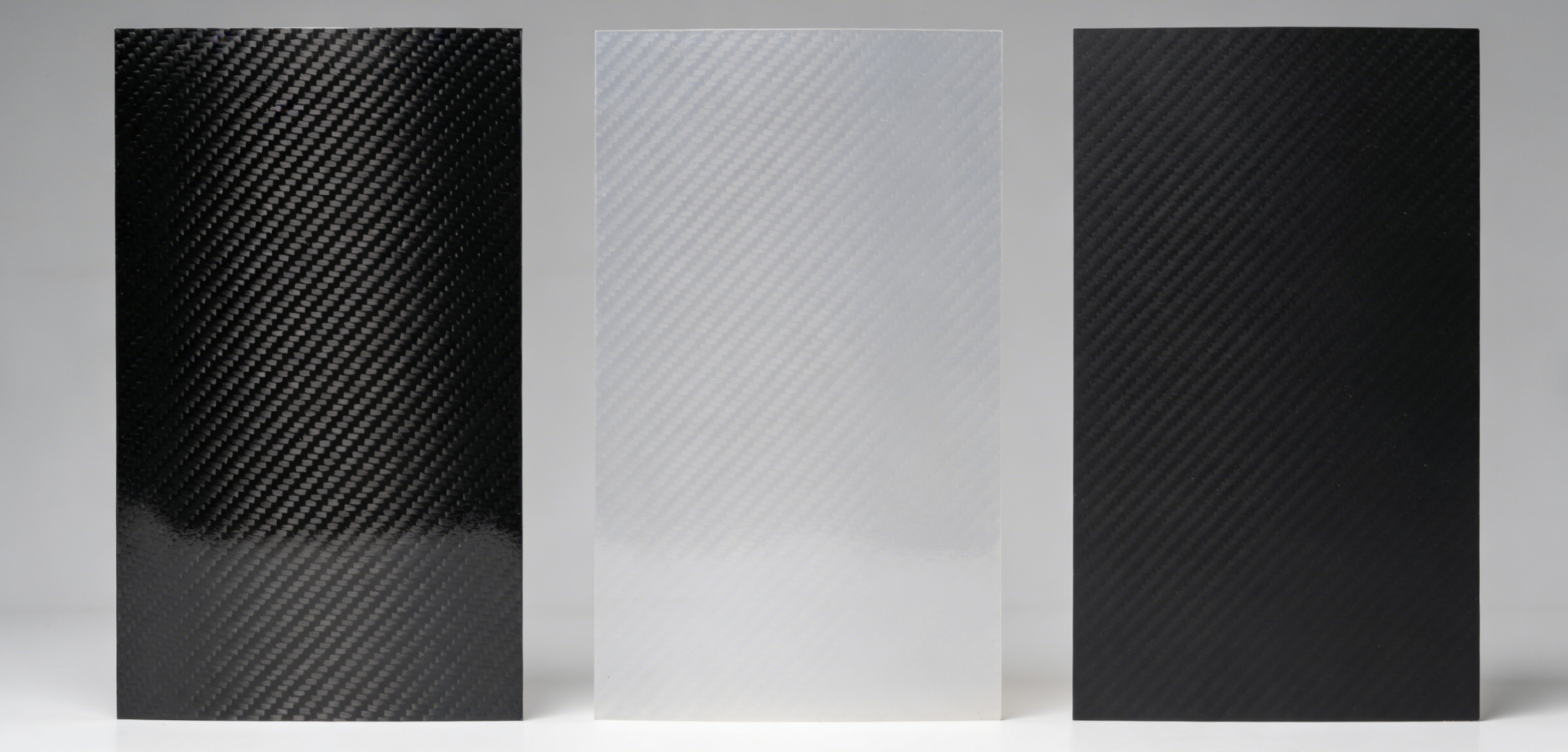
The confusion starts at the material level — and it costs people real money.
Carbon fiber wrap is PVC vinyl with a printed or embossed texture. That’s it. The weave pattern looks convincing. The finish catches light like the real thing. But underneath? No structural carbon fibers. No chip resistance. It’s a pure aesthetic layer sitting at 6–7.2 mils thick. Its one job: making your car look aggressive.
PPF is built from thermoplastic polyurethane (TPU) — a different material at its core. It runs thicker at 7.5–8.5 mils. The material is engineered to absorb impact, resist etching, and heal itself once heat hits the surface. That self-healing topcoat isn’t a marketing claim. It’s why stone chips close up in a parking lot on a July afternoon.
Here’s what most buyers miss: carbon fiber vinyl offers zero protection beyond minor UV filtering. Shoppers see “carbon fiber wrap” and assume it defends paint the way PPF does. It doesn’t. They’re mixing up a visual product with a protective one. The name sounds technical. The function is decorative.
The practical split is this:
-
Carbon fiber wrap → texture and style, 1–3 year lifespan, no self-healing
-
Standard vinyl wrap → color change, 3–5 years, moderate UV resistance
-
PPF → actual paint defense, 5–10 years, self-healing, chemical resistance
You want the carbon look and real protection? Carbon-pattern PPF fills that gap. You get a TPU base, woven gloss finish, and a hydrophobic topcoat. It’s the one option in this category doing both jobs at once.
Carbon Fiber Wrap In-Depth: What You’re Getting for $2,000–$4,000
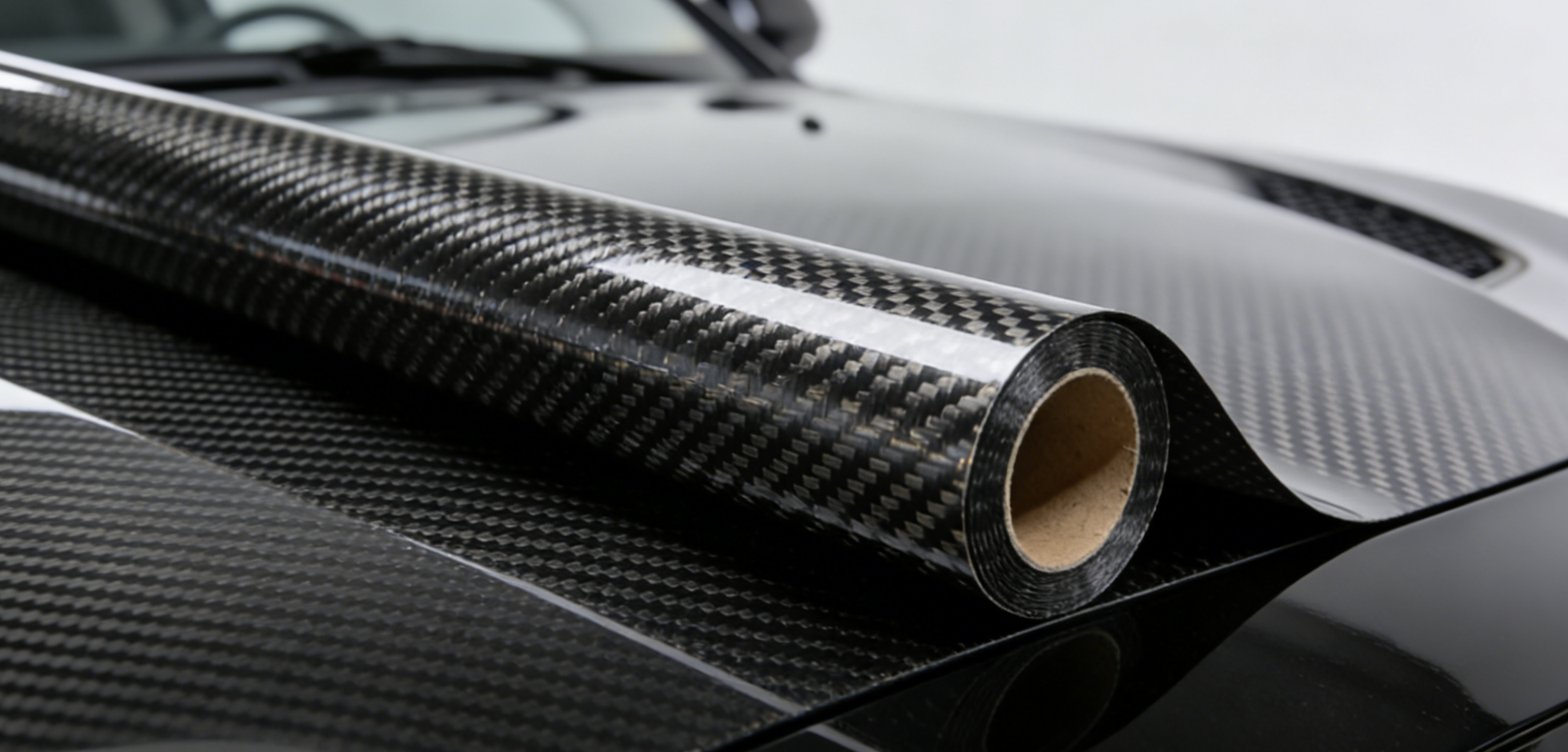
Spend $2,000–$4,000 on a carbon fiber wrap and you’re paying for labor — not protection.
Here’s the math. Premium cast carbon fiber vinyl runs $3–$4 per square foot. A full sedan covers 55–60 square feet. That puts material costs at $400–$800 total. The rest — sometimes $1,500–$3,500 — goes straight to the installer. The price gap between markets is real. Shops in South Florida or LA charge $4,000–$6,000 for a full sedan wrap. The same job in a mid-sized suburban market? $2,500–$4,000.
What Your Budget Covers
|
Coverage Area |
Material Cost |
Total Installed |
|---|---|---|
|
Mirrors |
$50–$80 |
$150–$250 |
|
Hood |
$150–$300 |
$350–$700 |
|
Roof |
$120–$250 |
$300–$600 |
|
Full Sedan |
$400–$800 |
$2,000–$4,600 |
|
Full SUV |
— |
$3,200–$4,000 |
Partial wraps — hood, roof, trunk — give you the most visual impact per dollar. Mirrors and trim accents run $100–$250. They make a sharp, dramatic difference on flat panels — more than most people expect.
The 3D Weave Reality
Most installs in this price range use standard 3D black weave. It’s the classic woven pattern. It looks close to real carbon fabric in photos and at shows. Forged carbon is an option, but it pushes full wraps past $4,000.
One add-on worth a look: ceramic coating at $200–$800. It extends UV resistance and cuts down on maintenance time. Premium cast vinyl holds up for 7–10 years in harsh climates. Economy vinyl fades by year two or three.
This is a style product. Price it like one.
PPF (Paint Protection Film) Deep Dive: Is the $4,000–$8,000 Price Tag Justified?
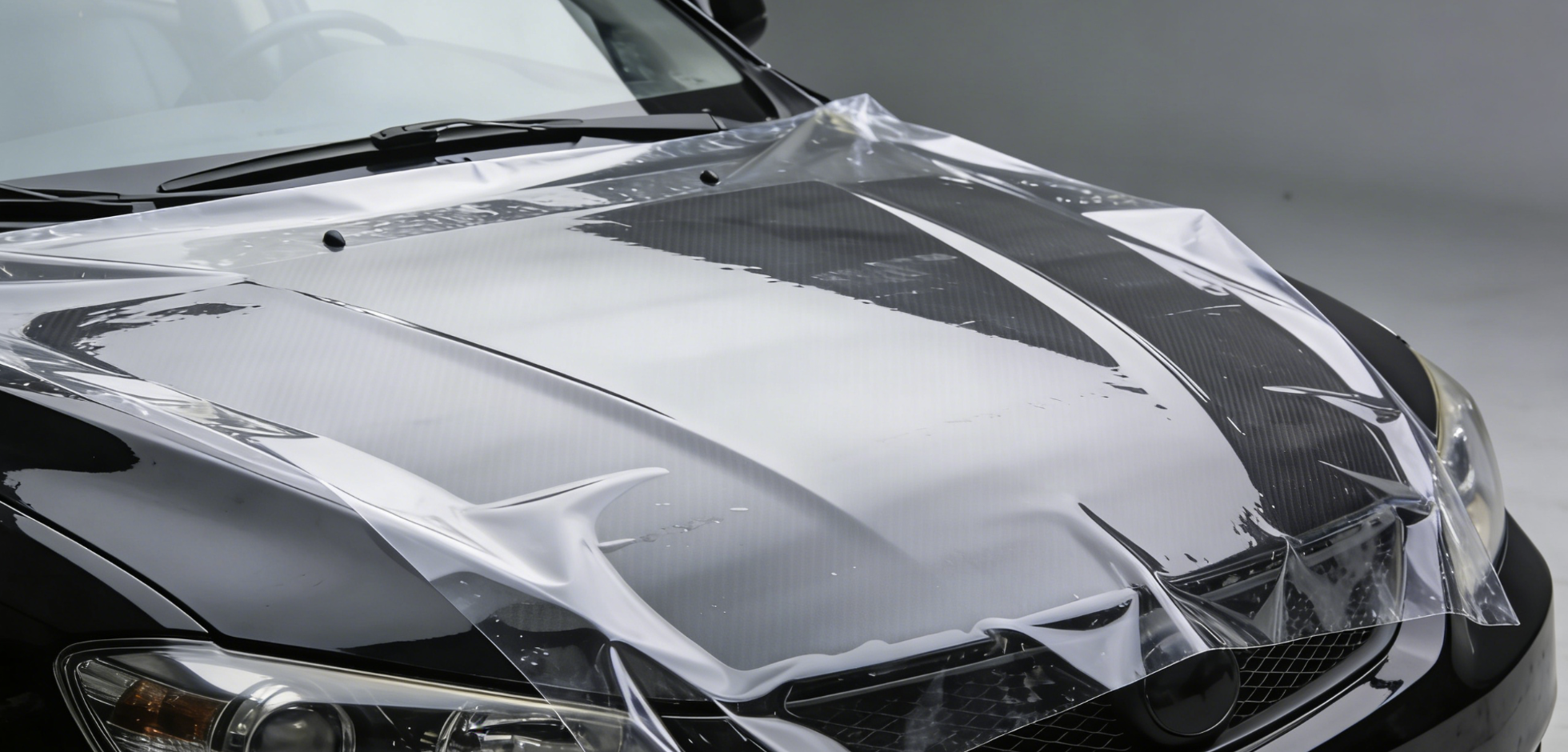
The US PPF market hit $105 million in 2023 and is growing at 6.2% per year through 2030. That’s not an accident — it’s what happens when enough car owners run the numbers.
Here’s the math: a single repaint on a modern vehicle runs $5,000 or more. PPF holds for 5–10 years on the right vehicle. It stops most of what causes that repaint. Rock chips. UV fade. Chemical etching from bird droppings. The film takes the damage. Your paint doesn’t.
What the $4,000–$8,000 Buys You
The total breaks down into two buckets:
-
Materials: 20–40% of your total spend, around $500–$2,500
-
Labor: $50–$150 per hour, adding $1,000–$3,000 depending on coverage and complexity
Full vehicle coverage on a sedan lands between $1,500–$5,000+. Larger vehicles, complex curves, and hand-cut installs push the price higher. Pre-cut kits cost less. Custom hand-cutting costs more — and delivers better results. That gap matters. Edges and curves are exactly where budget installs break down first.
Premium TPU films include self-healing properties and hydrophobic topcoats. Economy films leave both out. That’s the real price difference — not brand markup.
DIY Is Tempting. Here’s Why It Falls Short.
DIY materials and tools run $150–$700. That sounds fair — until a 10-mil thick film lifts at an edge, bubbles under a curve, or loses adhesion at month six. No warranty covers it. You pay for the fix yourself.
Professional installation gives you a better fit, longer durability, and a warranty that’s worth having. Those three things alone justify the cost gap over DIY.
Vinyl Wrap (Including Carbon Fiber Vinyl) Honest Review: Best Budget Play or False Economy?
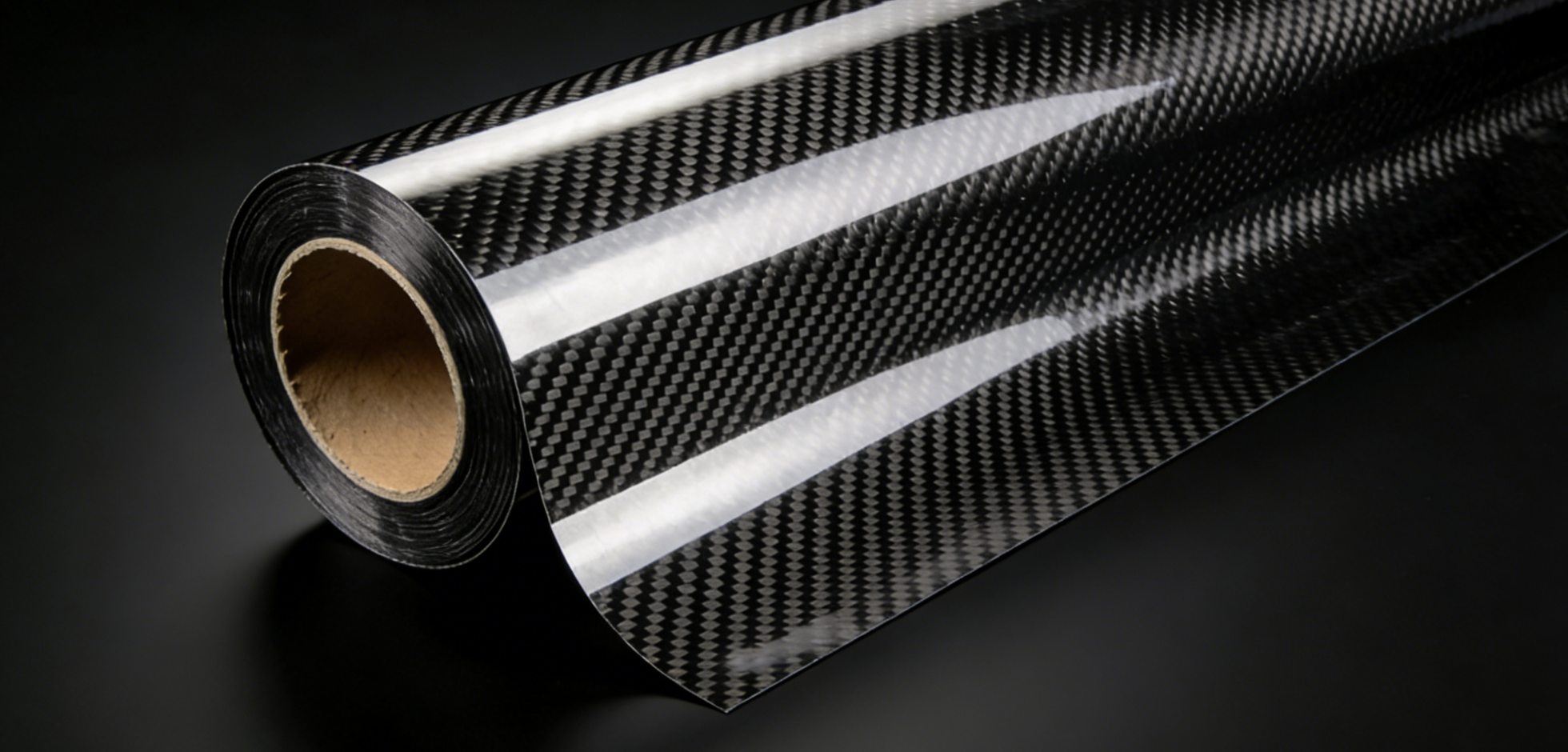
Vinyl wrap sounds like a smart deal — until you see what it does and what it doesn’t.
The global carbon fiber wrap market hit $1,620 million in 2024 and is projected to reach $2,380 million by 2029. That’s an 8% annual growth rate. EV owners chasing custom looks are the main force behind it. The demand is real. The protection isn’t.
Here’s the cost reality by vehicle type:
|
Vehicle |
Full Wrap Cost |
|---|---|
|
Small Car/Coupe |
$2,000–$3,600 |
|
Sedan |
$2,500–$4,400 |
|
Small SUV |
$3,000–$4,640 |
|
Large SUV |
$3,500–$5,200 |
|
Pickup Truck |
$3,800–$6,500 |
Material costs? $1–$3.50 per square foot. On a 60-square-foot sedan, that’s $120 in materials against a $2,500–$4,400 total bill. Labor eats 60–80% of every dollar you spend.
DIY saves you close to nothing. That $120 material saving is less than 5% of a $2,500+ professional install. And that’s before you factor in bubbles, edge lifts, and zero warranty coverage.
Where Carbon Fiber Vinyl Falls Short
Carbon fiber vinyl is printed PVC with a textured pattern. Full stop. It has no heat resistance, no chip protection, no self-healing. UV protection fades within 2–3 years — you’ll see it. Slapping it on a new car as a PPF replacement isn’t a budget move. It’s a mistake. Your paint stays exposed the whole time.
Vinyl wrap makes sense in three situations:
– Temporary color changes with a 3–5 year acceptable lifespan
– Used car cosmetic refreshes before resale
– Modification budgets under $1,500
Outside those three? The math doesn’t close.
Head-to-Head Comparison: Protection, Durability, Cost & Style Across All Three Options
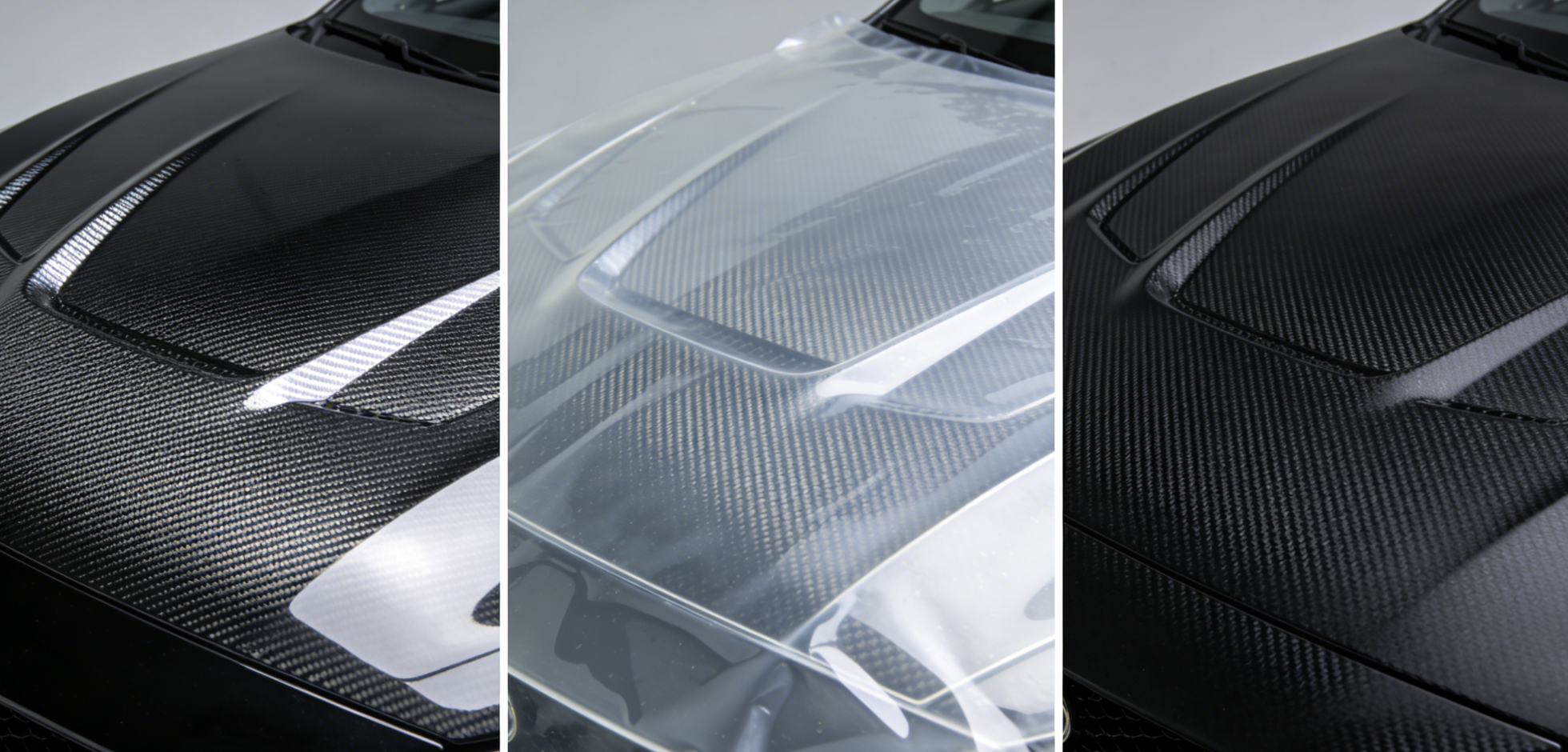
Numbers don’t lie — and the gap between these three products is wider than most shops will tell you.
|
Feature |
Carbon Fiber Wrap |
PPF |
Vinyl Wrap |
|---|---|---|---|
|
Thickness |
6–7.2 mil |
7.5–8.5 mil |
2–4 mil |
|
Protection Level |
Aesthetic only |
Full paint defense |
Minimal |
|
Self-Healing |
✗ |
✓ |
✗ |
|
UV Resistance |
2–3 years |
7–10 years |
3–5 years |
|
Full Car Cost |
$2,000–$4,600 |
$4,000–$8,000 |
$2,000–$5,200 |
|
Lifespan |
1–3 years |
5–10 years |
3–5 years |
|
Removability |
Clean under 5 years |
Clean for a decade |
Problematic after year 6 |
|
Resale Impact |
Neutral/negative |
Positive |
Neutral |
Protection: Where the Real Divide Lives
Carbon fiber wrap and standard vinyl sit in the same tier — decorative. Neither stops a rock chip. Neither blocks chemical etching. PPF is the one film here built to take real-world impact. That comes down to the 7.5–8.5 mil TPU base. That thickness has a purpose. It puts an energy-absorbing layer between a flying stone and your clear coat.
Self-healing is what settles the debate. PPF’s topcoat activates with heat. Scratches vanish on a warm afternoon. Carbon fiber wrap and vinyl hold those marks for good.
Durability: The Timeline That Changes the Math
-
Carbon fiber wrap: 1–3 years before UV fade and edge lifting show up
-
Vinyl wrap: 3–5 years with proper care; leave it past 6 years and you’re looking at a $1,000+ removal bill
-
PPF: 5–10 years, with self-healing adding more life to the finish over time
A vinyl wrap left on for six years isn’t just aged — it gets costly to pull off. A certified shop installs PPF with a manufacturer warranty attached. It peels clean at year ten. That gap changes what “cheaper upfront” means in real terms.
Style: Looks vs. Finish Longevity
Carbon fiber wrap leads on texture. The 3D woven pattern catches light in a way flat vinyl can’t match. For car shows, accent panels, and aggressive builds, it does the job well. That finish fades faster than the other two options, though.
PPF in 2026 closes most of that gap. Matte, gloss, and carbon-pattern TPU films are all available now. You’re not picking between style and protection anymore — you’re deciding how much weight to give each one.
Vinyl lands in the middle. It offers more color choices than PPF has carried through most of its history. Durability falls below both alternatives. On the plus side, you get the lowest per-square-foot material cost in this category.
Which One Should You Choose? Scenario-Based Decision Guide for 2026 Buyers
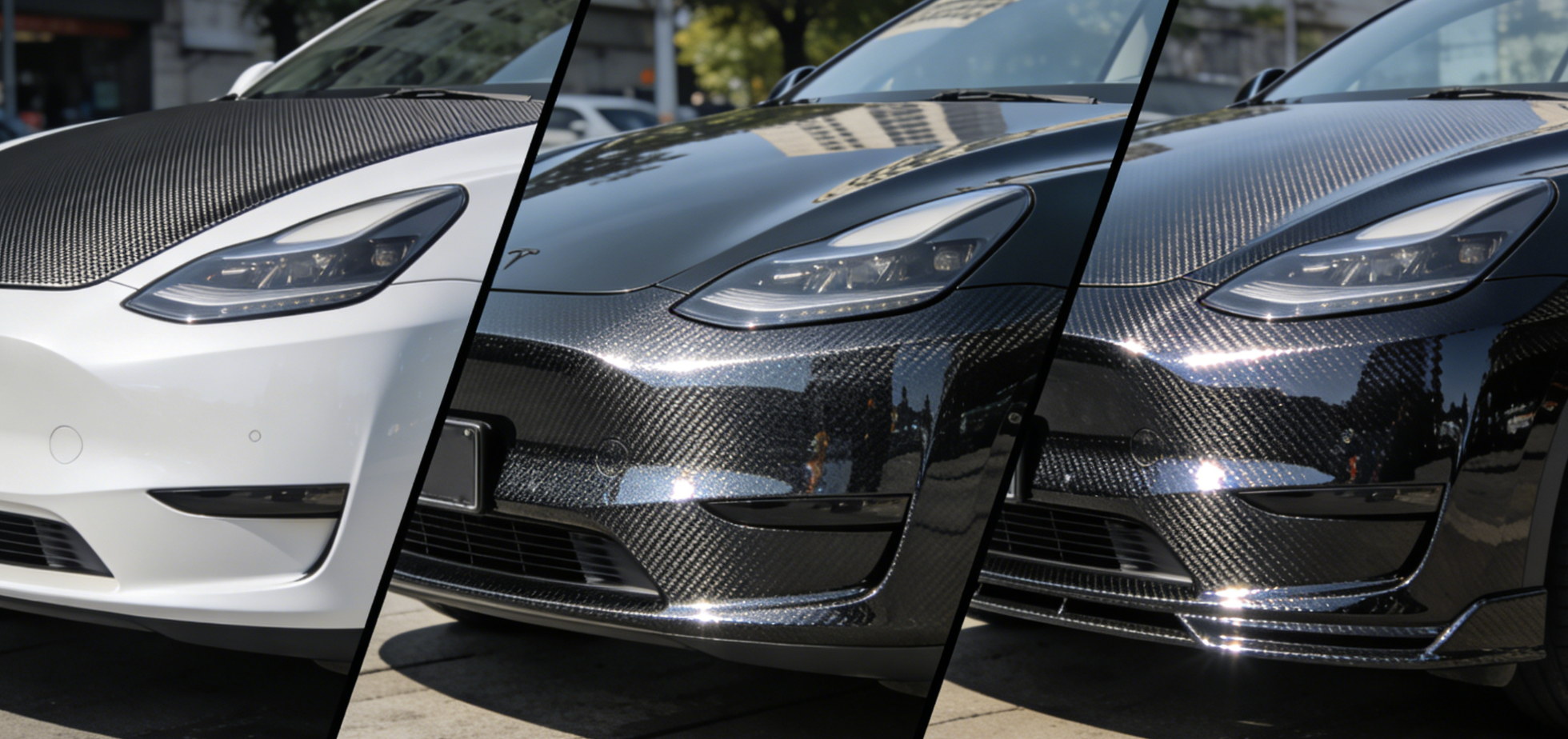
Your answer comes down to three things: what you’re protecting, what you’re spending, and how long you’re keeping the car.
Skip the general advice. Here’s the breakdown by situation.
You drive daily and want real paint protection → PPF
Commuter cars take the most abuse. Road debris, parking lot door dings, bird droppings baking in the sun — PPF handles all of it. The self-healing topcoat closes minor scratches on its own. After five to ten years, the film peels clean. Your original paint looks untouched. That’s the move for anyone who wants to protect resale value without tracking it.
You want a head-turning look on a tight budget → Carbon Fiber Wrap
Hood, roof, mirrors. A partial carbon fiber wrap on those three panels runs $500–$1,500 installed. It changes how the car looks at a show. It won’t stop a rock chip. Protection isn’t the goal here — style is. This gives you the highest visual impact per dollar spent. Plan to refresh it every two to three years.
You’re flipping a used car or want a temporary color change → Vinyl Wrap
Vinyl is the right call here. It covers cosmetic imperfections before resale. Buyers get a cleaner first impression. Pull it before year six and the paint underneath stays undamaged.
You want both the carbon look and actual protection → Carbon-Pattern PPF
Most 2026 buyers don’t know this option exists. TPU base, woven texture finish, hydrophobic topcoat. You get the carbon aesthetic and real surface protection — no trade-off between the two. Check out HyperX Carbon’s carbon-pattern PPF lineup to see what’s available.
|
Your Priority |
Best Pick |
|---|---|
|
Maximum paint protection |
PPF |
|
Visual impact, lower budget |
Carbon Fiber Wrap |
|
Temporary or resale prep |
Vinyl Wrap |
|
Carbon look + real protection |
Carbon-Pattern PPF |
No single product fits every situation. But the right one for your situation is on this list.
2026 Real-World Pricing Breakdown: What You’ll Pay (Material + Labor)
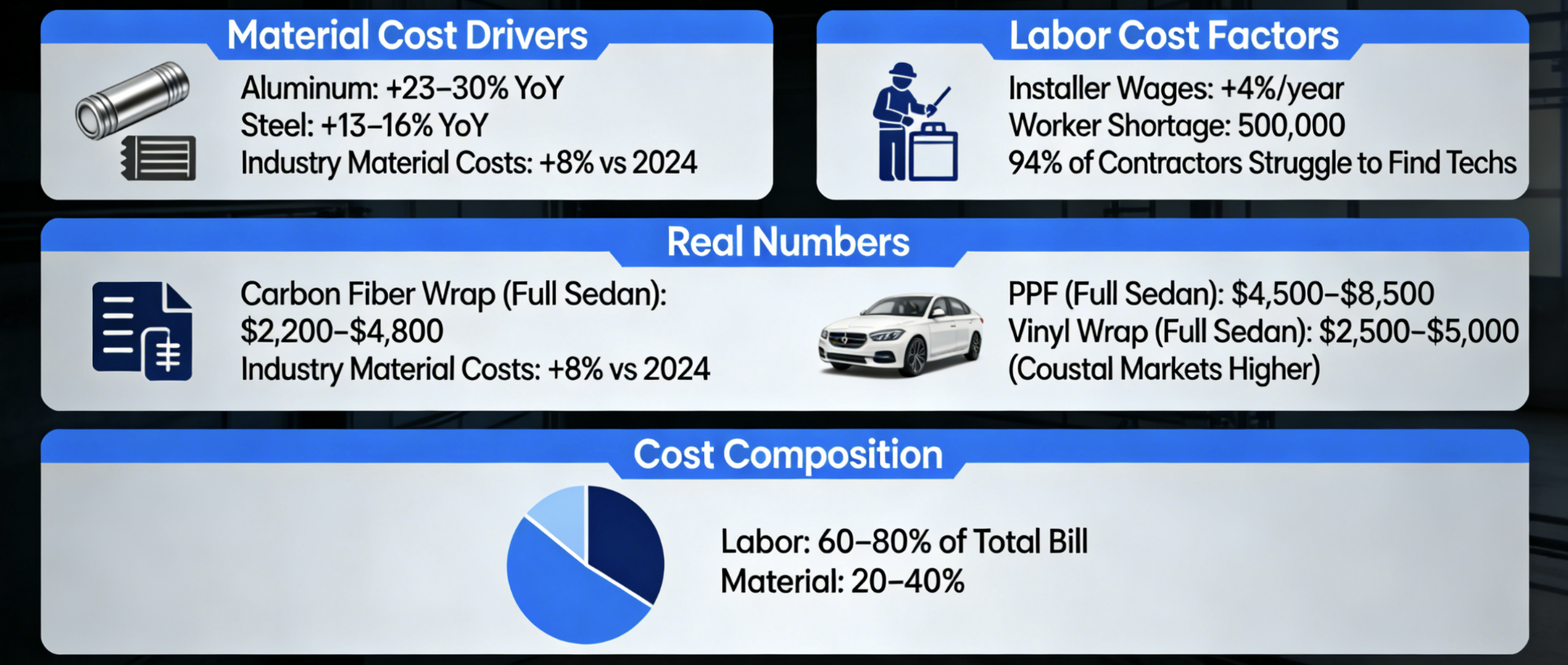
Raw material costs are up across the board in 2026 — and that increase has landed straight in your wrap quote.
Here’s what’s driving it: aluminum is up 23–30% year-over-year. Steel is up 13–16%. These aren’t distant commodity numbers. They hit manufacturing costs for the rollers, tools, and cutting equipment every professional install shop depends on. Higher input costs push shop overhead up. Higher overhead pushes your invoice up.
Material costs across the industry are up +8% compared to 2024. Labor makes it worse. Installer wages are climbing at +4% per year — faster than the broader economy. On top of that, a shortage of 500,000 trained workers lets shops charge more and still stay booked solid. 94% of contractors say they struggle to find qualified technicians. Less competition for your job means shops have no reason to cut prices.
Here’s what that looks like in real numbers:
-
Carbon fiber wrap (full sedan): expect $2,200–$4,800 in 2026, up from prior-year ranges
-
PPF (full sedan): $4,500–$8,500 depending on film grade and coverage area
-
Vinyl wrap (full sedan): $2,500–$5,000, with coastal markets pushing prices toward the top end
Labor eats 60–80% of your total bill no matter which product you pick. Material costs are real — but the technician’s time is where most of your money goes. In high-cost markets like LA or Miami, that gap gets even wider.
Plan for the upper range. In 2026, the lower number is not what most people end up paying.
PPF vs Vinyl Wrap vs Carbon Fiber Wrap: Top FAQs Answered
These questions come up all the time — and the answers are simpler than most shops let on.
Can you apply PPF over vinyl wrap?
Yes. PPF sits right on top of cured vinyl. It adds chip resistance and keeps your design intact. Check with a pro first to make sure the films are compatible.
Will carbon fiber wrap damage your paint?
No — as long as it’s TPU-based carbon fiber PPF. The self-healing top layer peels off clean. A pro removes it without leaving a mark. Standard PVC vinyl is a different story. Old adhesive from a bad install leaves residue in 20–30% of removal cases.
Does PPF removal need a professional?
Yes, get a pro. A steamer or heat gun pulls off 5–10 year films without adhesive residue. DIY removal on older films is where paint damage happens most.
Is colored PPF worth the premium over standard PPF?
The data says yes. Colored PPF costs 20–50% more than standard. But you get twice the lifespan — 10 years vs. 5. You also get stronger scratch resistance and a water-repelling surface that vinyl can’t match.
Did AI installation tools lower labor costs?
In 2025–2026, yes. AI-assisted alignment cut install time by 15–30%. That translates to $500–$1,000 in labor savings on mid-size vehicles. Human hands still handle edges and bubbles — but the quote you get today already reflects that efficiency gain.
Conclusion
Here’s the honest truth after breaking all three options down: there’s no single “best” choice. It comes down to the right match for your car, your budget, and what keeps you up at night.
Paint protection is your top priority? PPF’s self-healing properties are worth every dollar. You want a head-turning look without the premium price tag? Carbon fiber wrap vs PPF isn’t a close call — carbon fiber wrap wins on style and value, full stop. Flexibility matters most? Vinyl wrap keeps your options open without locking you in.
What separates smart buyers from regretful ones? Simple. They know which problem they’re solving before pulling out the card.
Contact HyperX Carbon – Your Trusted Chinese Carbon Fiber Partner
Ready to source high-performance carbon fiber materials or custom forged carbon fiber parts from China?
HyperX Carbon is a leading manufacturer with 20+ years of expertise, specializing in aerospace-grade forged carbon fiber, prepreg, tubes, sheets, and lightweight automotive/drone/medical components. We offer:
-
Stable supply chain with premium raw materials (Toray, Mitsubishi, Hengshen)
-
AS9100D certified production for aerospace & UAV applications
-
Rapid prototyping (5-8 weeks) and monthly capacity exceeding 180,000 parts
-
Competitive pricing with 15-18% cost savings on forged carbon solutions
-
Full customization: from T700/T1100G to ultra-high modulus grades
Whether you’re an eVTOL developer, automotive OEM, drone manufacturer, or medical device engineer, HyperX delivers consistent quality, batch-to-batch reliability, and reliable delivery.
Get in touch today for a free consultation, custom quote, or material sample.
📧 Email: [email protected]
🌐 Website: https://www.hyperxcarbon.com/
📞 Phone/WhatsApp: +86 15623270276 (English support available)
Let’s build your next lightweight innovation together – contact HyperX Carbon now and stay ahead in the low-altitude and advanced composites market.




