
Picking between carbon fiber and fiberglass is confusing for most buyers. It doesn’t have to be.
One material leads aerospace and high-performance motorsport. The other holds together millions of boats, pipes, and low-cost bike frames across the globe. Both are composites. Both are lightweight. Both beat steel by weight in strength. But the differences between them matter — a lot. Pick the wrong one, and you overpay for performance you don’t need. Or worse, you cut corners where quality counts most.
This guide gives you real data on strength, weight, stiffness, cost, and application fit. So you can make the right call with confidence.
Carbon Fiber vs Fiberglass: Quick Comparison Table (2026 Data)
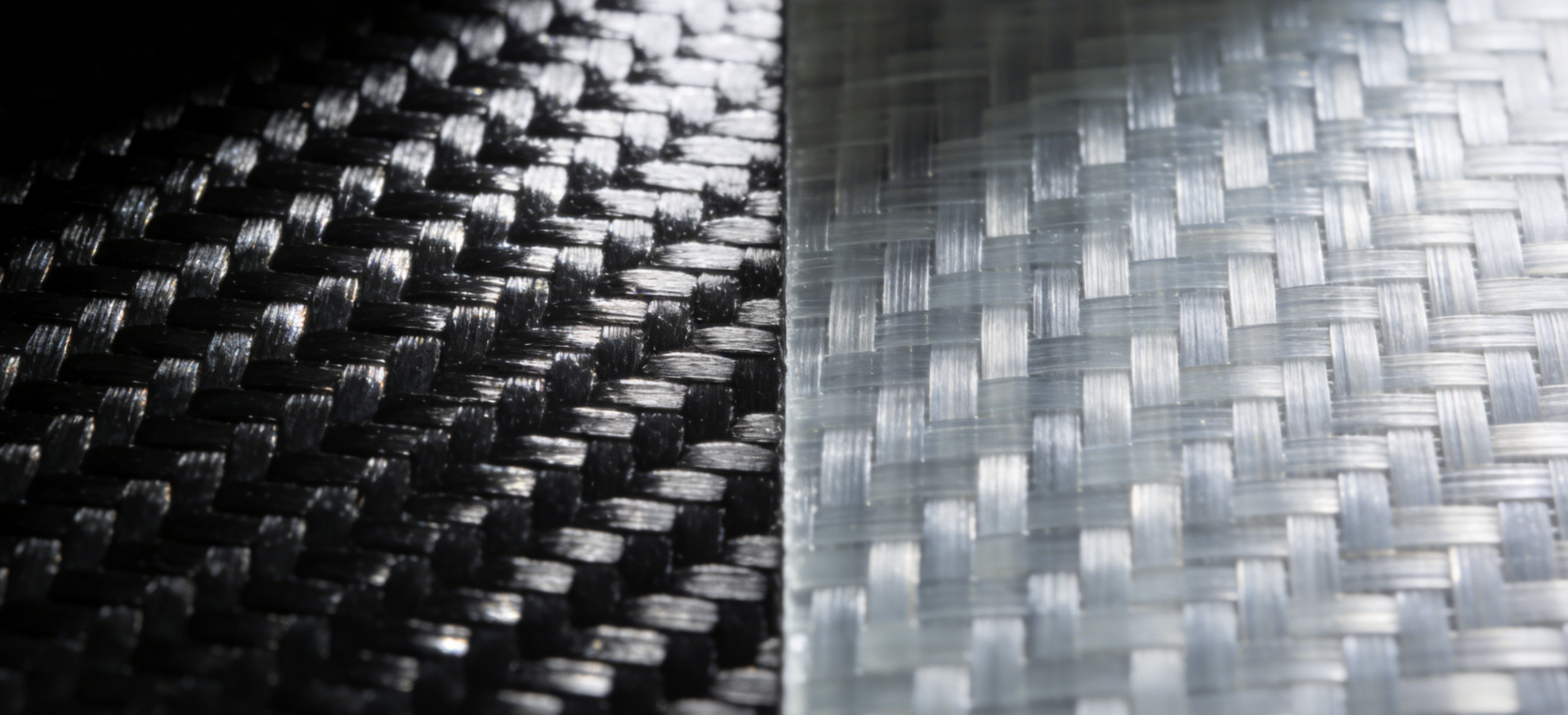
Six properties. Two materials. Here’s everything side by side before we go deeper.
| Property | Carbon Fiber | Fiberglass (E-glass) | Winner |
|---|---|---|---|
| Tensile Strength (MPa) | 3,000–7,000 (~4,100 avg) | 1,000–3,500 (~3,400 avg) | Carbon Fiber — 2–3× stronger |
| Tensile Modulus (GPa) | 250–700 (~250 avg) | 60–90 (~80 avg) | Carbon Fiber — 4–8× stiffer |
| Density (g/cm³) | 1.5–1.7 (~1.6 avg) | 2.3–2.7 (~2.5 avg) | Carbon Fiber — 30–40% lighter |
| Cost ($/kg) | $20–$50 | $2–$5 | Fiberglass — 4–10× cheaper |
| Corrosion Resistance | Excellent — resists acids, alkalis, humidity | Good — breaks down slowly in long-term humidity exposure | Carbon Fiber |
| Thermal Stability (CTE ×10⁻⁶/°C) | −1 to −1.6 (near-neutral lengthwise) | 5.0–6.5 (expands and contracts with temperature) | Carbon Fiber |
What the Numbers Mean
The gap is wide — but not always the deciding factor.
- Strength: Carbon fiber’s carbon fiber tensile strength averages ~4,100 MPa. Fiberglass sits near 3,400 MPa. That 20%+ difference adds up fast under repeated load.
- Weight: Carbon fiber lands at ~1.6 g/cm³. Fiberglass hits ~2.5 g/cm³. That gap gives you 30–40% less mass overall — and up to 40–50% in flat panel builds.
- Cost: Raw carbon fiber reinforced polymer runs 2–4× the price of glass fiber reinforced plastic. Add in production steps, and that gap can reach 10×.
- 2026 outlook: Carbon fiber prices are dropping as cleaner, more efficient production grows. The gap is closing. Still, fiberglass stays the go-to choice for high-volume, budget-focused builds.
Performance is your top priority? Go with carbon fiber. Budget and volume drive your decision? Fiberglass is the practical pick.
Carbon Fiber vs Fiberglass Strength: Which One Is Stronger?
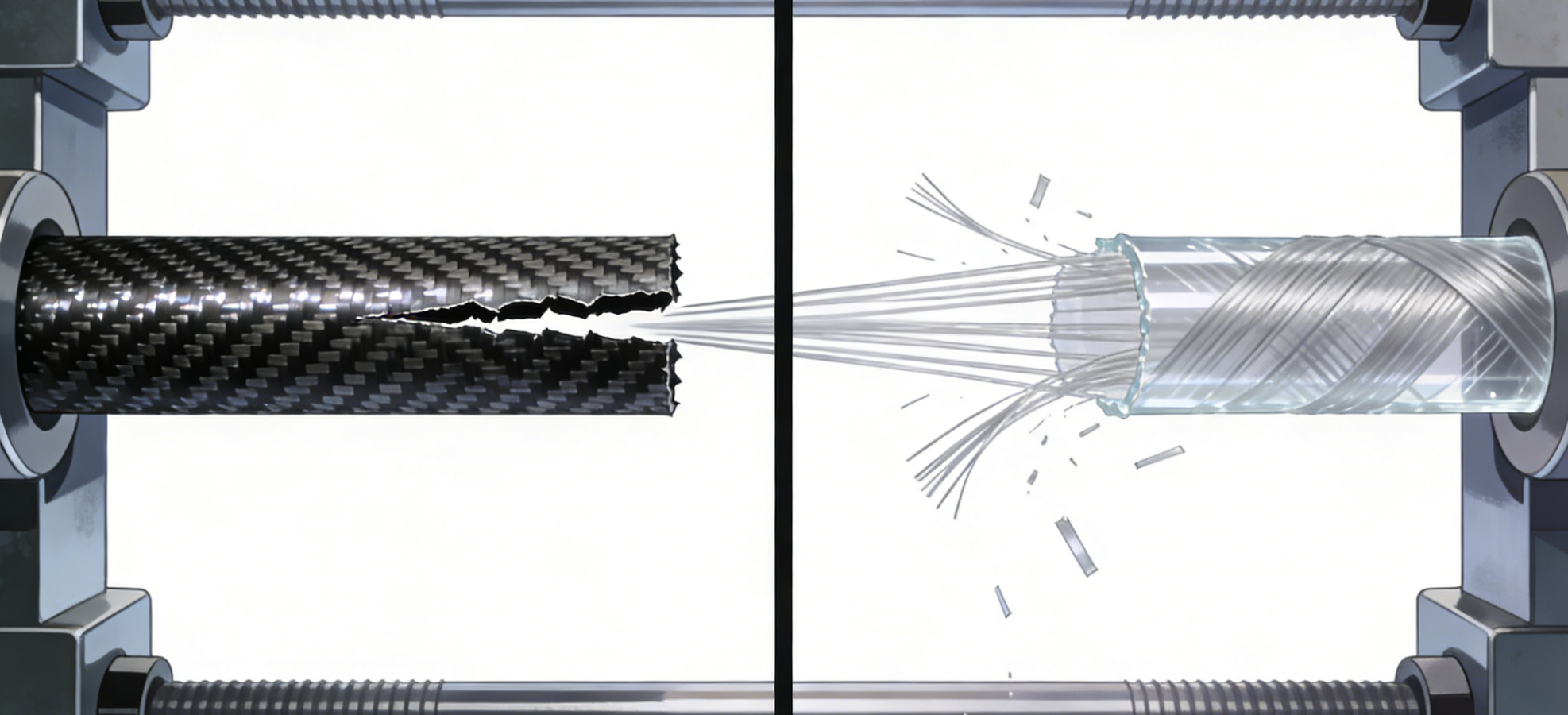
Carbon fiber is stronger. That’s the short answer. But knowing why — and where — helps you pick the right material.
Carbon fiber tensile strength runs from 290,000 to 600,000 psi. Standard fiber alone hits ~4,127 MPa. Fiberglass (E-glass) lands at 135,000 to 500,000 psi, with fiber strength around 3,450 MPa. That’s a 16% gap at the fiber level — and it gets wider under real structural loads.
Strength by the Numbers
| Property | Carbon Fiber | Fiberglass (E-Glass) |
|---|---|---|
| Tensile Strength (psi) | 290,000–600,000 | 135,000–500,000 |
| Tensile Modulus (million psi) | 33–60 | 2.8–10.5 |
| Density (g/cm³) | 1.74–1.80 | 2.46–2.60 |
Carbon fiber modulus of elasticity sits at 4× that of fiberglass. The numbers back this up clearly. In compression tests on reinforced concrete, carbon fiber pushed strength up by +5,666 psi. Fiberglass added +1,975 psi. Same test conditions — very different results.
Specific strength makes the gap even clearer. Carbon fiber’s strength-to-weight ratio reaches 3.45 GPa·cm³/g. S-2 glass — the strongest fiberglass variant — tops out near 1.94. That’s close to 2× lower. Carbon fiber also delivers about 5× steel’s specific strength. That’s the reason aerospace and racing builds use carbon fiber reinforced polymer as the go-to choice.
Where Fiberglass Wins
Most carbon fiber spec sheets skip this part: carbon fiber is brittle. High tensile numbers don’t tell you what happens on impact or under repeated flex. Fiberglass takes a beating. It bends before it breaks. Boat hulls, safety helmets, and industrial pipe systems need that kind of toughness. Fiberglass flexibility carries real structural value in those roles.
So the better question isn’t which material scores higher on paper. Ask whether your application needs rigidity and specific strength — or the ability to flex and hold up through repeated stress. One material leads on raw numbers. The other earns its place through durability where it counts.
Carbon Fiber vs Fiberglass Weight: Density & Weight-to-Strength Ratio
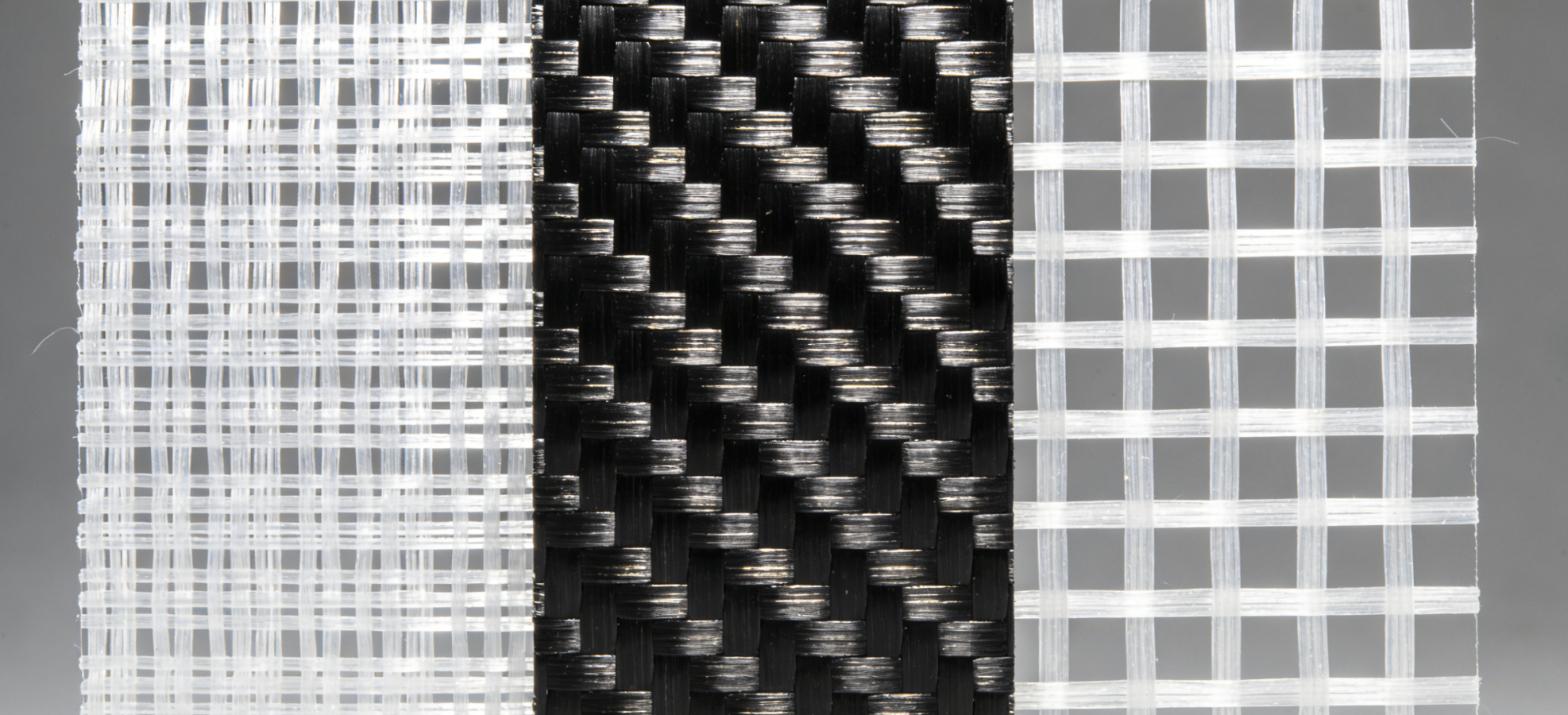
The density gap between these two materials tells the real story — and the numbers are more striking than most people expect.
Carbon fiber laminates sit at 1.55–1.60 g/cm³. Fiberglass (E-glass) laminates come in at 1.90–2.00 g/cm³. That’s a 20–40% density advantage for carbon fiber. And that’s before you factor in how each material handles load. Build the same structure from both materials, and carbon ends up 15–60% lighter. The exact number depends on layup design and part geometry.
Weight-to-Strength: Where Carbon Fiber Pulls Away
Raw density numbers tell only half the story. Specific tensile strength — what engineers call the strength-to-weight ratio — is where carbon fiber takes a clear lead.
| Material | Density (g/cm³) | Laminate Tensile Strength (MPa) | Specific Strength (MPa·cm³/g) |
|---|---|---|---|
| Carbon Fiber | 1.55–1.60 | 800–1,500 | 500–2,500 |
| Fiberglass | 1.90–2.00 | 200–500 | 100–300 |
Carbon fiber beats fiberglass by 2–8× in specific strength. Less mass. More load capacity. That combination is rare in materials engineering.
What This Looks Like in Real Products
The density difference shows up in real product performance:
- Bicycle frames: Carbon sits at 1.0–1.5 kg. Fiberglass hits 1.8–2.5 kg. That 30–40% reduction helps with climbing and acceleration. Rotational mass has a bigger impact than most riders think.
- Drone frames: Carbon runs 200–400 g versus fiberglass at 350–600 g. The 40–50% weight drop extends flight time by 15–25%. You get lower inertia and less power draw from the motors.
- Automotive hoods: A carbon panel weighs 4–6 kg. A fiberglass version? 7–10 kg. Every 100 kg saved cuts fuel consumption by around 1–2%. It also sharpens handling at the same time.
The same pattern shows up across product categories. Less weight, equal or better stiffness, and gains you can measure in the real world.
Carbon Fiber vs Fiberglass Cost: Price Breakdown & 2026 Market Trends

The price difference between these two materials is not small. Carbon fiber runs 5–10× more expensive than fiberglass — and that gap drives most purchasing decisions in the composite materials space.
Knowing why that gap exists helps you work with the numbers better.
Why Carbon Fiber Costs More
Carbon fiber is expensive before a single part gets made. The raw material — polyacrylonitrile (PAN) precursor — is not cheap to source. It then runs through high-temperature furnaces, precision processing equipment, and controlled oxidation stages. Each step adds more cost.
Fiberglass skips most of that. Raw inputs like polyester and epoxy resins are easy to find and cheap to buy. Production uses hand layup and spray-up techniques — straightforward, scalable, and fast.
The fabrication gap makes the raw material gap even bigger:
- Carbon fiber requires autoclaves, filament winding systems, and precise layering. That means high upfront tooling costs and skilled labor.
- Fiberglass can be shaped by a smaller crew with simpler equipment. Per-unit cost stays much lower.
Repair costs follow the same pattern. A damaged fiberglass panel gets patched with resin and basic tools. A carbon fiber repair needs specialized materials, matched fiber orientation, and a professional to do it right. Those costs build up over a product’s lifetime.
The Total Cost Picture in 2026
Raw price is just one part of the story. The fiberglass market is growing from $18M (2021) toward $25M by 2028, pushed by volume-sensitive industries. Carbon fiber is on a steeper growth curve, driven by aerospace, automotive lightweighting mandates, and growing Chinese production capacity from players like Toray and Guangwei.
That production expansion is real. It puts downward pressure on carbon fiber pricing — and the gap between the two materials is getting smaller.
Here’s what cost-focused buyers tend to miss: carbon fiber’s higher upfront price often pays back over time. In aerospace and automotive use, less weight means better fuel efficiency, lower energy consumption, and less wear. Run the full numbers and the total cost of ownership often flips in favor of carbon fiber.
The practical split looks like this:
| Scenario | Better Choice |
|---|---|
| Small project, tight budget | Fiberglass |
| High-volume production | Fiberglass |
| Aerospace or performance automotive | Carbon Fiber |
| Long-term weight-critical applications | Carbon Fiber |
Push your project scale up and raise performance demands — the carbon fiber premium becomes easier to justify. Keep the budget tight and performance needs modest? Fiberglass earns its place every time.
Stiffness, Flexibility & Fatigue Resistance: The Properties Most Buyers Overlook
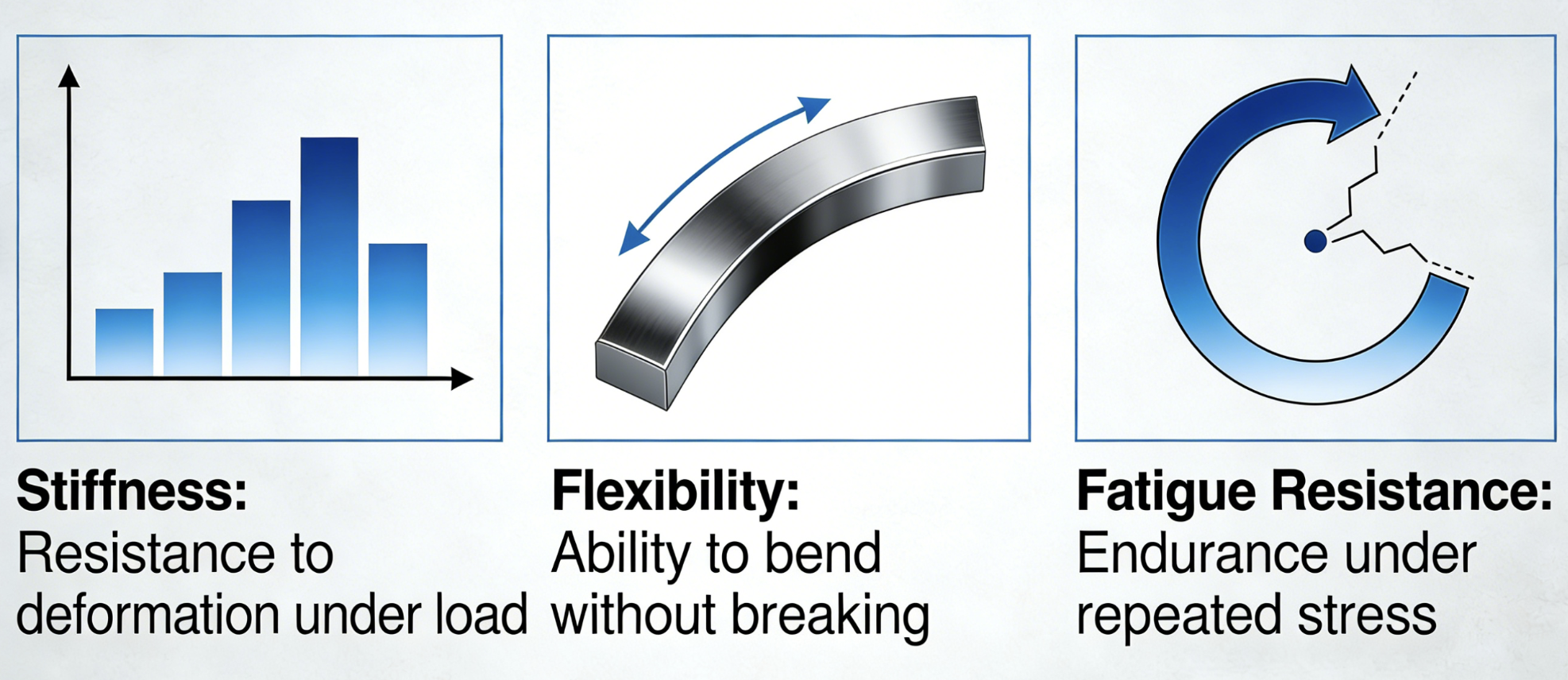
Most spec sheets lead with tensile strength. Stiffness — the property that determines whether your part holds its shape under load — gets almost no mention.
That’s a problem. Here’s why it matters.
Stiffness is not the same as strength. A material can be strong enough to resist breaking but still deflect so much under load that it fails in use. Carbon fiber’s modulus of elasticity runs 250–700 GPa — 3–8× higher than fiberglass. Under the same load, a carbon fiber panel holds its shape. A fiberglass panel bends. In aerospace structures, deflection tolerances are measured in fractions of a millimeter. That difference is decisive.
Stiffness in Practice
Geometry makes the gap even bigger. Tubular carbon fiber profiles outperform flat plates by 2–5× in bending stiffness. Double the wall thickness and stiffness jumps 8× — the same I-beam principle structural engineers have relied on for a century. Get your cross-section right, and carbon fiber’s stiffness advantage becomes dramatic in real hardware.
Well-designed carbon fiber parts hold elastic deformation below 0.1–1% strain under design load. Fiberglass has a flatter stress-strain curve. It allows more strain per unit of stress. In long spans or thin panels, that shows up as visible flex.
Where Fiberglass Flexibility Becomes the Feature
Sometimes lower stiffness is what you need. Fishing rods require progressive flex. Boat hulls must absorb wave impact without cracking. Fiberglass composite construction handles fatigue-driven flex cycles better — it bends under load rather than holding rigid until fracture.
Carbon fiber is stiffer, but more brittle under repeated impact. For parts where cyclic flex is the main stress mode, glass fiber reinforced plastic outlasts carbon in long-term fatigue life.
The bottom line: Your design needs minimal deflection under sustained load? Carbon fiber’s modulus wins. Your part needs to flex, absorb, and recover — cycle after cycle? Fiberglass is the more durable choice.
Corrosion Resistance & Electrical Properties: Where Fiberglass Wins
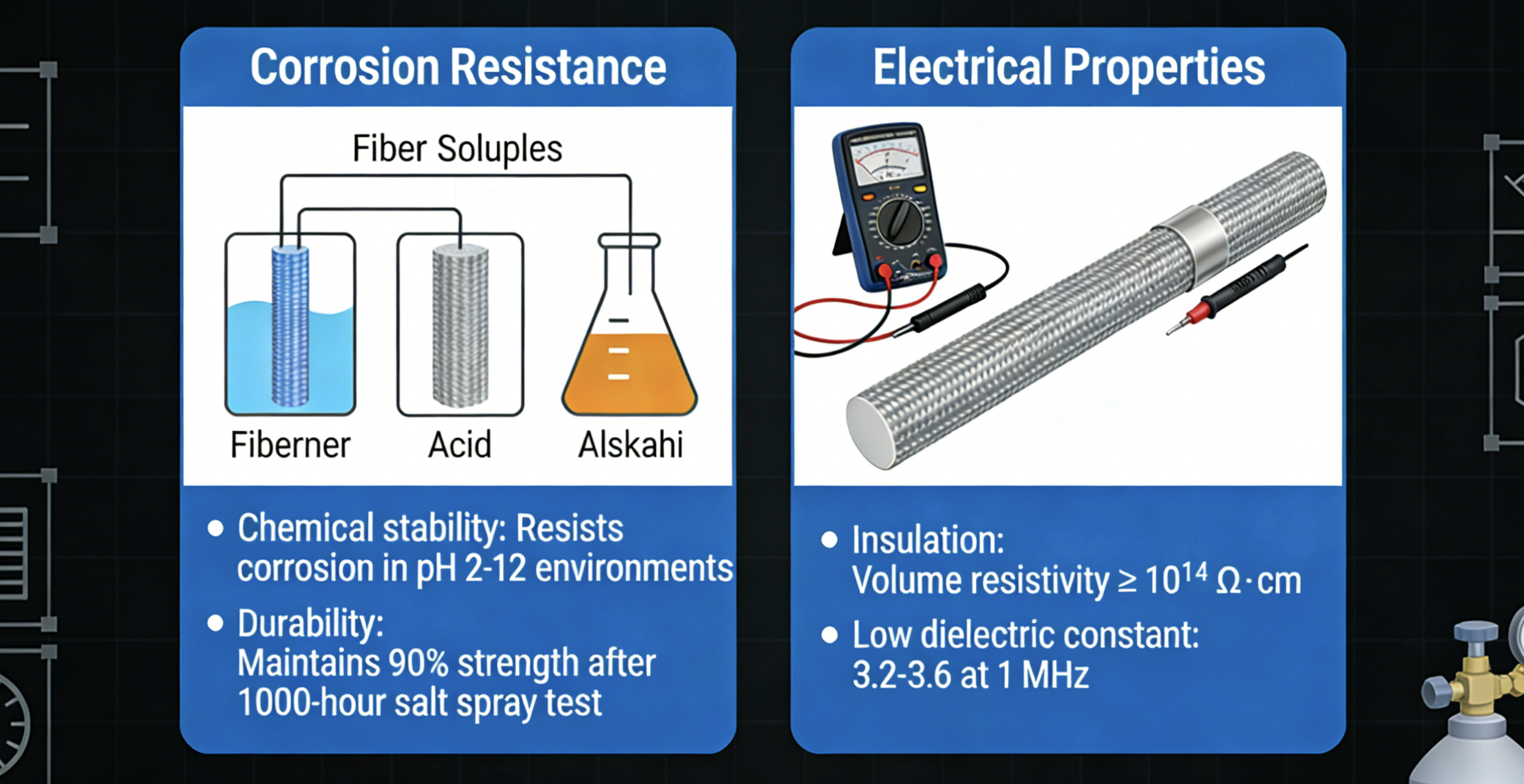
Two properties almost never show up in headline comparisons. Yet they drive material choices across entire industries.
Fiberglass doesn’t rust. It doesn’t conduct electricity. In marine, electrical, and chemical environments, those two facts carry more weight than tensile strength or stiffness ever will.
Chemical & Corrosion Resistance
Saltwater destroys steel. It eats through aluminum too. Fiberglass sits in both for years and comes out unchanged. UV exposure, high humidity, shifting temperatures, constant seawater contact — glass fiber reinforced plastic handles all of it without breaking down.
The resin system makes a real difference here. Vinyl ester beats standard polyester by 20% in corrosion resistance. In harsh chemical environments, that upgrade is worth the extra cost. One weakness to know: hydrofluoric acid and hot phosphoric acid will damage fiberglass. Check your chemical environment before you lock in the layup design.
Cost is another factor. Fiberglass runs cheaper than 304 or 316 stainless steel for corrosion-resistant builds. Plus, it needs zero maintenance to stay intact. Galvanized steel wears out and needs replacing. That replacement cost almost always tops what the original fiberglass installation ran.
Electrical Insulation
Carbon fiber conducts electricity. Fiberglass does not. That one difference settles the debate in any application where conductivity is a problem.
Fiberglass holds up in high-voltage environments. It keeps steady dielectric strength through temperature shifts and humidity changes. You’ll find it in:
- Fiberglass ladders
- Tool handles
- Electrical control panels on ships
- Offshore equipment enclosures
- PCB substrates
Basically, any place where current flow would be dangerous or cause problems.
Where fiberglass wins outright: marine electrical systems, chemical processing equipment, and any structure where galvanic corrosion or accidental conductivity puts safety or reliability at risk.
Carbon Fiber vs Fiberglass by Application: Industry-Specific Use Cases
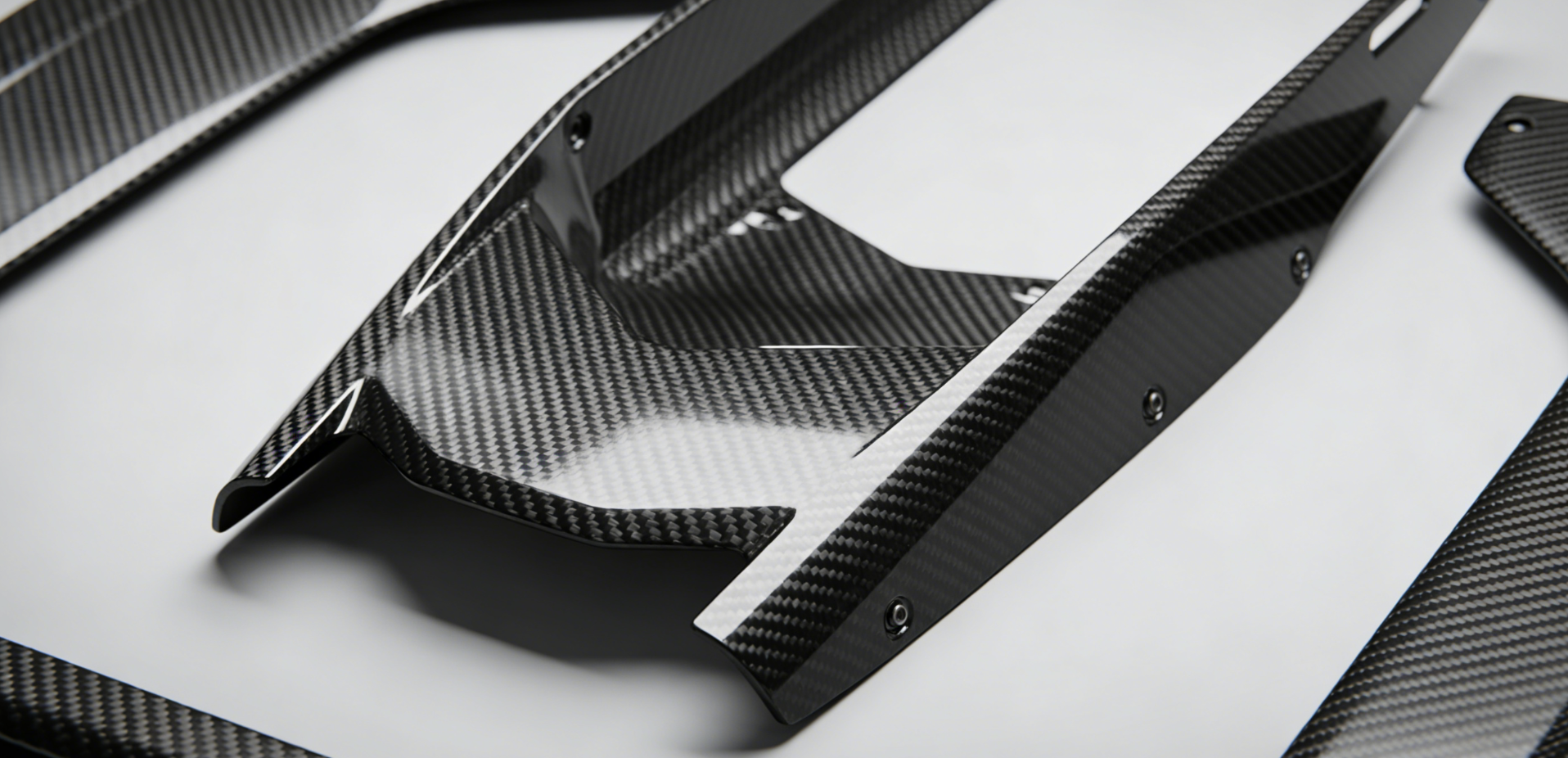
The material that looks best on paper doesn’t always perform best in the field. Your part’s real environment tells the true story — the loads it carries, the conditions it faces, the budget behind it. Those factors decide the right choice.
Aerospace & High-Performance Automotive
Carbon fiber owns this space. The math is straightforward: structural parts that fly or race need maximum stiffness at minimum weight. Carbon fiber reinforced polymer delivers tensile strength around 500 ksi. Fiberglass tops out at 300 ksi. The tensile modulus of carbon fiber runs four times higher. Every kilogram you cut from an aircraft or race car pays back in fuel savings and faster lap times. Yes, the upfront cost is higher — but the 3–10× price premium earns its place. Long-term efficiency gains more than make up for it.
Marine & Industrial Construction
Fiberglass dominates boat hulls, storage tanks, swimming pools, and architectural panels. At $1–$3 per pound versus carbon fiber’s $10–$20, the cost difference is hard to ignore. You also get natural corrosion resistance built in. Fiberglass carries no electrical charge, so it cuts out galvanic corrosion risk when used alongside metal hardware. That makes it a solid choice for long-term marine exposure. Its flexibility is a bonus too. Complex hull curves and custom aquarium shapes are far easier to mold with a material that bends instead of resists.
Mass-Production Automotive
Fleet vehicles and aftermarket body panels use glass fiber reinforced plastic in the vast majority of cases. Car manufacturers rely on fiberglass for OEM kits because mold changes stay cheap and quick. Carbon fiber can cut weight by 15–20%, but that gain rarely justifies a cost jump that can hit 10× in high-volume production runs.
Sports & Industrial Equipment
Gear that needs to stay stiff — professional cycling components, rigid structural reinforcements — favors carbon fiber. Parts that take repeated hits are a different story:
- Safety gear
- Flexible wire coatings
- Resilience-dependent components
These favor fiberglass. It fractures less and bends more. That matters when cyclic stress drives the load.
The pattern holds across every industry: performance-first, weight-critical applications go carbon fiber. Cost-sensitive, high-volume, or corrosion-heavy environments go fiberglass.
How to Choose Between Carbon Fiber and Fiberglass: Decision Framework
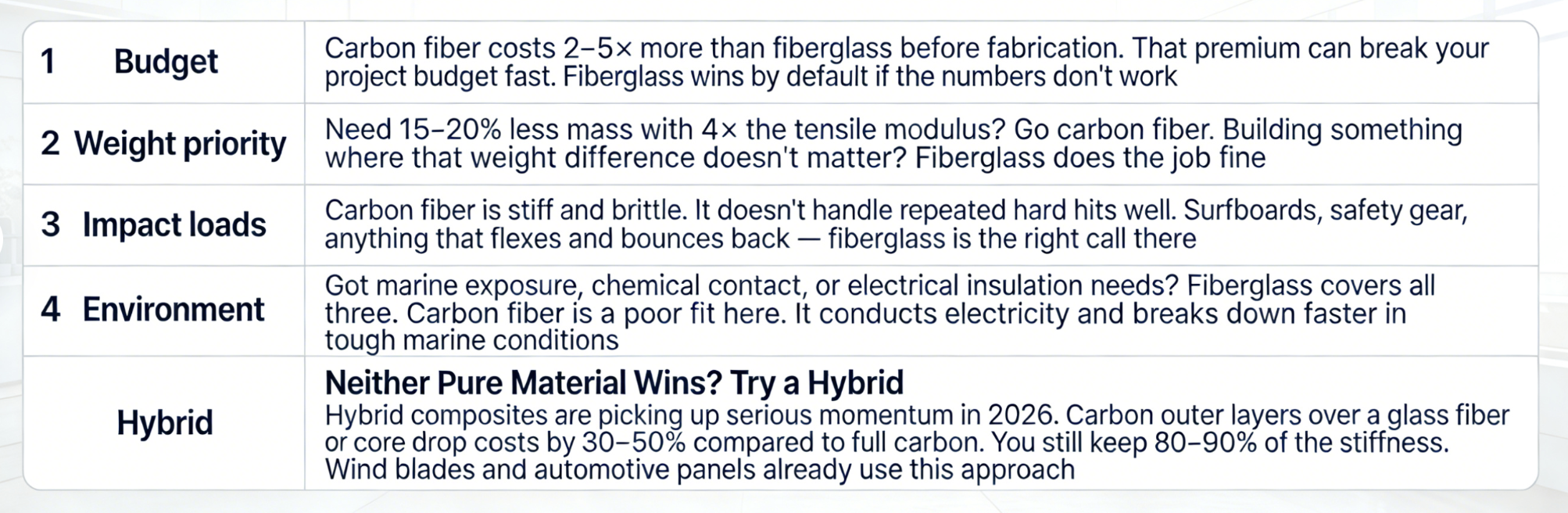
Four questions settle this faster than any spec sheet.
Step 1 — Budget. Carbon fiber costs 2–5× more than fiberglass before fabrication. That premium can break your project budget fast. Fiberglass wins by default if the numbers don’t work.
Step 2 — Weight priority. Need 15–20% less mass with 4× the tensile modulus? Go carbon fiber. Building something where that weight difference doesn’t matter? Fiberglass does the job fine.
Step 3 — Impact loads. Carbon fiber is stiff and brittle. It doesn’t handle repeated hard hits well. Surfboards, safety gear, anything that flexes and bounces back — fiberglass is the right call there.
Step 4 — Environment. Got marine exposure, chemical contact, or electrical insulation needs? Fiberglass covers all three. Carbon fiber is a poor fit here. It conducts electricity and breaks down faster in tough marine conditions.
Neither Pure Material Wins? Try a Hybrid.
Hybrid composites are picking up serious momentum in 2026. Carbon outer layers over a glass fiber core drop costs by 30–50% compared to full carbon. You still keep 80–90% of the stiffness. Wind blades and automotive panels already use this approach.
Quick scoring guide:
– Award +3 to fiberglass for budget constraints, impact loads, or corrosion exposure
– Award +3 to carbon fiber for weight criticality
– Score above 6 for one material — go with it
– A tie? Price out a hybrid. It’s worth the look.
FAQ: Carbon Fiber vs Fiberglass — Top Questions Answered
These questions come up all the time. Here are straight answers.
Is carbon fiber stronger than fiberglass?
Yes. Carbon fiber tensile strength runs 3,000–7,000 MPa. Fiberglass sits at 1,000–3,500 MPa. The carbon fiber modulus of elasticity is 4–8× higher. On strength-to-weight ratio, carbon fiber is about 2× better.
Is fiberglass lighter than carbon fiber?
No — and this surprises most people. Carbon fiber density lands at 1.5–1.7 g/cm³. Fiberglass composite material comes in at 2.3–2.7 g/cm³. Carbon fiber is 30–40% lighter.
Why is carbon fiber so expensive?
It comes down to how it’s made. Carbon fiber reinforced polymer starts from PAN precursors. The process is energy-heavy, precise, and slow. Glass fiber reinforced plastic uses melted silica instead — a simpler process that costs less at scale. That difference adds up to a 4–10× price gap.
Is carbon fiber getting cheaper in 2026?
Yes, and the drop is real. High-modulus grades are falling toward $15–35/kg, down from $20–50/kg. That’s a 15–20% drop per year. Carbon fiber is still 4–10× the price of fiberglass, though.
Can fiberglass replace carbon fiber?
Not in performance-critical builds. Fiberglass does win on flexibility and impact toughness — 50–180 kJ/m² versus carbon fiber reinforced polymer at 30–60 kJ/m². But it can’t match carbon’s stiffness or weight savings. Where those two things matter, fiberglass isn’t a substitute.
Conclusion
Choosing between carbon fiber and fiberglass isn’t about one single spec. It’s about what you’re building — and what it costs you if the material fails.
Weight and stiffness are your top priorities? Carbon fiber is the clear winner. Budget is tight and some flex works for your design? Fiberglass is a solid, smart choice — not a fallback. The biggest mistake buyers make is turning this into a status decision. It’s an engineering decision. Treat it that way.
Here’s the core takeaway:
- Know your load requirements
- Know your budget ceiling
- Let the carbon fiber tensile strength vs. fiberglass flexibility tradeoff point you to the right answer
That’s exactly why the data in this guide is here — so you make a confident call, not a guess.
Contact HyperX Carbon – Your Trusted Chinese Carbon Fiber Customization Partner
Ready to develop high-performance carbon fiber materials or custom forged carbon fiber parts tailored specifically for your project?
HyperX Carbon is your long-term strategic partner with over 20 years of expertise in advanced composites. We specialize in delivering aerospace-grade forged carbon fiber custom solutions, along with fully personalized prepreg, tubes, sheets, and lightweight carbon fiber structural components for automotive, drone, eVTOL, and medical applications.
We don’t just supply materials — we provide end-to-end customization support:
- Stable premium supply chain using Toray, Mitsubishi, and Hengshen raw materials
- AS9100D certified production tailored for aerospace and UAV requirements
- Rapid prototyping carbon fiber component in just 5-8 weeks, with monthly capacity over 180,000 parts
- Competitive pricing with 15-18% cost savings on forged carbon solutions
- Full customization flexibility: from T700 and T1100G to ultra-high modulus grades, with tailored layups, finishes, and performance specifications
Whether you’re an eVTOL developer, automotive OEM, drone manufacturer, or medical device engineer, HyperX Carbon delivers bespoke material selection, structural optimization, and manufacturing solutions that match your exact technical and performance needs — with consistent batch-to-batch quality and reliable delivery.
Get in touch today for a free technical consultation, personalized quote, or custom material samples.
📧 Email: [email protected] 🌐 Website: https://www.hyperxcarbon.com/ 📞 Phone/WhatsApp: +86 15623270276 (English support available)
Let’s co-create your next lightweight innovation together. Contact HyperX Carbon now and stay ahead in the low-altitude economy and advanced composites market.
HyperX Carbon – Not just a supplier, but your dedicated carbon fiber customization expert.




