Carbon fiber gets thrown around like a buzzword — slapped on everything from laptop lids to luxury keychains. But sourcing it for a structural drone frame, a motorsport chassis component, or a precision robotics build? The terminology starts to matter. A lot.
Carbon fiber plate, panel, board — these aren’t interchangeable labels. Each one describes a different shape, layup structure, and mechanical behavior. Pick the wrong one and you don’t just waste money. You risk the whole project.
This guide cuts through the noise. You’ll leave knowing what each product type means, how the manufacturing process affects real-world performance, and how to spec the right material for your load case — whether you’re buying off-the-shelf or going custom.
Carbon Fiber Plate vs. Panel vs. Board: What Each Term Means

These definitions aren’t random. They come from how the material is built — layer by layer, with or without a core, resin system and all.
Carbon fiber plate is a solid laminate. No core, no filler, no shortcuts. Layers of carbon fiber fabric get stacked, soaked in resin, then cured under heat and pressure. You get a dense, uniform structure with high rigidity and strong resistance to concentrated loads. Autoclave-cured plates sit at the top of this category — even fiber distribution, few voids, clean finish. Thickness ranges from under a millimeter to well beyond 10mm. The plate doesn’t flex much. That’s the whole point.
Carbon fiber panel is a different animal. The structure is a sandwich: two thin carbon fiber skins bonded over a lightweight core — honeycomb, Nomex, foam, or aluminum. The core handles span and stiffness. The skins carry the surface loads. The result? You get rigidity close to a solid plate, but at a much lower weight. For large-span aerospace builds or any project where every gram counts, panels are the go-to choice.
Carbon fiber board is the most context-dependent of the three. In composites, no universal standard separates a board from a plate — the terms often overlap. In specific applications like mechanical keyboards, though, “carbon fiber board” carries a clear meaning: it’s the stiffest plate material you can use. It produces a sharp, high-pitch acoustic response and near-zero flex. It sits at the top of the stiffness hierarchy — above brass, above aluminum, above FR4.
|
Term |
Structure |
Best For |
|---|---|---|
|
Plate |
Solid CF laminate |
High load concentration, precision parts |
|
Panel |
CF skins + core |
Large spans, weight-critical builds |
|
Board |
Plate-equivalent or application-specific |
Rigid support layers, keyboards, thermal applications |
One material. Three distinct engineering answers.
Manufacturing Processes That Define Performance: Autoclave, Hand-Lay & Vacuum Infusion
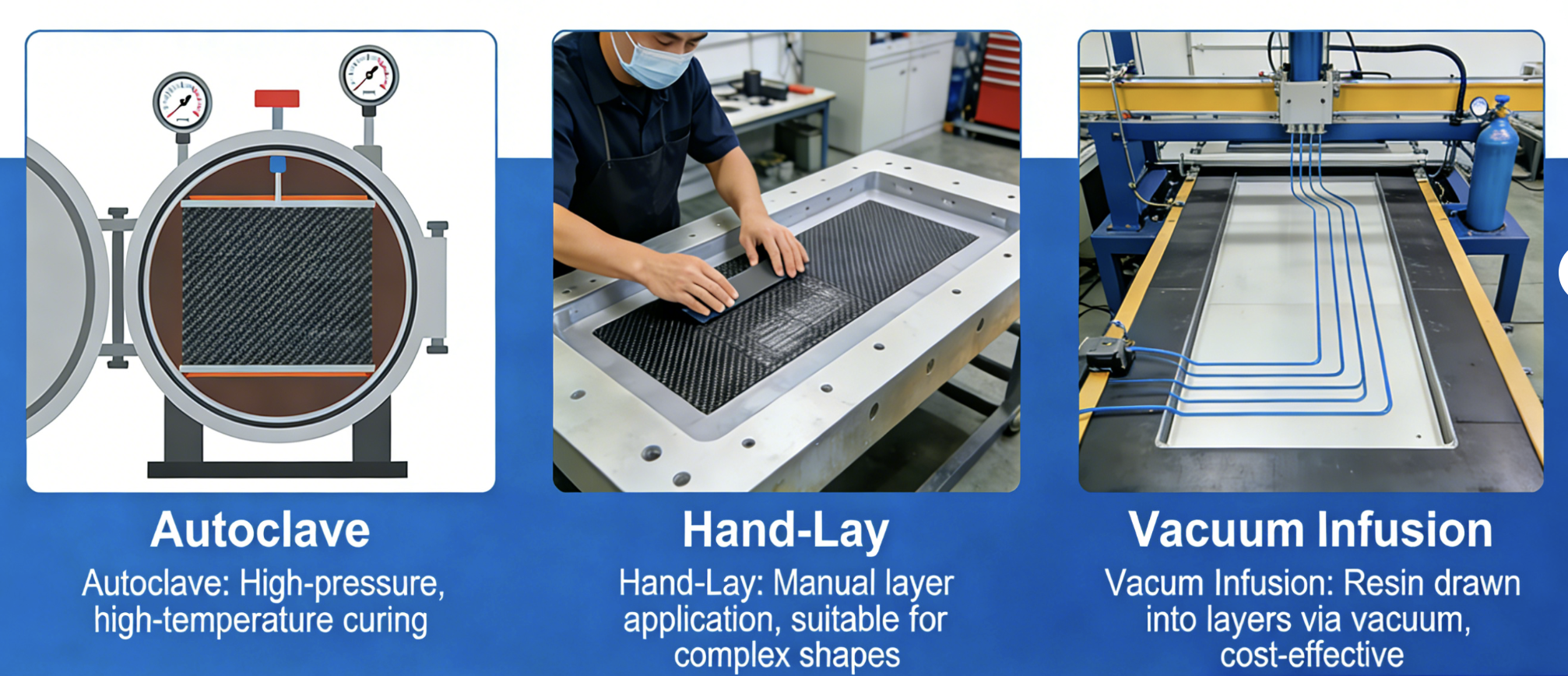
The carbon fiber plate in your hands didn’t earn its properties from the fiber alone. It earned them from pressure, heat, and the decisions made before the resin ever touched the cloth.
Three manufacturing processes dominate the industry. Each one produces a different result — in void content, fiber consistency, and final mechanical performance. You’re sourcing a carbon fiber reinforced polymer plate for a load-critical application? The process that made it matters as much as the layup.
Autoclave: The Benchmark
Autoclave curing is the reference standard. Everything else gets compared against it.
Workers stack pre-impregnated carbon fiber layers (prepreg) onto a mold, vacuum-bag them, then place the assembly inside a pressure vessel. The cure runs at 177°C (350°F) for 2 to 4 hours. Pressure holds between 0.6 and 1.0 MPa (85 psi). Compressed air or inert gas — nitrogen, CO₂ — pushes uniform pressure across every point of the surface at once.
You get a CFRP sheet with low void content, even fiber distribution, and consistent quality part after part. Aerospace components, high-performance unidirectional carbon fiber plates, precision robotics frames — these all call for autoclave processing.
Hand Lay-Up: Flexible, Operator-Dependent
Hand lay-up is the most accessible process. Workers cut room-temperature prepreg to shape — by hand with knives and guides, or through automated cutting — then apply it to the mold layer by layer. Hot air guns and irons soften the material. That improves tack and cuts down on wrinkles. Squeegees and rollers press each ply into place.
The limitation is human variance. Complex shapes invite fiber bridging and waviness. Output quality shifts with the operator. Even so, hand lay-up stays relevant in custom carbon fiber fabrication. Tooling costs and low production volumes often don’t justify autoclave investment.
Vacuum Infusion: Autoclave Quality, Lower Cost
Vacuum infusion starts with dry fiber — no pre-impregnation needed. Workers place dry fabric into a leak-tight mold. A flexible vacuum bag seals over the laminate. Then vacuum pressure pulls resin through the fabric.
The numbers speak for themselves:
– Void content drops below 2%
– Laminate properties match autoclave-cured prepreg
– Investment costs stay close to open-mold hand lay-up
One emerging variant — Vacuum Chamber Infusion (VCI), adapted from food packaging technology — uses 30k carbon fiber tape preforms and hits the same sub-2% void threshold. Slight fiber washing shows up in unidirectional preforms without compaction pressure. It disappears in 0/90° oriented fiber.
Out-of-autoclave prepregs used in vacuum infusion need permeable boundaries — dry fiberglass, cork — so trapped gas can escape. Vacuum channels built into the prepreg microstructure pull air out during debulking and the early cure stage. Cure temperatures run cooler than autoclave: 93°C or 121°C versus 177°C, at just one atmosphere of pressure. Void content still drops below 1%.
Lower emissions. Lower cost. Autoclave-level results. For carbon fiber sandwich panels and large-format lightweight carbon fiber panels, vacuum infusion has become the go-to process.
Technical Specifications Decoded: Thickness, Layering, Surface Finish & Mechanical Properties
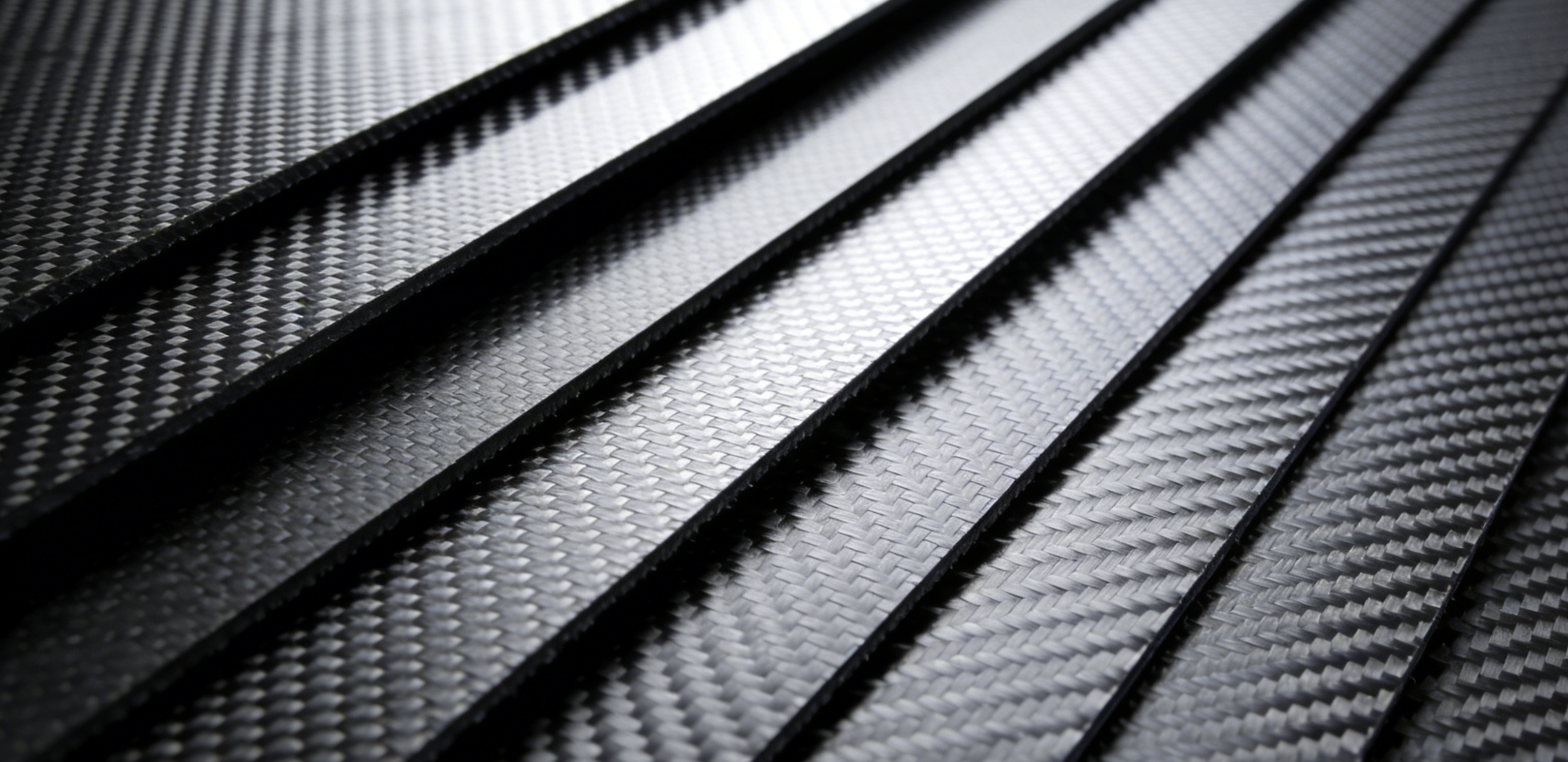
Specs are where carbon fiber stops being a material and becomes an engineering decision.
Thickness, layup direction, surface finish — these aren’t cosmetic details. They decide whether your part holds up under load or fails silently between design and real-world use.
Thickness: More Than a Number
Standard carbon fiber plate stock runs from 0.5mm up through 25mm and beyond. Thin plates — 0.5mm to 2mm — work well for drone frames, RC aircraft, and electronics enclosures where stiffness-to-weight ratio is everything. Mid-range plates — 3mm to 10mm — cover most robotics and motorsport structural work. Heavy plates above 10mm go into tooling, fixtures, and load-bearing structural members.
The number on the spec sheet doesn’t tell the full story. A 3mm unidirectional carbon fiber plate and a 3mm woven carbon fiber panel share the same thickness. Their mechanical profiles are completely different.
Layup Direction: Where the Strength Lives
Two layup types drive the carbon fiber laminate sheet market.
Unidirectional (UD) stacks all fibers along one axis. All tensile strength runs in one direction. For a known, single-axis load — a beam under bending, a strut under compression — UD is the efficient choice. Nothing gets wasted.
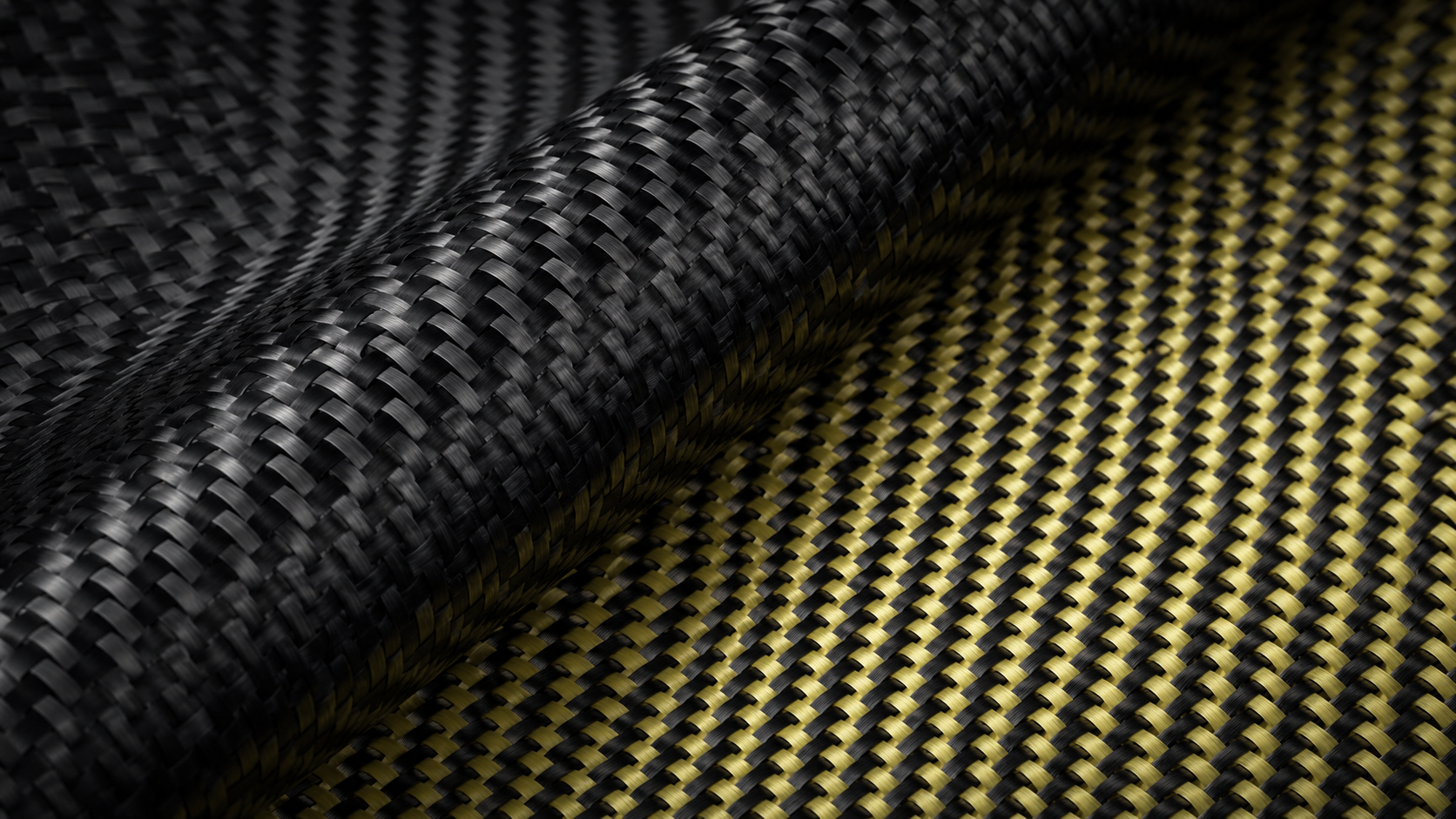
Woven (0/90°) splits fiber across two perpendicular axes. Strength spreads across both directions. It’s less efficient for pure single-axis loads, but far more forgiving when the load path isn’t easy to predict. Most CFRP sheets sold as general-purpose stock use a woven layup for this reason.
Hybrid layups mix UD plies and woven plies at custom angles. These serve specialized builds where load cases get complex and a single layup type won’t cut it.
Surface Finish: Function, Not Just Appearance
Carbon fiber flat sheet comes in two standard surface options: matte and gloss.
-
Matte finish: Lower reflectivity, easier to bond and paint over, better adhesion for secondary lamination
-
Gloss finish: Harder surface layer, clean visual presentation, common on cosmetic-facing parts
For custom carbon fiber fabrication, post-machining surface roughness targets Ra 3.2 μm as the standard CNC-milled benchmark. You’ll see visible tool marks at this level, but the surface handles vibration and heavy-load applications without issue.
Mechanical Properties That Matter
The carbon fiber reinforced polymer plate spec sheet leads with tensile strength. Typical values range from 600 MPa to over 1,500 MPa depending on fiber grade, resin system, and layup.
Check these three numbers before you buy:
-
Tensile strength: Maximum stress the material takes before failure in tension
-
Flexural modulus: Resistance to bending — often more useful than tensile strength for plate applications
-
Interlaminar shear strength (ILSS): Resistance to delamination between plies — critical for thick plates under peel or torsional loads
Void content ties into all three. Autoclave and vacuum infusion processes target sub-2% voids. Each percentage point above that level pulls mechanical properties down. The damage is measurable and can’t be reversed.
Fiber volume fraction (FVF) tells the same story from the other side. Higher FVF means more fiber and less resin. That gives you higher stiffness and strength per unit weight. Premium lightweight carbon fiber panels hit 55–65% FVF. Budget stock often falls below 50%.
Same label. Very different performance.
Industry Applications: Where Carbon Fiber Plates, Panels & Boards Are Used
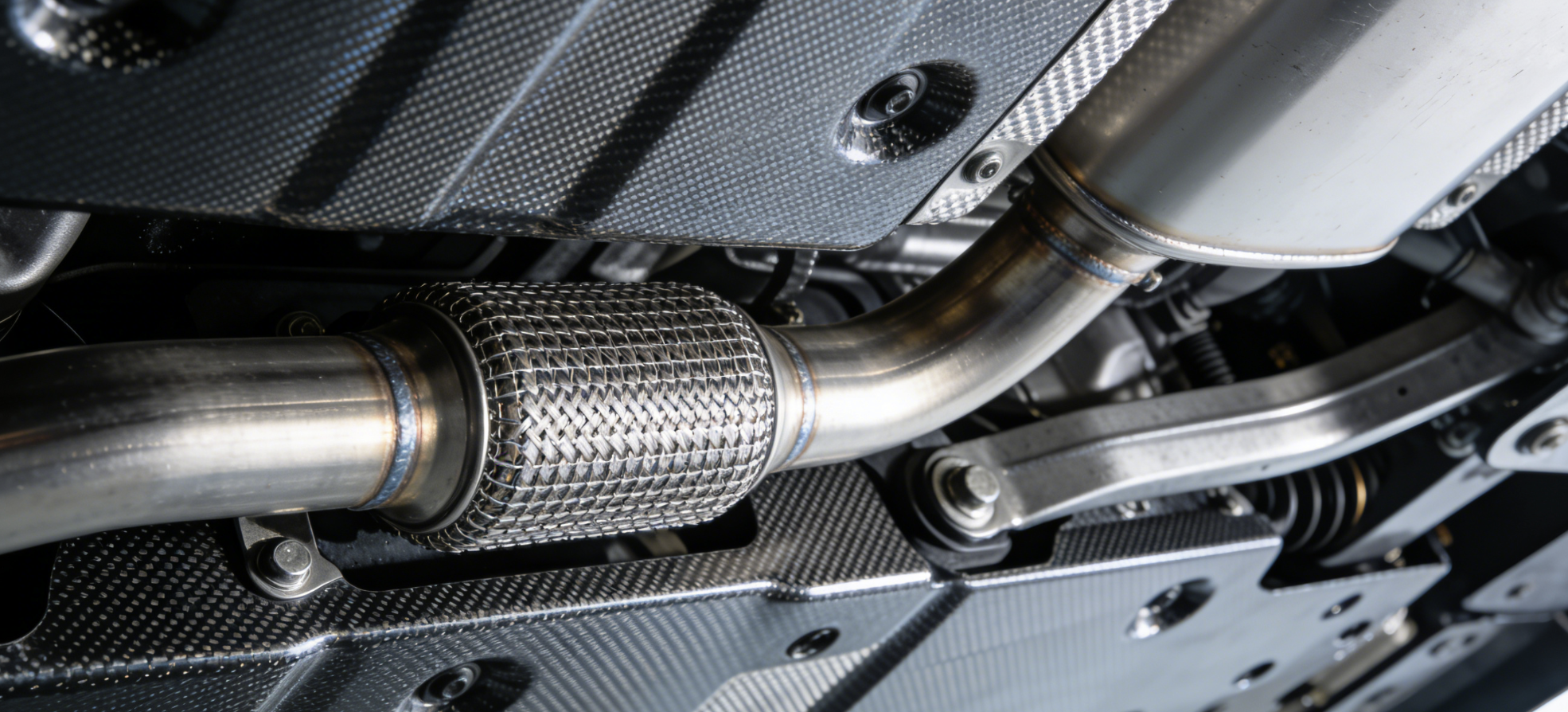
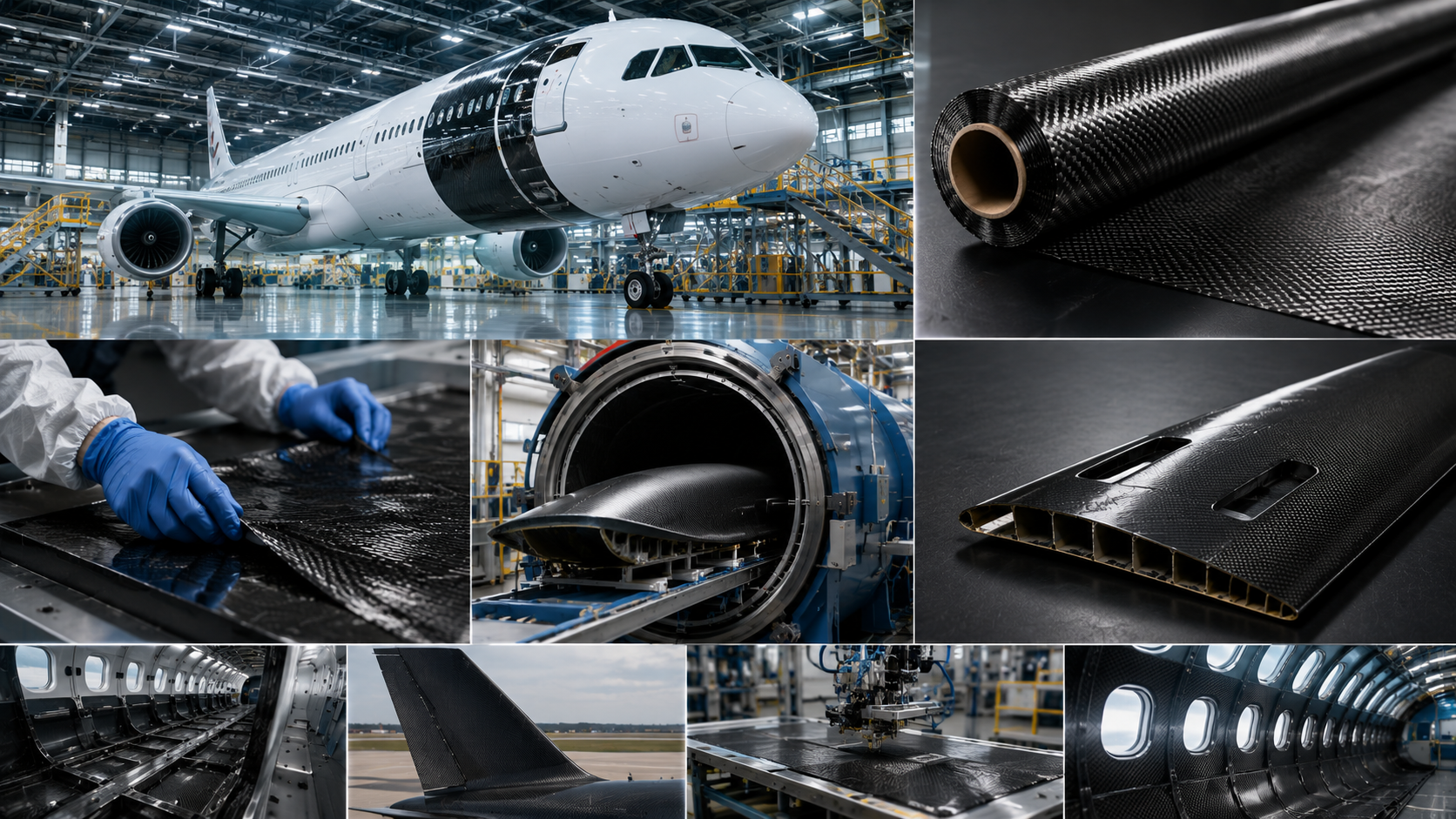
30% of all carbon fiber made today ends up in aircraft. That one number tells you where this material built its reputation — and where the performance demands are too strict to fake.
Aerospace & Aviation
Weight is currency in aerospace. Every pound saved is payload gained, fuel cost recovered, range extended. Carbon fiber plates and panels cut weight by up to 75% compared to metal tooling. That number comes from FEA analysis, not marketing copy. Maintenance is simpler too. Carbon fiber doesn’t corrode. It doesn’t fatigue in unpredictable ways. It holds its shape and dimensions across wide temperature swings — something aluminum and steel can’t match.
Automotive & Motorsport
Structural floor panels, interior trim, roll cage reinforcements, motorcycle subframes — woven carbon fiber panels and unidirectional carbon fiber plates have replaced steel and aluminum across the performance automotive world. The strength-to-weight advantage isn’t just visual. It changes lap times. It changes crash behavior. It changes fuel economy in ways you feel on track and on the road.
Industrial Robotics
Every robotic arm needs rigidity without bulk. Carbon fiber laminate sheets deliver exactly that. A high flexural modulus keeps end-effector positioning accurate under dynamic loads. The lighter overall structure also means lower motor torque requirements and less energy draw on every cycle.
Construction & Infrastructure
CFRP plates are now a go-to tool in structural rehabilitation. Engineers bond them directly to the tension faces of bridges, beams, and load-bearing walls. They use single-component epoxy systems — no extra filling, priming, or surface prep needed. Installation is fast. Structural recovery is measurable. Long-term durability under both dynamic and static loading is backed by solid field documentation.
Sports Equipment & Beyond
Bicycle frames, rowing oars, trade show displays — lightweight carbon fiber panels show up wherever stiffness, portability, and durability all need to work together. Standard stock goes up to 48″ × 96″ at thicknesses reaching 1.5 inches. That covers most industrial and commercial fabrication needs without any custom order.
Custom Carbon Fiber Fabrication: CNC Cutting, Custom Layups & Rapid Prototyping
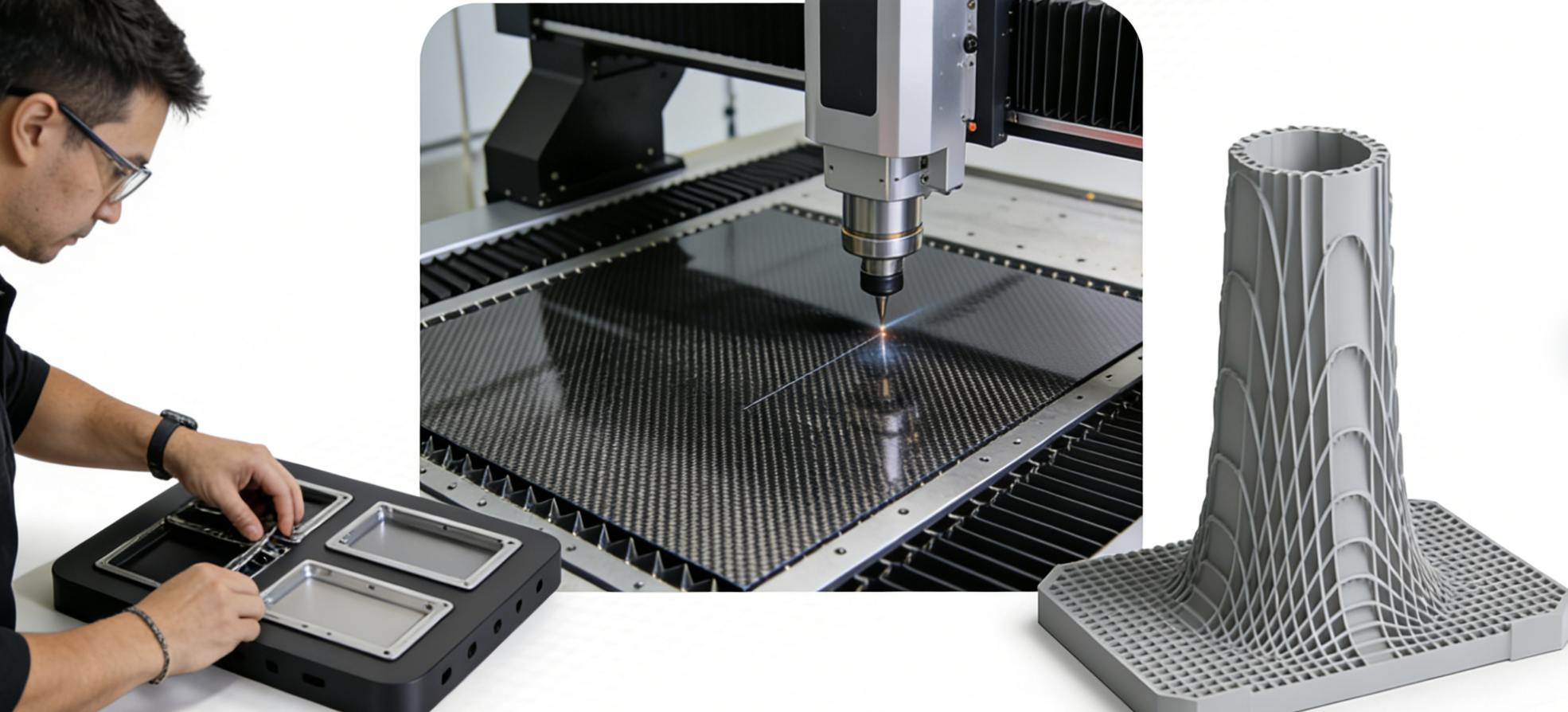
Standard stock gets you 80% of the way there. The other 20% is where things get specific. Think: a quad-copter frame with tight interior pockets, an airplane switch panel with compound curves, or a robotics enclosure that must be 1.3mm thick — no more, no less. That’s where custom fabrication earns its place.
At HyperX Carbon, our CNC cutting envelope runs up to 1300 × 2500 × 300mm. That covers most structural plates and complex profile shapes in a single piece — no multi-part joins needed. We accept AutoCAD, SolidWorks, and DXF files. No CAD file? Our team builds one for you from scratch.
Cutting Method Matters More Than You Think
Not all cutting processes treat carbon fiber the same way. Here’s what you’re dealing with across common methods:
-
Abrasive saws fray edges and cause delamination
-
Laser cutting burns the resin, chars the edge, and releases fumes you don’t want in any shop
-
CNC routing works — but dust management is non-negotiable, and feed/speed settings need tight control
Waterjet is the industry standard for good reason. Tolerances hold to ±0.009″. Minimum hole size is 0.125″. Kerf sits at 0.030″. Edges come out clean — no heat-affected zones, minimal fraying. Turnaround on waterjet-cut parts runs 2–4 days.
Design Rules That Prevent Failures
One rule overrides everything else: never bend cured carbon fiber laminate. The material cracks. Delamination follows fast. Complex 3D geometry must take shape during the layup process — pre-cure, inside the mold. You can’t force it into shape afterward.
Bending unavoidable? A hybrid approach works well here. Pairing carbon fiber with 5052 aluminum or 304 stainless steel handles those transitions without cracking or stress points.
For cut geometry, keep these rules in mind:
-
Use rounded interior corners — sharp corners concentrate stress
-
Keep hole diameters at or above 0.125″
-
Hold webs to at least 2× the material thickness
Our ISO 9000:2015 certified machining covers the full process — cutting, milling, drilling, grinding, and final assembly. Every part goes through quality-control lab verification on tolerances before it ships.
Conclusion
Carbon fiber isn’t a single material — it’s a decision. Every engineering choice starts with knowing what you’re working with. A carbon fiber plate gives you structural density. A panel covers surface area with flexibility. A board offers lightweight adaptability. Get that distinction right, and everything else falls into place — layup direction, thickness, surface finish, fabrication method.
Most projects don’t fail because carbon fiber wasn’t strong enough. They fail because the wrong form factor was chosen for the job.
Know what you need? HyperX Carbon stocks precision-cut carbon fiber panels, plates, and boards ready to ship. Custom CNC fabrication is also available for specs that standard sizes can’t meet.
Still figuring it out? Start with your load requirements. Everything else follows from there.
Contact HyperX Carbon – Your Trusted Chinese Carbon Fiber Partner
Ready to source high-performance carbon fiber materials or custom forged carbon fiber parts from China?
HyperX Carbon is a leading manufacturer with 20+ years of expertise, specializing in aerospace-grade forged carbon fiber, prepreg, tubes, sheets, and lightweight automotive/drone/medical components. We offer:
-
Stable supply chain with premium raw materials (Toray, Mitsubishi, Hengshen)
-
AS9100D certified production for aerospace & UAV applications
-
Rapid prototyping (5-8 weeks) and monthly capacity exceeding 180,000 parts
-
Competitive pricing with 15-18% cost savings on forged carbon solutions
-
Full customization: from T700/T1100G to ultra-high modulus grades
Whether you’re an eVTOL developer, automotive OEM, drone manufacturer, or medical device engineer, HyperX delivers consistent quality, batch-to-batch reliability, and reliable delivery.
Get in touch today for a free consultation, custom quote, or material sample.
📧 Email: [email protected]
🌐 Website: https://www.hyperxcarbon.com/
📞 Phone/WhatsApp: +86 15623270276 (English support available)
Let’s build your next lightweight innovation together – contact HyperX Carbon now and stay ahead in the low-altitude and advanced composites market.