Sourcing carbon fiber hoods from China seems simple at first. Then reality hits — Alibaba listings pile up, suppliers go silent after samples, and panels that look great in photos warp once you test fitment on an actual car.
Three numbers separate a solid carbon fiber hood supplier from a bad investment: quality grade, MOQ, and lead time. Get those right, and the rest falls into place.
This guide gives you a clear, side-by-side look at six Chinese manufacturers worth your time. The list covers a wide range:
-
Aerospace-grade OEM producers for high-spec buyers
-
Low-MOQ specialists built for small buyers testing a new SKU
Scaling a wholesale operation or placing your first container order? Either way, this breakdown cuts your vetting time down by weeks.
HyperX Carbon — Best for Aerospace-Grade OEM Carbon Fiber Hoods

Most carbon fiber hood suppliers in China build to ISO 9001. HyperX Carbon builds to AS9100D and IATF 16949 — the standards aerospace and automotive OEM programs demand.
That gap is measurable. ISO 9001 tolerates mold tooling variance up to ±0.2mm and allows 2–5% void content in fiber layup. AS9100D cuts tooling tolerance to ±0.05mm. It also requires less than 1% void content with 65–70% fiber volume, confirmed by ultrasonic NDT. IATF 16949 adds PPAP Level 3 with 100% layer traceability — not batch sampling.
Forged Carbon vs. 2×2 Twill: Why It Matters for Hoods
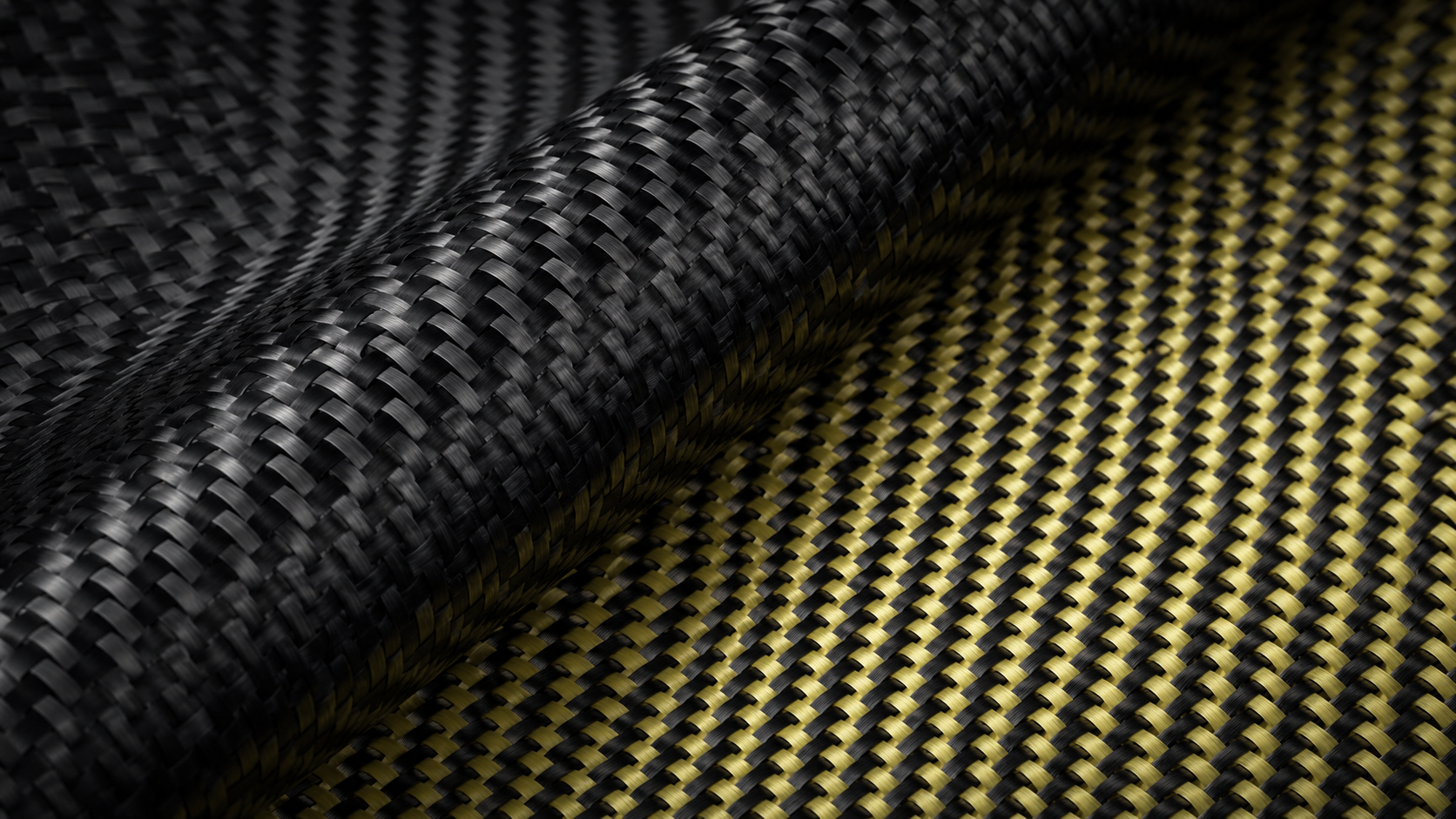
HyperX offers both constructions. For high-performance OEM applications, forged carbon is the clear advantage.
-
Forged carbon: Tensile 1,860 MPa, compressive 1,482 MPa, density 1.6 g/cm³
-
2×2 twill: Tensile 1,400–1,600 MPa, rigidity 20–30% lower due to anisotropic weave structure
On a 50–100kg hood, forged carbon gives you 25% weight reduction and a 30% higher stiffness-to-weight ratio. It also eliminates resin pooling. That’s a common failure point in twill panels — one that adds about 15% extra mass.
The cost math works too. Forged carbon hoods cost 15–18% less to produce than twill prepreg equivalents. No weave tooling saves 8%. Scrap rates drop 20%. Layup runs 15% faster. On a run of 100 hoods at $5,000/unit, that’s $75,000–$90,000 in production savings.
Fiber Grades & MOQ
HyperX uses aerospace-grade fiber with tensile strength up to 4,900 MPa and modulus from 230–500 GPa. ILSS reaches 60–90 MPa per ASTM D2344 — worth checking if your application involves torsional stress or track vibration.
MOQ is 10–50 pieces. This suits racing teams, high-performance aftermarket brands, and OEM programs producing 500–5,000 hoods per year. Sample cycles run 6–10 weeks. That’s longer than some suppliers, but the timeline reflects real aerospace QA. Tooling takes three weeks. Layup and testing take two to four. Cure and trim add one more.
Pre-approving CAD files saves a week. T700 molds cut two more. Parallel prototype runs shave off another.
Best fit: buyers where stiffness and weight reduction outrank unit cost, and where certification documentation gets read and used.
Supreem Carbon — Best Low MOQ Carbon Fiber Hood Supplier for Small Buyers

One piece. That’s all Supreem Carbon needs to start an order — and for small buyers, that changes everything.
Since 2017, Supreem has built its name around forged carbon fiber customization. They serve e-commerce sellers, boutique tuning brands, and anyone who needs a single prototype without paying bulk pricing penalties. The MOQ-of-1 model works because Supreem uses autoclave-processed prepreg carbon cloth. These pre-impregnated materials deliver consistent tensile strength and impact resistance. You don’t need large production runs to justify the setup cost.
Sample lead time runs 12–20 days — genuinely fast for this product category. That speed comes from a standard mold library covering popular platforms: BMW, Acura NSX, Lamborghini, M240 G42/G87 2024. Need hood vents or custom engine covers? Vehicle-specific adaptations add very little extra time.
Material Specs & Product Range
Supreem’s autoclave process produces panels with:
-
Density: ~1.6 g/cm³
-
Thermal tolerance: >300°C
-
Thermal expansion: <1×10⁻⁶/°C
-
Finish options: Glossy / Matte / Satin
-
Weave patterns: Twill, Plain, Forged Carbon, Honeycomb
The product line goes well beyond hoods. You’ll also find motorcycle fairings, fenders, wheels, and exhaust canisters. Consolidate your parts list and you can cut procurement steps by 40–50%. Plus, you get weight savings of 50–70% compared to OEM metal components.
Pricing is clear and simple. Lamborghini accessories start around $250. M240/G42/G87 hoods run $650–680. Single-unit orders carry no bulk premium — what you see is what you pay.
How Supreem compares to HyperX Carbon: HyperX sits at the ultra-premium racing level — AS9100D, IATF 16949, sub-1% void content. Supreem focuses on the mid-to-high performance street segment. You’re looking at 20–30% lower cost compared to HyperX. For high-displacement street builds and custom mod projects, that trade-off makes sense. For extreme track use where certification documents are a must, HyperX is the better call.
Best fit: small buyers testing a new SKU, e-commerce sellers managing tight inventory, and tuning brands that need fast custom samples without committing to a full container order.
ChinaCarbonFibers (Suzhou) — Best for Export-Ready Carbon Fiber Hoods with 28 Years Track Record

Twenty-eight years in carbon fiber manufacturing is not a marketing number. It means surviving three economic recessions. It means absorbing a global pandemic. It means serving 118 countries — all from the same address in Suzhou’s Xiangcheng Industrial Park since 1998.
That history shows up in measurable ways. ChinaCarbonFibers holds both ISO 9001 and AS9100 certifications across auto exterior panels and motorcycle fairings. That dual-cert structure makes their quality documentation readable to international procurement teams, not just domestic buyers. Their MOQ sits at 10 pieces. Sample lead time runs 3–6 weeks. Mass production clocks in at 5–8 weeks. Faster on samples than HyperX. Tighter on mass production timelines too.
Built Around the Suzhou Supply Chain
Location is a real advantage here, not a footnote. Jiangsu province accounts for 38% of China’s 48.9kt annual carbon fiber demand. Local raw material access cuts prepreg sourcing lead times from 8–12 weeks (import-dependent) down to 2–4 weeks. That time savings flows through the entire production schedule.
Logistics from factory to Shenzhen Port takes 2–4 hours. Sea freight to the US West Coast runs 13–16 days. Air freight lands in 24–72 hours. So if you’re managing restocking windows or tight seasonal launch dates, this supply chain gives you real, built-in predictability.
At 500–5,000 pieces per month, per-unit overhead runs 5–10% lower than non-integrated competitors. Add logistics and tariff efficiencies, and the cost gap widens another 5–15%.
Best fit: mid-volume OEM buyers and importers who need export-ready carbon fiber hoods with documented certifications and reliable delivery windows. These are buyers who want a supplier that has been doing this longer than most — and has the track record to prove it.
Shasha Carbon — Best for Small-Batch Custom Hoods (JDM & EU Fitment Specialists)

Custom JDM fitment is where most Chinese suppliers fall apart. The molds aren’t right, the mounting points are off. You end up with a hood that fits on paper — until you try to close it.
Shasha Carbon built their entire operation around that exact problem. Their 6,000㎡ facility runs hot press, vacuum tanks, CNC, and a dust-free workshop all under one roof. Every step from 3D CAD modeling to final coating stays in-house. That matters because fitment quality lives or dies at the CNC trimming stage. Even small deviations cause misalignment and mounting failures.
MOQ, Pricing & Lead Time
The numbers work well for small buyers:
-
MOQ: 2–10 pieces depending on part complexity
-
Pricing: $41–$500/unit — steering wheel trims at the low end, full dry carbon interior kits at the high end
-
Sample lead time: 2–3 weeks post-mold confirmation
-
Production scale: 50–500 pieces/month
A Ford F150 full dry carbon interior kit runs $500/set at 2-set MOQ. A MINI R55/R56 forged carbon steering wheel trim comes in at ~$41.73/unit at 10 pieces. The price difference ties to carbon layer count, part complexity, and surface finish. No hidden markup structure.
OEM/ODM Fitment Process
Send a 3D CAD file or a physical OE sample. Shasha takes it from there — reverse modeling, layup design, resin selection, and mold fabrication. Hood panels reach 30–40% weight reduction versus metal parts, with 95% carbon content for structural hardness.
JDM and EU fitments need exact-match molds. Compatibility is tight-tolerance work. Professional installation and clearance checks are not optional — skipping them creates fitment problems after delivery.
Best fit: Boutique importers and tuning shops running JDM or Euro platforms. You need custom small-batch hoods but don’t want to pay for tooling you’ll never spread across a large run. Shasha’s low MOQ and in-house mold process make that work.
Shanghai Mikesguard Auto Parts — Best Budget Carbon Fiber Hood for Wholesale Buyers

Not every buyer needs aerospace-grade fiber. Some need volume, low risk, and a price that keeps margins healthy on budget mod kits. That’s where Shanghai Mikesguard fits in.
Mikesguard started in 2020 and runs out of a 5,000 m² facility near Kunshan City, Jiangsu. The location sits close to Shanghai port, so logistics stay smooth. The company holds ISO 9001 certification. They add over 200 new molds each month and carry more than 100 active product types — front lips, spoilers, side skirts, and grilles.
Here’s a key detail to know upfront: Mikesguard’s entry-level carbon fiber hoods use an ABS substrate with a carbon fiber decorative finish. This is not full structural wet or dry carbon layup. That explains the US$3.50–$180/piece price range.
-
Hood scoops and vents start at $3.50/piece, with a 2-piece MOQ
-
Bumper lips in ABS/carbon finish run around $180/piece
Building display cars, show builds, or high-volume budget tuning kits? This product type works well for those use cases. The finish looks the part without the structural carbon price tag.
Platform coverage spans BMW F20, Honda Civic Type R, CRV, Nissan Sylphy, and Maserati. You can pay through T/T, Western Union, or PayPal via Made-in-China trade assurance.
Best fit: Wholesale buyers and e-commerce sellers who want carbon-look parts at volume pricing. You get ISO-backed quality controls and fast shipping out of Shanghai port.
Yiwu Chuanze Auto Parts — Best Platform-Based Carbon Fiber Hood for Test Orders

Eight years in Yiwu’s trading ecosystem teaches one thing fast: buyers need confidence before commitment. Chuanze built their entire model around that reality.
They’re a trading company, not a factory. Worth saying upfront. Yiwu is China’s wholesale trade capital, not a manufacturing hub. Chuanze runs exactly as you’d expect from that address. Multi-product catalog. Flexible pricing. Low entry thresholds.
For a test order, that’s the whole point.
MOQ, Pricing & What You’re Buying
The numbers are accessible:
-
Prado LC250 2024 carbon fiber hood: $120/set (1–4 sets), drops to $100/set at 5+
-
Toyota 4Runner 2020 hood: MOQ 5 sets, carbon fibre, black
-
Hiace 2019 front hood cover: $15.50–$17, low-volume capable
-
Tacoma bumper with hood elements: MOQ 1 set at $260–$300
Lead time is within 15 workdays. That matches factory-direct suppliers — without the factory MOQ requirements.
How to Verify Before You Commit
The trading model carries one real risk: QC transparency. You’re not buying straight from the production line. So use the tools Chuanze provides. That includes factory inspection reports, third-party audit documentation, and verified production line videos. Request a video factory tour. Also, bring in a third-party inspection agent on your first shipment.
Platform response time runs under 3 hours. That’s useful when you’re chasing fitment questions across time zones.
Best fit: New importers placing 1–5 set trial orders to test demand before locking into factory minimums. Start moving 30+ pieces on a steady basis, then graduate to a direct manufacturer.
MOQ, Lead Time & Price Comparison Table: All 6 Suppliers at a Glance

Six suppliers. Three numbers decide whether your sourcing decision holds — or collapses at the invoice stage.
|
Supplier |
MOQ |
Sample Lead Time |
Mass Prod Lead Time |
Price Range (USD) |
Certification |
Best Buyer Type |
|---|---|---|---|---|---|---|
|
HyperX Carbon |
10–50 pcs |
6–10 weeks |
8–12 weeks |
$500–$800/pc |
AS9100D + IATF 16949 |
OEM / Racing teams |
|
Supreem Carbon |
1 pc |
12–20 days |
4–6 weeks |
$250–$680/set |
ISO 9001 |
Small buyers / SKU testing |
|
ChinaCarbonFibers |
10 pcs |
3–6 weeks |
5–8 weeks |
$150–$500/pc |
ISO 9001 + AS9100 |
Mid-volume importers |
|
Shasha Carbon |
2–10 pcs |
2–3 weeks |
4–6 weeks |
$41–$500/set |
OEM/ODM verified |
Boutique / JDM shops |
|
Shanghai Mikesguard |
2 pcs |
2–3 weeks |
3–5 weeks |
$3.50–$180/pc |
ISO 9001 |
Wholesale / budget builds |
|
Yiwu Chuanze |
1–5 sets |
Within 15 workdays |
Within 15 workdays |
$100–$300/set |
Trading co. |
Trial orders / new importers |
What the Unit Price Isn’t Telling You
The number in the price column is a starting point, not a total. Three costs tend to disappear from the first quote.
Sample fees run $20–$100 per piece. Most suppliers will deduct this from your first production order once you cross their MOQ threshold. Get that clause in writing — it won’t apply unless you ask.
Mold fees range from $300 to $2,000. Spread across 1,000+ units, that adds $0.30–$2.00 per hood. On a 10-piece trial run, the hit is much bigger. Ask for a mold fee waiver on repeat orders above a set volume. Both Supreem and Shasha are open to that discussion.
Freight and packaging add $0.50–$1.50 per unit on standard shipments. LCL consolidation on small orders pushes that figure up by 20–30%.
Here’s the formula that protects your margin: Unit Price + (Mold Cost ÷ MOQ) + Freight + 10% buffer = true cost per hood. Run the numbers before you compare suppliers on price alone.
FAQ: Common Questions When Sourcing Carbon Fiber Hoods from China
Buyers ask the same questions. The answers shift depending on who’s asking — and what they’re buying.
Q: What’s the difference between a $300 hood and an $800 hood from China?
The manufacturing process. Full stop.
Budget hoods in the $300–$600 range use hand layup or vacuum bagging at room temperature. Workers spread resin by hand. Void content runs higher. The fiber-to-resin ratio comes in lower than the spec sheet suggests.
Mid-range suppliers run Resin Transfer Molding (RTM). That means controlled resin injection, 30–60 minute cure cycles, and more consistent output across batches.
Premium suppliers use autoclave processing with prepreg carbon fiber. You get a 60–70% fiber-to-resin ratio. Parts cure at 50–200 psi and up to 135°C for 2–3 hours. That’s where the structural gap becomes real — and measurable.
Q: Can I order just one piece?
Yes — but the per-unit cost goes up, and lead time stretches out. Single-piece orders run off existing mold inventory. There’s no dedicated production run built around your order. Output consistency dips. Most suppliers set a standard MOQ at 3–10 pieces for a reason — that’s the point where setup costs spread out and quality stabilizes.
Q: How long does the full sourcing cycle take?
Plan for 4–8 weeks, broken down as:
-
Quotation: 3 hours to 3 days
-
Sampling: 1–2 weeks (add more time if custom tooling is needed)
-
Production: 15+ workdays
-
Inspection and packaging: 3–5 days
-
Shipping to US/EU: 2–4 weeks
Need it faster? Express production is available — expect a 20–40% cost premium.
Q: My vehicle isn’t in their catalog. Can they still make it?
Most suppliers keep mold libraries for common platforms. Your vehicle model is covered? Production starts right away. It’s not in their library? You’re looking at custom mold development — add 2–4 weeks and $2,000–$5,000+ in tooling costs.
Come prepared before you reach out:
-
Exact model year range
-
LHD or RHD configuration (affects hinge placement)
-
Hood attachment point specs
-
Any vent, scoop, or aero feature requirements
-
Dimensional tolerances if you have OEM data
A precise brief gets you a faster answer. Either the supplier confirms compatibility — or tells you straight that they can’t deliver it.
Conclusion
Sourcing carbon fiber hoods from China is straightforward — once you know who to trust and why.
The six suppliers in this guide cover the full range of what China’s carbon fiber market has to offer. HyperX Carbon sits at the top with aerospace-grade OEM precision. Yiwu Chuanze sits at the other end, giving new buyers a low-risk entry point to test the waters. Whatever your volume, fitment spec, or quality standard, there’s a match on this list.
One rule stays firm no matter which supplier you pick: request a physical sample before committing to a full production run. Fitment tolerances, weave clarity, and resin finish tell you what a product listing never will.
Ready to move forward? Start by shortlisting two or three carbon fiber hood suppliers that fit your MOQ and lead time. Then let the samples decide.
Contact HyperX Carbon – Your Trusted Chinese Carbon Fiber Partner
Ready to source high-performance carbon fiber materials or custom forged carbon fiber parts from China?
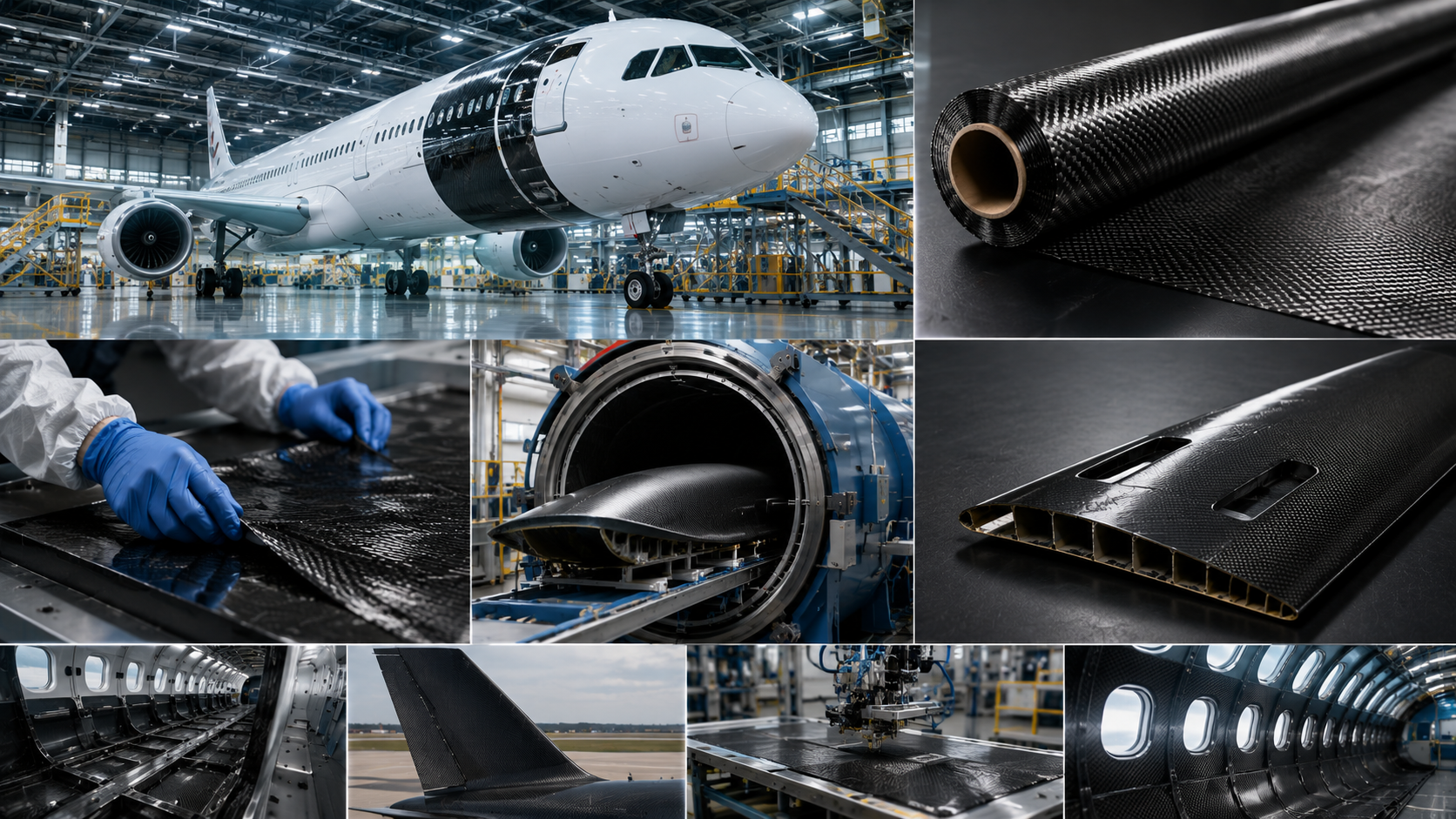
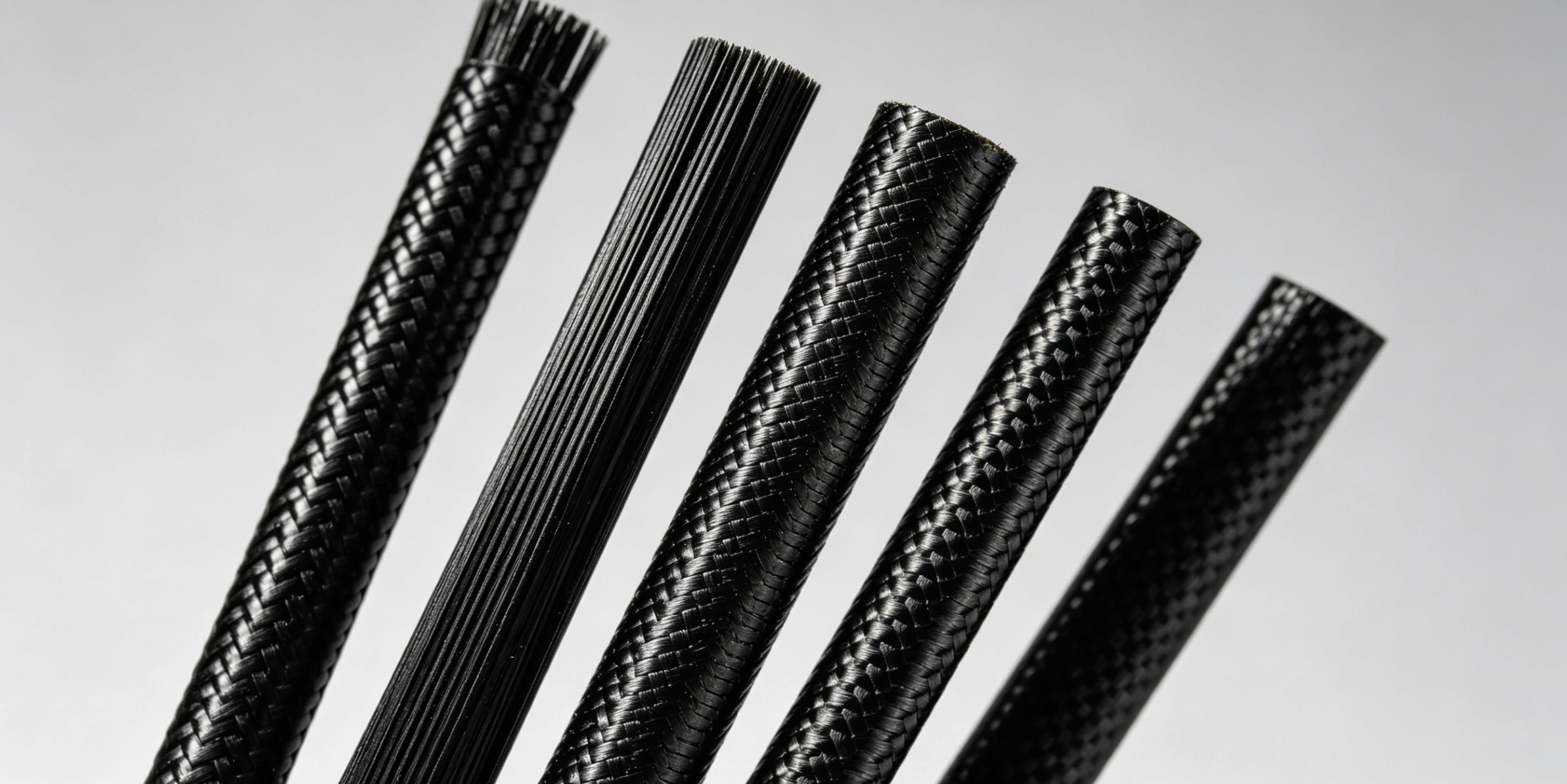
HyperX Carbon is a leading manufacturer with 20+ years of expertise, specializing in aerospace-grade forged carbon fiber, prepreg, carbon fiber tube, carbon fiber sheet, and lightweight carbon fiber automotive parts/carbon fiber drone components/carbon fiber medical components. We offer:
-
Stable supply chain with premium raw materials (Toray, Mitsubishi, Hengshen)
-
AS9100D certified production for aerospace & UAV applications
-
Rapid prototyping (5-8 weeks) and monthly capacity exceeding 180,000 parts
-
Competitive pricing with 15-18% cost savings on forged carbon solutions
-
Full customization: from T700/T1100G to ultra-high modulus grades
Whether you’re an eVTOL developer, automotive OEM, drone manufacturer, or medical device engineer, HyperX delivers consistent quality, batch-to-batch reliability, and reliable delivery.
Get in touch today for a free consultation, custom quote, or material sample.
📧 Email: [email protected]
🌐 Website: https://www.hyperxcarbon.com/
📞 Phone/WhatsApp: +86 15623270276 (English support available)
Let’s build your next lightweight innovation together – contact HyperX Carbon now and stay ahead in the low-altitude and advanced composites market.