
Swapping out your wheels is the single fastest upgrade you can make to any bike. In 2026, carbon fiber bike wheels have reached a point where performance, durability, and price all make sense together.
Road riders chasing aerodynamic gains on flat criterium courses get real results. Climbers obsessed with saving every gram see a difference. MTB riders who want stiffness that translates to trail speed — they feel it too. The right carbon wheelset changes the entire character of your ride.
Dozens of options are flooding the market right now. Picking without research is an expensive mistake. This guide gives you clear, ranked picks for road and mountain bikes. You’ll also find a side-by-side comparison table, scenario-based recommendations, and straight answers to the questions most buyers get wrong the first time.
What Makes Carbon Fiber Bike Wheels Worth the Upgrade in 2026

The numbers tell a clear story. Modern carbon fiber bike wheels weigh between 1,140g and 1,250g per set. Aluminum sits at 1,800g or more. That 500–700g difference is not just a spec sheet win. It’s rotational mass your legs no longer have to fight every time you accelerate.
Three performance pillars define the 2026 carbon advantage:
-
Weight: Sets like the CRW CS hit 1,140g at 40/45mm depth. Less spinning mass means faster spin-up. You get sharper acceleration response from the first pedal stroke.
-
Stiffness: T800 and T1000 carbon mixes with zone-specific layups push power transfer 20–30% beyond aluminum. Every watt you put in moves the bike forward — none of it gets lost to flex.
-
Aerodynamics: A 40–50mm carbon rim profile saves over 8W at 40km/h. Hold speeds above 25km/h and that advantage builds across every kilometer you ride.
Reliability has moved forward too. Precision resin transfer molding now keeps failure rates below 0.6% — a big drop from 1.8% in earlier generations.
The upgrade pays off in clear situations. You ride more than 5,000km per year. You hold speeds above 25km/h. You put out power over 200W on a consistent basis. Hit those numbers and carbon fiber bicycle wheels shift from a luxury purchase to a straightforward performance decision. Stay below them and aluminum still gets the job done.
How to Choose Carbon Fiber Bike Wheels: 6 Key Buying Factors
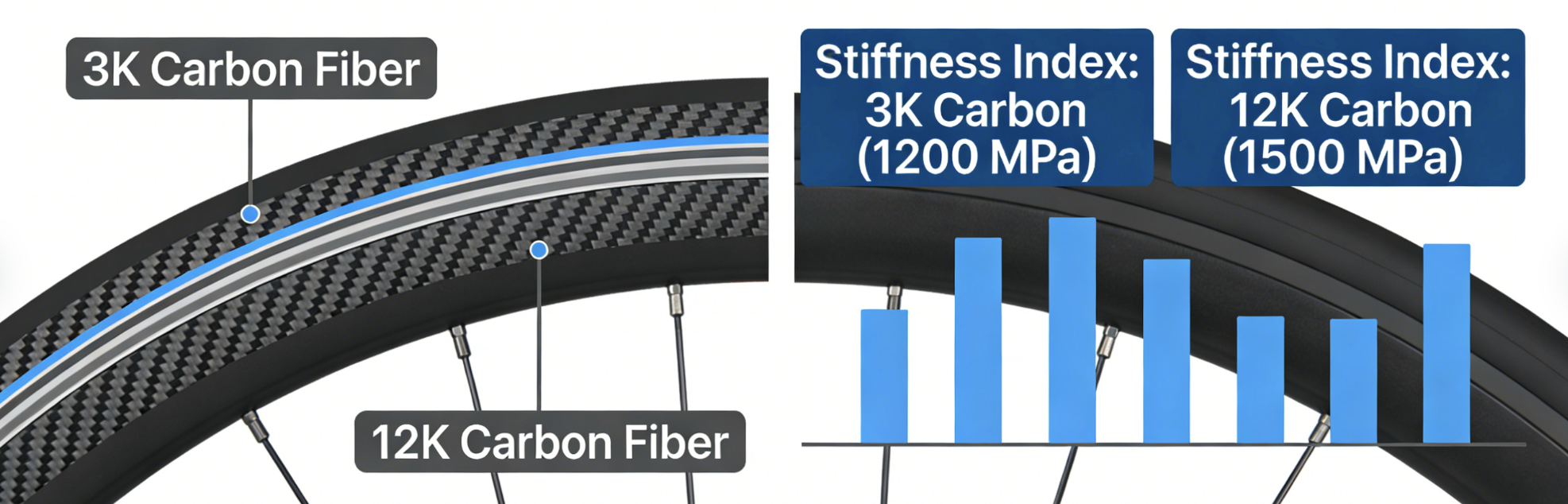
Six numbers decide whether a carbon wheelset upgrades your ride or just empties your wallet. Nail these factors and the rest of your buying decision gets a lot easier.
1. Rim Depth
Rim depth tells you where a wheel shines. Climbers and technical road riders do best with 30mm or shallower. You get lower rotational weight and quicker spin-up on steep climbs. Flat-course and criterium riders gain from 45–60mm deep profiles. Less aerodynamic drag adds up across every kilometer. MTB is a different story — go with width over depth. That’s what keeps your tire stable on rough, unpredictable ground.
2. Rim Width (Internal)
-
21mm inner: pairs well with 25–28mm tires, tubeless-ready at 60–80 PSI
-
23mm inner: best for 28–32mm tires, better tubeless seal, max 72.5 PSI on hookless
-
25mm inner: gravel and MTB use, suits 30–35mm+ tires, minimum 25 PSI required on hookless rims
3. Weight
Road wheelsets under 1,400g land in elite climbing range — the Elitewheels 40mm comes in at 1,260g. The 1,400–1,500g range hits a solid balance between aero performance and stiffness. Go above 1,500g and you’re in entry-level durability territory. MTB 29er rims fall between 1,800–2,200g. A 27.5″ trail build typically lands between 1,600–2,000g.
4. Brake Compatibility
Center Lock mounts faster. Six-bolt fits a wider range of hubs. Hookless rims are tubeless-only — the ETRTO standard sets a hard pressure cap at 72.5 PSI (5 bar). Push past that limit and you risk tire blow-off. Hooked rims handle 100+ PSI without any problem.
5. Carbon Stiffness
UD carbon construction delivers strong lateral stiffness. That’s critical for road power transfer — you lose less energy with every pedal stroke. MTB riders sometimes give up some peak stiffness for vertical compliance. A more compliant rim soaks up trail impacts and cuts fatigue on long descents.
6. Budget Reality
|
Tier |
Price |
Weight |
What You Get |
|---|---|---|---|
|
Entry |
Under $700 |
~1,450g |
Solid aero and stiffness — 10–15% heavier than flagship |
|
Mid |
$1,000–$1,500 |
~1,350g |
Pro-grade UD carbon, better impact resilience, 5–10% aero gain |
|
Flagship |
$2,000+ |
Under 1,300g |
UCI-tested, maximum lateral stiffness, 20%+ climbing advantage |
The weight and stiffness gap between entry and flagship sits at 10–20%. Most riders expect that gap to stay wide — but once your mileage crosses 150km per week, you’ll feel the difference sooner than you think.
Best Carbon Fiber Wheels for Road Bikes 2026: Top Picks Ranked
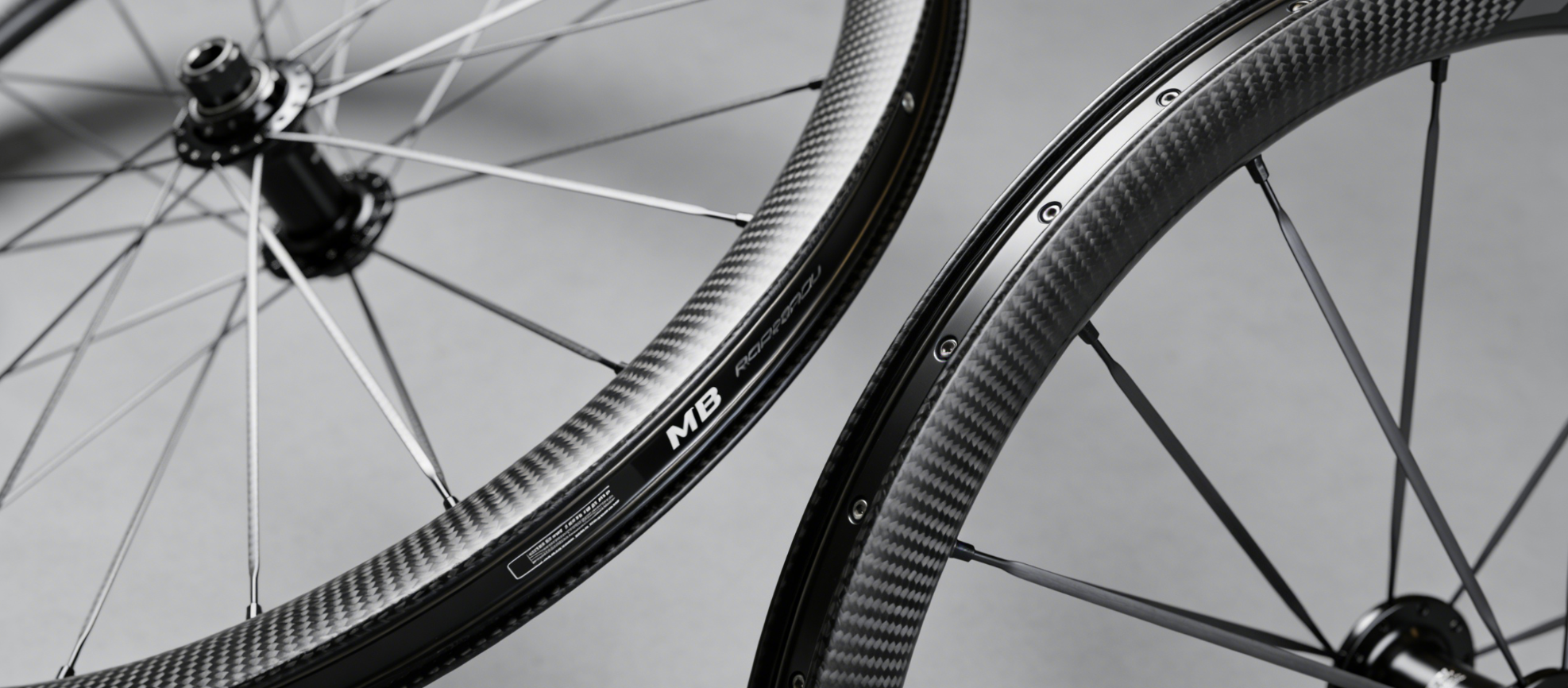
Five wheelsets dominate the 2026 road carbon market. Each one earns its place for a specific reason — weight, aerodynamics, value, or a mix that no competing model can match at the same price. Here’s how they rank.
1. RUJIXU Ultralight Carbon Wheelset — Best for Climbing
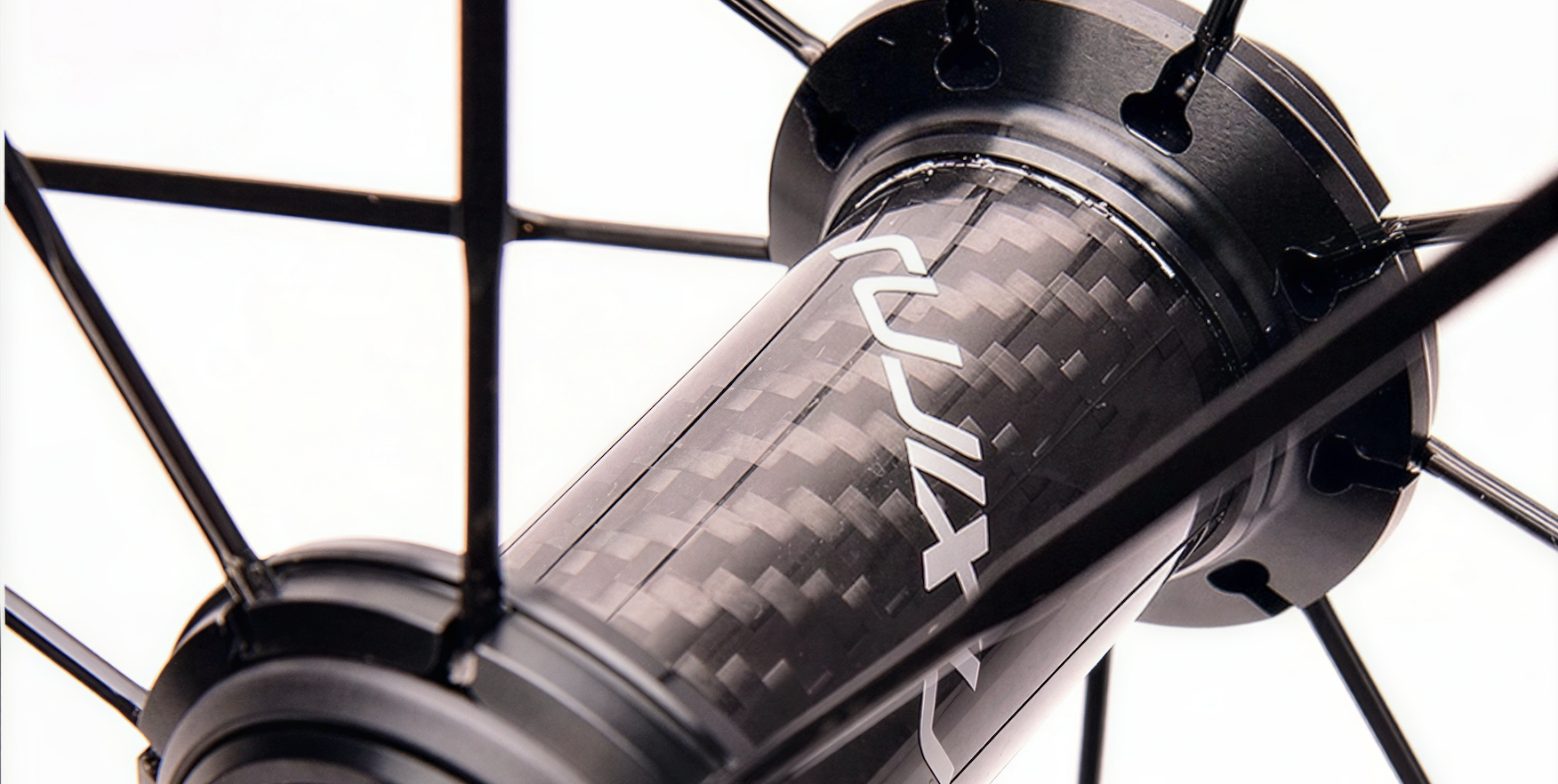
The RUJIXU weighs 1,500g per pair. At this price, nothing is lighter. Full stop. The disc center-lock setup comes with complete tubeless compatibility. Climbers feel the difference right away — acceleration is sharp, and stiffness is pro-grade. Your goal is reaching the top faster. This is where you start.
-
Rim depth: ~38–45mm
-
Braking: Disc (center lock)
-
Price: Under $1,000
-
Best for: Competitive racing, climbing efficiency
2. SUPERTEAM Carbon Wheelset — Best Value for Speed
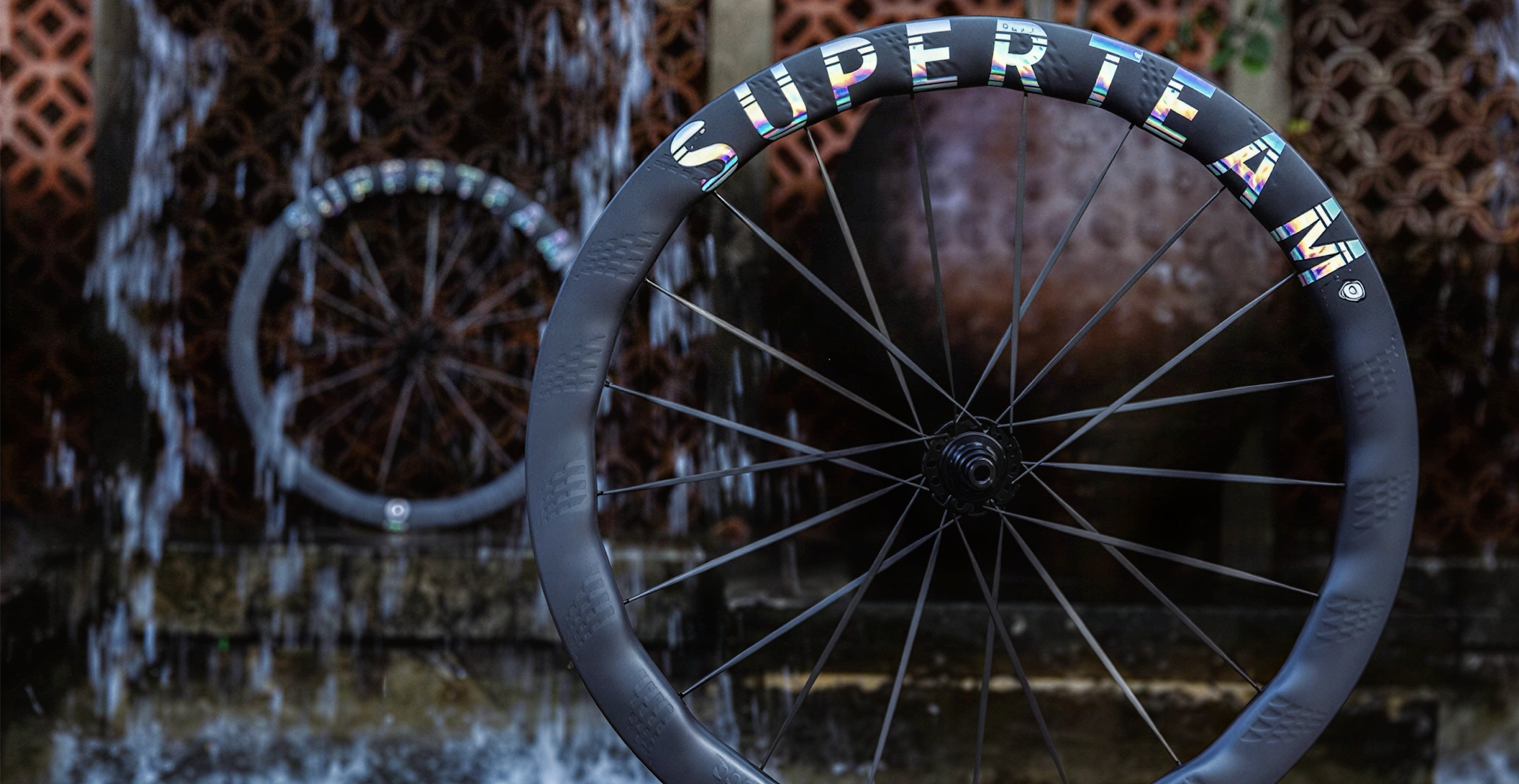
You get four depth options — 38mm, 50mm, 60mm, and 88mm. That range makes this wheelset more flexible than most at this price. Every variant is UCI-approved. Weight runs from 1,450g to 1,650g depending on the depth you pick. At $600–$900 on Amazon (even less on AliExpress), no other carbon wheelset in this guide gives you this much racing performance per dollar. Lateral stiffness is strong. Rolling resistance is low. Race durability holds up in long events too.
-
Rim depth: 38 / 50 / 60 / 88mm
-
Braking: Disc
-
Price: ~$600–$900
-
Best for: Racing, fast group rides, aero-focused riders on a budget
3. KORE Carbon Road Wheelset — Best All-Round Durability
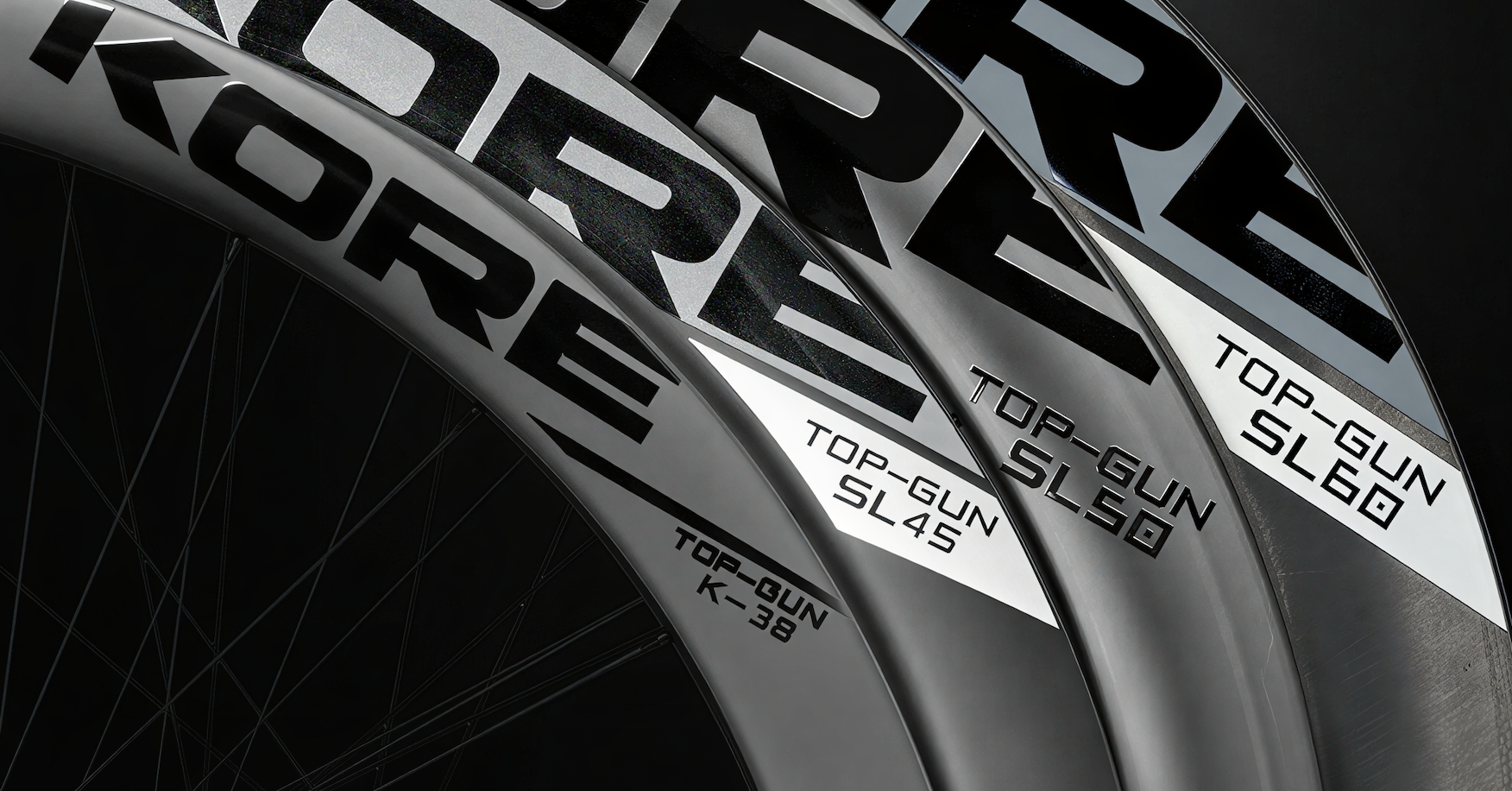
The KORE uses Pillar 2015 spokes laced in a 24-hole pattern. That build puts long-term structural strength ahead of chasing impressive spec numbers. Power transfer is smooth and consistent. At around $700, this is a serious upgrade for road racers who value reliability over shaving every last gram.
-
Rim depth: ~45–50mm
-
Braking: Disc, tubeless
-
Price: ~$700
-
Best for: Serious road racing, all-season durability
4. AERORAPTOR 50 WAVE — Best Crosswind Stability
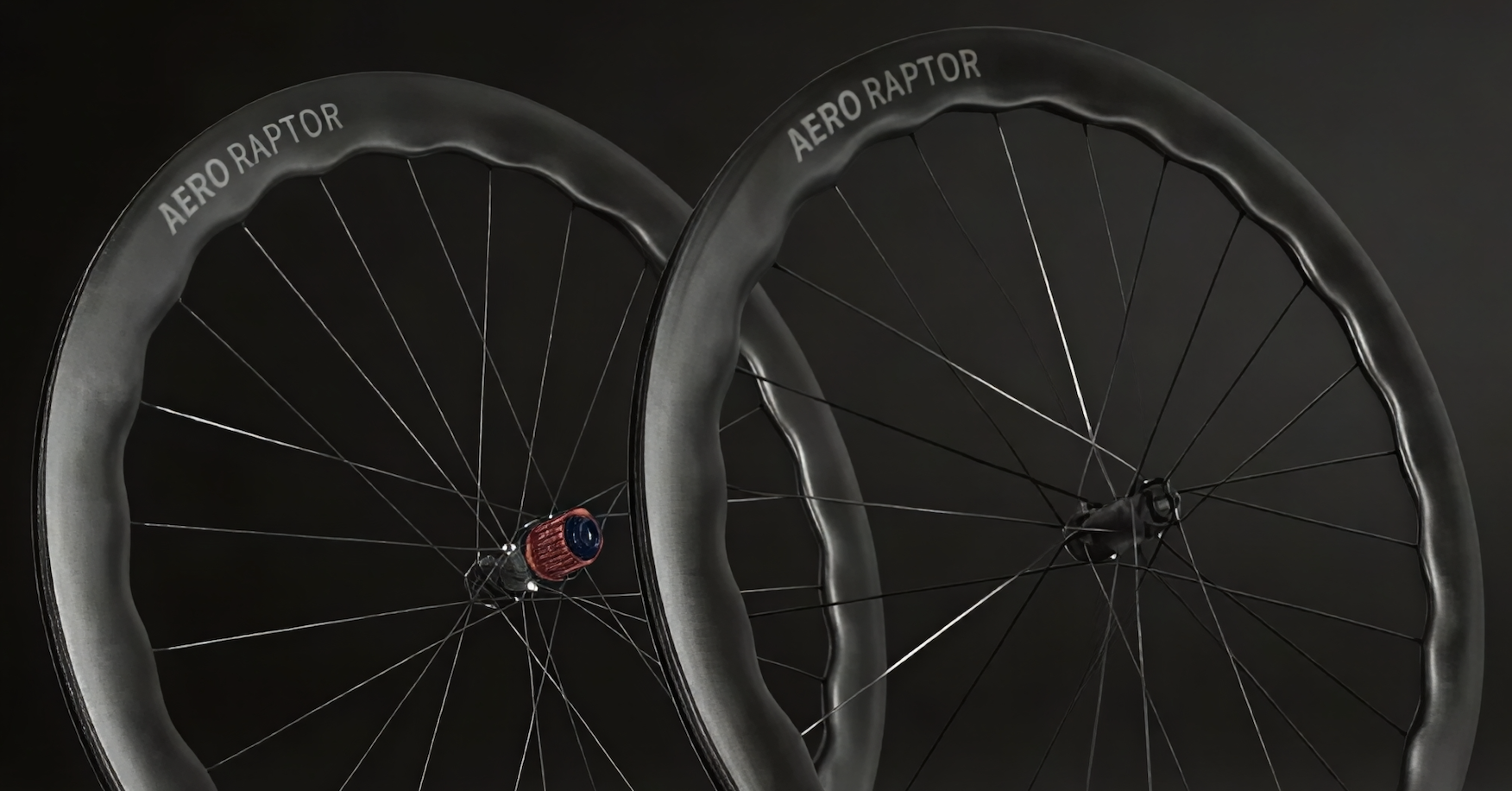
The wave-shaped 50mm rim profile is what sets this wheelset apart. That geometry redirects airflow instead of fighting it. You get real crosswind stability gains without losing straight-line speed. The 36T ratchet hub and Arrow 418 spokes round out a drivetrain build that backs up the rim’s performance.
-
Rim depth: 50mm (wave profile)
-
Braking: Center lock disc
-
Price: ~$750
-
Best for: Aero racing, high-speed endurance, windy conditions
5. Elite Wheels 2.0 — Best Entry into UCI-Approved Carbon
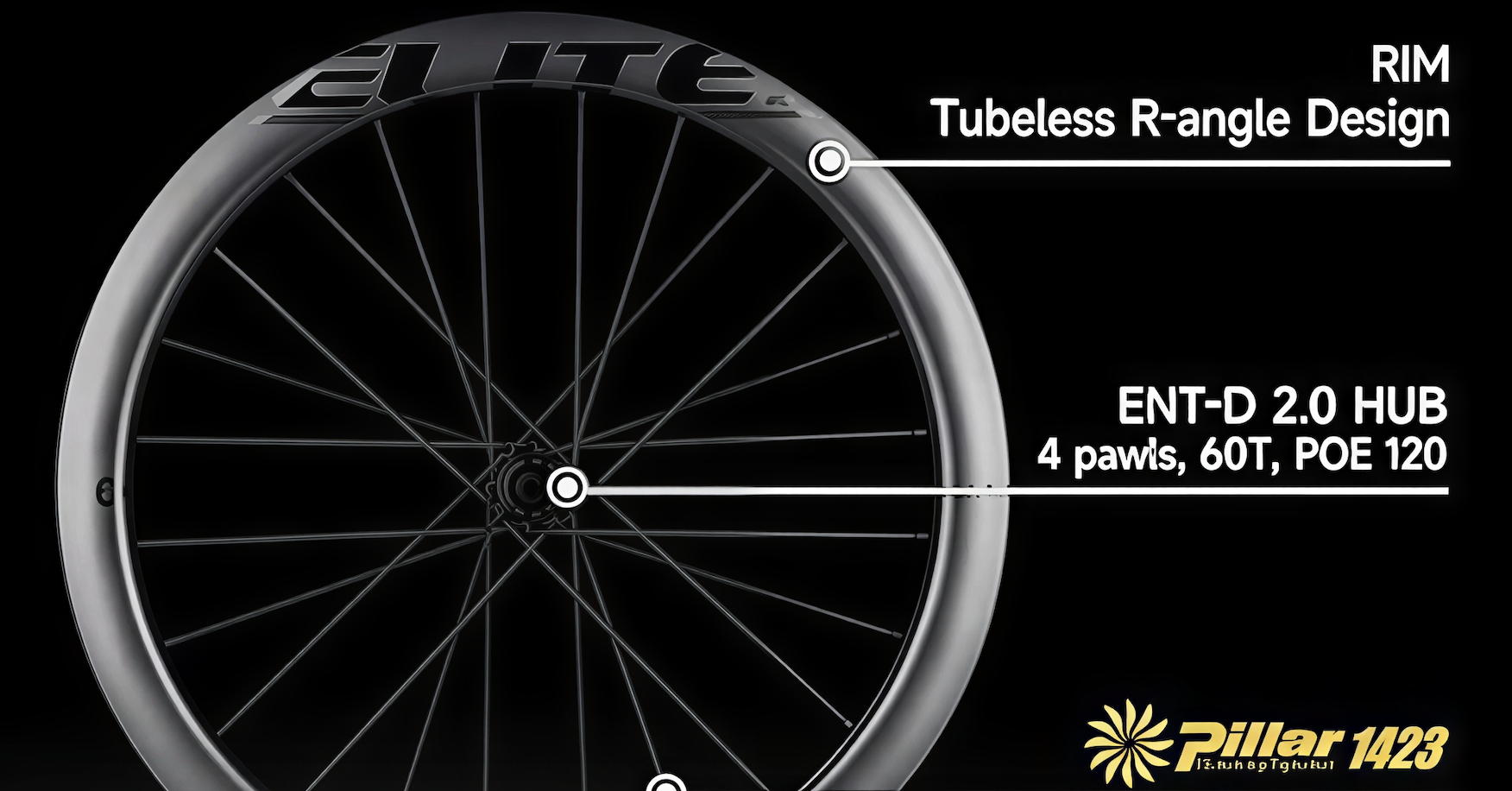
UCI approval at ~$800 is the headline here. The hooked rim design lets you run clincher or tubeless — your choice. High-speed handling stays stable, and the center-lock disc setup keeps braking consistent in any conditions. At ~1,480g, it’s not the lightest on this list. But the balance between aero performance and durability is hard to beat at this price.
-
Rim depth: ~45mm
-
Braking: Disc (center lock), tubeless/clincher 700c
-
Price: ~$800
-
Best for: High-speed endurance, competitive training rides
Premium Tier: No Budget Limit
Two wheelsets sit above the main ranked list on outright performance.
The Zipp 404 Firecrest (~$2,500) delivers a verified 4W aero saving through its ABLC Sawtooth and TSE rim technology. It weighs ~1,410g with a 58mm profile. The ride is aggressive but stays manageable in crosswinds. This remains the reference standard for all-road aero in 2026.
The Roval Rapide CLX II (~$2,200) chases a different kind of speed. At ~1,250g with a 60mm depth, it absorbs road noise better than most carbon competitors at this profile. You race on it. You also ride long endurance days on it. It handles both well.
Chasing aero on a tighter budget? Look at the Scribe Core Superlight 60. At ~$1,000, its wind tunnel numbers compete with wheelsets priced two to three times higher.
Best Carbon MTB Wheels 2026: XC, Trail & Enduro Top Picks
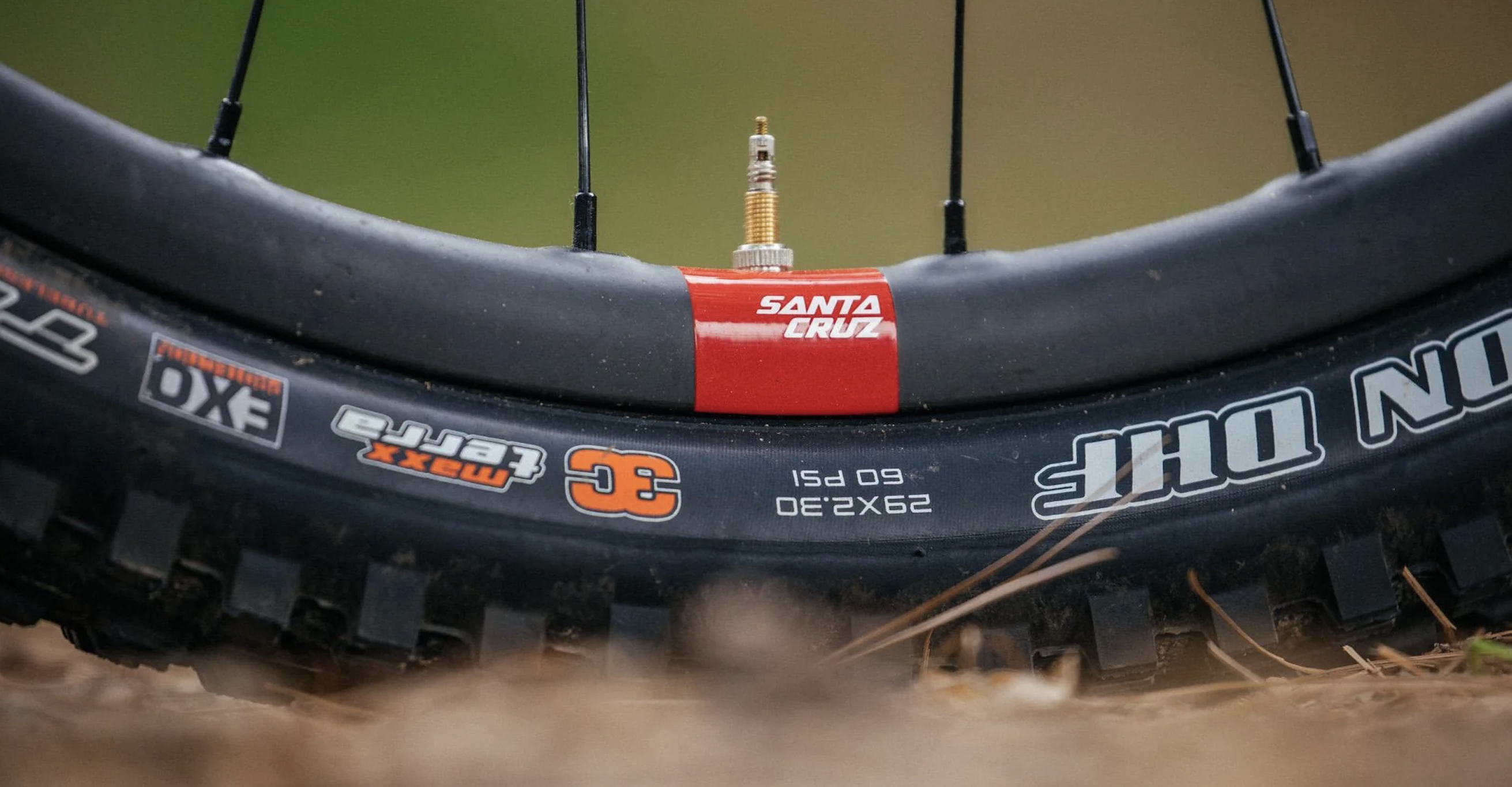
Mountain biking breaks wheels in ways road riding never does. Rocks, roots, lateral slam landings — the forces are different. The carbon wheelsets built for this environment are built different too. Wider internal widths, tougher layups, smarter hub engagement. That’s the game here.
The right carbon MTB wheel starts with your discipline, then your budget. XC riders need low weight and sharp response. Trail riders need grip and compliance. Enduro riders need wheels that survive repeat punishment and still feel precise at speed. The picks below follow that same order.
XC: Light, Fast, Immediate
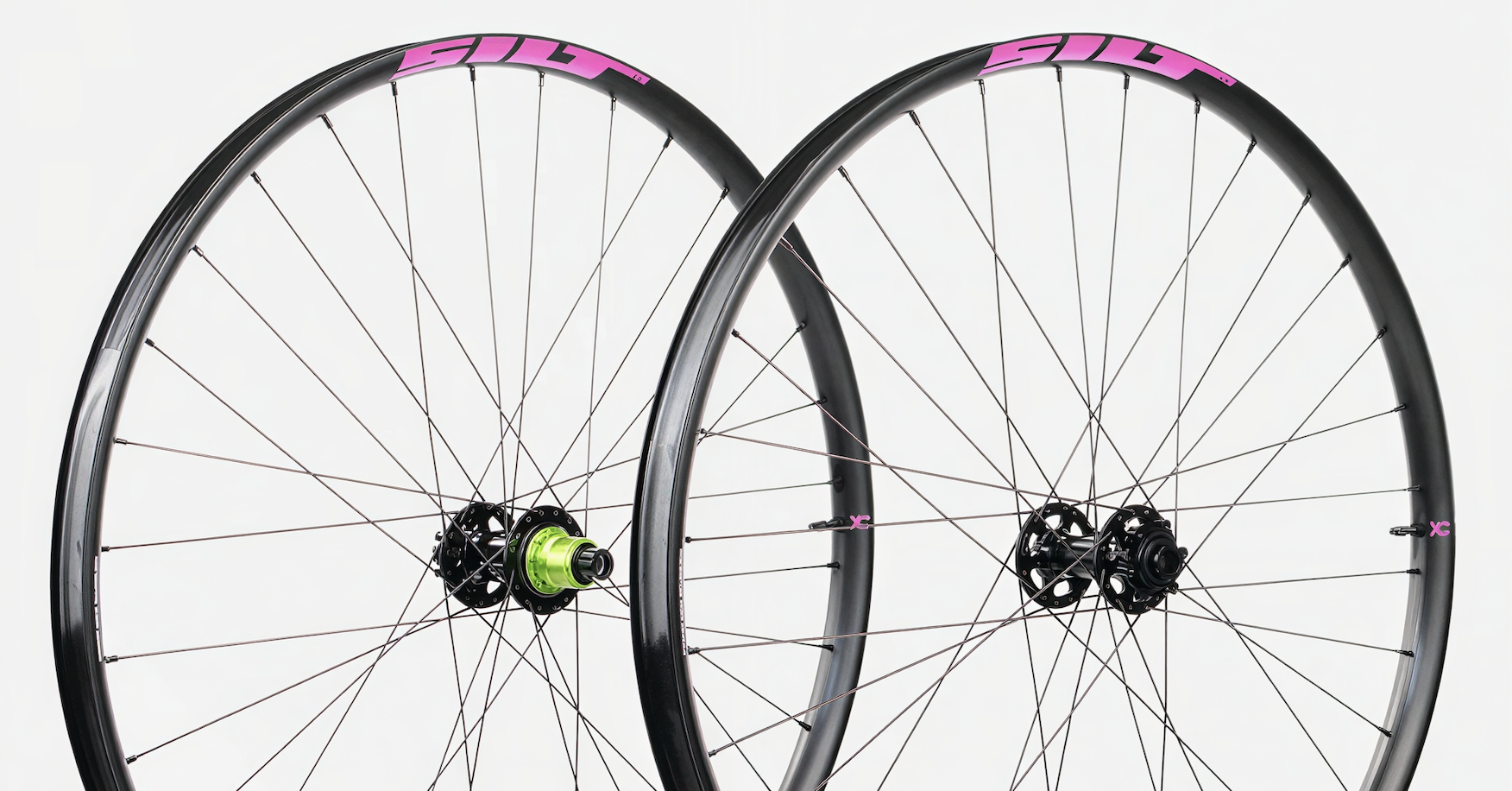
Silt Carbon XC — the standout number is 1,390g total (640g front, 750g rear). For a 29er carbon wheel, that’s exceptional. The 27mm internal width keeps tire setup stable at XC pressures. Plus, the crash replacement policy removes the biggest mental barrier to running lightweight carbon on technical trails.
Hunt Proven Carbon Race XC (£1,099) earns its place through compliance. It’s not the lightest in class, but the ride feel is sharp and responsive. You get supple feedback that translates to real traction on loose, rooted terrain. The lifetime warranty adds long-term value that the price tag alone doesn’t tell you.
Crankbrothers Synthesis XCT 11 Carbon (£2,250) is the precision instrument of the three. Industry Nine Hydra hubs run at 0.52° engagement — power transfer is near-instant. You stomp, the wheel moves. There’s slight flex under maximum load, but for XC racing, that’s a fair trade for the steering accuracy you get from this wheel.
Trail: Grip, Compliance, Real-World Durability
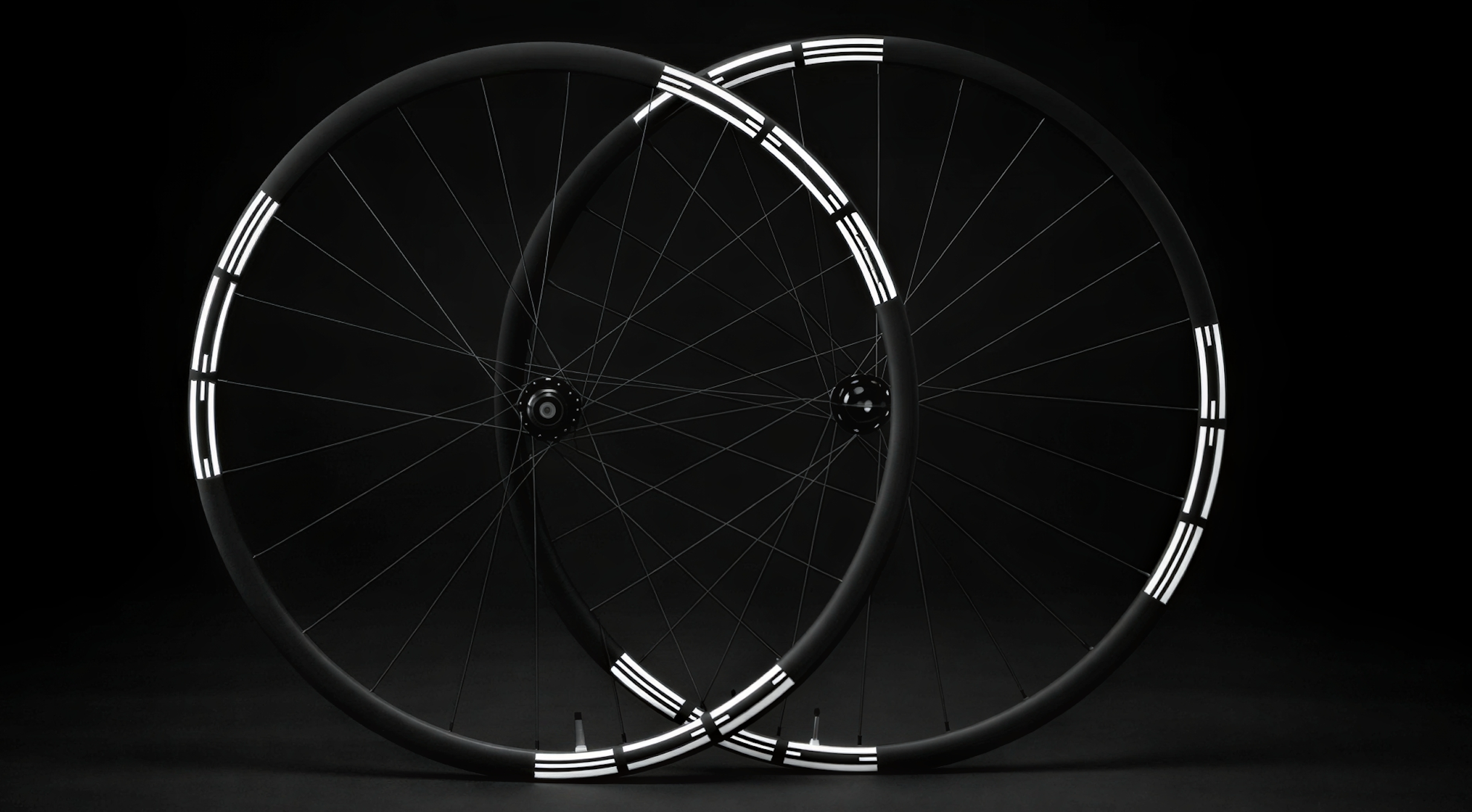
Crankbrothers Synthesis E11 earns a rare 10/10 rating for one clear reason: the asymmetric rim width design works. The 31.5mm front / 29.5mm rear internal setup gives the front tire maximum support for cornering grip. The rear stays stiffer for clean power transfer. At 860g front and 1,020g rear, it’s not ultralight — but the performance balance is about as close to perfect as trail riding gets.
Enve MTB Foundation AM30 (1,875g pair, 30mm internal) focuses on the stiffness-to-comfort balance. The anti-pinch flat design is a real engineering choice, not a marketing line — it cuts down the most common trail puncture scenario. Rated 9/10, this is the pick for riders logging long days on rough terrain. You want a wheel that feels planted without beating you up. This delivers that.
WTB CZR Carbon takes a different path. Its 6-pawl hub system puts fast, consistent engagement ahead of chasing weight savings. Riders stepping up from older WTB alloy builds will notice a clear jump — the ride is more solid and rolls faster, without the lateral spikiness of older WTB designs.
Enduro: Precision Under Pressure
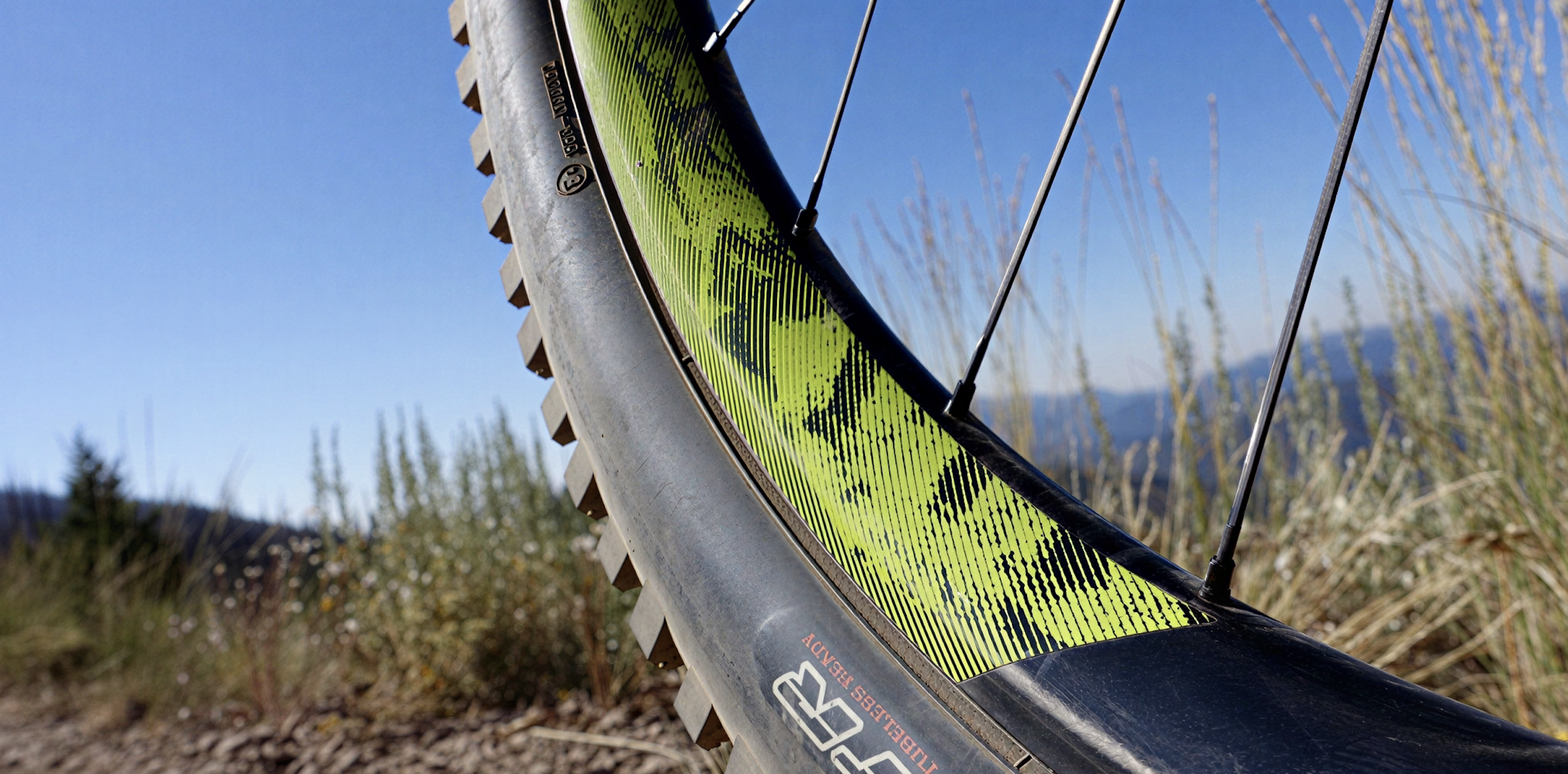
Reserve 30 HD Carbon (834g front / 938g rear) pairs Industry Nine instant-pickup hubs with a lifetime warranty and one of the most rider-friendly crash replacement programs in the enduro market. At 30mm internal width, tire support on aggressive lines stays predictable. Rated 8/10 — the firm ride character holds it back from a higher score, since it’s not a fit for every rider.
Santa Cruz Reserve 30 I9 Hydra (£1,899) runs 28 spokes — more than most carbon fiber MTB wheels at this depth. That spoke count adds lateral stiffness you notice right away compared to alloy alternatives. The I9 Hydra hub runs the same 0.52° instant engagement as the Synthesis XCT. The ride is firm. That firmness is the point — it’s what keeps the steering direct and confidence-inspiring on enduro descents.
E*Thirteen Sylvan Race Carbon solves a problem most enduro riders deal with but don’t talk about much: pedal kickback. The Sidekick hub geometry cuts the mechanical feedback through the cranks as the suspension compresses mid-pedal-stroke. On long, technical descents where you’re pedaling through rough sections, that reduction in kickback is noticeable. It adds up to less fatigue over a full run.
Quick Reference: MTB Carbon Wheel Comparison
|
Wheelset |
Category |
Weight |
Internal Width |
Hub Engagement |
Rating |
|---|---|---|---|---|---|
|
Silt Carbon XC |
XC |
1,390g |
27mm |
Standard |
9/10 |
|
Hunt Race XC |
XC |
— |
— |
Slower |
£1,099 |
|
Synthesis XCT 11 |
XC/Trail |
— |
— |
I9 Hydra 0.52° |
— |
|
Synthesis E11 |
Trail |
1,880g |
31.5/29.5mm |
I9 Hydra |
10/10 |
|
Enve AM30 |
Trail |
1,875g |
30mm |
— |
9/10 |
|
Reserve 30 HD |
Enduro |
1,772g |
30mm |
I9 instant |
8/10 |
|
Santa Cruz Reserve 30 |
Enduro |
— |
— |
I9 Hydra |
£1,899 |
One principle runs through every pick here: internal rim width matters more on an MTB than rim depth ever does. The 30–31.5mm internal standard across the top trail and enduro picks is no accident. That width is the foundation that makes tubeless carbon wheels work on unpredictable terrain. Tires seat cleanly, hold pressure well, and corner with real stability at the lower PSI settings that grip demands.
Road Bike Carbon Wheels Comparison Table 2026
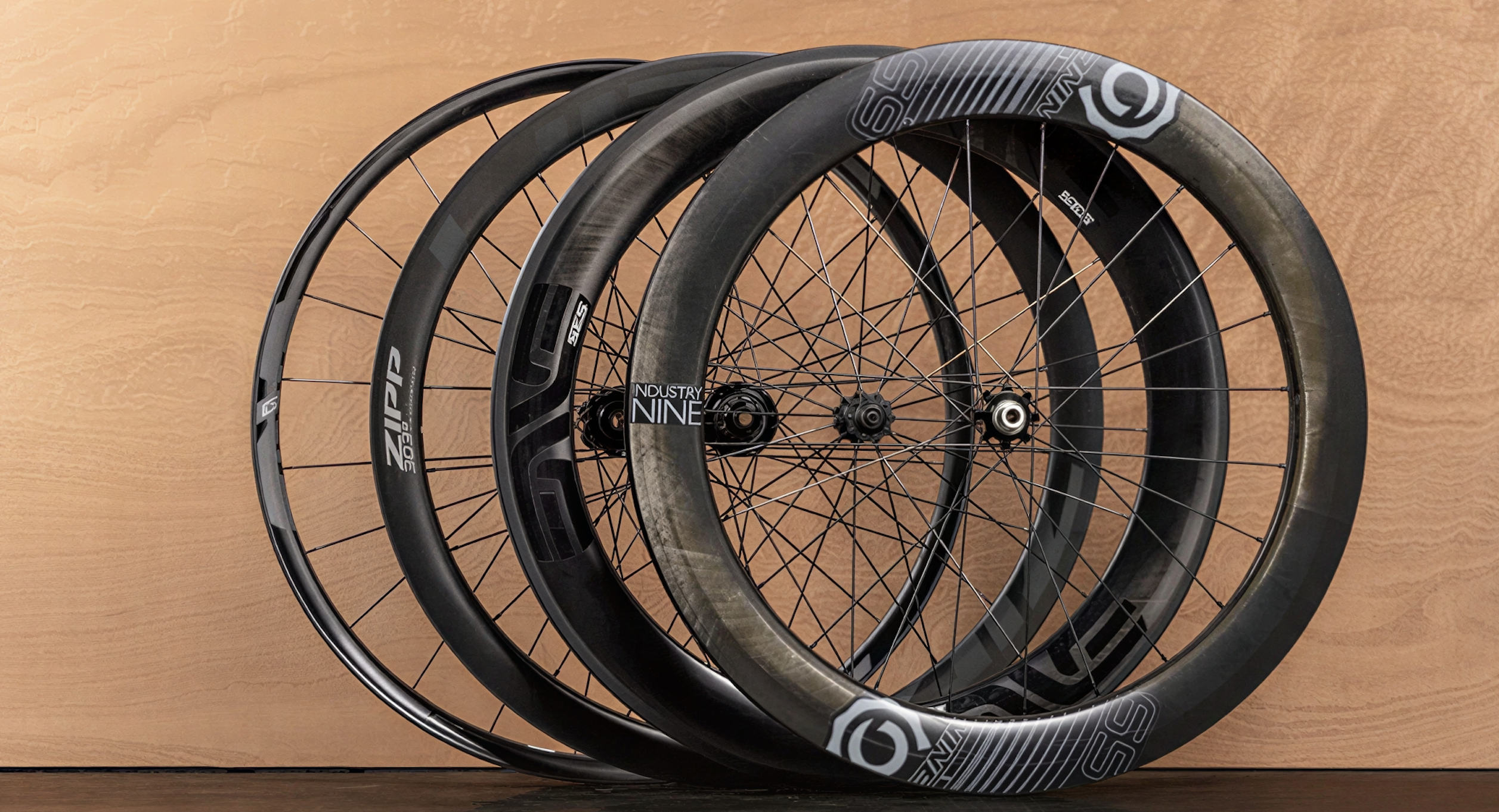
Nineteen wheelsets. One table. Every number that matters for your buying decision, laid out side by side.
|
Model |
Depth |
Weight |
Price |
Braking |
Hookless |
Best For |
|---|---|---|---|---|---|---|
|
Syncros Capital SL Aero |
60mm |
— |
— |
Disc |
— |
Aero racing, high-speed flats |
|
Reserve 52/63 |
52/63mm |
1,455g |
€2,000 |
Disc |
Hooked |
All-round versatility |
|
Bontrager Aeolus RSL 62 |
62mm |
— |
$2,970 |
Disc |
— |
Flat speed, aero priority |
|
Bontrager Aeolus RSL 51 |
51mm |
— |
— |
Disc |
— |
Low-yaw aero, climbing flats |
|
ENVE SES 6.7 |
67mm |
— |
$2,850 |
Disc |
— |
Flat terrain speed |
|
Elite Wheels Drive 50D2 |
50mm |
— |
<$1,500 |
Disc |
— |
Value all-round, climbing |
|
Zipp 303S |
~30–35mm |
— |
Value tier |
Disc |
— |
Long rides, all-round value |
|
ENVE SES 4.5 |
45mm |
— |
Mid-price |
Disc |
— |
All-round road |
|
Zipp 454 NSW |
45/54mm |
— |
Premium |
Disc |
— |
All-terrain performance |
|
Roval Terra CLX2 |
~30mm |
— |
Lower premium |
Disc |
— |
Climbing, gravel mix |
|
Hunt 54 Aerodynamicist |
54mm |
Competitive |
£869 |
Disc |
Hooked |
Value aero, tubeless-ready |
|
Cannondale HollowGram R45 |
45mm |
Higher |
£899 |
Disc |
— |
Budget carbon quality |
|
Scribe Inception 50+ |
50mm |
1,433g |
<£700 |
Disc |
— |
Budget deep aero |
|
Lightweight Obermayer EVO |
45–65mm |
Ultra-light |
— |
Disc |
— |
Climbing priority |
|
DT Swiss ERC |
45mm |
— |
— |
Disc |
— |
Shallow aero surprise |
|
HUNT 50mm |
50mm |
— |
— |
Disc |
— |
Criterium stiffness |
|
CADEX 50 |
50mm |
— |
— |
Disc |
— |
Criterium stiffness |
|
Roval/Reserve Mismatched |
Front low / Rear 45–65mm |
— |
— |
Disc |
— |
Crosswind stability |
|
Vision Metron SL |
60mm |
— |
— |
Disc |
— |
High-speed endurance |
Three clear patterns stand out from this data.
Budget-conscious buyers have two strong options worth considering. The Scribe Inception 50+ costs under £700. You get 1,433g at 50mm depth — numbers that punch well above its price tier. The Hunt 54 Aerodynamicist at £869 supports both hookless and hooked setups. It covers a 28–50mm tire range, so tubeless setup is simple and stress-free.
Mid-range riders get the clearest value from the Reserve 52/63 at €2,000 and 1,455g. The hooked rim removes any tire pressure worry. Plus, the dual-depth pairing handles both climbing and flat stages. No wheel swapping needed.
Premium buyers face a real choice between two depth approaches. The ENVE SES 6.7 at 67mm and $2,850 is built for pure flat-course speed. The Bontrager Aeolus RSL 51 gives up some raw aero numbers but handles crosswinds better. Neither is the wrong pick — it comes down to the roads you race most.
MTB Carbon Wheels Comparison Table 2026
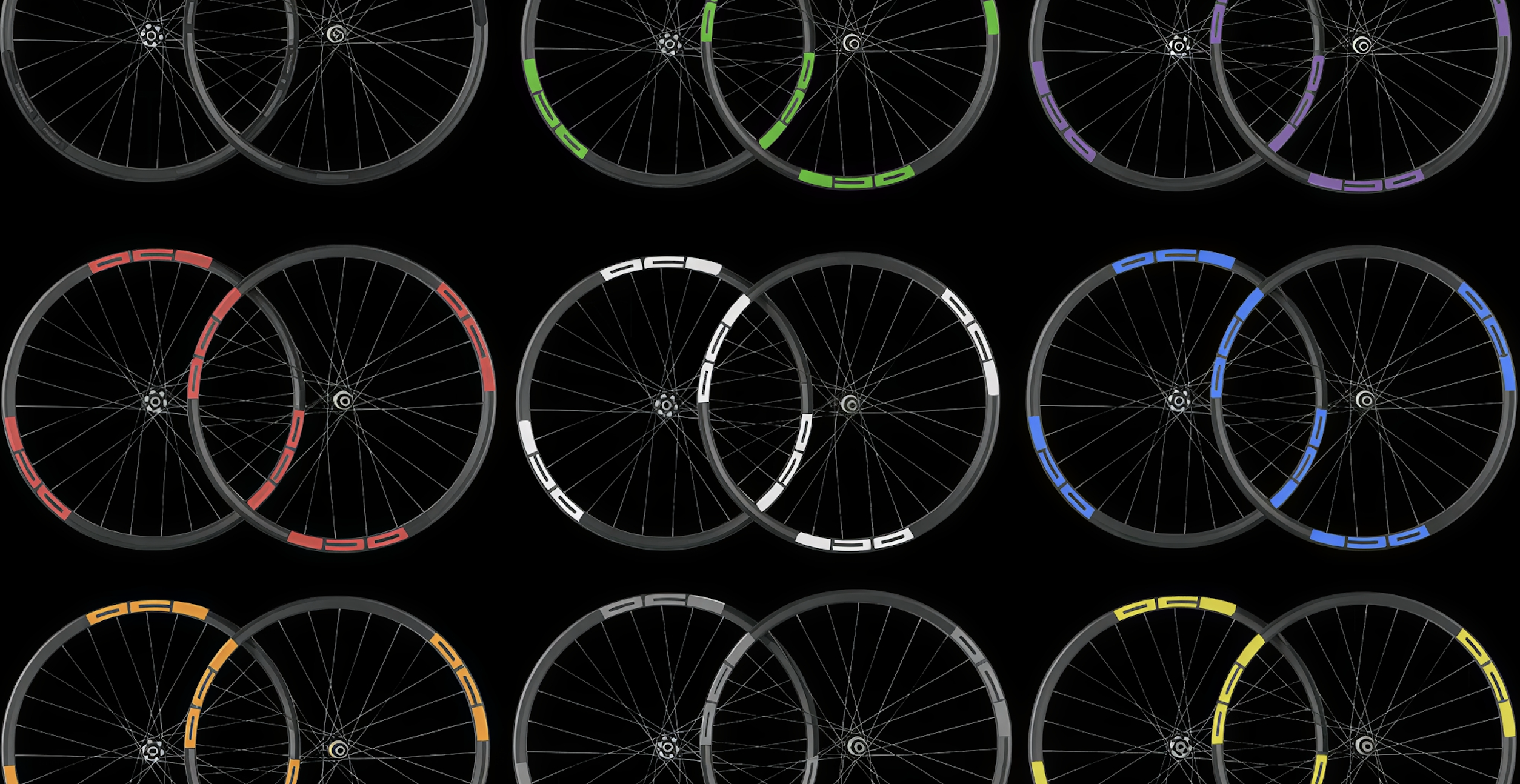
Twelve wheelsets. Every spec that matters on the trail — wheel size, internal width, hub engagement, weight, and warranty — all in one place.
|
Model |
Size |
Internal Width |
Hub |
Weight (pair) |
Price |
Style |
|---|---|---|---|---|---|---|
|
Crankbrothers Synthesis E11 |
29″ |
31.5F / 29.5R |
I9 Hydra |
1,780g |
~£2,250 |
Trail |
|
Enve MTB Foundation AM30 |
29″ |
30mm |
— |
1,875g |
High |
All-Mountain |
|
E*Thirteen Sylvan Sidekick Race |
29″ |
30mm |
— |
1,895g |
— |
Enduro |
|
Santa Cruz Reserve 30 |
29″ |
30mm |
I9 Hydra |
1,772g |
~£1,899 |
Enduro |
|
Reserve 30 HD Carbon |
29″ |
30mm |
Industry Nine |
1,772g |
— |
Enduro/Trail |
|
Silt Carbon XC |
29″ |
27mm |
— |
1,390g |
Value |
XC |
|
Crankbrothers Synthesis XCT 11 |
— |
— |
I9 Hydra 0.52° |
— |
£2,250 |
XC/Trail |
|
Hunt Proven Carbon Race XC |
— |
— |
— |
— |
£1,099 |
XC |
|
ICAN F935 |
29″ |
35mm |
Novatec |
— |
— |
XC |
|
ICAN F930/F945 |
29″/27.5″ |
40–45mm |
Novatec D791 |
— |
— |
Trail |
|
ICAN F935E/F930E |
29″ |
30–45mm |
Novatec 791/792SB |
— |
— |
Enduro |
|
LightCarbon ProX 88MB |
29″ |
26–35mm |
ProX 88MB ratchet |
1,775g |
— |
XC–Enduro |
Three numbers define the pattern here.
1,390g — Silt Carbon XC. Nothing else on this list gets close at that weight for a 29er tubeless carbon build. XC racing is your world? That number ends the conversation.
30–31.5mm internal width — shared across every trail and enduro pick. That’s no coincidence. Tubeless tires need this width minimum to hold real cornering support. Mountain terrain runs at lower pressures, and this is where that width earns its place.
0.52° engagement — the I9 Hydra figure that shows up on both Synthesis builds and the Santa Cruz Reserve. At that level, the lag between pedal input and wheel response drops to near zero. Technical climbs run on momentum. You can’t afford to lose any of it.
The Santa Cruz Reserve 30 and Reserve 30 HD both carry lifetime warranties with low-cost crash replacement. That’s a big deal for carbon. The LightCarbon ProX 88MB takes impacts up to 130kgf and runs tubeless up to 90 PSI. For carbon fiber MTB wheels, those two figures answer the durability question most buyers ask before anything else.
Carbon Fiber Road Wheels by Riding Scenario: Which Depth is Right for You?
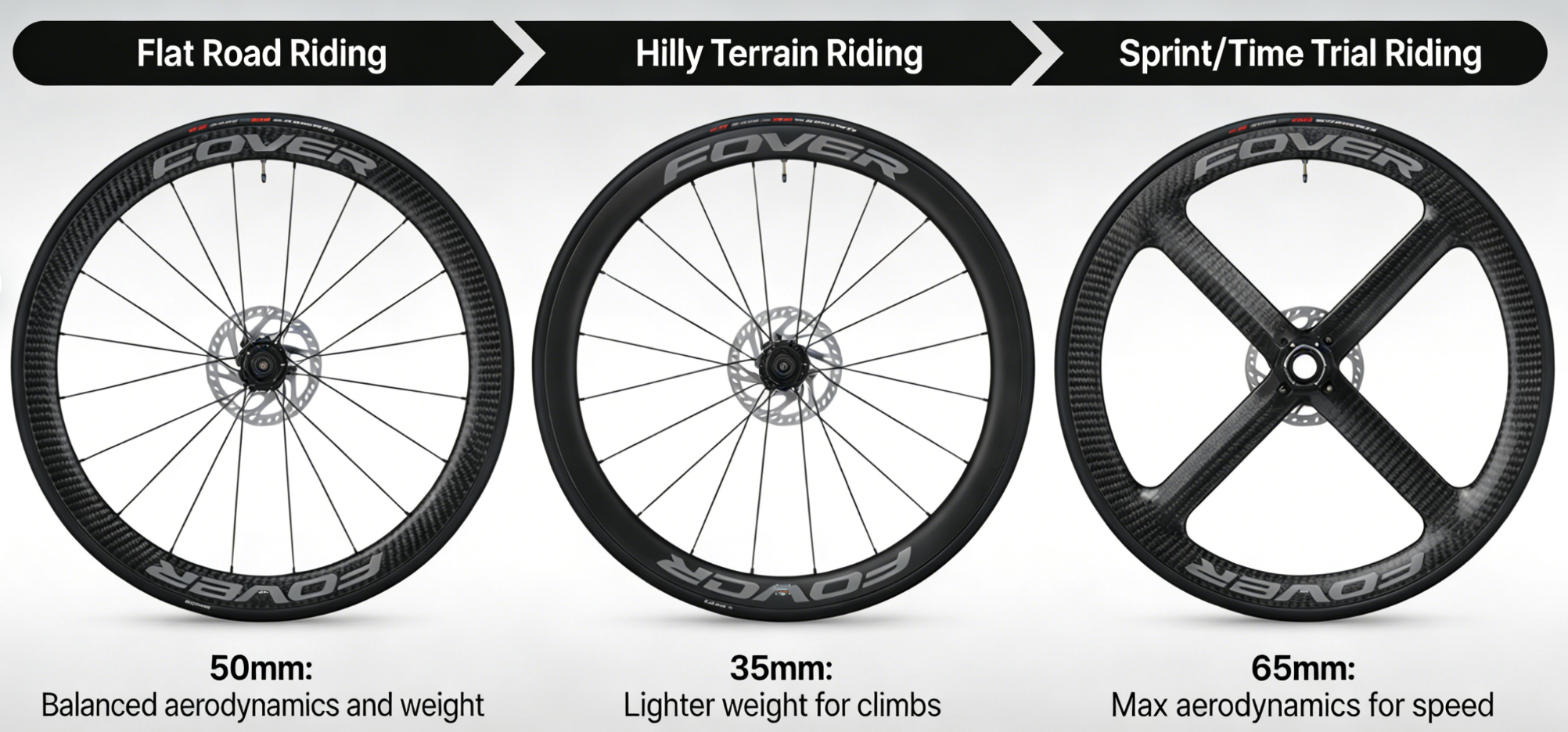
Rim depth is not a preference. It’s a physics decision — and the terrain you ride makes it for you.
A 55mm deep carbon rim weighs 210g more than a 35mm setup. On a 6%+ gradient, that extra rotational mass costs you 19W of normalized power just to maintain the same speed. That’s not a marginal difference. That’s a gear shift you didn’t take.
Here’s how depth maps to real riding conditions:
Climbing (6%+ gradients): Stay at 30–38mm. The Light Bicycle AR25 — 25mm deep, 1,022g, $864+ — is the extreme example of what shallow depth delivers. Less spinning weight means faster spin-up and less leg tax on every steep pitch.
Flat roads at 30–40km/h: Move to 45–60mm. The R45 (45mm, 1,422g) and AR46 (46mm, 1,392g) hit the sweet spot. You get enough depth to recover those 19W. Your climbing legs won’t take a beating either.
Crosswinds: Deep rims steer you. Lighter riders feel this first. Keep the front wheel at 45mm or shallower. Save the 60mm+ profile for the rear — or for calm-air days.
Long endurance rides: Width matters more than depth here. A 28mm internal rim paired with a 32mm tire lets you drop pressure. It soaks up road texture. You stay comfortable across 150km+ without fighting the bike.
|
Depth |
Ideal Scenario |
Weight Range |
|---|---|---|
|
25–38mm |
Climbing, technical roads |
1,022–1,260g |
|
45–60mm |
Flat aero, versatile training |
1,260–1,602g |
|
65mm+ |
TT, rear-only, low-wind flats |
1,374g+ |
One wheel, one job. Match the depth to the road — not to the spec sheet.
Carbon vs Aluminum Wheels: Does the Upgrade Make Sense?

The math is simple: a shallow carbon wheelset weighs around 1,300g. A comparable aluminum set sits closer to 2,000g. That 700g gap costs $5.25 per gram saved. Whether that number makes sense depends on how you ride.
Carbon earns its price in three situations:
– You race on climbs or high-speed flats above 30–35 km/h
– You want 200–400g of rotational weight savings. Those savings translate to real acceleration gains
– You run time trials where deep-rim aerodynamics cut your finish time
Aluminum still wins in three others:
– Urban commuting — weight and aero differences are nearly invisible at city speeds
– Rough MTB terrain — aluminum dents and stays rideable. Carbon cracks. A cracked carbon rim means full replacement
– Tight budgets — $100–130 per aluminum rim gets the job done. A $1,000+ carbon set does not add reliability to match that price gap
One trade-off most riders overlook: a cracked carbon rim is finished. There is no repair option. Aluminum bends, gets trued, and keeps rolling. For riders in rough conditions, that ability to fix and reuse has real dollar value. No spec sheet puts a number on it, but it adds up fast.
FAQ: Carbon Fiber Bike Wheels — Real Questions, Straight Answers
Carbon wheels spark strong opinions — and real confusion. These answers cut through both.
Are carbon fiber bike wheels durable?
Yes — with one condition. Modern precision molding keeps failure rates below 0.6%. That’s real engineering progress. The catch: a cracked carbon rim is done. No trueing, no repair. Aluminum bends and survives. Carbon doesn’t forgive hard impacts the same way. Know your terrain before you commit.
How much lighter are carbon wheels versus aluminum?
Road carbon starts around 1,260g (Elite Wheels 40mm). Aluminum sits near 2,000g. MTB carbon hits 1,390g against aluminum’s 1,700g — a 310g saving per set. Less rotational mass means faster acceleration. You feel that difference on the very first climb.
UD carbon or 3K weave — which is better?
UD (unidirectional) gives you maximum side stiffness and clean power transfer. Every sprint and hard pedal stroke pushes the bike forward with no wasted energy. 3K weave handles weight and impact resistance better. Most quality rims use UD beneath the outer layer — no matter what the visible finish looks like.
Is the carbon wheelset market growing?
The global market hit USD 697.3M in 2024, growing at 3.4% per year through 2034. Demand is real and picking up pace.
Quick-Pick Guide: Best Carbon Wheels for Your Specific Need
Three things decide the right carbon wheelset: your budget, your terrain, and what you want to fix about your current ride.
|
Budget |
Road Climbing |
Road Aero |
Road All-Round |
MTB XC/Trail |
MTB Enduro |
|---|---|---|---|---|---|
|
Under $800 |
Scribe Inception 50+ (1,433g, £700) |
Scribe Core Superlight 60 |
Lún MEGA D45 |
Hunt Proven Carbon Race XC (£1,099) |
Limited options |
|
$800–$1,500 |
Winspace Lún Hyper Light |
Hunt 50mm (+12W vs alloy) |
Tukus Wheels |
Synthesis XCT 11 (I9 Hydra) |
Santa Cruz Reserve 30 |
|
$1,500+ |
Lightweight Obermayer EVO |
Syncros Capital SL Aero |
Roval Rapide CLX II |
DT Swiss XR 391 |
Reserve 30 I9 Hydra |
The +12W aero gain over aluminum shows up across every performance carbon wheelset tested. That includes budget-tier options too.
First-time buyer? Run this checklist before your first ride:
– Torque spokes to 12–14Nm and check trueness within 0.5mm lateral
– Seat tubeless at 30–40 PSI to start. Confirm the bead locks before raising pressure
– Keep your first 50km to flat roads at 80% effort — let the build settle
Conclusion
The right carbon fiber bike wheels do more than cut weight. They change how your bike feels on every climb, sprint, and descent.
Here’s a quick recap of what matters most:
-
Match your rim depth to your riding terrain
-
Pick tubeless compatibility for real performance gains
-
Skip the brand hype — a purpose-built wheelset that fits your riding style beats a famous name every time
Upgrading from aluminum for the first time? Or chasing the sharpest 2026 carbon wheelset for race day? Either way, the choice gets clear once you know what to look for. Now you do.
Contact HyperX Carbon – Your Trusted Chinese Carbon Fiber Partner
Ready to source high-performance carbon fiber materials or custom forged carbon fiber parts from China?
HyperX Carbon is a leading manufacturer with 20+ years of expertise, specializing in aerospace-grade forged carbon fiber, prepreg, carbon fiber tube, carbon fiber sheet, and lightweight carbon fiber automotive parts/carbon fiber drone components/carbon fiber medical components. We offer:
-
Stable supply chain with premium raw materials (Toray, Mitsubishi, Hengshen)
-
AS9100D certified production for aerospace & UAV applications
-
Rapid prototyping (5-8 weeks) and monthly capacity exceeding 180,000 parts
-
Competitive pricing with 15-18% cost savings on forged carbon solutions
-
Full customization: from T700/T1100G to ultra-high modulus grades
Whether you’re an eVTOL developer, automotive OEM, drone manufacturer, or medical device engineer, HyperX delivers consistent quality, batch-to-batch reliability, and reliable delivery.
Get in touch today for a free consultation, custom quote, or material sample.
📧 Email: [email protected]
🌐 Website: https://www.hyperxcarbon.com/
📞 Phone/WhatsApp: +86 15623270276 (English support available)
Let’s build your next lightweight innovation together – contact HyperX Carbon now and stay ahead in the low-altitude and advanced composites market.




