Not all carbon fiber is equal. If you’ve studied a spec sheet trying to decode the difference between T700, T800, and T1000 and T1100 carbon fiber, you know how fast marketing noise buries the facts. These two Toray grades sit at the top of the performance pyramid. Their price premiums make even experienced engineers stop and think.
So what are you paying for? Tensile strength numbers sound impressive on paper. But without context, they tell you nothing — and most product pages skip the context entirely.
This guide cuts through the confusion with real data, side-by-side comparisons, and a straight breakdown of where ultra-high modulus carbon fiber earns its cost. Plus, it shows you where the ROI gets murky fast.
What Makes T1000 and T1100 Carbon Fiber “Ultra-High Modulus” — And Why It Matters
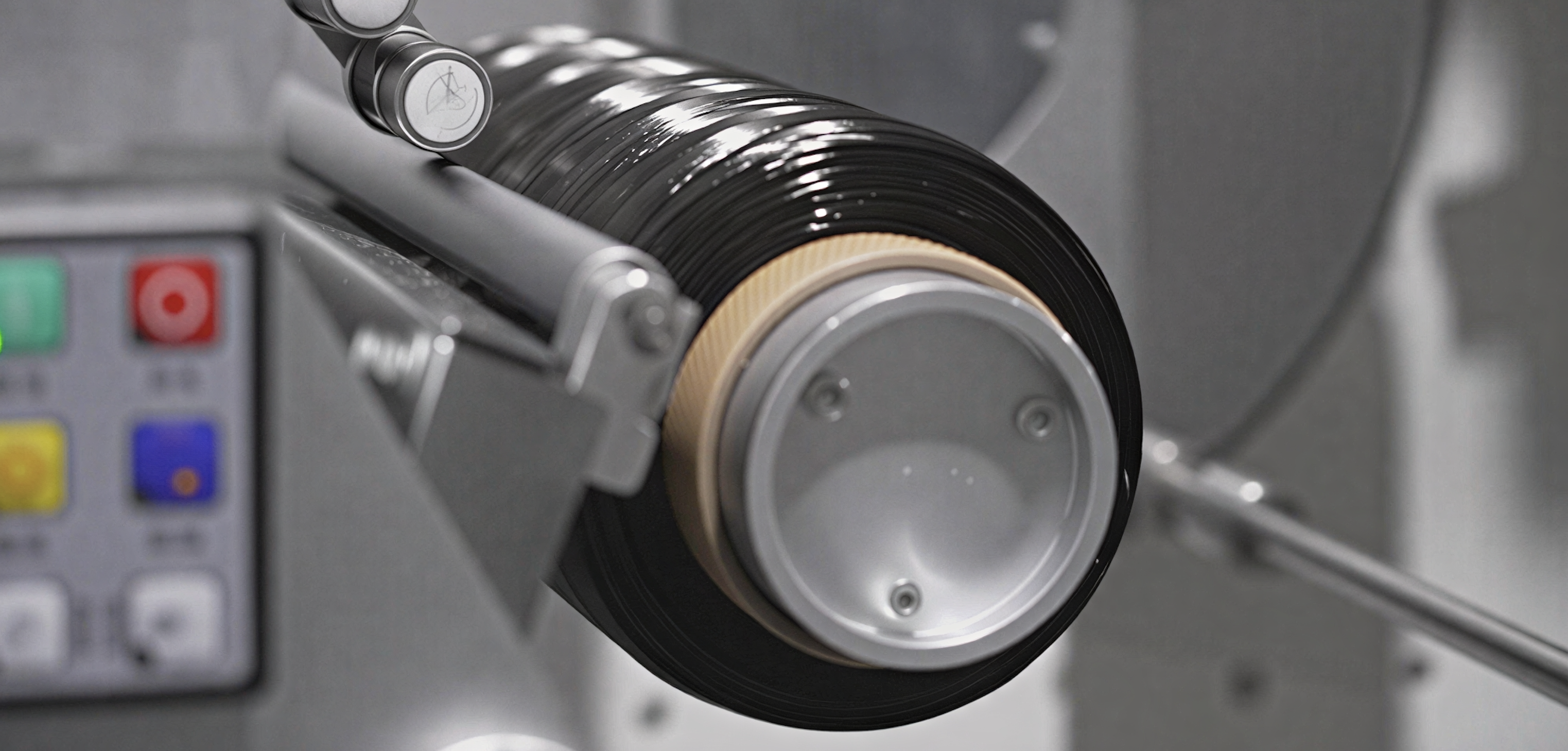
The label “ultra-high modulus” gets thrown around a lot. Here’s what it means in real numbers.
Tensile modulus measures how much a fiber resists bending or deforming under load — in short, its stiffness. Standard intermediate modulus fibers like T700 sit around 230 GPa. T800 and T1000 both land at 294 GPa (42.7 Msi). T1100 pushes that ceiling to 324 GPa (47.0 Msi). That earns it the official IM+ classification — the highest modulus you can get from a PAN-based carbon fiber today.
That 10% modulus jump between T1000 and T1100 is not just a number on a spec sheet. You get sharper handling response. Power transfers faster during acceleration. Climbing efficiency in a finished frame improves in ways you can feel on the road.
T1000 tells a different story. Its modulus matches T800 — the real gap is tensile strength: 6,370 MPa versus T800H’s 5,490 MPa. That’s a 16% strength advantage. Manufacturers achieve this through optimized PAN precursor processing, not by changing the fiber’s crystalline structure.
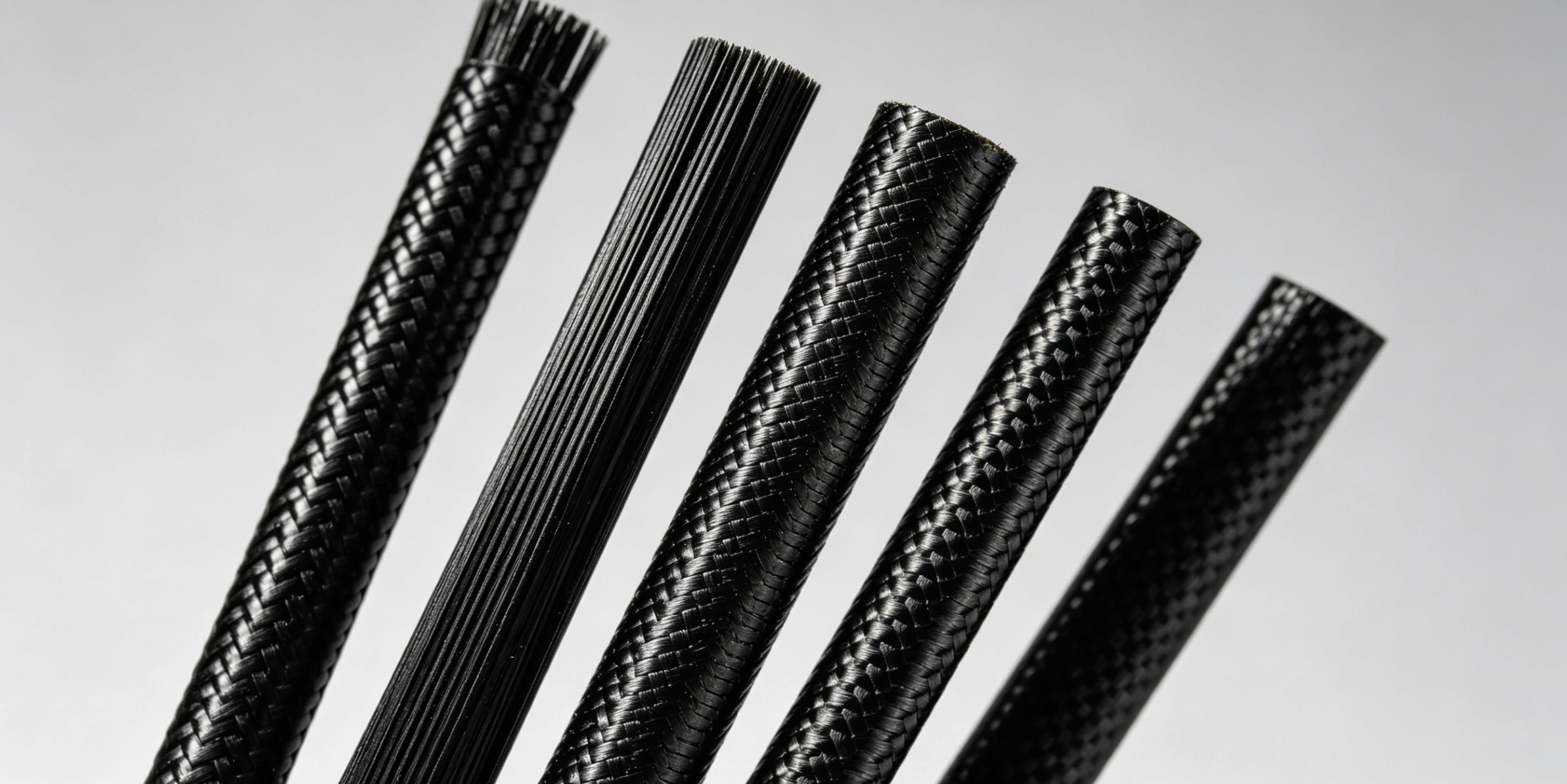
Both grades use never-twisted, PAN-based tows. This construction keeps fiber uniformity tight and delivers compressive strength about twice that of pitch-based alternatives.
One honest caveat: neither grade works alone. T1100’s stiffness ceiling only shows up with a well-engineered layup. Fiber angles, wall thickness, and consolidation quality all decide whether those 324 GPa reach the rider. Get the layup wrong, and the material’s potential stays on the table.
Toray T1000G vs T1100S: Core Technical Specifications Side-by-Side
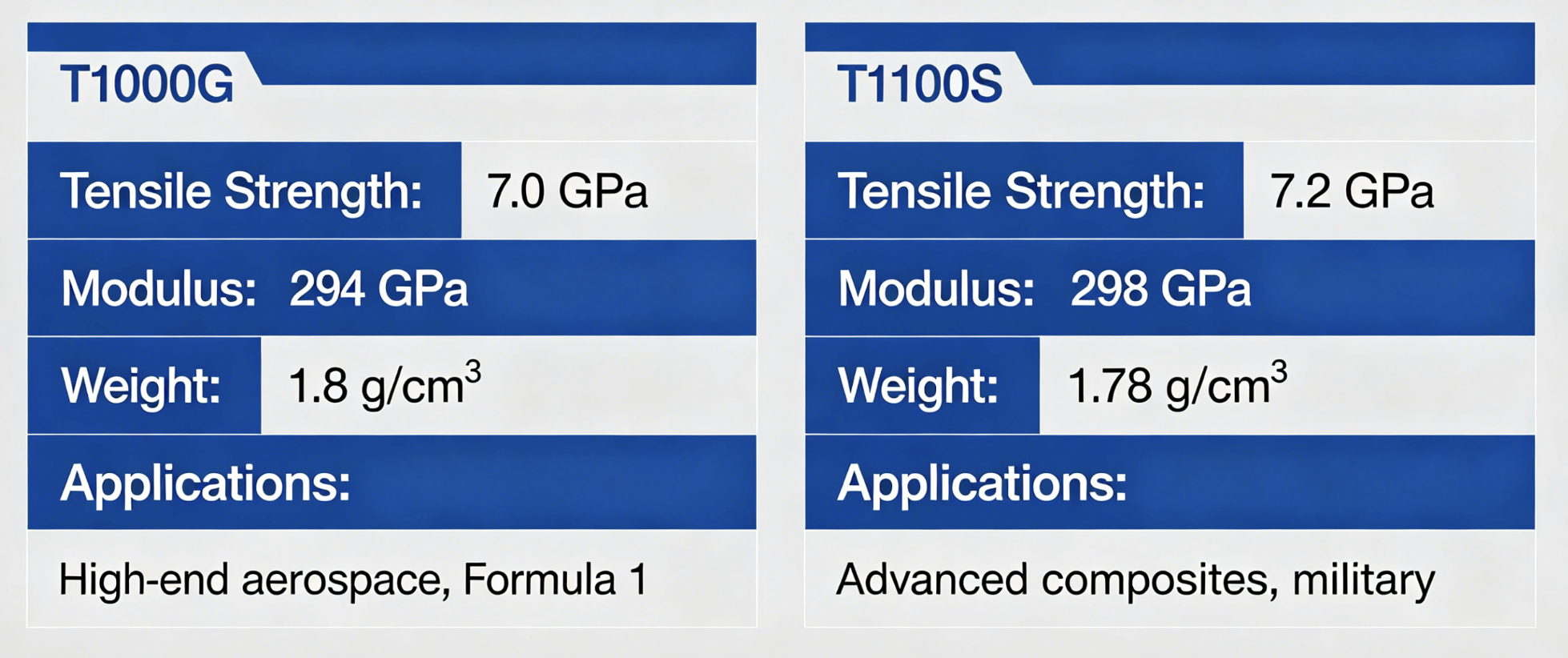
These numbers come straight from Toray’s official datasheets. They tell a more honest story than most product descriptions ever will.
Fiber-Level Properties
| Property | Unit | T1000G | T1100S |
|---|---|---|---|
| Tensile Strength | MPa | 6,370 | 7,000 |
| Tensile Modulus | GPa | 294 | 324 |
| Elongation at Failure | % | 2.2 | 2.0 |
| Density | g/cm³ | 1.80 | 1.79 |
| Filament Diameter | μm | 5 | 5 |
| Filament Count | — | 12K | 12K |
| Yield (12K) | g/1000m | 485 | 505 |
| CTE | α·10⁻⁶/°C | -0.55 | -0.5 |
| Electric Resistivity | ×10⁻³ Ω·cm | 1.4 | 1.4 |
Both fibers share the same filament diameter and count. The real differences show up in strength and stiffness — which is exactly where it matters.
Composite Properties at 60% Fiber Volume (T1000G)
| Property | Unit | Value |
|---|---|---|
| Tensile Strength | MPa | 3,040 |
| Tensile Modulus | GPa | 160 |
| Tensile Strain | % | 1.9 |
| Compressive Strength | MPa | 1,570 |
| Flexural Modulus | GPa | 145 |
| ILSS | MPa | 110 |
These are real laminate numbers. A finished part built with T1000G at standard fiber volume delivers exactly this. Toray has not released matching composite data for T1100S. That gap is a problem for structural calculations — you’re working with fewer reference points.
Where Each Grade Pulls Ahead
T1100S leads on raw performance:
– +10.2% tensile modulus — 324 GPa vs 294 GPa
– +7% tensile strength — 7,000 MPa vs 6,370 MPa
– Slightly lower density (1.79 vs 1.80 g/cm³) — a small difference, but it’s real
– Wider resin compatibility: epoxy, phenolic, polyester, and vinyl ester (71E sizing)
T1000G holds its own where it counts:
– Lower yield weight (485 vs 505 g/1000m) at the same filament count — easier to handle in practice
– Full composite dataset is available and public — so behavior across layup configurations is easy to predict
– Strong track record in aerospace pressure vessels and satellite structures
Sizing, Resin Compatibility, and Process Notes
Engineers often get caught off guard here. T1000G uses 40D sizing — it works with epoxy, phenolic, and BMI systems. T1100S uses 71E sizing, which adds polyester and vinyl ester to that list. For weaving or standard prepreg layup, T1100S was built for that process. T1000G is the better-documented option for pressure-critical aerospace work where BMI resin systems are the standard.
Bottom line: both fibers are exceptional. T1100S has the higher ceiling. T1000G has the deeper paper trail.
T1000G Deep Dive: Highest Tensile Strength in Its Modulus Class
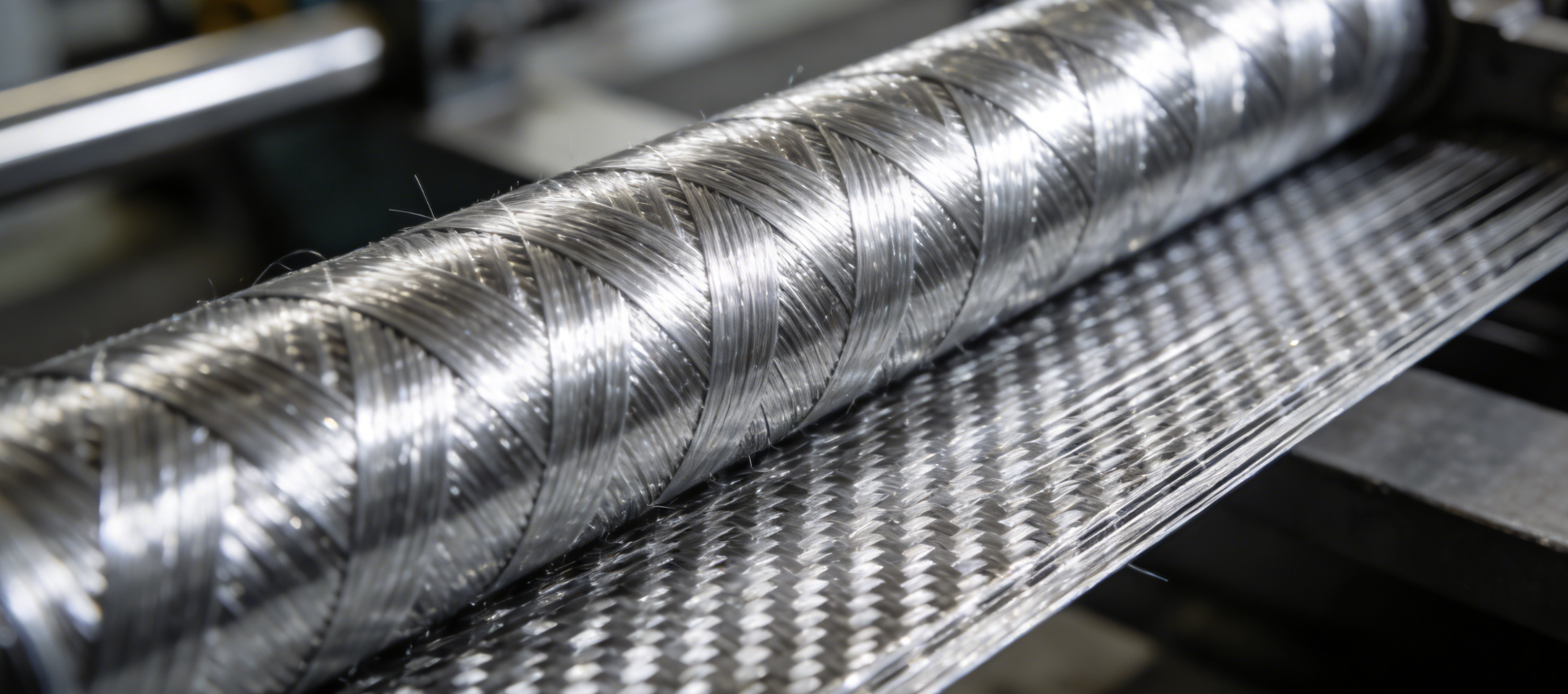
6,370 MPa. That number makes the case for T1000G — and it’s a compelling one.
In the intermediate modulus class (fibers around 294 GPa), T1000G holds the tensile strength record. No PAN-based competitor at this stiffness level comes close. That combination — matched modulus, superior strength — is the core reason aerospace engineers reach for it. Pressure vessels and satellite structures need to survive extreme loading. T1000G lets them do that without adding a single gram of extra fiber.
The elongation at break sits at 2.2% — the highest of any Toray T-series grade in this range. More strain before failure means the fiber absorbs more energy before it gives out. In structural terms, that’s a real safety margin.
What the Composite Data Tells You
At 60% fiber volume with Toray’s 250°F epoxy system, T1000G laminates hit:
- 3,040 MPa tensile strength — aerospace-grade pull resistance
- 165 GPa tensile modulus in composite form
- 1,570 MPa compressive strength — well above typical for this modulus class
- 145 GPa flexural modulus, tested to ASTM D-790
- 90 MPa ILSS — solid resistance to interlaminar shear failure
That compressive strength figure stands out. Fibers this light rarely post numbers like 1,570 MPa in compression. This is one key reason T1000G works well in cylindrical pressure vessels. Those geometries carry compressive loads even in applications that look tensile on paper.
The Carbon Purity Angle
T1000G’s carbon content exceeds 95%. Sodium and potassium contamination stay below 50 ppm combined. In aerospace and satellite use, ionic contamination is not a cosmetic issue. It directly affects long-term structural integrity and outgassing behavior in vacuum environments. That purity spec carries more weight than most buyers expect.
T1100S Deep Dive: Superior Stiffness for Precision-Driven Applications

324 GPa. That’s the ceiling for PAN-based carbon fiber today — and T1100S sits right at the top.
T1000G wins on tensile strength. T1100S wins on stiffness. The 47.0 Msi (324 GPa) tensile modulus is not a small upgrade. It’s a real shift in how a finished structure handles load — the part responds faster, flexes less, and wastes less energy.
That stiffness also comes with 1,017 ksi (7,000 MPa) tensile strength — a big jump over T800S at 853 ksi. The gap between these two generations shows up clearly in finished parts.
Where T1100S Gets Used
This fiber is built for demanding, high-stakes work — not recreational builds. Here’s where you’ll find it:
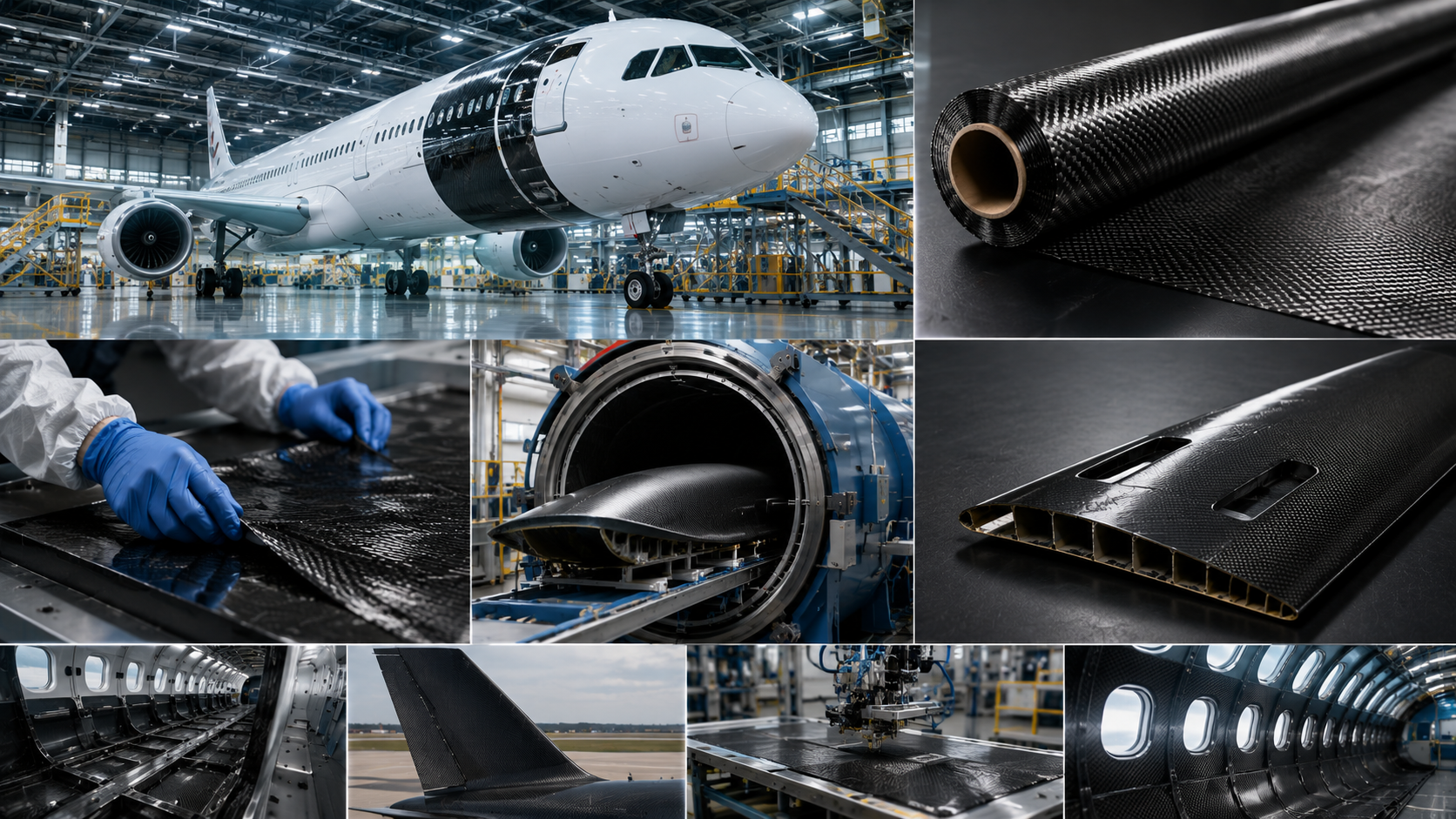
- Primary aircraft structures — commercial aviation parts where weight and rigidity targets have zero room for error
- Aerospace pressure vessels and satellites — Type V composite tanks (5–325 liter range) for spacecraft, aviation, and industrial gas
- Hydrogen storage tanks — fuel cell vehicles at peak pressure need the lightest vessel possible. T1100S hits that target
- High-performance sporting goods — filament winding jobs where consistency across the full part matters, not just at the highest stress points
The filament winding compatibility deserves a closer look. T1100S performs well and holds up through that process. Precision and repeatability are non-negotiable in pressure-critical applications. The fiber’s 71E sizing supports that manufacturing environment directly.
One honest note: Toray hasn’t released public composite laminate data for T1100S at the same depth as T1000G. Your structural calculations may depend on published reference benchmarks. That data gap is worth planning around before committing to a design.
T1000 vs T800 vs T700: Where the Real Performance Gap Lies
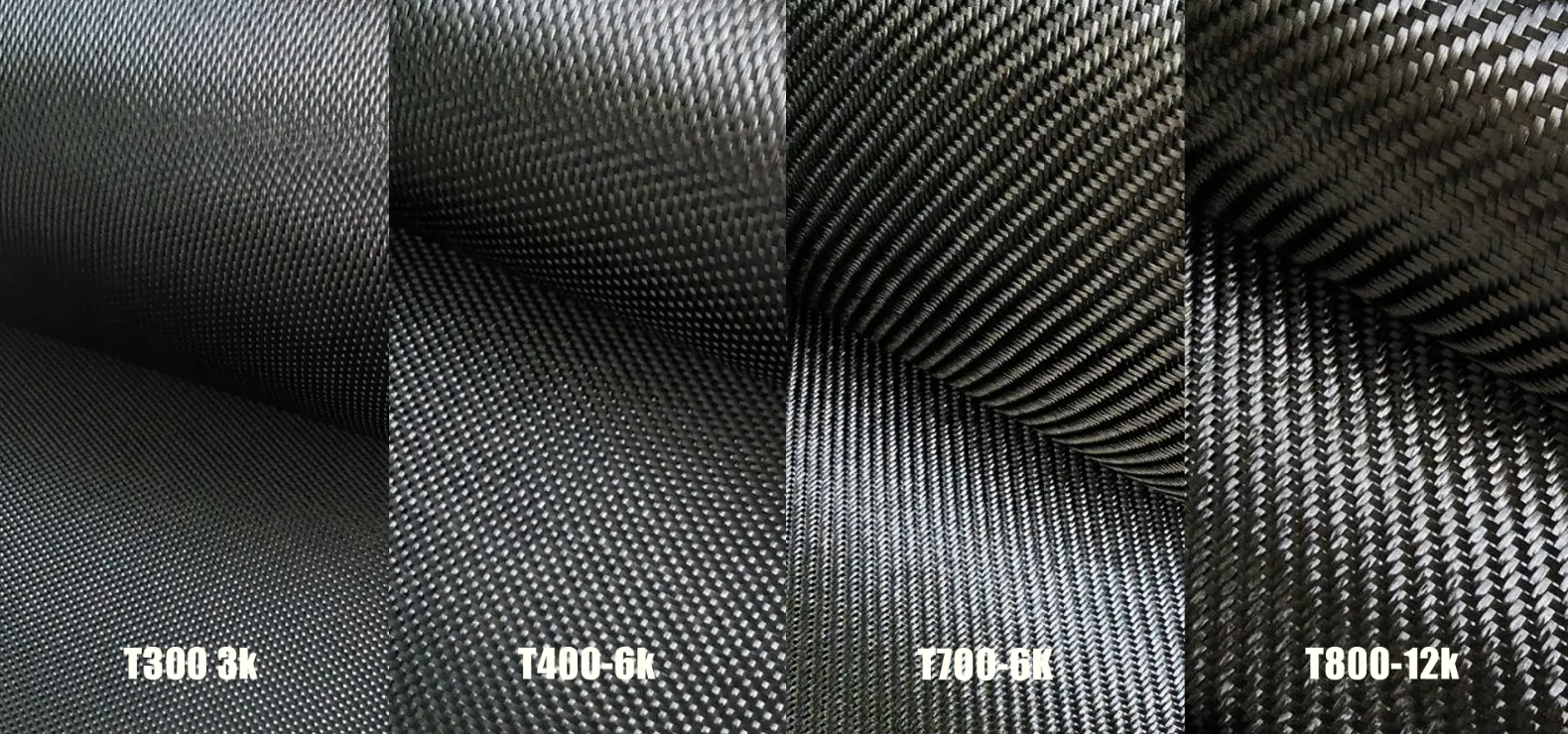
Three grades. One manufacturer. The numbers tell a clear story — you just need to know which numbers to read.
Start with tensile strength. That’s where the biggest jumps happen. T700 opens at 4,900 MPa. T800 steps up 11% to 5,490 MPa. T1000 then jumps another 16% to 6,370 MPa. Each step up is real. Each step up costs more. The question is whether you need the next one.
Modulus tells a different story — and this is where most buyers get surprised.
T800 and T1000 share the same tensile modulus: 294 GPa. That number doesn’t change between grades. So paying T1000 prices while expecting a stiffer fiber than T800 means paying for the wrong thing. What you’re buying is higher tensile strength built on the same stiffness platform. That’s it.
T700 sits lower at 230–240 GPa — a real stiffness gap compared to both T800 and T1000. That modulus difference is what changes how a frame feels underfoot. The T800-to-T1000 transition is a strength story, not a stiffness story.
What This Means for Real Frames
In a carbon fiber frame, the stiffness you feel while riding comes less from fiber grade and more from:
– Tube geometry
– Wall thickness
– Layup design
A well-engineered T800 frame can out-handle a badly layered T1000 build. Every time.
T1000 earns its place in weight reduction at equivalent strength. Thinner walls. Less material. The structural integrity stays the same. That’s the real-world payoff. You’ll notice it most in climbing and sprint acceleration, where every gram saved adds up fast.
T700 is the solid baseline for cost-sensitive builds. Many premium rim manufacturers blend T700 with T800 to get meaningful strength gains without paying full T1000 prices. It’s a practical middle ground that delivers.
The density gap is worth noting too. T1000 runs at 1.80 g/cm³ versus T800’s 1.60 g/cm³. That extra density makes T1000 harder to work with during production. Fiber handling during layup needs more precision. Get it wrong, and you lose the strength gains you paid for.
Bottom line:
– T700 to T800 — you get both a stiffness and strength upgrade
– T800 to T1000 — you get a strength upgrade only. It’s a meaningful one, but the premium price makes sense only when weight is your top priority
The Real Price Premium: Why T1000 and T1100 Cost 2–5x More Than T800
The price tag isn’t a mystery. It’s math.
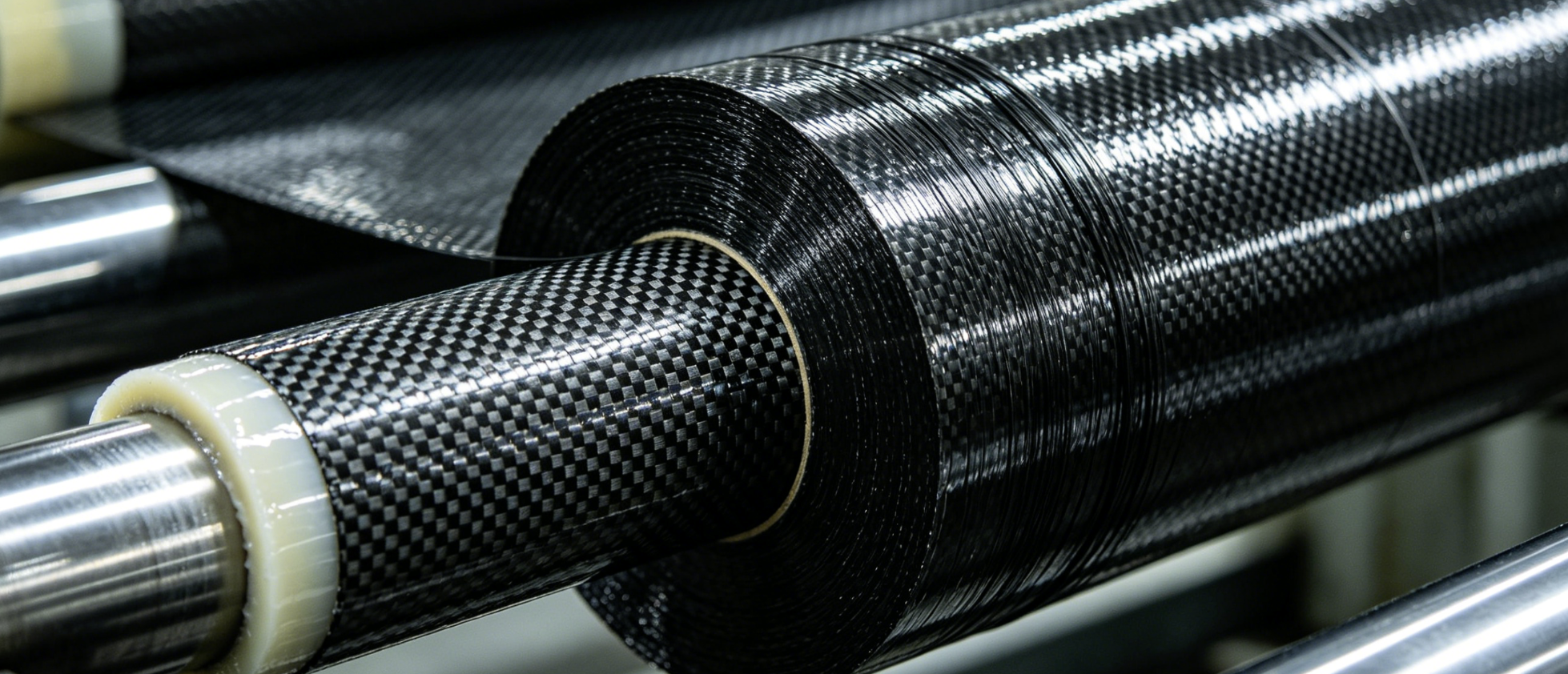
T1000 prepreg runs 40–80% more per kilogram than T800. T1100 adds another 20–40% on top of that. Add manufacturing complexity into the equation, and a finished T1000 or T1100 frame lands at 2–5x the cost of an equivalent T800 build. That’s not marketing inflation. That’s the raw cost of material sitting on the cutting table before a single layer gets laid.
Here’s what you’re paying for:
- Higher tensile strength lets manufacturers use less fiber to hit the same structural target. Thinner walls. Fewer layers. A lighter finished part.
- More aggressive layup options become viable — especially in high-stress zones like the down tube and bottom bracket. Those are the spots where energy transfer is most critical.
- Superior processing tolerance at the prepreg stage. These fibers don’t forgive sloppy consolidation. That precision requirement pushes up production time and raises reject rates.
The weight return is real and measurable. A T1100-based frame can drop 100 grams compared to a T800-equivalent build. Those are real grams — not rounding-error grams.
Weight is the constraint? The premium makes sense. It isn’t? T800 closes the gap fast.
Who Should Choose T1000 or T1100 Carbon Fiber Frames
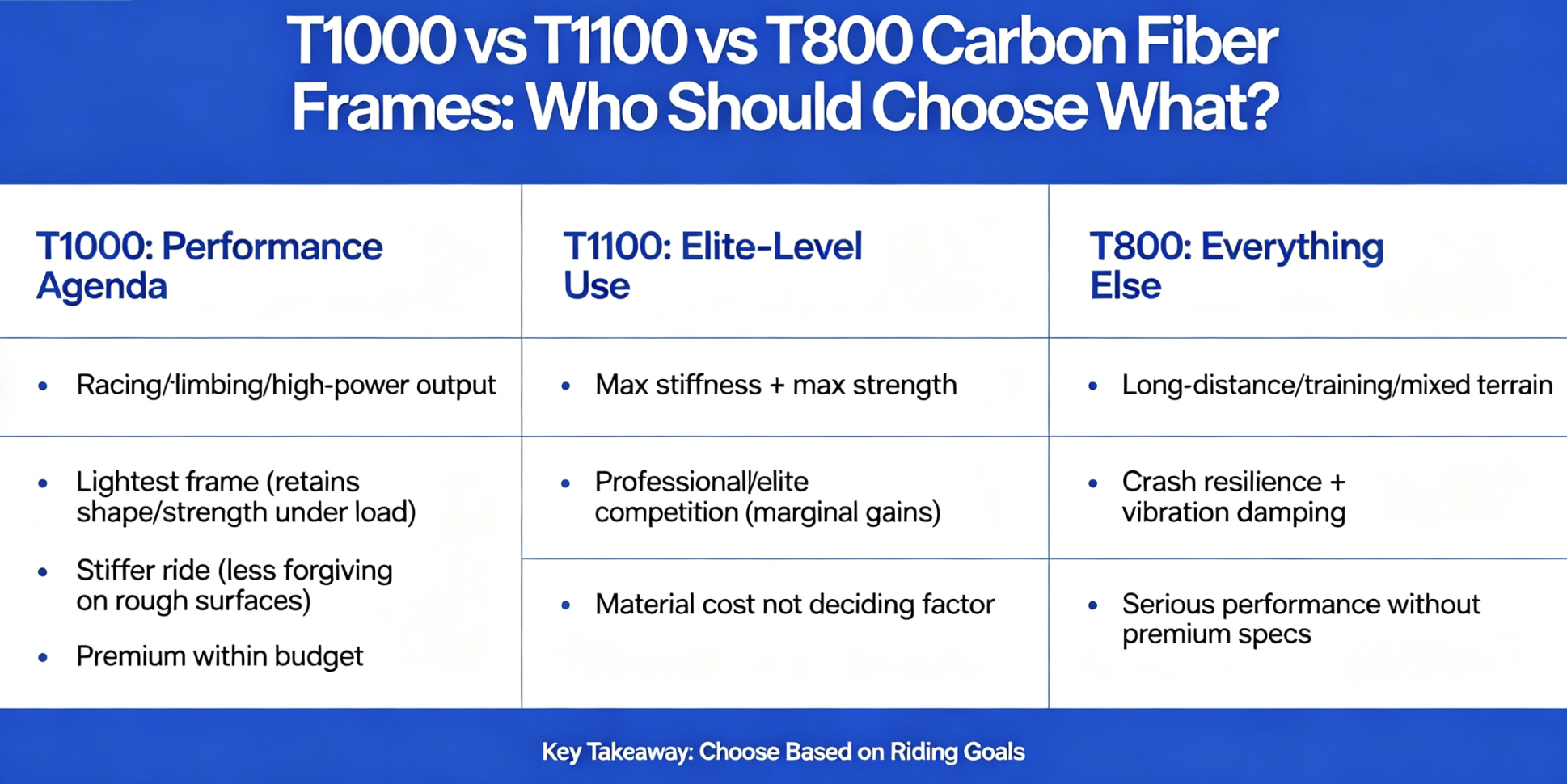
The honest answer fits in one sentence: most riders don’t need either.
That’s not a knock on the materials. It’s a reality check. T1000 and T1100 are exceptional fibers. Their advantages are specific and measurable — and they go to waste on the wrong application. Knowing which side of that line you’re on saves you real money.
Choose T1000 if your riding has a performance agenda:
– Racing, climbing, and sustained high-power output are your primary use cases
– You want the lightest frame that still holds its shape and strength under hard loads
– You’re prepared for a stiffer, less forgiving ride on rough surfaces — and that trade-off doesn’t bother you
– The premium sits within budget, even if it stings a little
Choose T1100 if you operate at the ceiling:
– You need maximum stiffness and maximum strength at the same time — not one at the expense of the other
– Your competition is professional or elite-level. Marginal gains are the entire point.
– Material cost isn’t the deciding factor in your build
Stick with T800 if the goal is everything else:
– Long-distance riding, training blocks, mixed terrain — T800 covers all of it
– You want crash resilience and vibration damping over gram-shaving
– You want serious performance without paying for specs you’ll never put to use
One thing worth keeping in mind: fiber grade sets the ceiling, not the floor. A T1000 or T1100 frame delivers what it promises only when tube geometry, layup angles, and consolidation quality all get the same engineering attention. Good fiber doesn’t fix a bad build.
How HyperXCarbon Engineers T1000 & T1100 Into High-Performance Frames
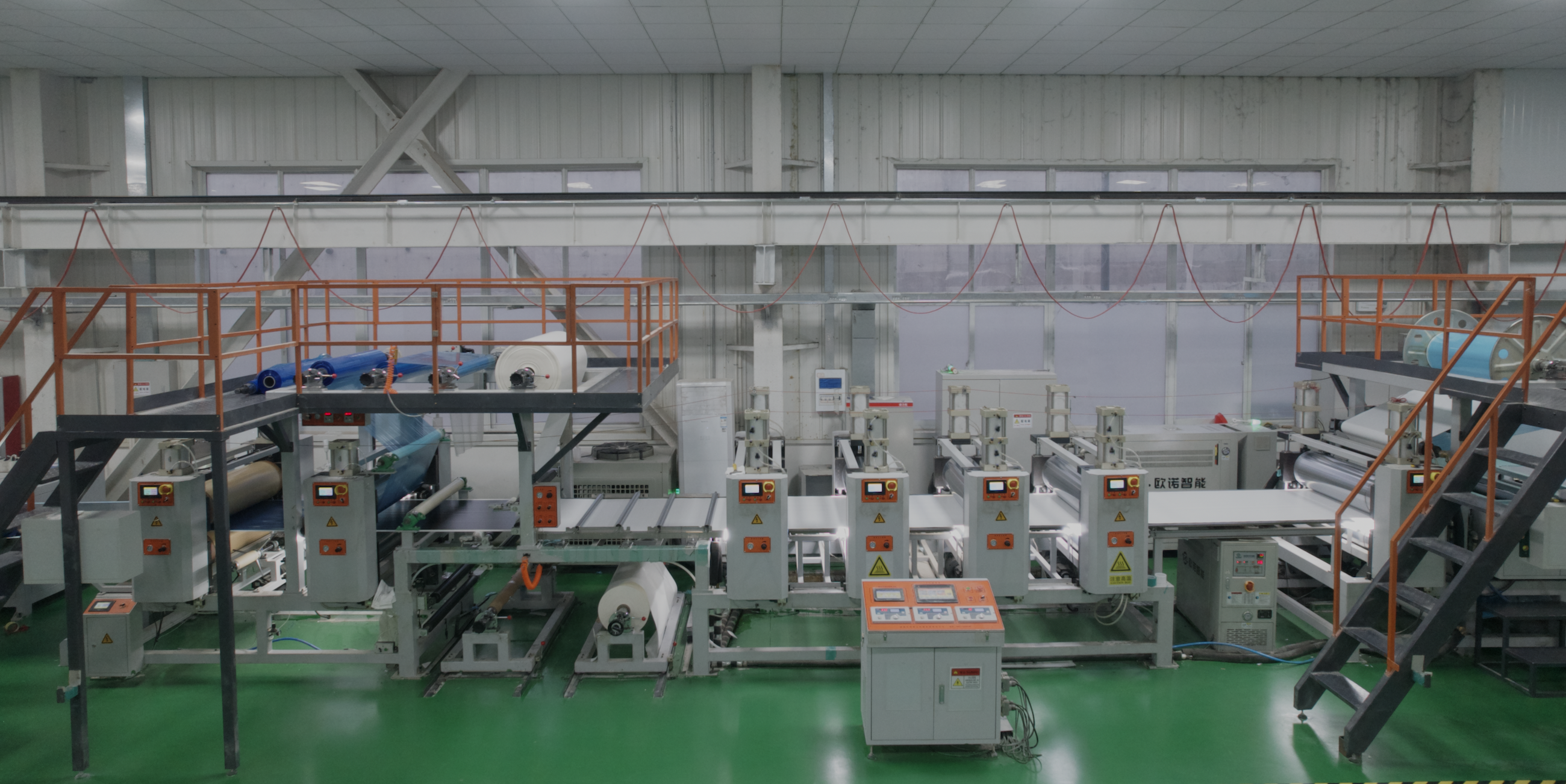
Fiber grade is the starting point. But what happens on the cutting table decides whether a frame truly performs — or just looks good on a spec sheet.
At HyperXCarbon, T1000 and T1100 are never spread across a layup the same way. Every placement is deliberate. Every zone is considered. T1000 goes where loads are highest — the down tube, bottom bracket shell, and primary force paths. These are the spots where pedaling torque builds up. Sprint energy either moves through clean or bleeds away right here. Putting T1000 in these zones gives you sharper torque resistance and faster acceleration response. You get that without any extra weight added where it doesn’t belong.
T1100 pushes performance even further. It gains strength and modulus at the same time. That lets us reduce wall thickness without losing structural integrity. The finished frame ends up lighter and stiffer than anything T800 alone can produce.
The remaining sections use T800 with purpose — balancing stiffness with vibration damping so longer rides stay comfortable without sacrificing rigidity.
Tube geometry, fiber angles, and consolidation quality get the same attention as material selection. Even T1100 falls short inside a badly executed layup. The material is only as good as the engineering around it.
FAQ: T1000 & T1100 Carbon Fiber — Straight Answers to Common Questions
These five questions come up all the time. Here are the honest answers.
Is T1000 stiffer than T800?
No. Both sit at 294 GPa. The real difference is tensile strength. T1000 hits 6,370 MPa. T800 reaches 5,490 MPa. That’s a 16% strength advantage — on the same stiffness platform.
Does T1100 outperform T1000 in every way?
On paper, yes. T1100 delivers a higher modulus (324 GPa) and higher tensile strength (7,000 MPa). In practice, those gains show up only inside a well-executed layup. Poor construction erases the advantage fast.
Can T1100 frames handle daily riding?
They can. That said, T1100 is built for precision and stiffness at the elite level. On rough roads, that can feel harsh. Most everyday riders won’t push the frame hard enough to use what it offers. You end up paying for performance you never tap.
Is T1000 worth the premium over T800?
It depends on one thing: weight. For racing and climbing, yes — the lighter build pays off. For training and endurance riding, T800 gets close enough. The price gap is hard to justify at that point.
Does a higher fiber grade guarantee better crash resistance?
No. Layup design, tube geometry, and wall thickness control how a frame handles impact. Fiber grade is just one piece. A well-designed T800 frame can outperform a poorly built T1100 frame in a crash.
Conclusion
The numbers don’t lie. And neither does the weight savings on your first climb with a T1000 or T1100 carbon fiber frame under you.
These aren’t marketing superlatives. T1000G delivers unmatched tensile strength. T1100S brings precision-tuned stiffness. Both are real engineering milestones — materials where the performance gap is measurable, repeatable, and felt on the road, not just on a spec sheet.
The premium is real. So is what you get for it.
Serious about performance — not just the idea of it? The real question isn’t whether ultra-high modulus carbon fiber is worth it. It’s whether your current frame is holding you back.
Ready to feel the difference? Check out HyperXCarbon’s T1000 and T1100 frame lineup. See how we build these materials into bikes for riders who refuse to settle.
Contact HyperX Carbon – Your Trusted Chinese Carbon Fiber Customization Partner
Ready to develop high-performance carbon fiber materials or custom forged carbon fiber parts tailored specifically for your project?
HyperX Carbon is your long-term strategic partner with over 20 years of expertise in advanced composites. We specialize in delivering aerospace-grade forged carbon fiber custom solutions, along with fully personalized prepreg, tubes, sheets, and lightweight carbon fiber structural components for automotive, drone, eVTOL, and medical applications.
We don’t just supply materials — we provide end-to-end customization support:
- Stable premium supply chain using Toray, Mitsubishi, and Hengshen raw materials
- AS9100D certified production tailored for aerospace and UAV requirements
- Rapid prototyping carbon fiber component in just 5-8 weeks, with monthly capacity over 180,000 parts
- Competitive pricing with 15-18% cost savings on forged carbon solutions
- Full customization flexibility: from T700 and T1100G to ultra-high modulus grades, with tailored layups, finishes, and performance specifications
Whether you’re an eVTOL developer, automotive OEM, drone manufacturer, or medical device engineer, HyperX Carbon delivers bespoke material selection, structural optimization, and manufacturing solutions that match your exact technical and performance needs — with consistent batch-to-batch quality and reliable delivery.
Get in touch today for a free technical consultation, personalized quote, or custom material samples.
📧 Email: [email protected] 🌐 Website: https://www.hyperxcarbon.com/ 📞 Phone/WhatsApp: +86 15623270276 (English support available)
Let’s co-create your next lightweight innovation together. Contact HyperX Carbon now and stay ahead in the low-altitude economy and advanced composites market.
HyperX Carbon – Not just a supplier, but your dedicated carbon fiber customization expert.