
Spending $800 on a carbon fiber hood that bubbles, yellows, or won’t sit flush is a painful lesson. Most buyers learn it the hard way — once. The Seibon carbon fiber hood looks great on paper. So does Anderson Composites’ double-sided premium build. And that affordable listing on Carbon Fiber Hoods Com? It’s tempting. But the wrong pick costs you real money and lost weekends.
So here’s what this covers: weave quality, OEM fitment data, UV coating durability, and real owner feedback across all three brands. The result is a clear picture most forum threads skip — who delivers, who overpromises, and which brand fits your budget and build goals.
Seibon Carbon Fiber Hood Review 2026
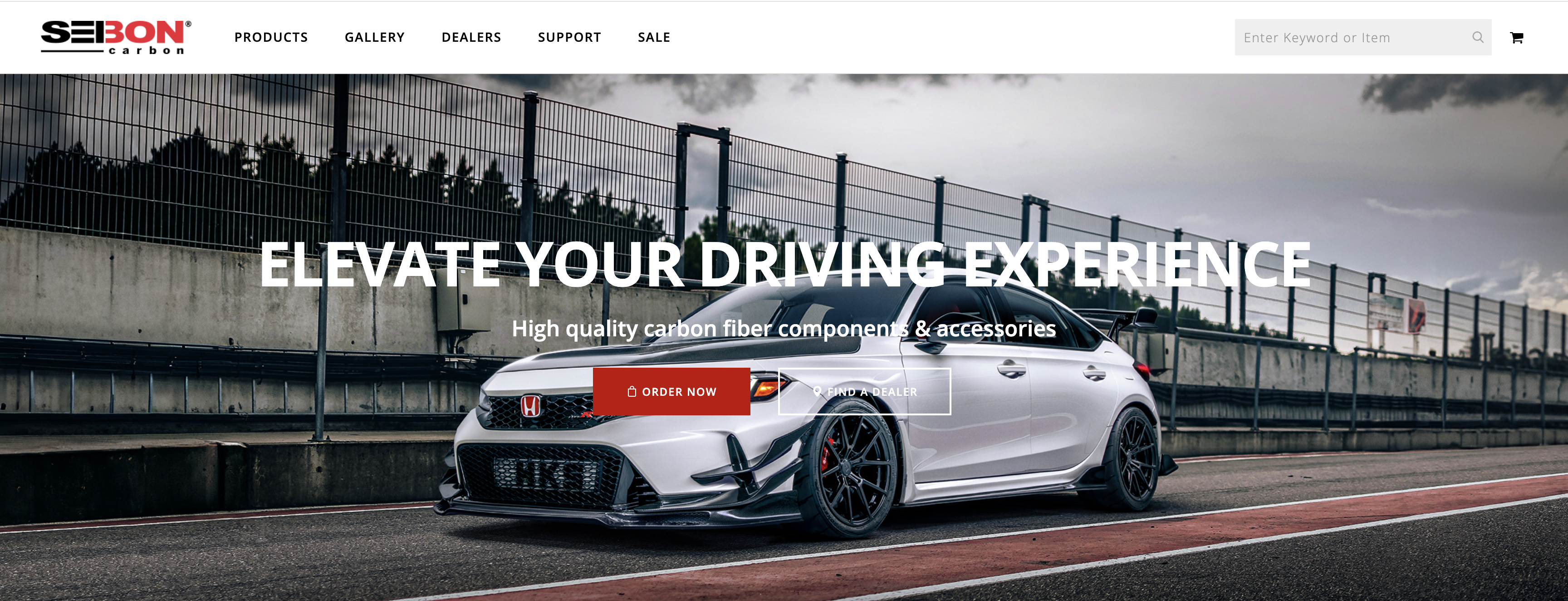
Three distinct hood styles. One brand with 20+ years of manufacturing experience. That’s what Seibon brings to the table in 2026.
This review covers what you get across Seibon’s current lineup — weave quality, real-world fitment, weight data, and pricing. Then it stacks those results against Anderson Composites and Carbon Fiber Hoods Com. So you can make a solid, informed decision before dropping four figures.
Here’s a quick snapshot of what’s available for 2026 Toyota Tundra buyers:
|
Style |
Price |
Key Fit |
|---|---|---|
|
RR-Style |
$1,760–$2,000 |
2022–2026 Tundra |
|
OEM-Style |
$1,900 |
2022–2026 Tundra / 2023–2026 Sequoia |
|
TS-Style |
$2,000 |
2022–2026 Tundra / 2023–2026 Sequoia |
The OEM-Style weighs in at 30 lbs. That’s a real drop from the factory hood. Less weight up front means sharper handling, faster braking response, and some fuel efficiency gains. Not marketing language. Physics.
What Is Seibon Carbon Fiber Hood — And Who Buys One?
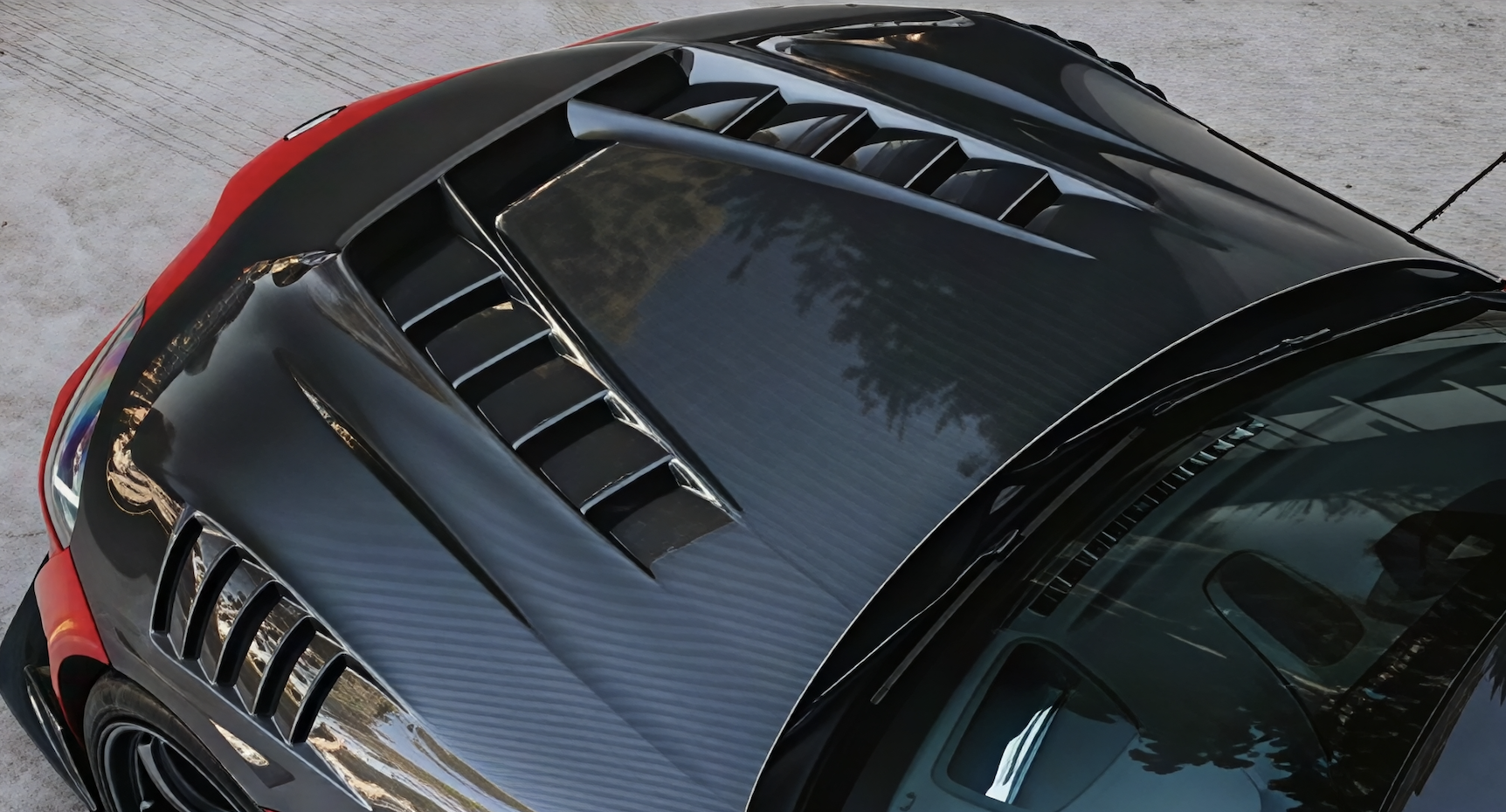
Seibon has been making carbon fiber hoods for over two decades. That kind of track record shows up in the details.
Each hood starts with 3K 2×2 twill weave carbon fiber. It bonds over a fiberglass skeleton for solid structure. You get a UV-resistant clear coat built right in — no paint needed. The weave looks show-ready straight out of the box.
Pricing runs $1,350–$2,000 depending on your vehicle and style:
-
Toyota Tacoma TS-Style: $1,710 (reg. $1,900)
-
Honda Civic Type R GT/TV-Style: $1,800–$1,900
-
Scion FRS/BRZ VT-Style: $1,350 (reg. $1,500)
Coverage reaches 50+ SKUs across Toyota, Honda, Subaru, Nissan, and Hyundai.
So who’s buying these? Three clear groups:
-
Street modders chasing bold aesthetics (RR, TS, VT styles)
-
Track builders focused on heat extraction and cutting weight
-
Show car and OEM-replacement owners who need clean fitment with no modifications
Seibon hoods need professional installation, hood pins, and a heat shield. Stock dampers won’t cut it. Build those costs into your total budget before you order.
Seibon Carbon Fiber Hood Quality: What the 3K 2×2 Twill Weave Means
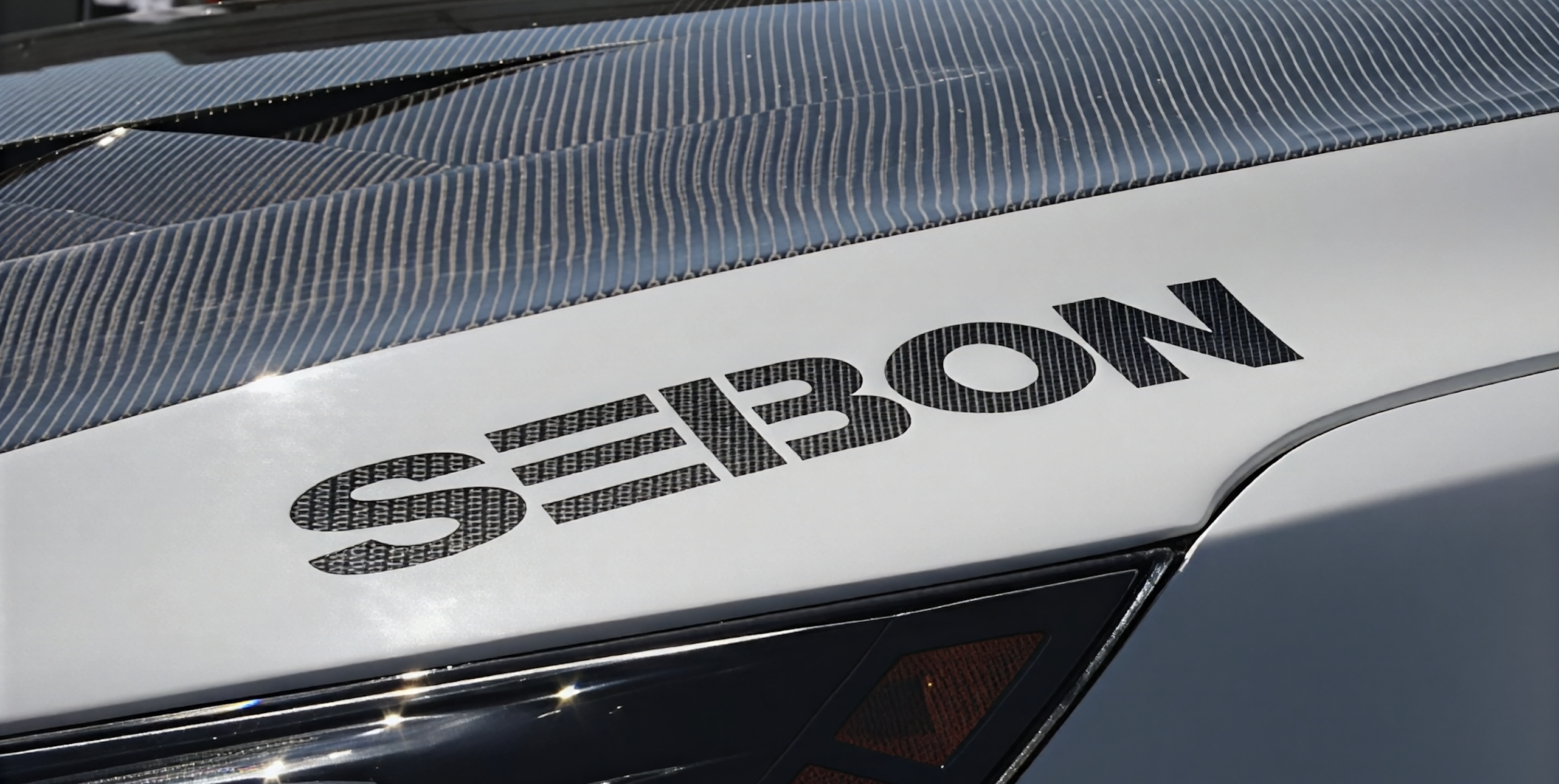
The spec sheet says “3K 2×2 twill weave.” Most buyers nod and move on. That string of numbers and letters is the most important detail on the page. Miss it, and you risk turning a smart purchase into an expensive mistake.
Here’s what it means in plain language.
“3K” refers to the number of carbon filaments bundled into each fiber tow — 3,000 strands per bundle. More strands per tow means a tighter, denser weave. The surface looks refined, not rough or industrial. It’s the same visual standard you see on factory-spec supercars.
“2×2 twill” describes the over-under weave pattern — each fiber crosses over two, then under two. That diagonal lattice gives you the signature carbon look. It also spreads stress across the panel more consistently than a plain weave does.
Seibon lays this fabric over a fiberglass skeleton, not a full-carbon core. That’s a deliberate engineering choice, not a cost-cut. The fiberglass backing adds structural rigidity. It also keeps the weight low — Seibon claims up to 50% lighter than stock OEM panels.
The clear coat goes on glossy. No gel-coat required. Fresh out of the box, the finish looks show-ready.
That said, Seibon’s 6-month warranty on the clear coat is narrow. It covers:
-
Heavy cloudiness
-
Bubbles larger than 3/8 inch
-
Shade shifts of more than one full shade
Minor fading over time falls outside that coverage. Seibon treats that as normal wear.
Bottom line on quality: The 3K 2×2 construction gives you a clean, consistent weave pattern and solid rigidity. Just don’t expect the clear coat to hold up forever without regular maintenance.
Anderson Composites Carbon Fiber Hood: Premium Double-Sided Build Worth the $2,000+ Price Tag?
Anderson Composites doesn’t compete on price. It competes on construction.
Seibon bonds carbon fiber over a fiberglass skeleton. Anderson goes full carbon on both sides. That means a double-sided build with wet carbon, marine-grade resin, and a UV-inhibitor gel coat. This isn’t a marketing upgrade. It changes the structural strength of the entire panel.
The weight numbers back it up:
|
Model |
Anderson Weight |
Stock Weight |
Reduction |
|---|---|---|---|
|
Camaro Type-T2 |
21.2 lbs |
40+ lbs |
~47% |
|
Mustang Type-GR |
22.5 lbs |
— |
Significant |
|
Silverado |
27.3 lbs |
Aluminum stock |
Notable |
That Camaro figure cuts close to half the OEM weight. That’s the kind of number track builders care about.
What You’re Paying For
The Camaro Type-T2 runs $1,781. Mustang variants land at $2,069–$2,299. You’re looking at a 15–28% premium over comparable Seibon hoods. That extra cost funds the all-carbon skeleton — not just the visible surface layer.
Anderson’s Mustang lineup gives you two solid options:
-
Type-GR — GT350-style design, fits 2015–2023 GT/EcoBoost
-
Type-AB — Ram air style, fits 2018–2023
Both come with a center heat extractor vent. The mesh is removable and paintable. This is functional design, not decoration.
Installation is bolt-on with OE hardware. A skilled DIYer can finish the job in about one hour. Plan for minor fitment adjustments — you may need to enlarge skeleton holes for OEM clips or make small Dremel cuts for heat shield clearance. Hood pins are mandatory, no exceptions.
The One Real Drawback
Lead times. Anderson builds to order. 12–16 week waits are common. Plan ahead before you order — a late delivery can cost you race weekends during a track season. Factor that window into your schedule from day one.
Want the lightest panel available and you’re ready to pay for it? Anderson delivers.
Trufiber Carbon Fiber Hood: The Dark Horse Alternative With Limited Data
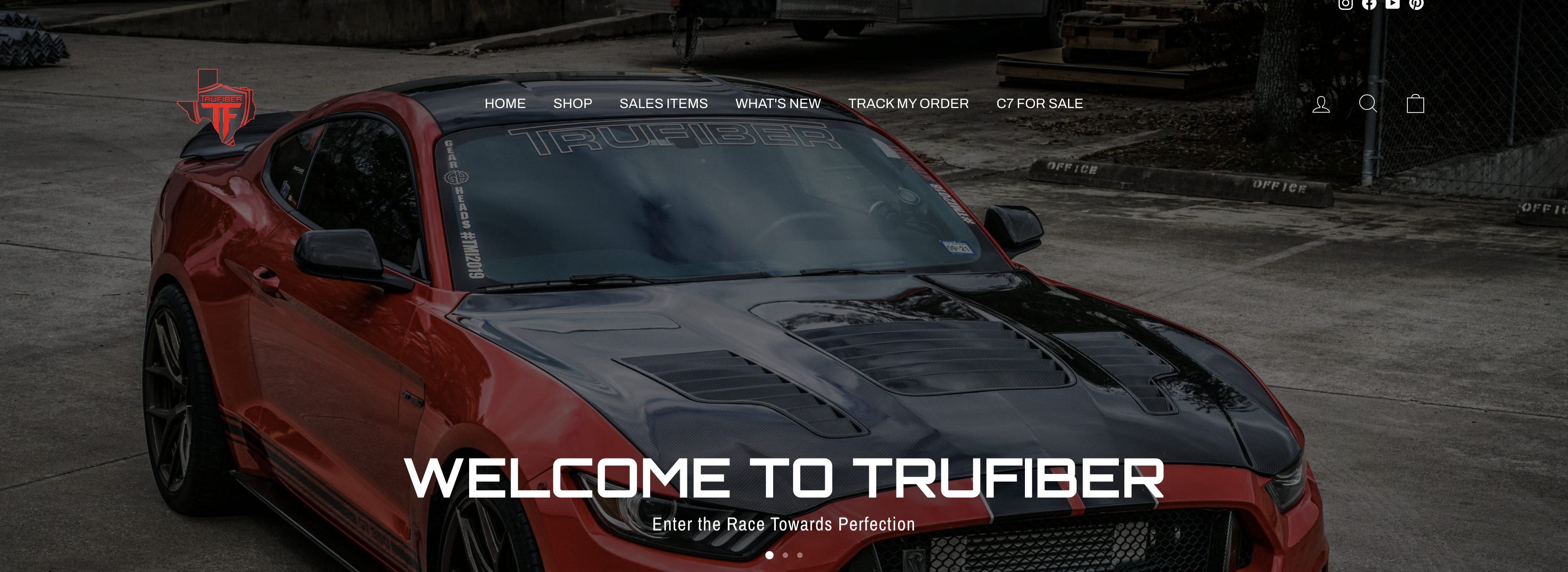
Trufiber doesn’t dominate the conversation the way Seibon or Anderson does. But the specs tell a more interesting story than the brand name alone suggests.
Their Mustang lineup covers 2015–2023 Ecoboost and GT platforms across five distinct hood models. The A49-3 is the one that grabs attention. You get vacuum infusion, 3K 2×2 twill weave, a functional dual-exit heat extractor, integrated stainless mesh, and reinforced metal latch plates. It also comes with a bolt-on install and all hardware included. The price is $2,179 at 30 lbs.
Then there’s the A72-RL — their lightweight option. It’s 100% real carbon fiber, vacuum infused, same 3K 2×2 construction. Weight comes in at 17 lbs. That puts it in Anderson territory, at a price that can compete.
|
Model |
Weight |
Process |
Price |
|---|---|---|---|
|
A49-3 |
~30 lbs |
Vacuum infused |
$2,179 |
|
A72-RL |
17 lbs |
Vacuum infused |
— |
|
A86 |
~40 lbs |
Hand-laid |
— |
Here’s the real limitation: no aggregated user reviews exist. No Reddit threads. No forum comparisons against Anderson or Seibon. Buyers haven’t had a chance to build up a public feedback record for this brand. That gap makes it hard to buy with confidence.
So Trufiber is a strong spec sheet — but an unproven real-world performer. Worth keeping an eye on. Just not the safe default pick yet.
Seibon vs Anderson vs Trufiber: Side-by-Side Comparison Across 7 Key Dimensions
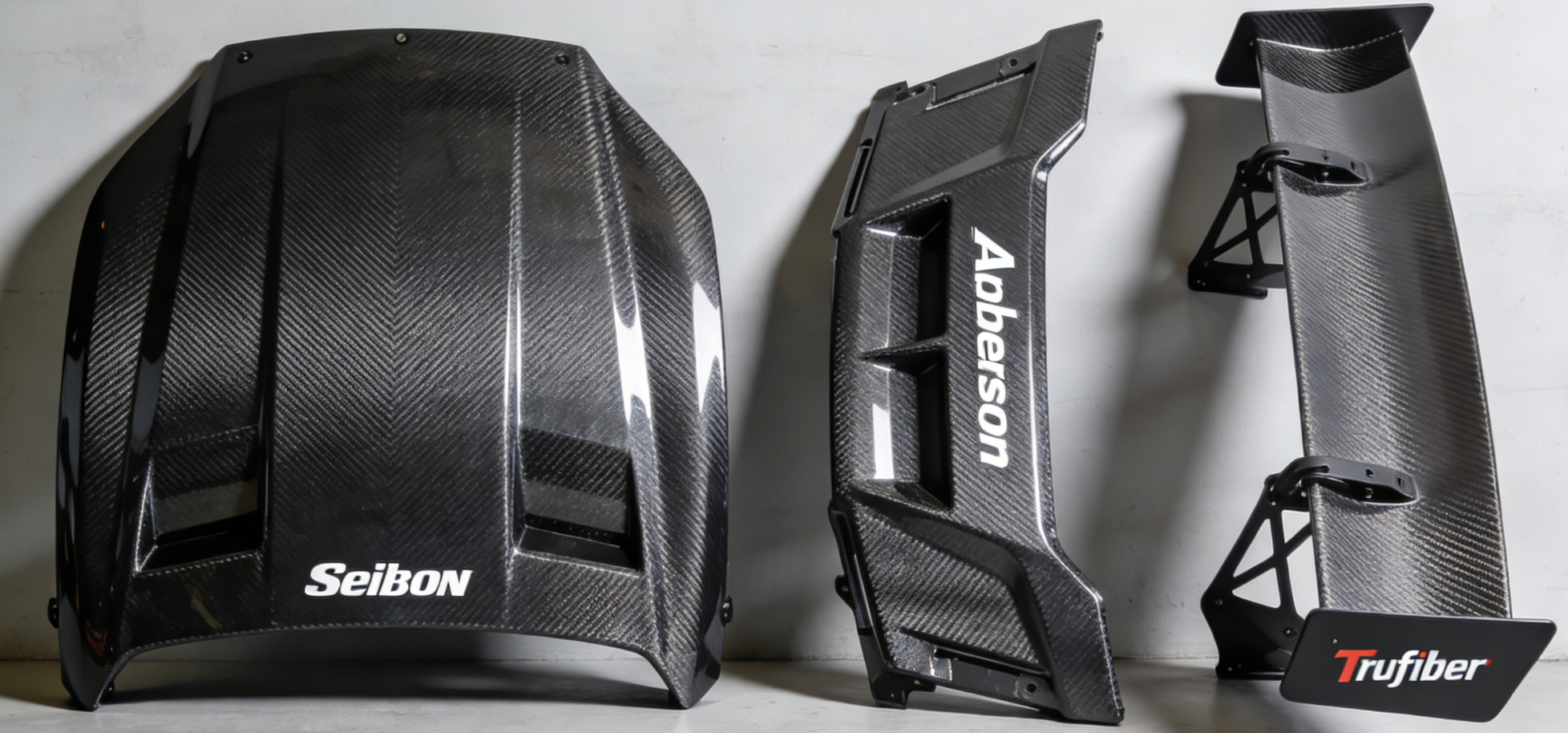
Seven dimensions. Three brands. One decision that protects your investment — or drains it.
The specs sections above gave you each brand on its own. Now let’s put them side by side. These scores cover the criteria that matter most — especially with $800 to $2,000+ on the line for a carbon fiber hood.
The Scorecard
|
Dimension |
Seibon |
Anderson |
Trufiber |
|---|---|---|---|
|
Craftsmanship Quality |
9/10 |
9.5/10 |
6/10 |
|
OEM Fitment |
9/10 |
8.5/10 |
7/10 |
|
Weight Reduction |
~50–70% |
~60–70% |
~40–50% |
|
Finish Quality |
9/10 |
9/10 |
5.5/10 |
|
Price/Value Ratio |
8/10 |
7/10 |
8.5/10 |
|
Installation Ease |
9/10 |
7/10 |
6.5/10 |
|
Warranty & Support |
8/10 |
6.5/10 |
7/10 |
What the Numbers Mean
Craftsmanship is where Anderson takes the lead. You get full prepreg carbon throughout — no fiberglass base layer, no shortcuts. Seibon’s hand-laid wet carbon with FRP skeleton is a close second. Trufiber’s carbon-over-fiberglass build is the weakest of the three. Weave inconsistencies show right through the clear coat.
OEM fitment goes to Seibon. It bolts on with factory hinges, latches, and OEM clips. No drilling needed straight out of the box. Anderson fits well, but units often ship with undrilled rivet holes. That adds shop time. Trufiber needs the most hand-fitting of the three.
Weight reduction is nearly tied between Seibon’s dry carbon option (up to 70%) and Anderson’s full prepreg build (60–70%). Trufiber’s heavier fiberglass core tops out around 40–50%.
Finish quality is where Trufiber falls short fast. Texture bleeds through the clear coat. Seibon and Anderson both deliver a clean, show-ready surface with no issues.
Installation ease favors Seibon — direct bolt-on with optional hood pins. Anderson needs Dremel work and hole adjustments. Trufiber takes the most alignment effort of the group.
Lead time is a real variable. Anderson runs 12–16 weeks. Seibon can hit 2-month delays on specific SKUs. Trufiber keeps better in-stock availability. That’s a real edge on a tight deadline.
Vehicle Coverage Breakdown
|
Brand |
Toyota |
Ford Mustang |
Chevrolet |
Honda |
|---|---|---|---|---|
|
Seibon |
✅ Strong |
Moderate |
Moderate |
✅ Strong |
|
Anderson |
Limited |
✅ Strong |
✅ Strong |
Limited |
|
Trufiber |
Limited |
Moderate |
✅ Strong |
Limited |
Toyota and Honda owners: Seibon is your natural home base. Mustang and Camaro builders: Anderson and Trufiber cover more ground.
Who Should Buy What
-
Track-focused builds — Anderson. Full prepreg construction, top weight savings, and solid structural integrity under sustained stress.
-
Street builds and OEM replacement — Seibon. The cleanest bolt-on fitment, the broadest vehicle coverage, and a glossy finish that’s show-ready from day one.
-
Budget-conscious buyers on a tight deadline — Trufiber. Better in-stock availability and competitive pricing are the draws. Budget extra time for fitment adjustments, and set realistic expectations on finish quality.
The carbon fiber hood quality comparison comes down to this: pay more for Anderson’s build quality and accept the wait. Choose Seibon for the best mix of fitment, finish, and reliability. Pick Trufiber if your timeline or budget rules out the other two.
Real-World Performance: Weight Savings, UV Yellowing, and Long-Term Durability
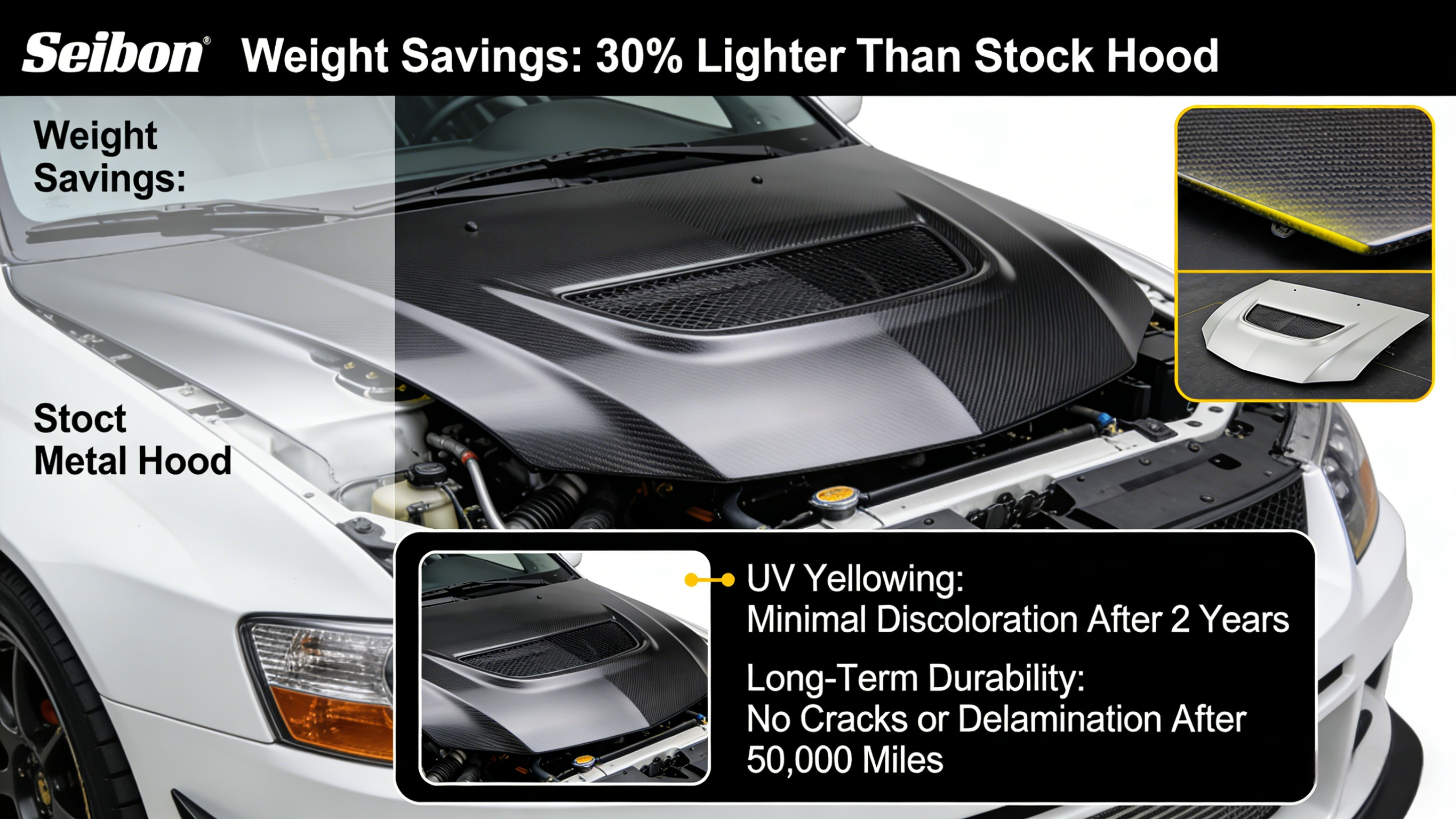
Carbon fiber hoods don’t fail at the dealership. They fail two summers later — the clear coat starts to haze, and the weave turns amber under direct sunlight.
Here’s what the spec sheets won’t tell you.
Weight Savings: The Numbers That Matter
Seibon’s OEM-style hood lands at 30 lbs. Anderson’s Camaro Type-T2 hits 21.2 lbs. Trufiber’s lightweight A72-RL drops to 17 lbs.
These aren’t just bragging rights. Lower hood weight shifts your front-to-rear balance. It cuts braking distances. It also takes stress off your front suspension geometry over time.
Physics doesn’t care about brand loyalty.
UV Yellowing: The Real Threat to Your Investment
This is where most buyers get burned — and not in a good way.
Carbon fiber itself doesn’t yellow. The clear coat does. Once UV degradation starts, it moves fast. Budget-tier hoods can show visible hazing within 24 months of regular outdoor exposure. Anderson’s marine-grade gel coat applies a premium UV-inhibitor coating that slows that process by a wide margin.
Seibon’s 6-month clear coat warranty covers major bubbling and shade shifts. It does not cover gradual fading. Plan for a UV recoat service around year 7 — no matter which brand you pick.
Long-Term Durability: What Holds Up
Two factors decide long-term survival: resin quality and heat management.
A proper heat shield extends panel life by a lot. Skip it, and engine bay heat starts breaking down the inner layers from the inside out. You won’t see that damage until it’s already done. Hood pins also help by reducing vibration fatigue over time.
Treat the clear coat like paintwork:
– Wash it regularly
– Clay bar it to remove contaminants
– Apply UV sealant once a year
Skip that routine, and even a $2,000 Anderson hood turns into a $400 problem by year three.
Who Should Buy Which Brand: Decision Matrix by Budget and Use Case
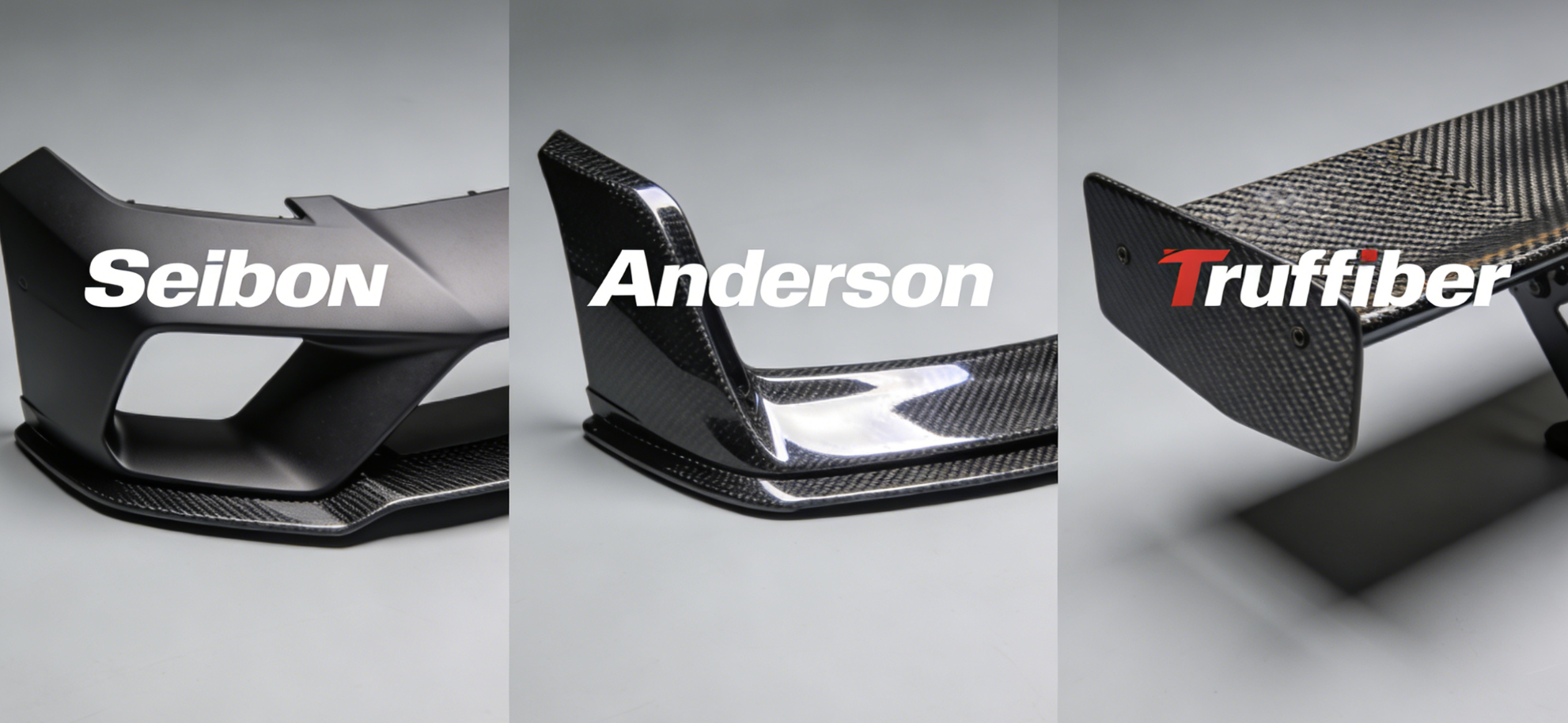
Budget sets your starting point. Your build goals set the finish line.
Here’s a clear breakdown of which brand earns your money at each price tier:
Under $1,500 — Seibon OEM-Style
You get the best fitment score and the widest vehicle coverage. No fabrication needed. This makes it the go-to safe pick for Toyota and Honda owners.
$1,500–$2,000 — Seibon TS/RR-Style or Trufiber A49-3
You’re paying for strong visual impact plus real weight reduction. Seibon is easier to install. Trufiber beats it on price for Mustang or Camaro builds — useful if your deadline is tight.
$2,000+ — Anderson Composites, no debate
This tier gives you full prepreg carbon and marine-grade UV gel coat. You also get the biggest weight cuts on the market. It’s built for track builders and SEMA projects. Plan for a 12–16 week lead time before placing your order.
|
Build Goal |
Top Pick |
|---|---|
|
Time attack / track racing |
Anderson |
|
Street mod / OEM replacement |
Seibon |
|
Show car aesthetics |
Anderson or Seibon |
|
Tight budget + fast delivery |
Trufiber |
Running a Toyota Tacoma or 4Runner? Seibon is your answer, start to finish. On a Ford Mustang or Camaro? Anderson is built for your platform.
FAQ: Carbon Fiber Hood Questions Buyers Ask Before Pulling the Trigger
Every serious buyer ends up with the same list of questions. Here are the ones that matter most.
How much should I budget total — not just for the hood?
The hood price is just the starting point. Stack these on top:
– Clear coat finishing: $200–$400
– Professional fitment: $150–$300
– Shipping or import costs: $100–$300
Also build in a 20–30% buffer for alignment tweaks and surprises. A $1,200 hood runs $1,700–$2,500 out the door once everything is included.
Does carbon fiber construction type affect performance?
Yes — and the difference is bigger than most buyers expect. Full carbon fiber gives you maximum weight savings. Carbon over fiberglass is a mid-range compromise. A carbon overlay on your OEM hood is cosmetic only — zero structural benefit.
What’s the real weight savings?
A stock steel hood averages 42 lbs. A quality carbon fiber hood comes in around 10 lbs. That’s a 32-lb drop — about 75% lighter than stock.
What should I ask any seller before buying?
Three questions cut through the noise fast:
– What resin system do they use?
– Is it prepreg or wet carbon layup?
– What’s the fiber-to-resin ratio?
Vague answers are a red flag. They point to a budget build.
Conclusion
The carbon fiber hood market doesn’t forgive indecision — or bad information.
Here’s what this review proves: Seibon delivers the best balance of OEM fitment, verified quality, and real-world value for most enthusiasts. Anderson Composites earns its premium price tag for serious track builds. Trufiber is a wildcard worth watching — but not worth betting on just yet.
Carbon Fiber Hoods Com is a legitimate buying channel. Still, your due diligence matters. Price-shop smart. Verify your vehicle fitment down to the trim level. Inspect the clear coat quality before installation.
Your next move is straightforward. Cross-reference your specific make and model against the decision matrix above. Set your budget ceiling. Then pull the trigger with confidence.
A lighter hood isn’t just a modification — it’s a statement about how much you care about your build.
Don’t let overthinking cost you another season. The right carbon fiber hood is already waiting.
Contact HyperX Carbon – Your Trusted Chinese Carbon Fiber Partner
Ready to source high-performance carbon fiber materials or custom forged carbon fiber parts from China?
HyperX Carbon is a leading manufacturer with 20+ years of expertise, specializing in aerospace-grade forged carbon fiber, prepreg, carbon fiber tube, carbon fiber sheet, and lightweight carbon fiber automotive parts/carbon fiber drone components/carbon fiber medical components. We offer:
-
Stable supply chain with premium raw materials (Toray, Mitsubishi, Hengshen)
-
AS9100D certified production for aerospace & UAV applications
-
Rapid prototyping (5-8 weeks) and monthly capacity exceeding 180,000 parts
-
Competitive pricing with 15-18% cost savings on forged carbon solutions
-
Full customization: from T700/T1100G to ultra-high modulus grades
Whether you’re an eVTOL developer, automotive OEM, drone manufacturer, or medical device engineer, HyperX delivers consistent quality, batch-to-batch reliability, and reliable delivery.
Get in touch today for a free consultation, custom quote, or material sample.
📧 Email: [email protected]
🌐 Website: https://www.hyperxcarbon.com/
📞 Phone/WhatsApp: +86 15623270276 (English support available)
Let’s build your next lightweight innovation together – contact HyperX Carbon now and stay ahead in the low-altitude and advanced composites market.




