
Forged carbon fiber sheet isn’t just a material upgrade — it’s a decision that separates builds that perform from builds that only look the part.
Building a drone frame? Reinforcing a race car chassis? Sourcing lightweight structural panels for a precision manufacturing run? The wrong choice shows up fast. You miss the weight savings you were counting on. Tolerances don’t hold. Suppliers ship you something labeled “forged” that isn’t.
This guide cuts through that noise.
By the end, you’ll know:
-
Which forged carbon fiber plate thickness fits your project
-
What to pay for it
-
Where to buy it
-
How to work with it without ruining your edges or your lungs
Forged Carbon Fiber Sheet Specifications: Thickness, Size & Grade Selection Guide (2026)
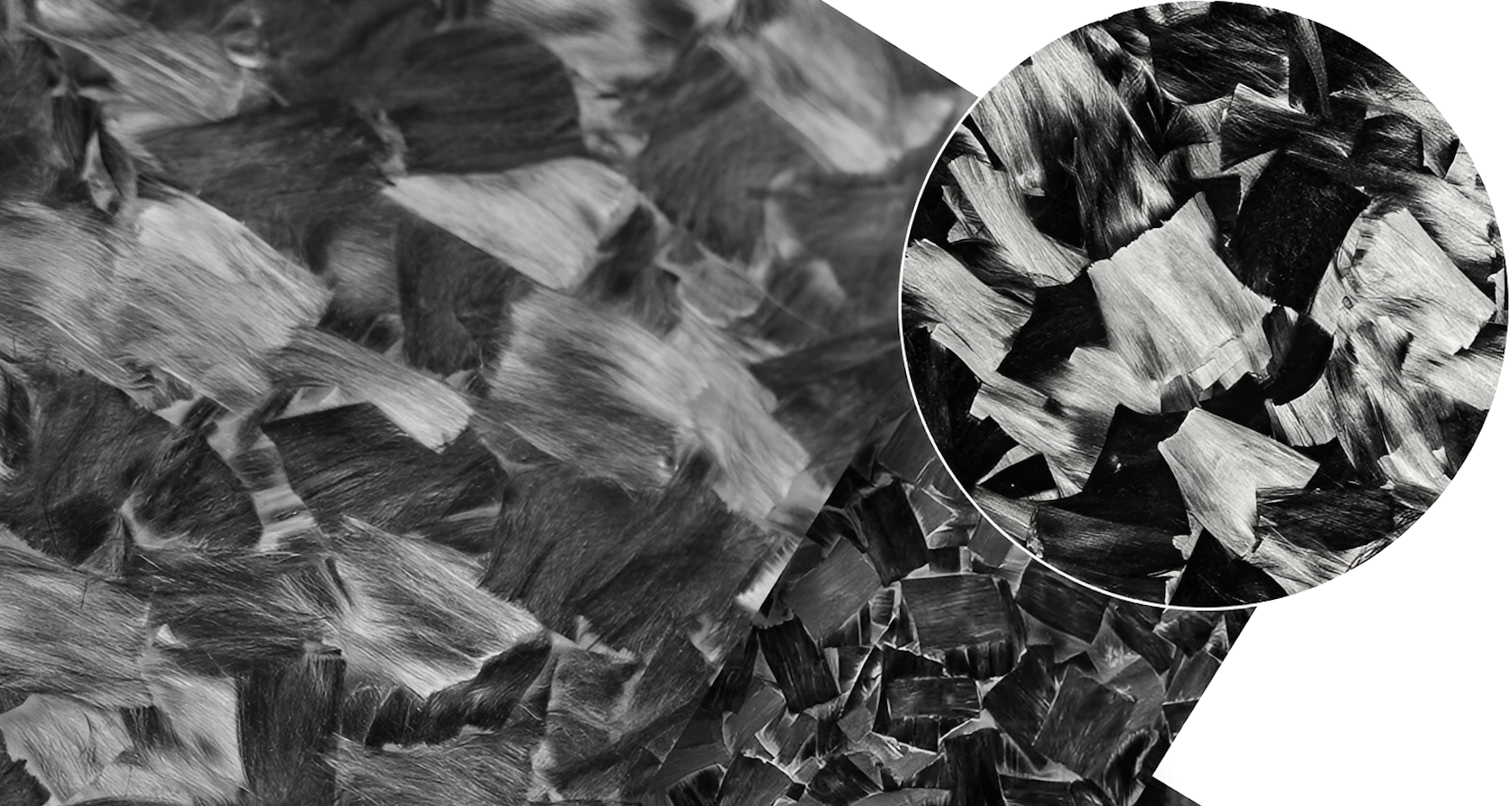
Most sourcing mistakes happen before the order is placed — in the spec sheet, not the shop.
Get the thickness wrong by 1mm on a drone arm and you’ve added mass where you needed none. Underspec the fiber grade on a load-bearing chassis panel and you’ve built a liability. The numbers below exist to prevent that.
Thickness: Match the Material to the Load
Forged carbon fiber sheet starts at 0.3mm and goes up to 30mm in standard production. For industrial use, structural sections can reach 100mm wall thickness. Here’s how that range maps to real projects:
0.3mm – 1.5mm
Thin-sheet territory. Think drone skins, decorative veneers, wallet inlays, and flexible wrapping. A 0.5mm or 1mm sheet gives you the forged carbon fiber texture without adding structural bulk. This is delicate work — treat it that way.
2mm – 3mm
The hobbyist sweet spot. RC chassis, robotics frames, CNC-cut components. These thicknesses dominate maker and small-batch manufacturing orders for good reason. They balance rigidity with machinability. No industrial tooling needed.
5mm – 6mm
Structural load-bearing starts here. High-torque assemblies, impact-exposed panels, heavy-duty compression molded carbon fiber parts — the kind where failure isn’t an option.
10mm – 30mm (and beyond)
Industrial fixtures. Aerospace tooling. Precision manufacturing jigs. At this range, you’re working with carbon fiber laminate sheet built for sustained mechanical stress. Aesthetics aren’t the point here.
The material’s performance ceiling: 270 ksi (1,860 MPa) tensile, 215 ksi (1,482 MPa) compressive. Design to those numbers, not to optimistic marketing figures.
Size: Standard Panels and Custom Profiles
Standard forged carbon fiber sheets run to 48″ × 96″ (122 × 244cm). Extended formats go up to 8,000mm in length. Custom profiles are also compression-moldable on request. That includes:
-
Rounds from 4–500mm OD
-
Square sections from 6–40mm sides
-
Hexagonal and elliptical geometries
Your project doesn’t fit a catalog size? That’s not a problem. It just means you spec it right from the start — and you don’t pay a penalty for doing so.
Fiber Grade: Don’t Pay for Stiffness You Won’t Use
|
Grade |
Modulus |
Tensile |
Best For |
|---|---|---|---|
|
T300 |
15–16 msi |
600–700 MPa |
General structural, cost-sensitive builds |
|
T700/T800 |
20–21 msi |
600–700 MPa |
Performance-critical components |
|
M-Series |
30–32 msi |
600–700 MPa |
Maximum stiffness — aerospace, industrial |
Hold this baseline: 60% fiber volume fraction. Drop below that and you’re buying resin, not performance.
T300 handles most structural applications well. Step up to M-series only when stiffness — not strength — is the real constraint. Over-specifying fiber grade adds cost fast, especially in small-batch production.
Quality Verification: What the Numbers Should Show
Check these benchmarks before accepting any shipment of forged composite material:
-
Thickness tolerance: ±0.030″ standard cut; ±0.003″ on sanded unidirectional surfaces
-
Flexural modulus: >35.5 GPa standard; optimized panels reach 61.1 GPa
-
Density: 1.5–1.6 g/cm³ — heavier than that means the fiber volume is off
-
Visual check: Deep random chopped fiber texture, zero delamination, no resin pooling at edges
Weight is a direct signal. A well-optimized forged carbon fiber flat sheet panel at equivalent dimensions comes in at 25.2g versus 46.7g for aluminum. Your panel doesn’t reflect that gap? The fiber fraction isn’t what you were sold.
ASTM D-3039, D-695, D-790, and D-2344 govern legitimate testing. Ask for documentation. Suppliers who can’t provide it are giving you an answer — just not with words.
How to Buy Forged Carbon Fiber Sheets: Suppliers, Pricing & Custom Options (2026)
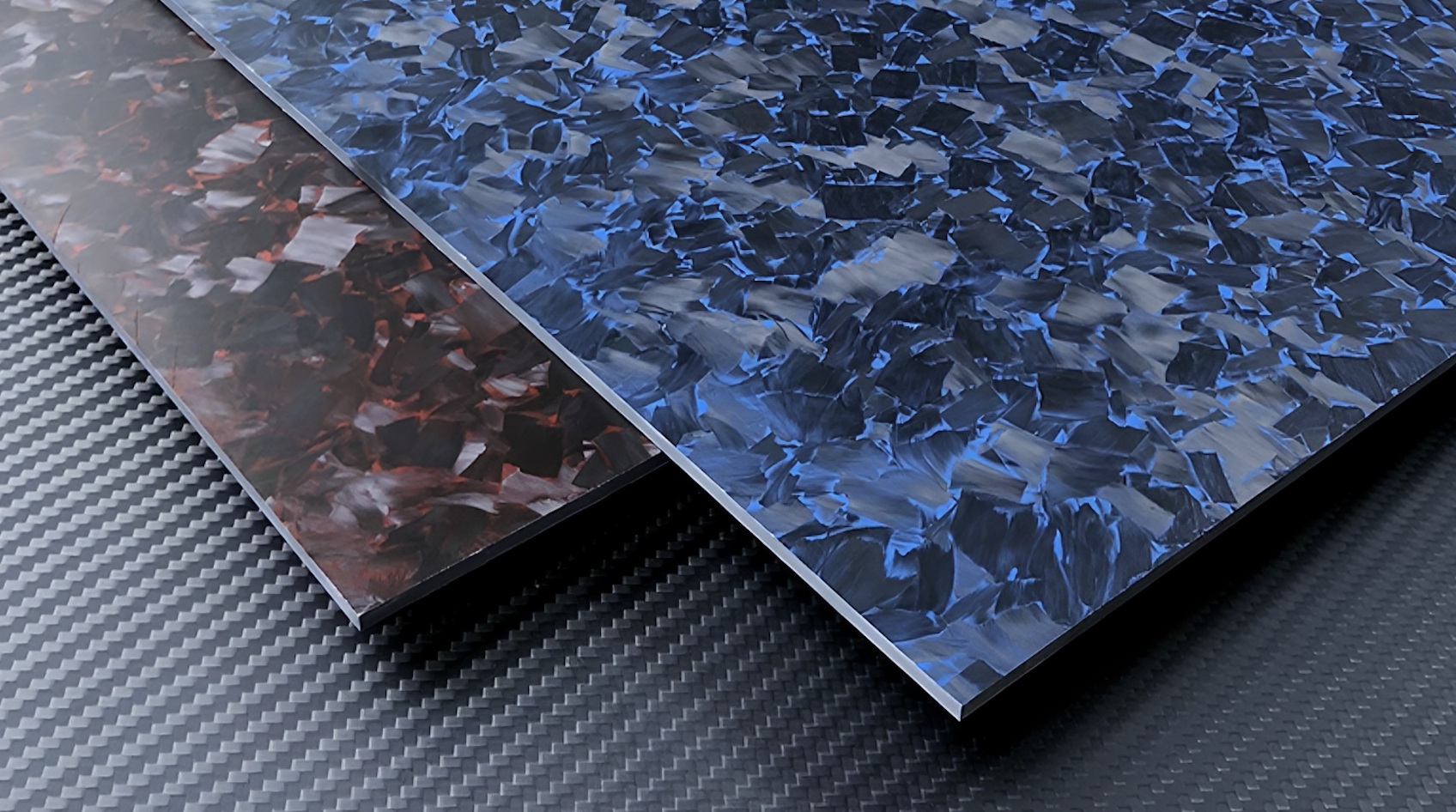
The forged carbon fiber supplier market has grown a lot — and that’s both good news and a trap.
More real manufacturers means more choices. It also means more convincing fakes, more creative labeling, and more ways to spend real money on materials that fail under real loads. Here’s a straight breakdown of who’s selling, what it costs, and how to structure a custom order without getting burned.
The 2026 Supplier Landscape: What Each Source Does Well
Not every supplier fits every project. The table below maps realistic options by use case — not by who has the best website.
|
Supplier |
Best For |
MOQ |
Lead Time |
Price Band |
|---|---|---|---|---|
|
Precision custom sheets, aerospace & UAV-grade |
Container-load |
5–8 weeks |
15–18% cost savings vs. market |
|
|
fmscarbon.com |
Compression-molded custom sheets, strength-to-weight critical |
Confirm direct |
Standard |
Competitive |
|
Shasha Carbon |
Small-batch custom parts, fast turnaround |
2–10 pieces |
Short |
$41–$500/unit |
|
Weihai Guangwei |
Multi-grade prepreg sourcing, ISO-certified |
50–100 m² |
Standard |
$7–$40/m² |
|
Jilin Tangu |
High-volume industrial runs, cost-competitive |
Industrial scale |
Standard |
~1 CNY/kg below spot |
Small-batch builders — drone makers, custom knife makers, motorsport fabricators — will find Shasha Carbon’s 2-piece MOQ a real advantage. For production runs, hyperxcarbon.com stands in a class of its own. Its AS9100D certification and 180,000+ parts/month capacity put it well beyond the average supplier.
What Forged Carbon Fiber Sheet Costs
Price goes up with area and thickness. Here are real reference points:
-
6″ × 6″ × 1/8″: ~$40
-
12″ × 24″ × 3/16″: ~$376
-
Base rate (prepreg/standard): $7–$40/m²
-
Custom forged premium: +15–18% above base — this covers mold fabrication, resin engineering, and compression tolerances
Small custom parts run from $41 to $500 per unit. That range depends on geometry and finish. The variables behind the price — mold complexity, fiber grade, surface treatment — are easy to estimate once you spec the part clearly.
How Custom Orders Work
The process isn’t complex. Skipping steps, though, gets expensive fast:
-
Submit your 3D CAD file or physical sample — suppliers reverse-model from either
-
Layup design, resin selection, mold fabrication — good suppliers handle all of this in-house
-
Mold cycle: 25–30 days
-
Production run: 7–10 days
-
Total project timeline: 32–40 days for standard custom work; 5–8 weeks for precision-grade prototyping
Always ask for a sample first. Check OEM/ODM logos, texture consistency, and gloss level. A sample costs almost nothing compared to a full production run that misses spec.
Five Things That Separate Good Suppliers from Expensive Mistakes
Before you commit to any source, run through this checklist:
-
Fiber content verification: Confirm 100% real prepreg — not chopped filler padded with excess resin
-
Modulus documentation: T300 3K/TC35 is the minimum for structural use. Ask for the datasheet
-
Raw material traceability: Toray, Mitsubishi, or Hengshen fiber origin — anything else is a red flag
-
CNC-ready surface finish: Compression-molded panels cut clean. Uneven density causes tool deflection and edge delamination
-
Certifications on paper: AS9100D and ISO aren’t marketing — they’re real supply chain commitments. Ask for the actual certificate number
One more thing: density doesn’t lie. A solid forged carbon fiber sheet panel runs 1.5–1.6 g/cm³. A panel heavier than that has more filler than fiber — and less than what you paid for.
Forged Carbon Fiber Sheet Applications: Project-Specific Usage Guide
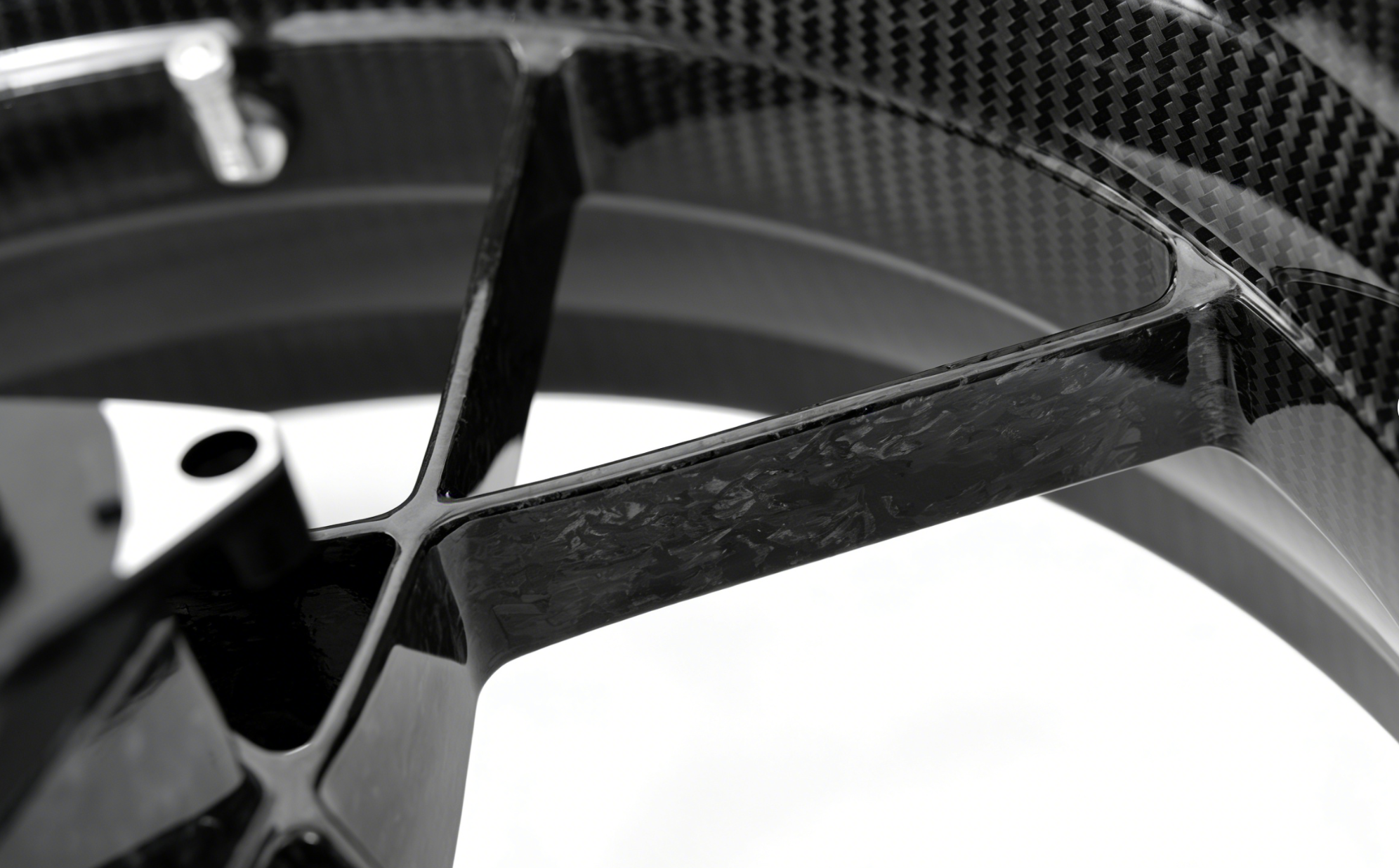
The numbers don’t lie, but they need some context.
A forged carbon fiber lever component weighs 24.7g. An aluminum equivalent weighs 46.7g. Both deflect 0.4mm under a 10kg load. But forged carbon fiber yields at 153kg — aluminum taps out at 98kg. That’s 53% lighter, 56% stronger, same stiffness. Optimize the layup and yield jumps to 203kg. Deflection drops to 0.35mm. Stiffer than aluminum at half the mass.
That’s not a feature. That’s a design opportunity. Here’s how it plays out across real projects.
Drone Frames & RC Chassis (2mm – 3mm)
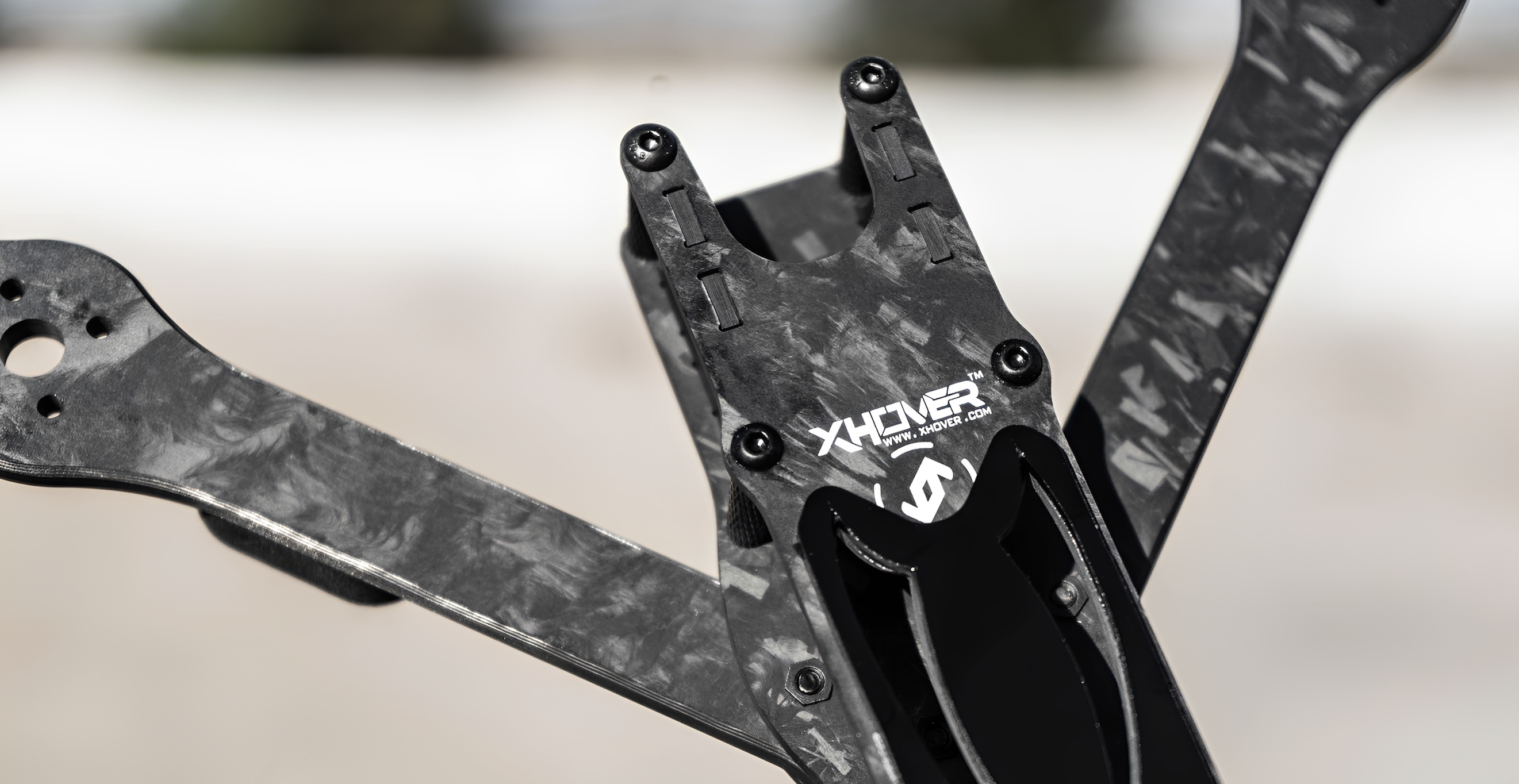
This is where forged carbon fiber sheet earns its reputation fastest.
A 2–3mm forged carbon fiber sheet gives you the weight savings drone builders are after — without losing the structural integrity that keeps things in the air. Fiber alignment matters. Orient fibers length-wise along the arm to push tensile performance above 192 MPa. Avoid holes smaller than 0.5mm. Go below that, and post-finishing grinds away the detail completely.
RC chassis work follows the same rules. A flexural modulus of 35.5–61.1 GPa handles vibration loads that crack aluminum frames from fatigue. Forged composite holds firm where you need it to.
Automotive Chassis & Body Panels (5mm – 6mm)
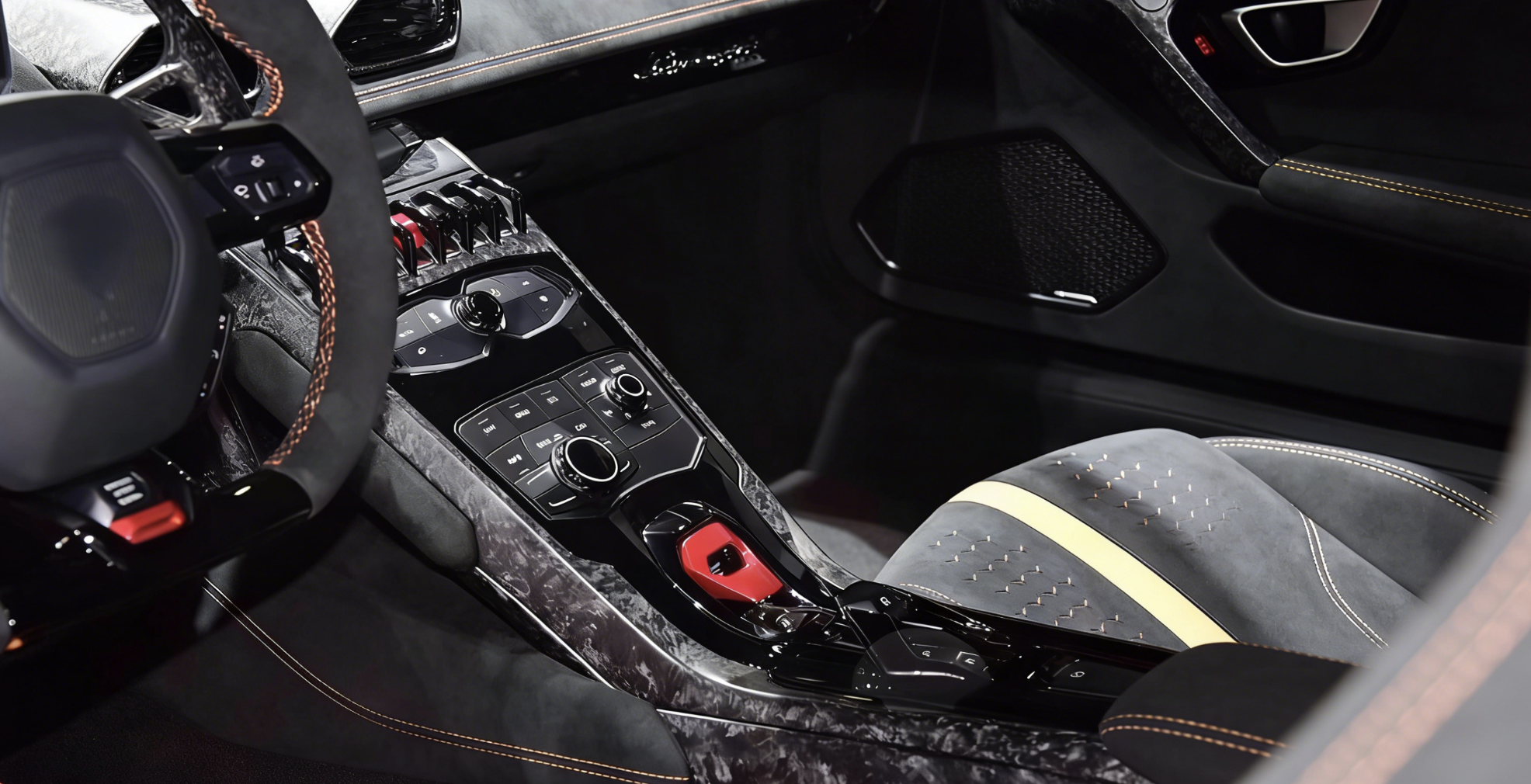
At 5–6mm, forged carbon fiber plate enters structural territory. Flexural yield sits at 153–203kg. Modulus runs 35.5–61.1 GPa. These numbers aren’t decorative — they carry real load.
For automotive builds, design R-corners into stress concentration points. The exact geometry varies by part, but on any impact-exposed panel, R-corners are non-negotiable. Keep minimum hole detail at 0.5mm. Thicker sections get a tensile boost from the resin itself. That’s why compression molded carbon fiber at this thickness beats prepreg in some crash-load situations.
Lamborghini’s forged composite specs call for panels over 1.2mm thick. Drop below that threshold and both resistance and elasticity modulus fall off fast.
DIY Precision Projects: Knife Handles, Watch Components, Racer Parts (1mm – 3mm)
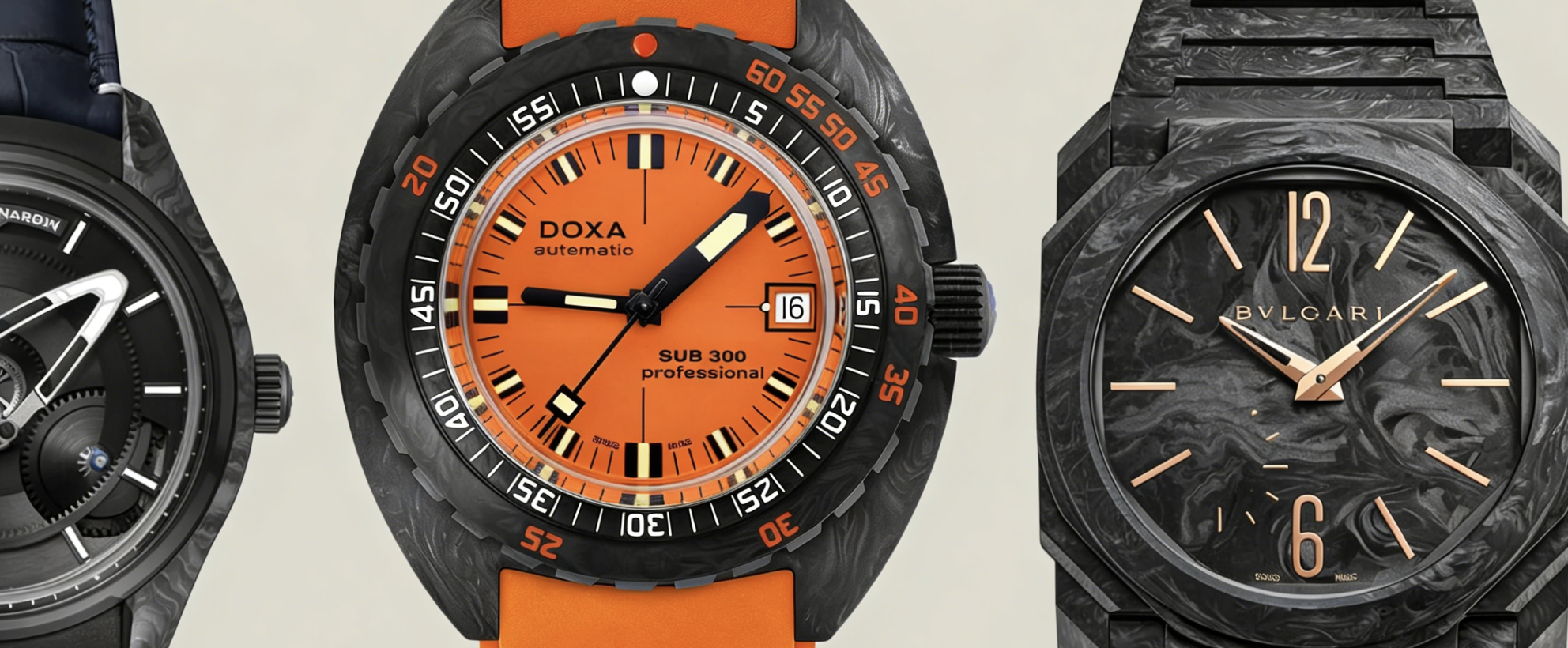
The forged carbon fiber texture — chopped fibers oriented in random directions — is exactly what makes this thickness range work for small precision parts. You don’t need to manage fiber direction. The chaotic visual pattern pulls double duty: it’s structural and good-looking at the same time.
Working range: 1–3mm. The minimum viable thickness is 1mm. You can sand and fettle features down to 0.5mm, but no further. Material disappears fast at that scale. Factor that into your geometry before you start cutting.
For watch components and knife scales, the carbon fiber flat sheet panel at 1–2mm comes in at 1.5–1.58 g/cm³. That’s about 45% lighter than aluminum at 2.73 g/cm³. The difference isn’t just a spec — you feel it in your hand. People notice it right away.
Custom CAD-to-Plate Production
The process is simple. Submit your CAD file, specify your thickness (1–10mm range), and the compression mold takes care of the rest — chopped carbon fiber, epoxy resin, tolerances held tight through the full molding cycle.
Hard design constraints to plan around:
– Minimum wall thickness: 1mm
– Maximum panel size: around 500 × 500mm (depends on mold)
– Minimum feature detail: 0.5mm post-finishing
Keep all openings at 0.5mm or wider. Add R-corners wherever the geometry piles up stress. Stay inside the size envelope — or break the design into joinable panels. Get these rules into your CAD from day one, and the material will behave exactly as expected.
Frequently Asked Questions: Forged Carbon Fiber Sheets & Plates
These questions come up all the time — from first-time buyers, seasoned fabricators, and engineers who’ve spent years with composites but never touched forged material. Direct answers. No filler.
Is forged carbon fiber stronger than woven carbon fiber?
It depends on what “stronger” means to you. Forged carbon fiber is compression molded from chopped fiber and epoxy. That makes it isotropic — load hits from any direction and the material handles it about the same. Woven carbon fiber is anisotropic: strong along the fiber axis, weaker across it. Complex shapes and multi-directional stress? Forged is the better choice. Pure tensile load on a single axis? A well-oriented woven layup can match it.
Why does forged carbon fiber have that marbled look?
It comes down to compression molding. Heat and pressure push through the resin-infused chopped fiber stack. The resin flows. The fibers shift. They don’t line up in a neat, consistent pattern the way woven fabric does. That random movement produces the distinctive marbled, swirling finish. It’s not a design trick. It’s a direct print of the manufacturing process — you’re seeing exactly what happened inside the mold.
What’s the minimum thickness I can work with?
1mm for structural use. You can sand features down to 0.5mm, but that’s the hard limit. Material disappears fast at that scale, and structural integrity drops with it. Don’t plan around 0.5mm — treat it as a last resort.
How is forged carbon fiber made?
Seven steps:
-
Carbonization at 2000°C+
-
Weaving
-
Heat-setting
-
Resin impregnation
-
Compression molding
-
Curing at 300–400°C
-
Final cutting
The compression stage is what sets forged composite apart from standard prepreg laminate. That’s where the material gets its structure and its look.
Can I get custom sizes?
Yes. Submit a CAD file, specify your thickness (1–10mm is the standard range), and confirm mold geometry. Standard custom work runs 32–40 days total.
What resin system is used?
Epoxy, almost without exception. It bonds to the fiber matrix, holds up against moisture and UV, and handles the thermal cycling that aerospace and automotive work demands. The mix ratio between resin and hardener has to be exact. A few percent off and you get parts that are soft or fail to cure fully. There’s no margin for error there.
Conclusion
Forged carbon fiber isn’t a material you settle for — it’s one you choose on purpose.
Building a racing drone frame that needs to survive a 60mph impact? Machining knife scales that demand visual drama and structural integrity? Sourcing lightweight structural panels for a low-volume automotive project? The right forged carbon fiber sheet specification makes or breaks the outcome.
Thickness tolerances matter. Fiber volume fraction matters. Resin system matters. These details aren’t footnotes. They’re the difference between a part that performs and one that fails at the worst possible moment.
You now have the spec knowledge, the processing fundamentals, and the supplier criteria. No more second-guessing every decision.
Contact HyperX Carbon – Your Trusted Chinese Carbon Fiber Partner
Ready to source high-performance carbon fiber materials or custom forged carbon fiber parts from China?
HyperX Carbon is a leading manufacturer with 20+ years of expertise, specializing in aerospace-grade forged carbon fiber, prepreg, tubes, sheets, and lightweight automotive/drone/medical components. We offer:
-
Stable supply chain with premium raw materials (Toray, Mitsubishi, Hengshen)
-
AS9100D certified production for aerospace & UAV applications
-
Rapid prototyping (5-8 weeks) and monthly capacity exceeding 180,000 parts
-
Competitive pricing with 15-18% cost savings on forged carbon solutions
-
Full customization: from T700/T1100G to ultra-high modulus grades
Whether you’re an eVTOL developer, automotive OEM, drone manufacturer, or medical device engineer, HyperX delivers consistent quality, batch-to-batch reliability, and reliable delivery.
Get in touch today for a free consultation, custom quote, or material sample.
📧 Email: [email protected]
🌐 Website: https://www.hyperxcarbon.com/
📞 Phone/WhatsApp: +86 15623270276 (English support available)
Let’s build your next lightweight innovation together – contact HyperX Carbon now and stay ahead in the low-altitude and advanced composites market.




