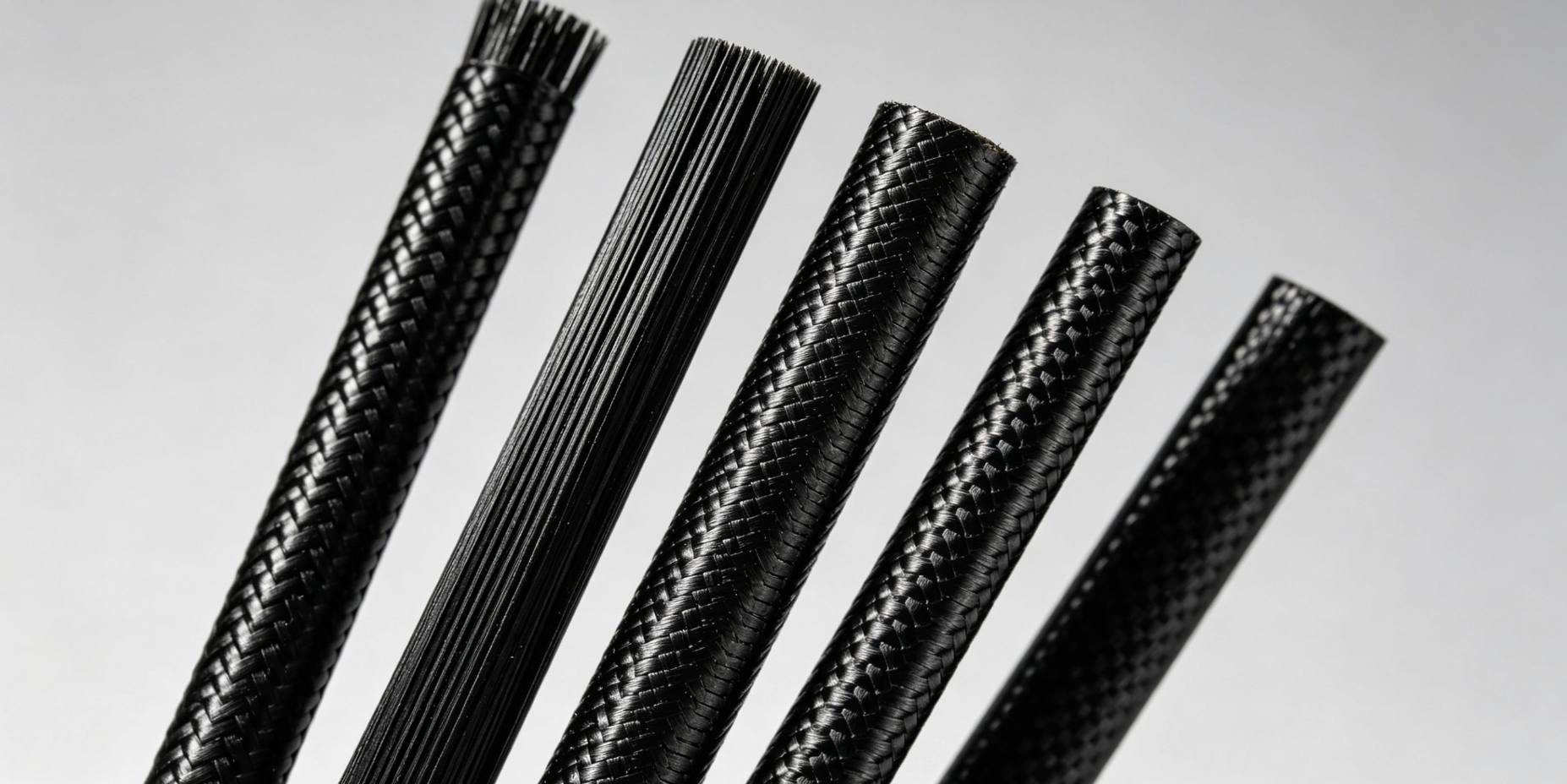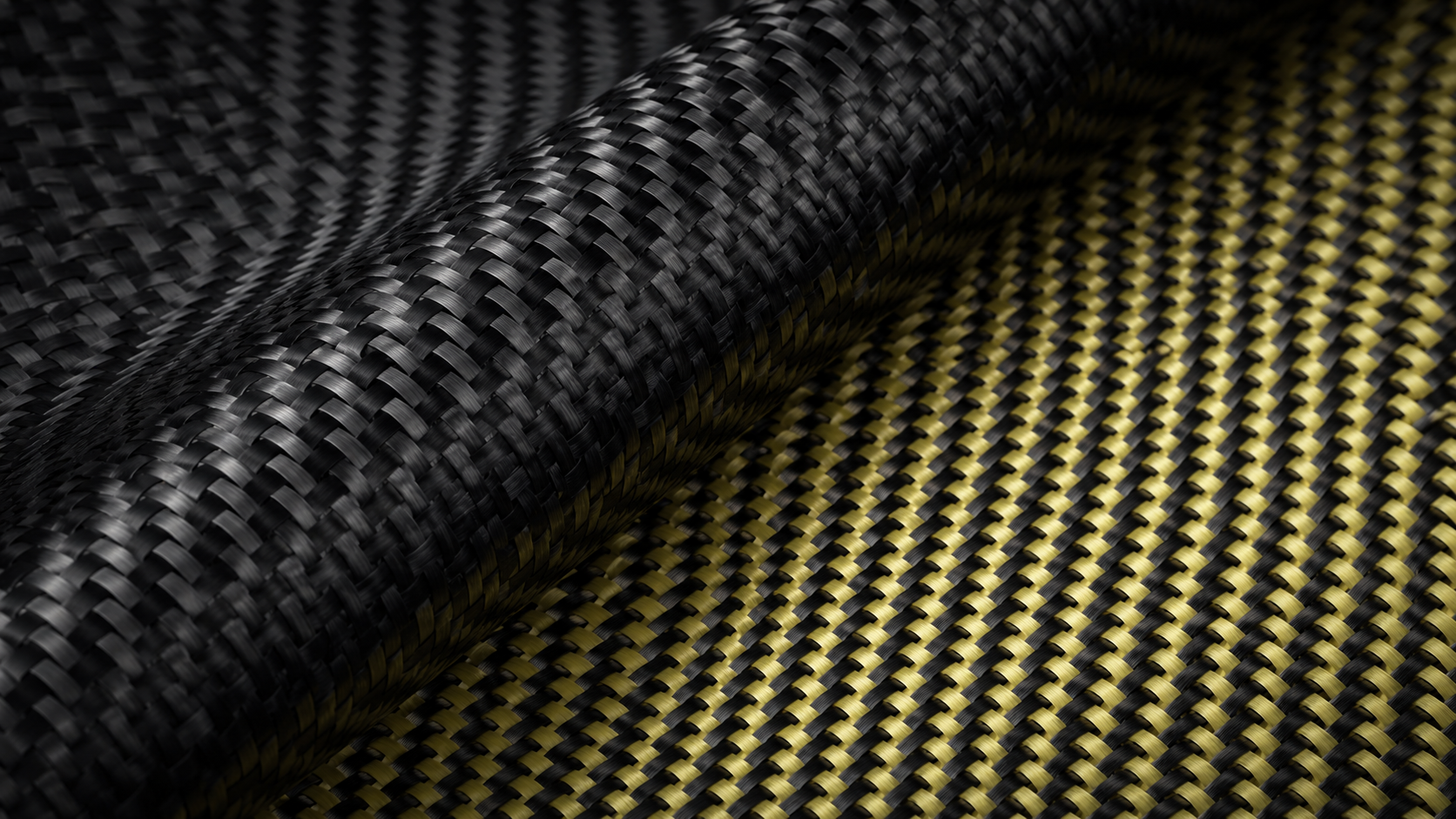
Pick up a carbon fiber tube and an aluminum rod of the same size. The carbon fiber one will feel surprisingly light — like someone handed you a prop. Now squeeze them both. Load them both. Push them to their limits. The story gets far more interesting than simple weight.
The question is carbon fiber stronger than aluminum sounds simple. But the honest answer depends on what kind of “strong” you mean — tensile strength, stiffness, impact resistance, or the strength-to-weight ratio that aerospace engineers obsess over.
This guide cuts through the marketing noise with real mechanical data, side-by-side comparisons, and practical application guidance. You’ll walk away with a material selection you can stand behind.
The Short Answer: How Carbon Fiber and Aluminum Stack Up on Strength

The numbers make it clear: carbon fiber hits a tensile strength of 2,900 MPa — aluminum maxes out at 100–400 MPa. That’s not a small gap. That’s a different league.
Raw tensile numbers only go so far, though. The figure engineers care about most is specific strength — how much load a material handles relative to its own weight. Carbon fiber scores 647 kN·m/kg here. Aluminum scores 166. That’s 3.8 times stronger per gram.
Build a carbon fiber part to match aluminum’s strength, and you get something 50–70% lighter. Keep the same dimensions, and you gain 60% more strength with 42% less weight — at the same time.
Aluminum has its own edge, though. Under overload, it bends. Carbon fiber cracks. That ability to deform before failure isn’t a flaw — in high-impact applications, it can mean the difference between a dent and a disaster.
So here’s the short answer: carbon fiber is stronger and lighter. Aluminum is tougher and more forgiving. Which one wins comes down to what your design needs most from the material.
Carbon Fiber vs. Aluminum: Key Mechanical Properties Compared
Numbers don’t lie — but they need context. Raw mechanical data means little until you see what it costs you in weight, rigidity, and real-world performance. So let’s go through the properties that matter, one by one.
The Core Data, Side by Side
|
Property |
Carbon Fiber |
Aluminum |
CF Advantage |
|---|---|---|---|
|
Tensile Strength |
1,035–6,000 MPa |
310–572 MPa |
Up to 10× |
|
Elastic Modulus (GPa) |
70–706 GPa |
69–79 GPa |
Up to 4× |
|
Density (g/cm³) |
1.6 |
2.7 |
40% lighter |
|
Specific Strength |
647–785 kN·m/kg |
166 kN·m/kg |
3.8–4.7× |
|
Specific Stiffness |
43.8–166 |
25.6 |
1.7–6.5× |
The column worth your attention isn’t tensile strength — it’s specific strength. This ratio compares load capacity to material weight. Aerospace engineers treat it as the most critical figure. Carbon fiber’s specific strength runs 3.8 to 4.7 times higher than aluminum’s. That gap is structural, not cosmetic.
What Stiffness Numbers Mean in Practice
Carbon fiber’s modulus of elasticity ranges from 70 GPa to 706 GPa. The upper range depends on fiber grade and is well beyond what most structural metals offer. Aluminum stays flat at 69–79 GPa across the board.
In directional layups, carbon fiber’s specific modulus reaches 113–380. Aluminum’s sits at 26. That’s not a small step up. These two materials belong in different mechanical categories.
Here’s what that means for a real design decision:
-
A 7mm carbon fiber plate delivers the same stiffness as a 4mm aluminum plate
-
The carbon fiber version weighs 40–60% less
-
Same rigidity. Far less mass.
Overall, carbon fiber structures run 40% lighter than aluminum structures at equal mechanical performance. Weight-for-weight, carbon fiber delivers 2 to 5 times the rigidity.
The One Place Aluminum Still Wins
Carbon fiber stiffness is hard to beat. Its impact resistance is a different story. Aluminum deforms under sudden overload — it bends, absorbs energy, and gives you a visible warning before failure. Carbon fiber doesn’t work that way. It holds its shape right up to the breaking point, then fractures without warning.
That difference matters a lot in environments with crash loads, vibration, or unpredictable stress. Aluminum’s ability to bend without breaking isn’t a flaw — it’s a deliberate mechanical advantage. Carbon fiber can’t match it.
Knowing where each material performs best is what turns a data table into a solid material choice.
Specific Strength & Stiffness: Where Carbon Fiber Dominates

Specific strength is the metric that separates materials science from materials marketing. It’s where carbon fiber stops competing with aluminum — and starts leaving it behind.
Specific strength measures tensile strength divided by density. Aerospace engineers rely on this number for weight-sensitive decisions. Carbon fiber scores 647 km. Aluminum scores 166 km. Those two numbers tell the whole story.
Specific strength is only part of the picture, though. Specific stiffness — rigidity per unit of weight — shows how a material holds up under sustained load. Here, carbon fiber’s lead gets even bigger.
Stiffness That Scales With the Application
Standard carbon fiber delivers a specific stiffness of 46.7 GPa/(g/cm³). Aluminum lands at 25–53, but the upper end of that range comes with much lower strength. The gap becomes clear in directional applications:
-
Unidirectional carbon fiber reaches 380–441 GPa modulus along the load direction — up to 5–10× stiffer than aluminum at the same weight
-
A balanced 0/90° laminate achieves 70 GPa tensile modulus at 600 MPa strength — beating aluminum’s 69 GPa modulus at just 276 MPa
-
A 7mm carbon fiber plate matches the stiffness of a 4mm aluminum plate, at a fraction of the weight
That last point is worth repeating. Same rigidity. Far less mass.
The Anisotropy Trade-Off
Carbon fiber’s stiffness depends on direction. That’s not a weakness — it’s a design tool. Point the fiber orientation along the load path. Keep fiber volume fraction above 70%. You get the full specific stiffness advantage. Go against the grain, and those numbers drop.
That’s why fiber layup engineering matters just as much as the raw material.
HyperXCarbon’s composite boards and tubes are built around this principle. They reach 400 km specific strength and 46.7 specific stiffness at just 1.5 g/cm³ density. No conventional metal comes close for weight-critical designs.
Where Aluminum Has the Edge: Impact Resistance, Ductility & Machinability
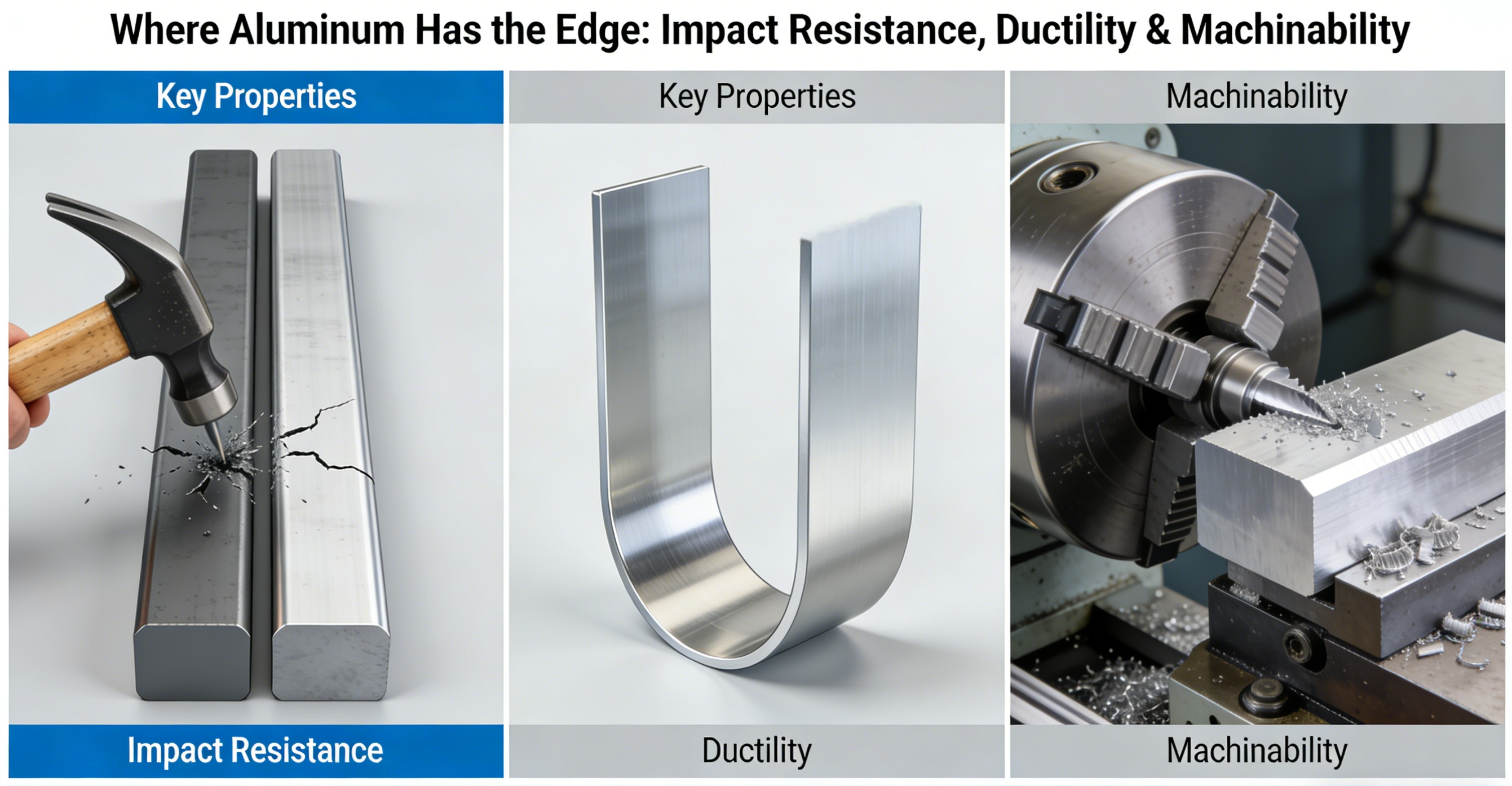
Aluminum doesn’t win on tensile strength. It wins on survival.
That distinction matters more than most comparison guides admit. A load can exceed design limits — in a crash, a dropped component, an unexpected shock. At that moment, the material’s response decides whether the failure is manageable or catastrophic.
Aluminum bends. Carbon fiber breaks.
That’s not poetic shorthand. It’s a mechanical reality with real data behind it. Aluminum 6061-T6 stretches 12–17% before failure. It deforms in visible, gradual stages. You see the warning signs before things go wrong. Carbon fiber gives you no such warning — it holds its shape right to the fracture point, then fails all at once.
Impact Toughness: The Numbers Behind the Bend
In Charpy V-notch impact testing, AA5056 rolled aluminum records a specific work to fracture of 395 kJ/m². Push it further — shock compression reaching 22 GPa — and aluminum alloys including 6061 variants still yield without brittle failure. Shear stress stays below yield strength. The material deforms in a controlled way instead of collapsing suddenly.
Aluminum foam structures take this even further. Closed-cell aluminum foam at 0.45 g/cm³ cuts impact force by 67% and displacement by 35% in infrastructure protection applications. The material spreads energy across the entire deformation zone. Carbon fiber composites can’t do that.
Machinability: Where Aluminum Saves Time and Money
6061-T6 and 5056 alloys are easy to work with in ways that carbon fiber isn’t. You can CNC-machine them with clean results, weld them without issues, and form them without special tooling or dust-management protocols. That matters a lot on the shop floor.
For prototyping or high-volume production, consistency is critical. Aluminum’s process variation stays under tight control through heat treatment. So you get reliable, repeatable results — without blowing your budget or pushing lead times.
The bottom line: aluminum isn’t the stronger material by the numbers. But controlled failure, impact absorption, and low-cost manufacturing are real priorities in many applications. In those cases, aluminum earns its place.
Real-World Applications: Carbon Fiber vs. Aluminum

Material selection doesn’t happen in a vacuum. It happens in a design meeting, under deadline pressure, with a weight budget that’s already been exceeded twice. The right answer isn’t “carbon fiber is stronger.” It’s “carbon fiber is right here, in this application, for these reasons.”
That’s where the data becomes a decision.
Aerospace: Every Gram Has a Job
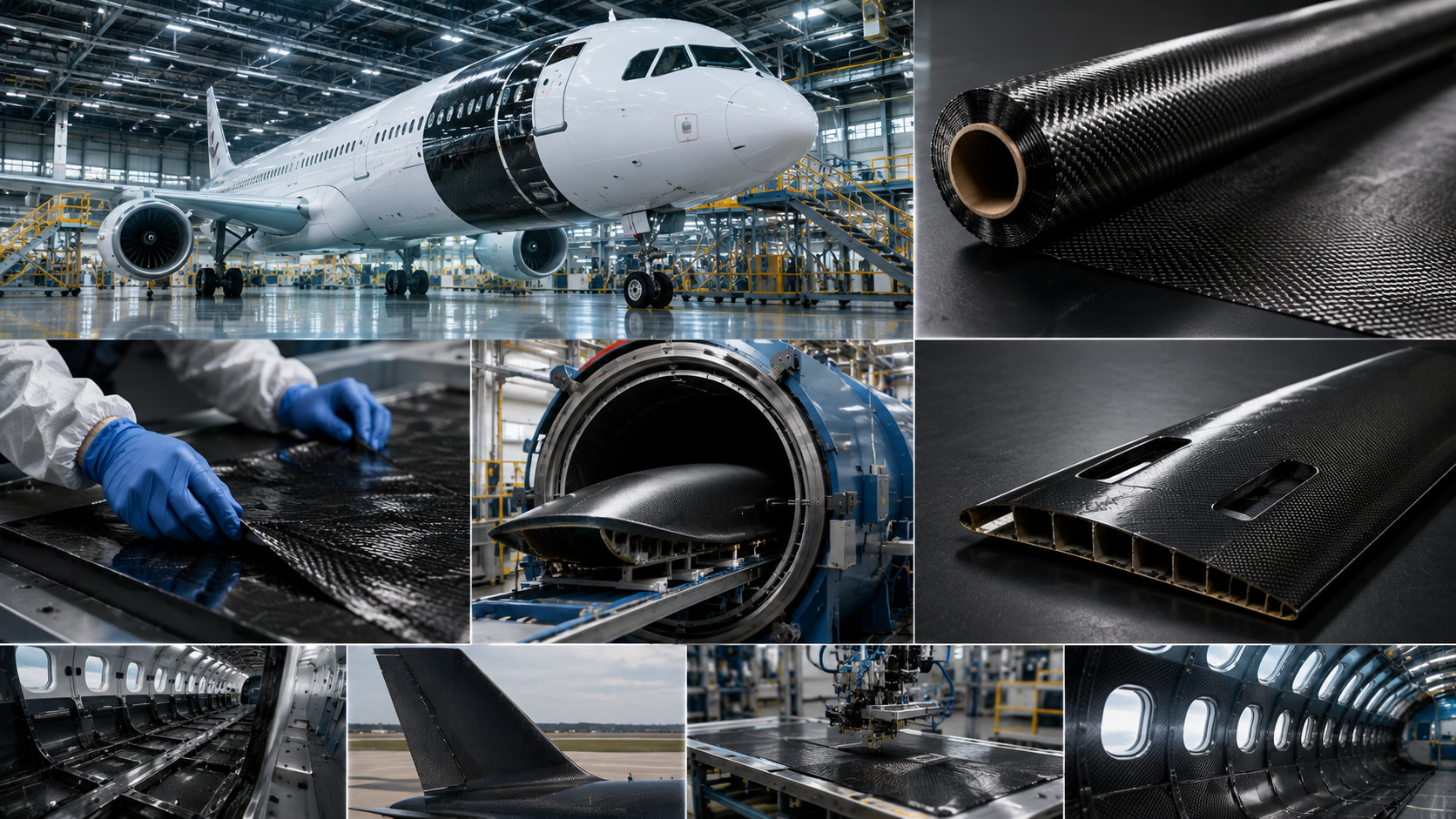
The Boeing 787 Dreamliner cut 20% of its weight using carbon fiber composites. That single number translated into real fuel savings, longer range, and lower operating costs per flight. Interior cabin panels use carbon fiber for a different reason: its vibration-damping characteristics cut cabin noise and boost passenger comfort in ways aluminum can’t match.
Aluminum still holds its ground in certain areas. High-pressure structural zones and engine components need heat tolerance up to 150°C — that’s where aluminum-lithium alloys take over. Carbon fiber’s resin matrix starts to soften between 120–200°C. Check the thermal range first. It’s non-negotiable before you spec carbon fiber in aerospace work.
Drones and UAVs: The Weight Math Is Clear
Carbon fiber sheets run 40–50% lighter than aluminum at the same volume for drone frames. In unmanned systems, that weight reduction isn’t just cosmetic. It extends flight time, raises payload capacity, and sharpens maneuverability. You can also engineer fiber orientation to align with the frame’s primary load paths. No isotropic metal gives you that kind of design control.
High-Performance Automotive and Cycling
Cutting unsprung and total vehicle weight improves acceleration, braking, and handling — all at once. Carbon fiber also holds up well under cyclic loading. That means longer service life in parts that go through thousands of repeated stress cycles: suspension elements, chassis rails, and structural panels.
The Decision Framework
|
Choose Carbon Fiber |
Choose Aluminum |
|---|---|
|
Weight has a direct impact on performance |
High-temperature exposure is a factor |
|
Cyclic or tensile fatigue resistance is critical |
Frequent machining or rework is expected |
|
Corrosive environments need long-term durability |
Impact energy absorption is the priority |
|
Directional stiffness needs to match load paths |
Uniform, isotropic strength is required |
|
Vibration damping matters |
Budget or recyclability is a constraint |
The pattern holds across aerospace, motorsport, cycling, and UAVs. Weight, stiffness, and fatigue life as top priorities? Carbon fiber wins the spec. The design needs crash absorption, heat resilience, or cost-controlled production? Aluminum earns its place.
No material wins across the board. For weight-critical, performance-first applications, though, the gap between the two is hard to ignore.
Carbon Fiber vs. Aluminum Cost: Is the Performance Worth the Price?

The price tag is where most carbon fiber conversations stall.
Raw carbon fiber runs $30–$85/kg. Aluminum costs $0.67–$2/kg. That’s not a rounding error — it’s a 45× gap before a single part gets made. Fabrication widens it further. Carbon fiber parts need precision molds, prepreg layup, and autoclave curing. Those steps push fabrication costs 2–5× higher than aluminum. With aluminum, you can CNC-machine, extrude, or cast parts using standard automated tooling.
So yes — carbon fiber costs far more upfront. The real question is whether the math changes over time.
The Lifecycle Reframe
In aviation and motorsport, it often does. A 20–30% weight reduction from carbon fiber delivers 5–10% fuel efficiency gains. Over a 10-year aircraft lifecycle, that adds up to $1M+ in fuel savings per plane. That’s enough to cover a 2–3× material premium with room to spare.
F1 teams make this case even sharper. A carbon fiber chassis saves 100–200 kg over aluminum. That translates to 1–2 seconds per lap. At that level, a $50,000+ premium pays for itself through race results and sponsorship value.
For consumer products, the math gets more personal:
-
Bike frames: Carbon fiber starts at $1,500+; aluminum runs $300–500
-
Automotive hoods: Carbon fiber costs $5,000+ vs. aluminum’s $1,000 — a 10% efficiency gain closes that gap around 50,000 miles
-
Camera rigs: Carbon fiber costs 2× more and weighs 40% less — a clear win for professionals shooting every day
Where Aluminum Holds the Budget Line
Carbon fiber carries hidden costs that never show up on the invoice. Repairs run 40% higher than aluminum — and more often, you’re replacing the whole part rather than patching it. At end of life, recycling recovers about ~30% of carbon fiber’s value. That adds 10–20% in lifecycle cost. Aluminum, by contrast, recycles at 75% efficiency with 95% energy recovery.
Above 1,000 units, aluminum’s lower tooling cost and scalable production tend to win on straight economics. Carbon fiber earns its price in performance-driven applications — where weight is a real currency, and every gram you cut pays off in speed, efficiency, or endurance.
The honest answer: carbon fiber isn’t cheap. But in the right application, it isn’t expensive either — it’s an investment with a measurable return.
FAQ: Quick Answers to the Most Common Carbon Fiber vs. Aluminum Questions
These questions show up in engineering forums, procurement meetings, and late-night design sessions. Here are straight answers, backed by real numbers.
Is carbon fiber lighter than aluminum?
Yes. Carbon fiber weighs 1.6 g/cm³ versus aluminum’s 2.7 g/cm³. Same volume, same dimensions — carbon fiber comes out 40–50% lighter. Every time.
Is carbon fiber stronger?
By tensile strength, yes — by a wide margin. Carbon fiber composites reach up to 6,000 MPa. Aluminum alloys top out around 572 MPa (7075 grade). That’s up to 10× the tensile strength. Weight-for-weight, carbon fiber is still 2–5× stronger.
Which material is stiffer?
Carbon fiber. Its modulus runs 70–294 GPa versus aluminum’s 69–79 GPa. At equal weight, carbon fiber delivers up to 4× greater stiffness.
Does carbon fiber conduct heat or electricity like aluminum?
No — and the gap is large. Aluminum conducts heat 40× better (130–205 W/m·K vs. carbon fiber’s 5–10). For electrical conductivity, aluminum runs at 40–65% IACS. Carbon fiber sits far behind at just 0.5–1%. Your application needs thermal or electrical performance? Aluminum is the clear choice.
Which material holds its shape better under repeated load?
Carbon fiber springs back to its original form after loading. Aluminum deforms for good once it crosses its yield point. For fatigue-critical parts, that gap matters more than raw strength numbers.
Summary: Which Material Should You Use?
Your requirements document has the answer. Not the material itself.
Carbon fiber leads on the metrics that matter most for weight-critical design. Tensile strength tops 3,500 MPa. Density sits at 1.6 g/cm³. Specific strength hits 4× aluminum’s. Run it through a decision matrix scoring performance, cost, manufacturability, and sustainability — carbon fiber composites score 8.5 out of 10. Aluminum falls short.
The right material is the one that solves your problem:
-
High strength + low weight? Carbon fiber. Full stop.
-
Impact absorption or crash energy? Aluminum’s ductility earns it the job.
-
High-volume, low-cost production? Aluminum’s machinability wins on cost.
Aerospace, UAV frames, performance cycling — these are all areas where weight has a direct cost on performance. In those cases, carbon fiber isn’t the premium pick. It’s simply the logical one.
Conclusion
The data doesn’t lie — strength-to-weight ratio is where carbon fiber wins. Not by a little. By a lot. But the smarter question was never “which material is stronger?” It was always “stronger for what?”
Carbon fiber shines where every gram counts — aerospace frames, performance automotive parts, drone components. Aluminum holds its ground where impact resistance, ease of machining, and tight budgets drive the call. Neither material beats the other in every case. Both do their job well.
So here’s your next step. Stop comparing on paper. Start comparing against your actual project needs:
-
Weight targets — how light does it need to be?
-
Load conditions — what stress will it take?
-
Production volume — how many units are you making?
-
Budget ceiling — what can you actually spend?
Contact HyperX Carbon – Your Trusted Chinese Carbon Fiber Partner
Ready to source high-performance carbon fiber materials or custom forged carbon fiber parts from China?
HyperX Carbon is a leading manufacturer with 20+ years of expertise, specializing in aerospace-grade forged carbon fiber, prepreg, tubes, sheets, and lightweight automotive/drone/medical components. We offer:
-
Stable supply chain with premium raw materials (Toray, Mitsubishi, Hengshen)
-
AS9100D certified production for aerospace & UAV applications
-
Rapid prototyping (5-8 weeks) and monthly capacity exceeding 180,000 parts
-
Competitive pricing with 15-18% cost savings on forged carbon solutions
-
Full customization: from T700/T1100G to ultra-high modulus grades
Whether you’re an eVTOL developer, automotive OEM, drone manufacturer, or medical device engineer, HyperX delivers consistent quality, batch-to-batch reliability, and reliable delivery.
Get in touch today for a free consultation, custom quote, or material sample.
📧 Email: [email protected]
🌐 Website: https://www.hyperxcarbon.com/
📞 Phone/WhatsApp: +86 15623270276 (English support available)
Let’s build your next lightweight innovation together – contact HyperX Carbon now and stay ahead in the low-altitude and advanced composites market.