Carbon fiber sheet pricing looks simple at first. Then you search, and you see numbers from $15 to $800+ for what appears to be the same material — that gap is real, and it’s not random.
Several factors push the price up or down:
-
Thickness — thicker sheets cost more material and more processing time
-
Weave pattern — plain weave, twill, and unidirectional each carry different price points
-
Resin system — epoxy grade and cure method affect both cost and performance
-
Fiber grade — aerospace-grade carbon costs far more than standard industrial fiber
-
Order volume — larger orders bring the unit price down fast
So the same “carbon fiber sheet” listing at $15 and another at $800 can both be accurate. They’re just different products.
Sourcing plates for a drone frame? A motorsport part? An engineering prototype? Each use case points to a different spec — and a different price range. Knowing why prices shift helps you buy smarter, not just cheaper.
This guide covers real price ranges by thickness and size, the key factors that move the final number, and where to buy without overpaying.
Carbon Fiber Sheet Price Guide
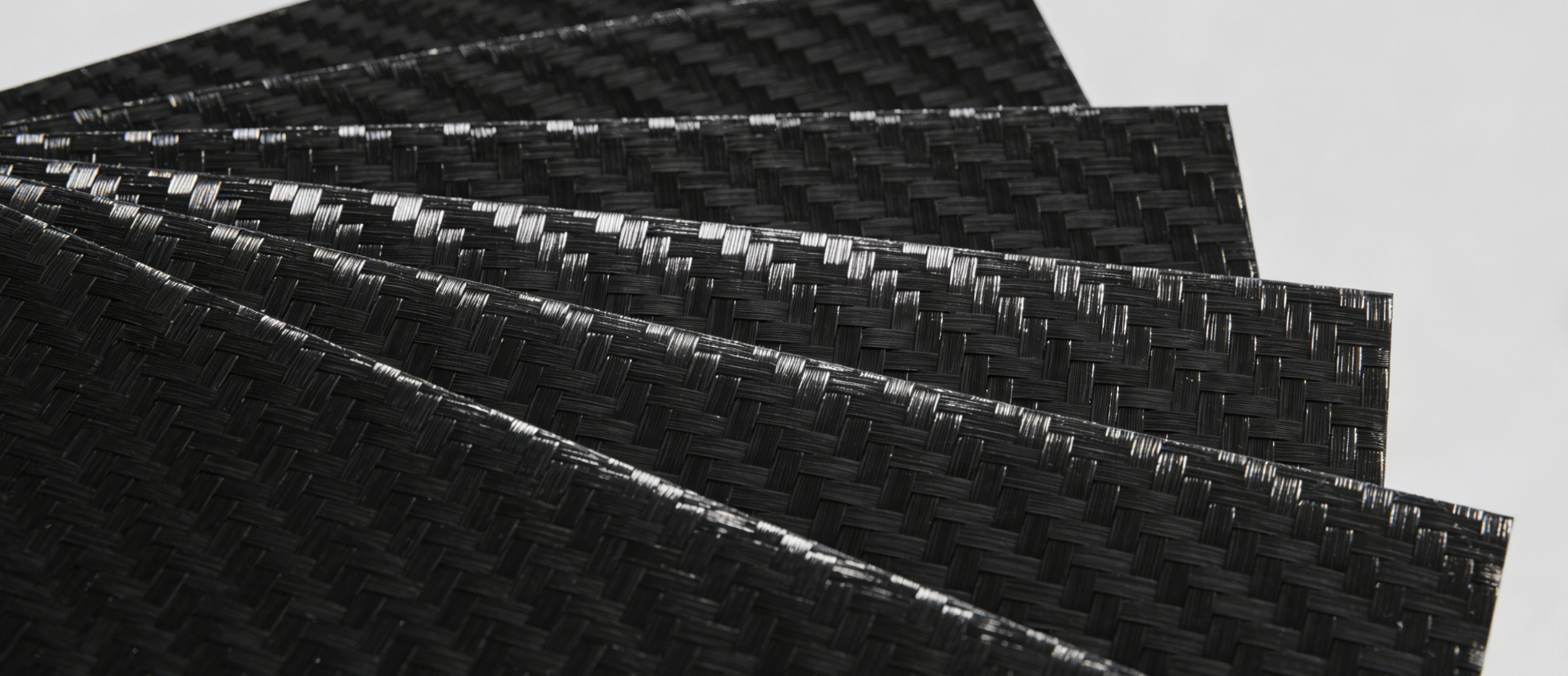
Here’s what the market looks like in 2026: global average prices run USD 85–260 per square meter. Aerospace-grade autoclave-cured sheets push past USD 320/sq m.
Location changes the price a lot:
|
Region |
Price Per Sq M (USD) |
|---|---|
|
North America |
$160–320 |
|
Europe |
$150–300 |
|
China |
$95–190 |
|
India |
$75–170 |
US and Canadian suppliers run 30–50% higher than Chinese manufacturers. That’s not because the material is better. It’s because labor, compliance, and shipping cost more.
At the product level, a 12×12″ sheet at 1/8″ thickness lands around $132. Scale up to 24×24″ at the same thickness, and you’re looking at $473. Size pushes cost up faster than most buyers expect.
Two numbers are worth knowing. Raw standard-modulus carbon fiber now costs $7–9 per lb — down from $150/lb a decade ago. That price drop hasn’t worked its way into retail pricing yet. Still, it shows where the cost floor is heading.
What Does Carbon Fiber Sheet Cost? (Price Overview by Market & Grade)
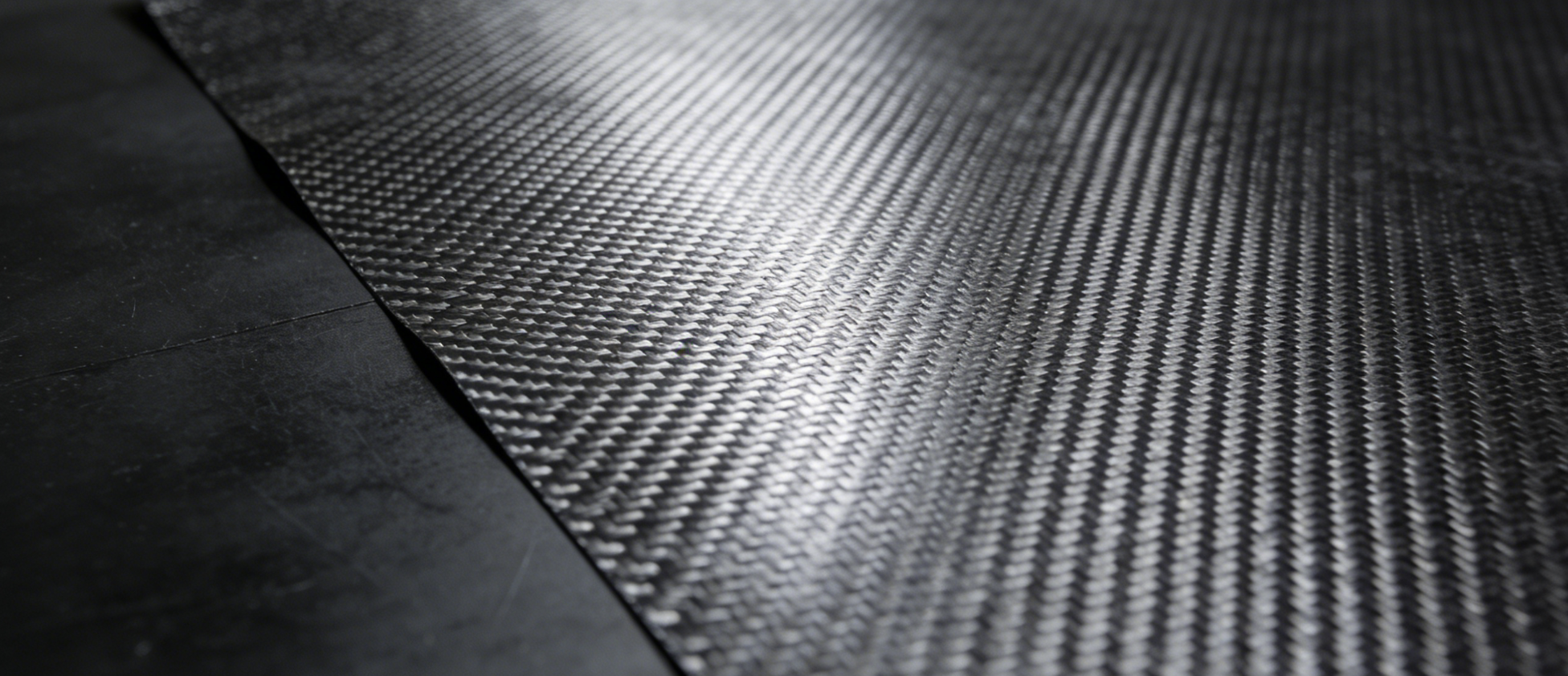
Grade is the variable most buyers ignore — and it’s the one that explains almost everything.
Carbon fiber sheet pricing falls into three clear tiers.
-
Standard modulus sheets sit at the entry level: USD 85–190 per square meter. These work well for industrial and EV applications where basic mechanical specs are enough.
-
Industrial and commercial grades run USD 95–260/sq.m. This is mid-strength material with epoxy binding, suited for automotive parts and sporting goods.
-
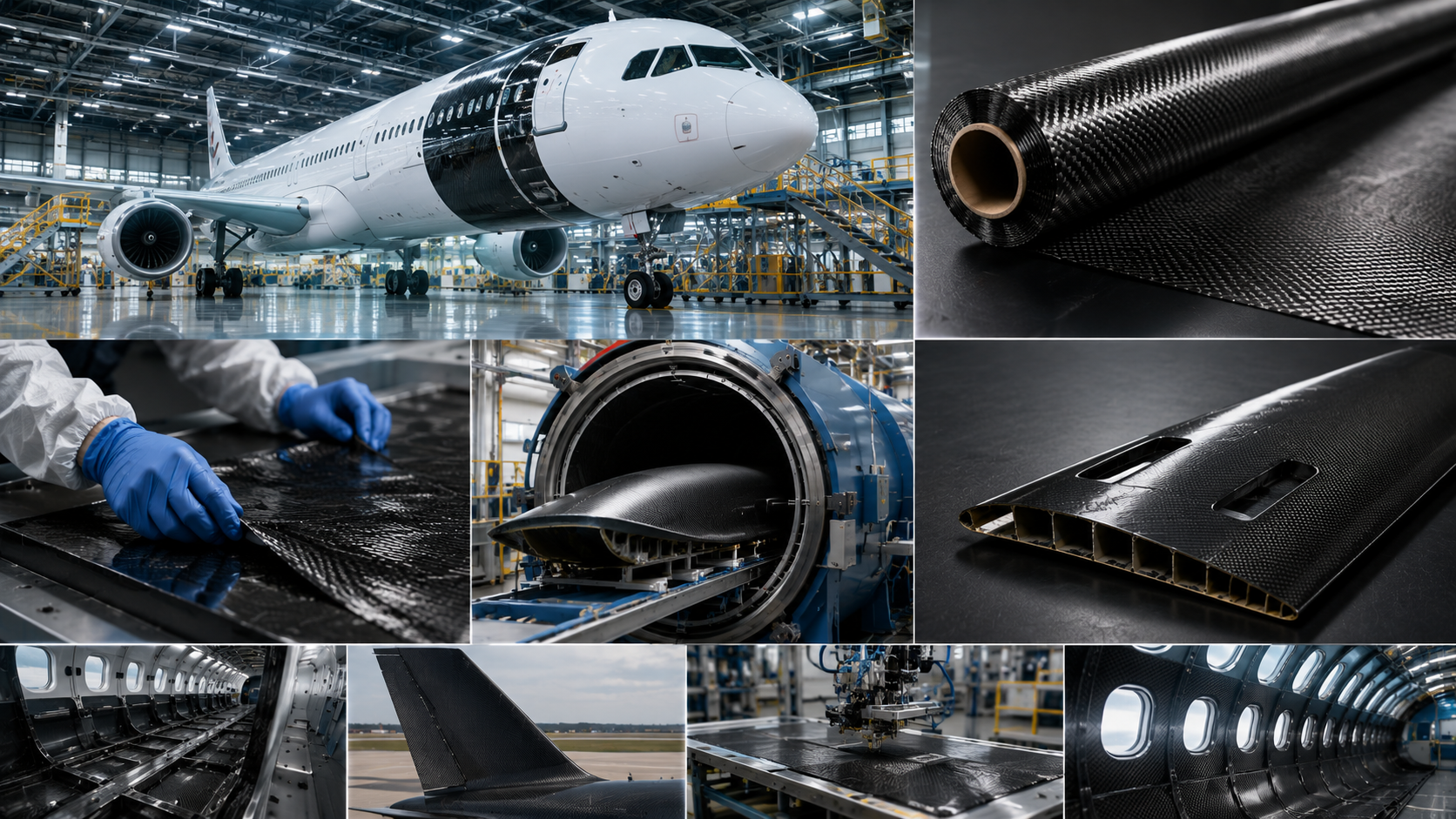
Aerospace-grade starts above USD 320/sq.m. It earns that premium through autoclave curing, precise fiber alignment, and certifications that defense and aviation contracts require.
That top tier isn’t expensive because of brand markup. Making it costs more — stricter quality control, higher energy use, and regulatory compliance in markets where cutting corners isn’t an option.
How Geography Moves the Number
Where a sheet is made can shift the final price by 40 to 50 percent.
|
Region |
Price Per Sq M (USD) |
|---|---|
|
North America |
$160–320 |
|
Europe |
$150–300 |
|
China |
$95–190 |
|
India |
$75–170 |
India and China produce at the low end of that range. Scaled production and lower labor costs drive those prices down — not lower material quality at the standard grade. North American and European prices carry compliance overhead, higher energy costs, and stricter production standards. You pay for that infrastructure.
One Conversion Worth Bookmarking
Wholesale listings quote per square meter. Retail listings quote per square foot. These two units are not interchangeable. Mix them up and your budget estimate breaks immediately.
1 sq.m = 10.764 sq.ft
A sheet priced at $30/sq.ft is $323/sq.m. That’s a big difference — and the unit your supplier chooses can make a price look much lower than it is.
Run the conversion before you compare prices across vendors. It takes ten seconds and saves real money.
Carbon Fiber Sheet Price by Thickness: From 1mm to 10mm+
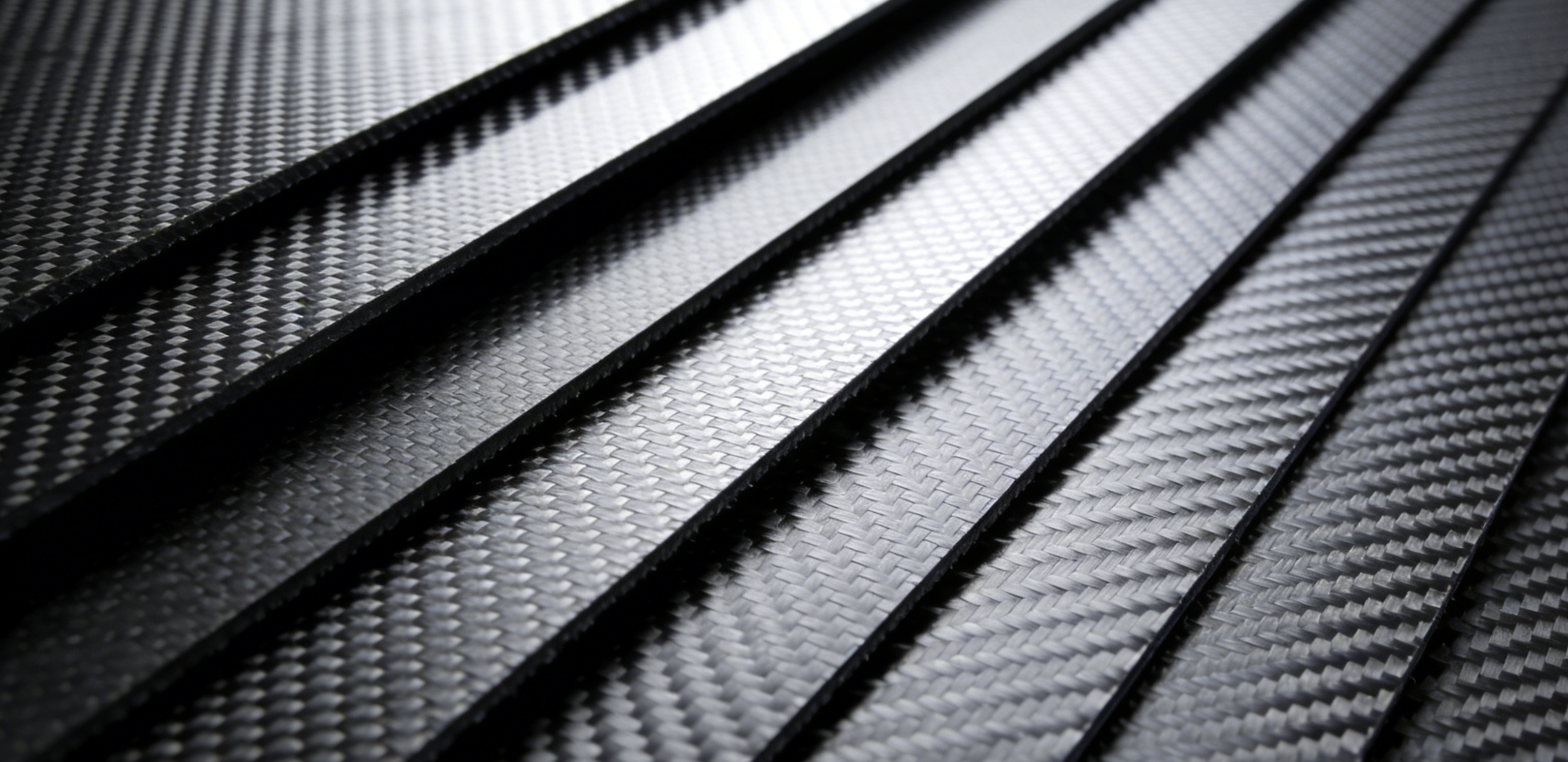
Thickness is the single best predictor of what you’ll pay. But the relationship isn’t linear — and that catches most buyers off guard the first time they do the math.
Here’s the pattern: price climbs fast at thinner sizes, then slows as you go thicker. Each millimeter from 1mm to 3mm adds 40% to the cost. From 3mm to 6mm, that rate drops to 25–30% per mm. Above 6mm, you’re looking at 15–20% per mm. Why? Fixed production costs — tooling setup, labor, curing infrastructure — spread across more material as sheets get thicker. So the jump from 1mm to 2mm hits harder than the jump from 8mm to 10mm.
Real Prices, Real Thicknesses
Standard commercial sheets run 0.5mm to 25mm. Some specialized suppliers extend that range from 0.2mm to 60mm custom. The most common stock sizes are 1mm, 3mm, 5mm, 8mm, and 10mm.
Small-format sheets (6″ × 6″ range):
|
Thickness |
Price (USD) |
Cost per mm |
|---|---|---|
|
1/16″ (1.6mm) |
$29.03 |
$18.14 |
|
1/8″ (3.2mm) |
$40.32 |
$12.60 |
|
3/16″ (4.8mm) |
$56.50 |
$11.77 |
|
1/4″ (6.4mm) |
$69.89 |
$10.92 |
Large-format sheets (12″ × 12″ and up):
|
Thickness |
Price (USD) |
Cost per mm |
|---|---|---|
|
1/16″ (1.6mm) |
$168.75 |
$105.47 |
|
1/8″ (3.2mm) |
$250.56 |
$78.30 |
|
3/16″ (4.8mm) |
$375.81 |
$78.35 |
|
1/4″ (6.4mm) |
$481.69 |
$75.26 |
For 1mm sheets, budget $125–$309 depending on format (600×500mm to 1000×500mm). On the thicker end, 10mm sheets from European suppliers run €675–€1,349 for sizes from 620×620mm to 1220×620mm.
Bulk pricing changes the picture entirely. Factory orders of 20+ pieces in 3K twill weave drop to $1.99–$2.99 per sheet across 1mm–10mm thicknesses. That’s not a typo.
Why Thicker Costs More to Make
Each extra millimeter isn’t just more fiber. It’s more process at every step.
-
Layer count: each additional mm needs 3–5 extra fabric plies
-
Resin consumption: thicker sheets require more epoxy to saturate the full fiber stack
-
Curing time: high-pressure curing adds 2–4 hours per mm of thickness
-
Tolerance control: holding ±0.1mm tolerance means more quality checks at every stage
For prototyping or non-structural parts, 1/16″ (1.6mm) at $29–$125 is the natural starting point. Moderate structural needs push you to 1/8″ (3.2mm) at $40–$250. Load-bearing or impact-critical parts belong at 5mm and above — that’s where the per-mm cost curve starts to work in your favor.
One more number worth knowing: going from a 6×6″ sheet to a 24×24″ sheet can cut your per-unit cost by 60–70%. Your project allows for larger stock that you cut down yourself? That math is hard to pass up.
Price Breakdown by Size and Weave Type (Twill vs Plain vs Unidirectional)
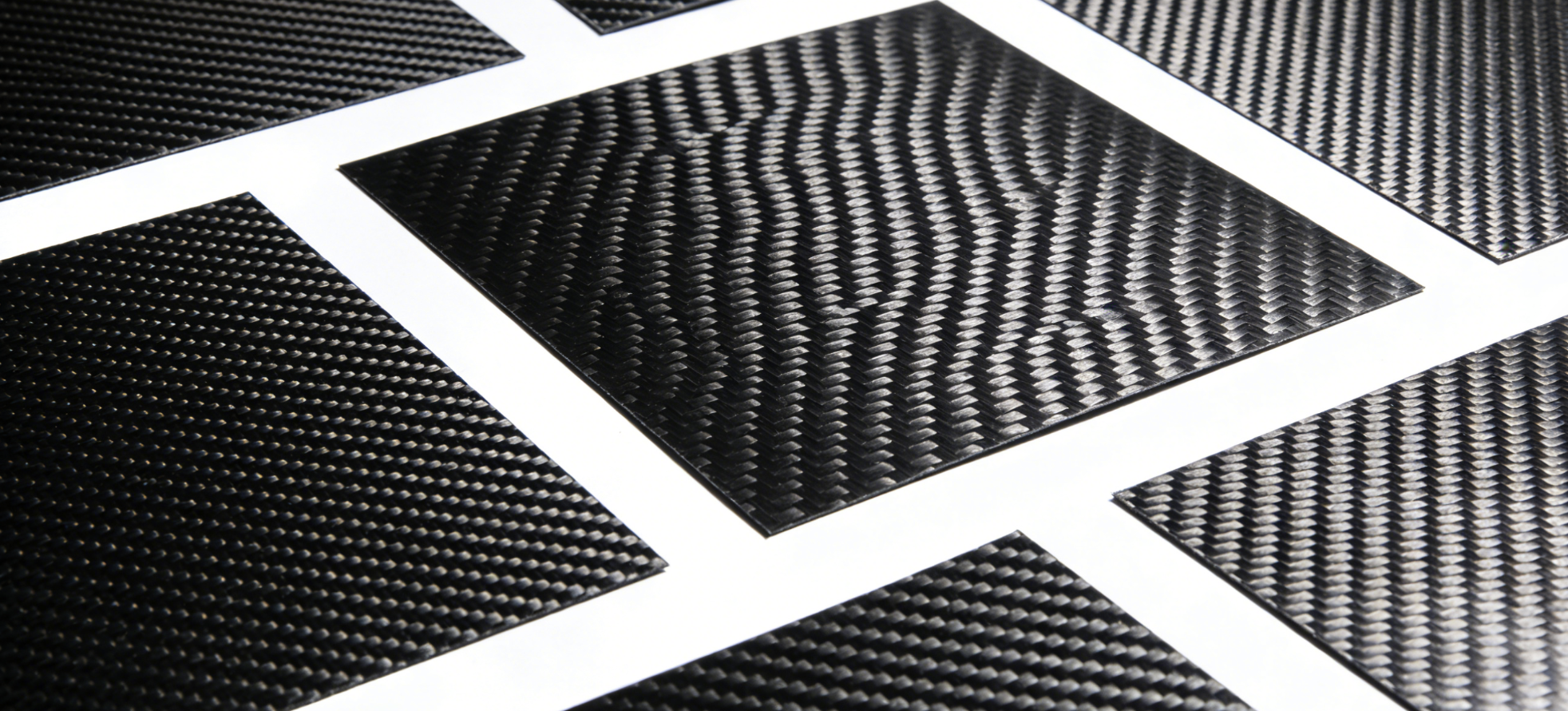
Weave pattern looks like a cosmetic choice at first. Then you hit a pricing page and see two sheets with the same dimensions priced worlds apart. That’s when it clicks — weave type changes the cost in real ways.
All three weave types — plain, twill, and unidirectional — sit at different price points. The gap between them is bigger than most buyers expect.
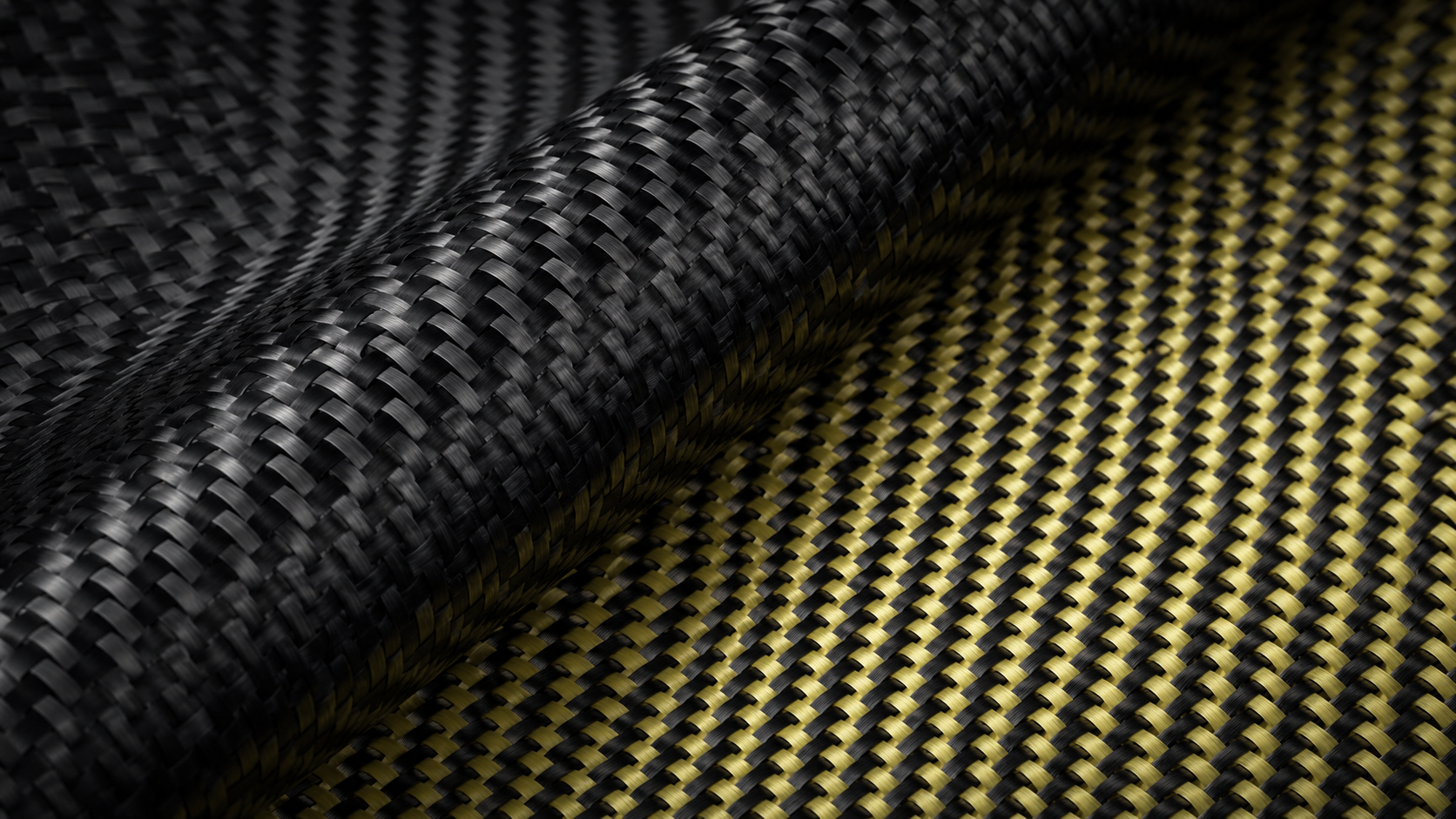
Plain weave is the baseline. Fibers cross at clean 90-degree intervals, which makes it the most rigid of the three. That stiffness is a feature, not a flaw. Flat panels and structural parts need stability over flexibility. Plain weave delivers that. It’s also the most affordable option, which is why buyers often default to it without much research.
Twill weave runs 10–20% higher than plain at the same size and thickness. That extra cost buys you real flexibility. Twill bends over curved surfaces without fighting back. It works well on automotive bodywork and exterior parts. It also has that classic diagonal pattern most people picture with carbon fiber. Price, flexibility, strength — twill sits in the middle on all three.
Unidirectional (UD) takes a different approach. Fibers all run in one direction. That makes UD very strong along that axis — and much weaker across it. In aerospace and high-load structural builds, that’s a deliberate design choice. Engineers stack UD layers at different angles to control strength where they need it. On the price side, UD commands a performance premium. But in some production setups, it can cost less to make than twill. The layup process is more direct, which cuts labor time.
Here’s how the three stack up:
|
Weave Type |
Price Relative to Plain |
Best For |
|---|---|---|
|
Plain |
Baseline (lowest) |
Flat panels, rigid structures |
|
Twill |
~10–20% higher |
Curved parts, aesthetic components |
|
Unidirectional |
Higher (varies by app) |
Directional load-bearing, aerospace |
The practical takeaway: buying for looks or curved geometry? Twill earns its price. Need strong directional performance for aerospace or structural builds? UD is worth the cost. Tight on budget and working with flat parts? Plain weave is the smart pick — and it’s underrated for that exact reason.
7 Key Factors That Determine Carbon Fiber Sheet Price

Pull up two listings for a 3mm carbon fiber sheet. One is $90 per square meter. The other is $340. Both say “high quality.” Neither tells you why the gap exists.
Here’s what’s driving the difference.
1. Fiber Grade: T300 vs. T700
Cost starts with the fiber itself. T300 standard-grade fiber runs 20–50% cheaper than T700 high-strength fiber. That gap shows up straight in the sheet price. What does T700 get you? Tensile strength jumps from 3,530 MPa to 4,900 MPa. That’s a real performance gain — priced at a $5–15 per pound premium. For non-aerospace projects, T300 handles most structural requirements just fine.
2. Fiber Modulus: Standard, Mid, or High
Modulus is a separate variable from grade. It’s also the one that can double your cost fast. Standard-modulus fiber runs $7–10 per pound. High-modulus fiber — the kind aerospace contracts demand — runs $15–30 per pound. That’s not a 20% bump. That’s 2x or more on raw material alone, before any manufacturing happens.
3. Manufacturing Process: Autoclave vs. Wet Layup
This single factor creates the biggest price swing. Autoclave-cured prepreg costs 30–60% more than vacuum infusion or wet layup. That adds $50–200 per square meter to the final price. Why? Autoclave processing keeps void content below 1%. Wet layup sits at 5–10% voids. In load-bearing and aerospace parts, that gap is a real structural issue. In a drone frame or automotive trim piece, it won’t make a meaningful difference.
4. Layer Count and Thickness
Each millimeter of thickness needs more layers. More layers mean more fabric, more resin, and more curing time. A 1mm sheet uses 2–4 fabric plies — priced around $25–50 per square foot. A 5mm+ sheet needs 16 or more plies of 6K fabric. That pushes pricing to $200–300 per square foot. As a rule: every added layer adds 15–25% to the cost.
5. Weave Specification and Fiber Tow Size
3K weave (finer, lighter filament bundles) needs twice as many layers as 6K to hit the same thickness. That extra labor and material adds 20–40% to the price — but also delivers ~15% more rigidity. 12K is the cheapest tow size, running about 20% less than 3K at equal thickness. The layup pattern matters too. Quasi-isotropic stacking adds 10–30% over a standard 0/90 orientation.
6. Order Quantity
Volume is the fastest cost lever you control. Single-unit retail pricing on a 2×4 foot sheet runs $100–400. Order 100+ sheets, and that unit price drops to $50–200 — a 30–50% reduction. Most suppliers kick in the first real discount at MOQ 10 sheets. At that level, buyers see 20–40% off retail. Your project has any repeatability? Batch ordering pays for itself fast.
7. Procurement Region
Geography is a quiet cost multiplier. Chinese suppliers price standard-grade sheets at $30–150 per square meter. The same sheet from US or EU suppliers runs $100–500 per square meter. That’s a 30–50% gap — driven by labor and energy costs, not material quality at the standard grade. Add 10–25% for tariffs and international shipping on overseas orders, and the gap gets smaller. Still, for high-volume industrial orders, Asian sourcing wins on price.
Where to Cut Costs Without Cutting Performance
On a tight budget, order these moves by impact:
-
Increase quantity first — 30–50% savings, zero performance tradeoff
-
Switch from 3K to 6K or 12K weave — 20–40% savings, less than 10% rigidity loss
-
Use T300/standard modulus instead of T700/high-modulus — 20–50% savings, works for anything outside aerospace (retains >80% of T700 strength)
-
Choose vacuum infusion over autoclave — 30–60% savings, void content stays below 5% for structural use
One move to avoid: cutting layer count or dropping sheet thickness. It looks like savings on paper. In practice, it cuts structural performance by 20–50% per millimeter removed. That’s not cost optimization. That’s a design risk.
Carbon Fiber Sheet Price by Application: Drone, Automotive, Aerospace & DIY

Not every carbon fiber sheet belongs in every build. A spec that fits a drone frame is overkill for an aerospace panel. Flip that around, and you’ve got a serious safety problem. Getting the grade right isn’t just about smart budgeting. It’s how you avoid paying twice.
Here’s what each use case demands, and what it costs.
Drones & RC UAVs
Drone builders work in the 1–3mm range. You want thin, light, CNC-compatible sheets in standard grade. At $9–12 per sheet (minimum 20-sheet order), the cost per frame component stays low.
Aerospace-grade is pure waste here. Your drone doesn’t need autoclave curing. It needs stiffness and weight savings. Standard carbon delivers both — without the premium price tag.
Automotive Modifications
Body panels, interior trim, and structural brackets call for 3–6mm industrial-grade sheets. Budget around $45–55 per panel at production scale. Bulk pricing kicks in around 2,000 units.
Standard industrial grade handles most street and track builds just fine. Stepping up to premium grade makes sense for serious racing applications. That’s where maximum stiffness-to-weight ratio is a hard requirement — not a nice-to-have.
Aerospace & Structural Components
This is where the price ceiling disappears. Aerospace-grade prepreg runs $60–$150+ per square foot. That’s not markup for its own sake.
Prepreg sheets need frozen storage before use. Manufacturing tolerances are tighter. Quality control runs at certification level. Standard-grade doesn’t meet these requirements. Regulatory compliance and structural reliability require the premium — no exceptions.
DIY & Prototyping
This is the most flexible category. 0.5–5mm plain or twill weave sheets at $9–12 entry-level cover most hobbyist and prototype projects.
Waterjet cutting services offer a $2–4 day turnaround. You get precision cuts without needing your own CNC setup.
|
Application |
Grade |
Thickness |
Price Range |
|---|---|---|---|
|
Drones / UAVs |
Standard |
1–3mm |
$9–12/sheet |
|
Automotive |
Industrial |
3–6mm |
$45–55/panel |
|
Aerospace |
Prepreg |
3–8mm+ |
$60–150+/sq ft |
|
DIY / Prototyping |
Standard |
0.5–5mm |
$9–12+ (varies) |
The rule is the same across all four categories: buy to spec, not above it. Overspending on a grade you don’t need is a planning failure. So is underspending on a part that can’t handle the load. Both cost you in the end.
FAQ: Carbon Fiber Sheet Pricing Questions Answered
Buyers ask the same questions all the time — and the answers are almost never simple. Here are the ones that come up most.
How much does carbon fiber sheet cost per square foot?
Expect $25–$300 per square foot, depending on thickness, weave, and grade. A 1mm standard sheet starts around $25/sq ft. A 12×12″ piece lands in the $25–$100 range. A 24×48″ sheet at 1/16″ thickness runs close to $363. At 5mm and above in large format, you’re past $500 fast.
Why is that cheap listing so much cheaper?
Economy sheets use standard-modulus fiber, fewer plies, and basic epoxy resin. That’s not fraud — it’s a different product. Check the spec sheet: void content, ply count, fiber grade. No numbers listed? Ask for them. For non-structural parts, economy grade does the job well.
Is carbon fiber that much more expensive than aluminum?
Yes. Carbon fiber runs 5–10× more per square foot than equivalent aluminum plate. Aluminum sits around $2–5/sq ft. Carbon fiber’s price comes from the raw fiber cost, resin system, and curing process — not margin inflation.
Can I estimate my cost before getting a quote?
Yes, here’s a quick formula:
Cost per sq ft = ($25 base × thickness in mm) + weave premium (plain: 0%, twill: +10–20%) + grade premium (standard: 0%, aerospace: +50%)
A 1mm twill standard sheet: $25 × 1 + 10% = ~$27.50/sq ft. Take that number and multiply it by your total sheet area. Add 10–20% for shipping on large orders. Subtract any bulk discount for 10+ pieces.
Does price fluctuate?
It does. PAN precursor costs and petroleum-based epoxy resin prices follow global commodity markets. Thicker sheets with more plies make those swings hit harder. Plan a 10–15% cost buffer on large orders — especially if your project runs past a few months.
Conclusion
Carbon fiber sheet pricing isn’t mysterious — it’s a formula. Thickness, weave type, manufacturing process, and order volume are the variables that move the price up or down. Once you know what you’re paying for, the decision gets much simpler.
Here’s what matters most:
-
Standard twill weave carbon fiber sheets in common thicknesses are more affordable than most buyers expect.
-
Prepreg construction costs more — and that premium is worth it for structural work.
-
Buying in volume gives you the best per-sheet price, every time.
Don’t spend another hour chasing quotes from a dozen suppliers. HyperX Carbon’s carbon fiber sheets for sale come with transparent pricing, clear quality grading, and specs you can build a real project around.
Browse the full selection at hyperxcarbon.com. Filter by thickness, check the price per square foot, and get the right specs for your project.
The right material is out there. Now you know what it costs.
Contact HyperX Carbon – Your Trusted Chinese Carbon Fiber Partner
Ready to source high-performance carbon fiber materials or custom forged carbon fiber parts from China?
HyperX Carbon is a leading manufacturer with 20+ years of expertise, specializing in aerospace-grade forged carbon fiber, prepreg, tubes, sheets, and lightweight automotive/drone/medical components. We offer:
-
Stable supply chain with premium raw materials (Toray, Mitsubishi, Hengshen)
-
AS9100D certified production for aerospace & UAV applications
-
Rapid prototyping (5-8 weeks) and monthly capacity exceeding 180,000 parts
-
Competitive pricing with 15-18% cost savings on forged carbon solutions
-
Full customization: from T700/T1100G to ultra-high modulus grades
Whether you’re an eVTOL developer, automotive OEM, drone manufacturer, or medical device engineer, HyperX delivers consistent quality, batch-to-batch reliability, and reliable delivery.
Get in touch today for a free consultation, custom quote, or material sample.
📧 Email: [email protected]
🌐 Website: https://www.hyperxcarbon.com/
📞 Phone/WhatsApp: +86 15623270276 (English support available)
Let’s build your next lightweight innovation together – contact HyperX Carbon now and stay ahead in the low-altitude and advanced composites market.