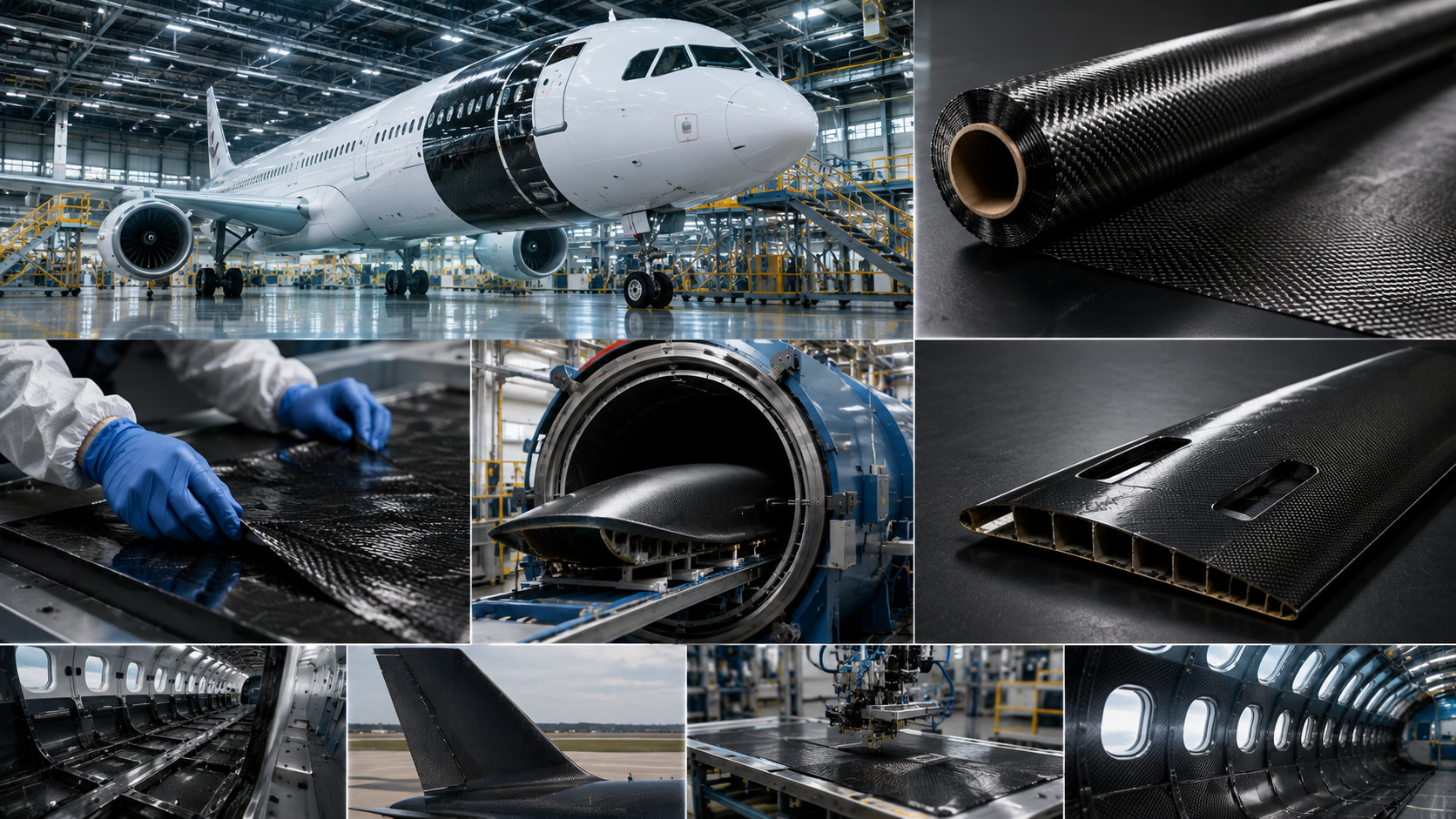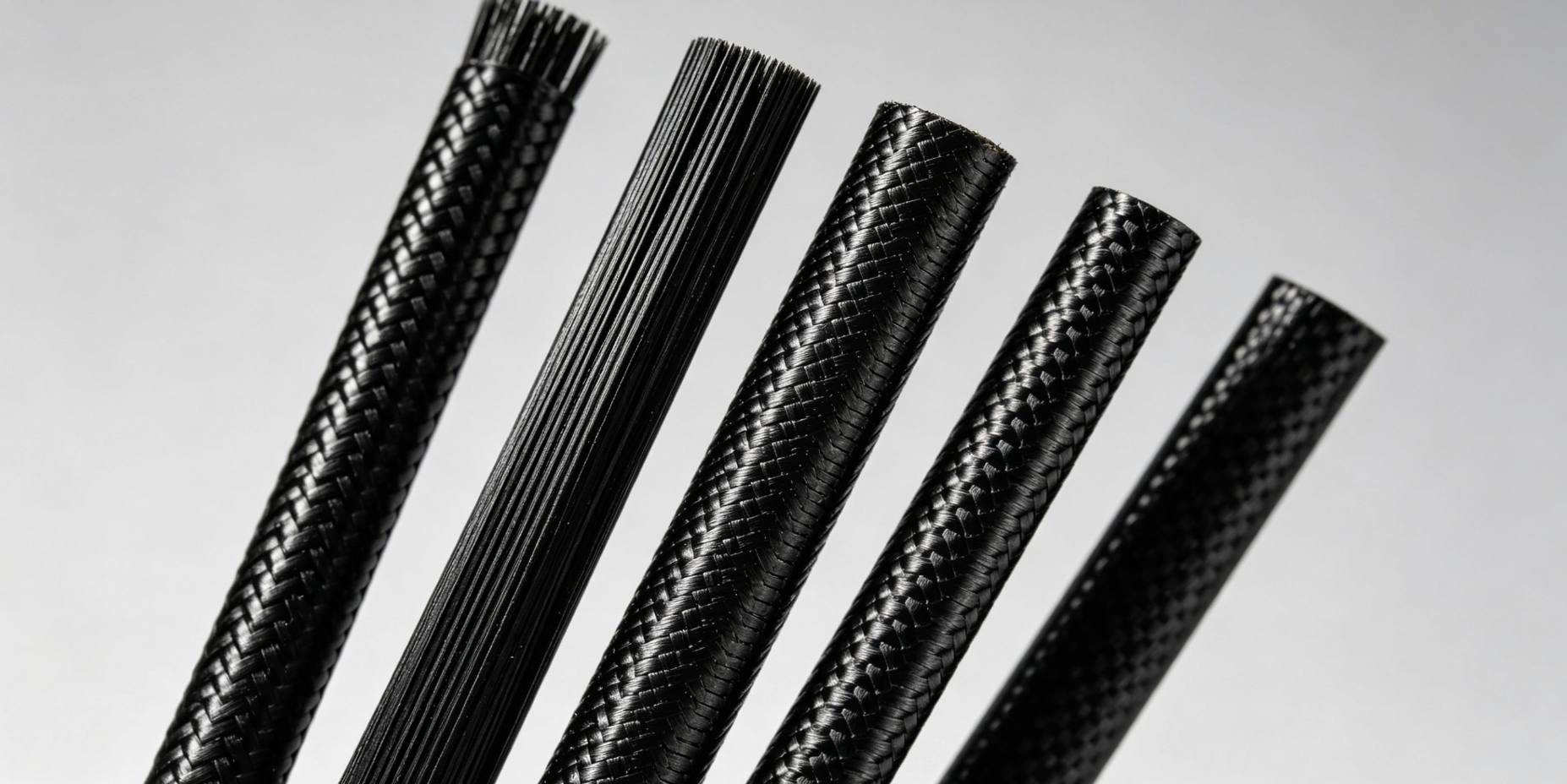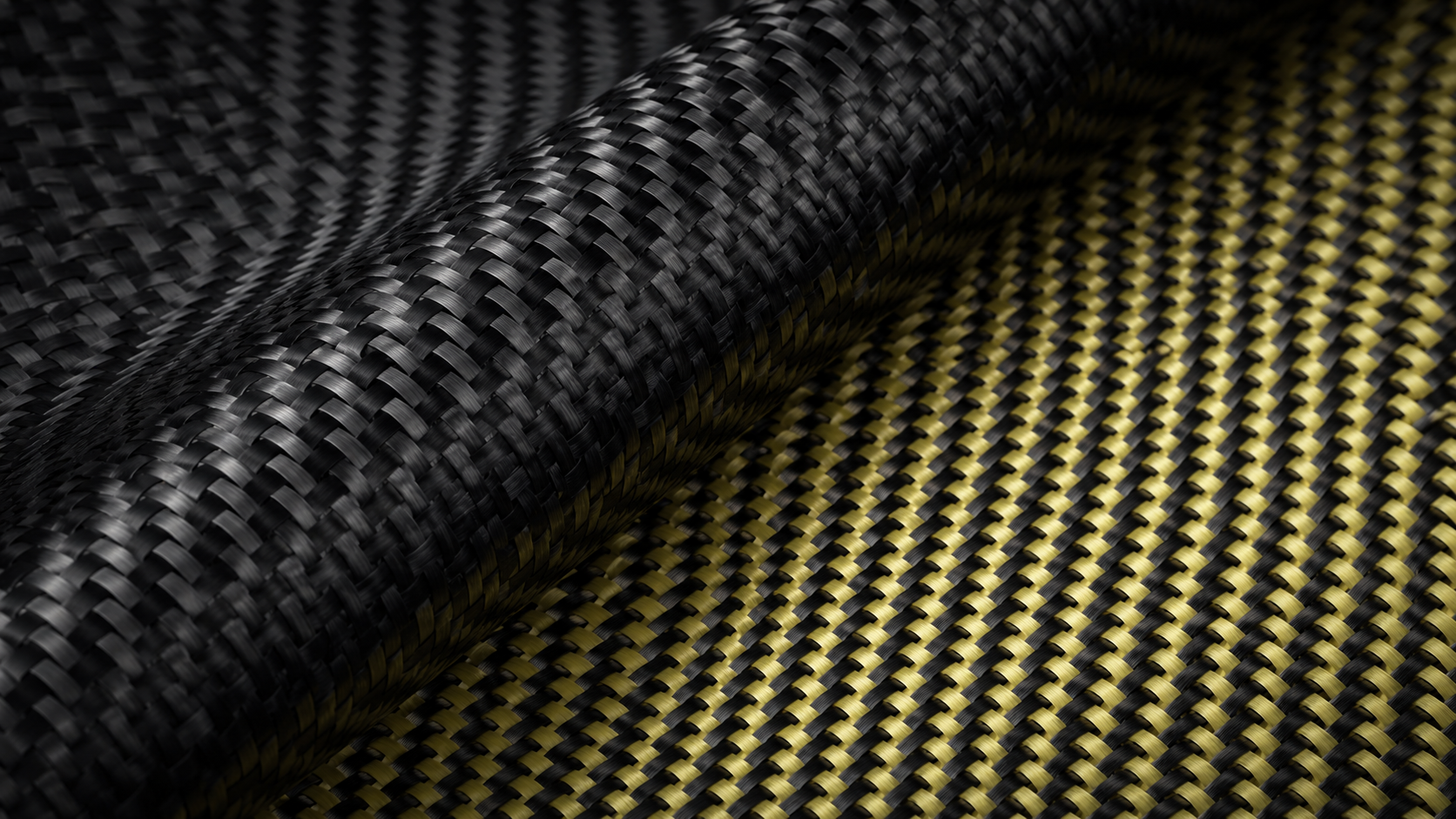
Most people shopping for carbon fiber make the same expensive mistake. They assume the bigger the number, the better the material — full stop.
So they either overspend on ultra-high-modulus grades their project doesn’t need. Or they walk away from carbon fiber, convinced it’s out of their budget. Neither outcome is good.
Here’s what most buyers miss: 24T and 30T carbon fiber are built for projects where toughness, flexibility, and cost-efficiency matter more than raw stiffness. And knowing where 40T and 46T fit — and where they don’t — can save you real money before you place a single order.
This guide breaks down each grade in plain terms. No jargon padding. No upsell agenda.
What Does the “T” Number Mean in Carbon Fiber Grades?
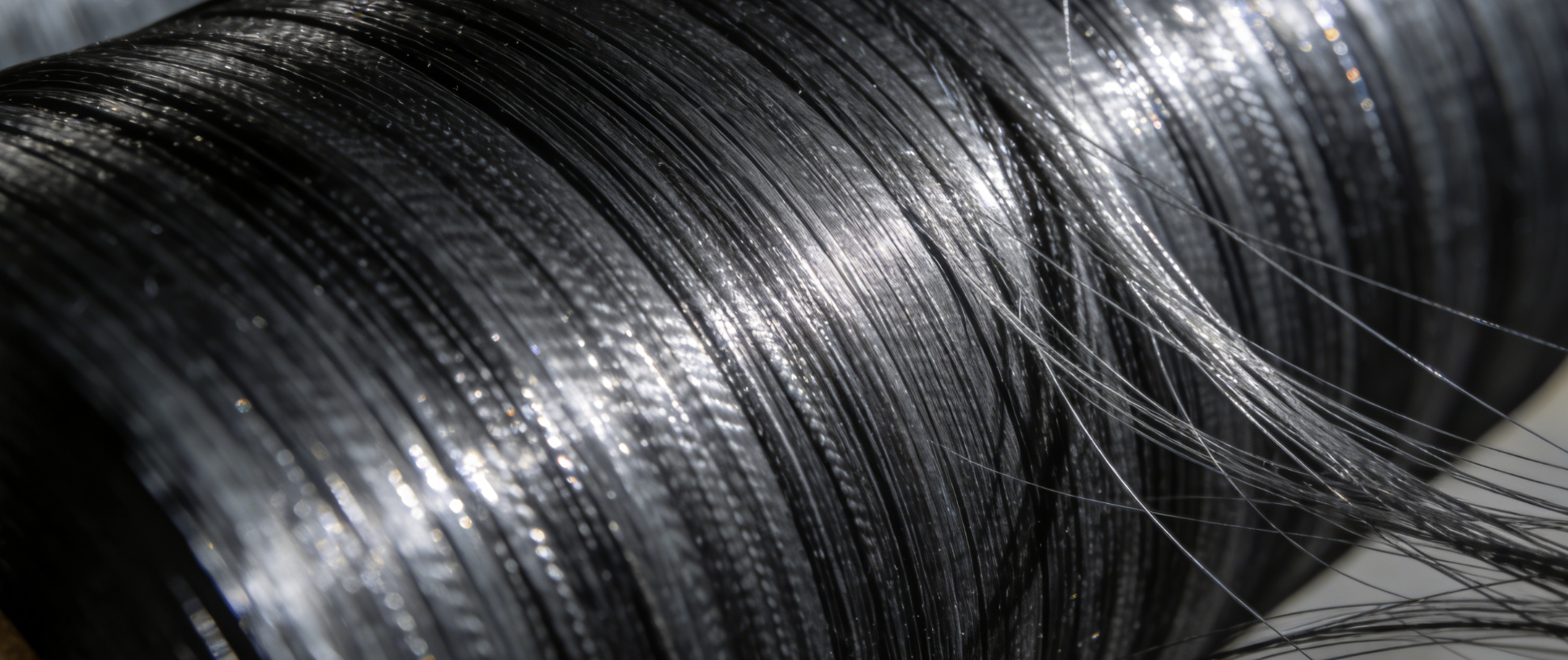
“T” stands for tensile strength — not toughness, not technology, not some proprietary tier system a manufacturer invented to justify a price bump.
Tensile strength is the force needed to pull a fiber apart lengthwise. A higher T-number means the fiber holds up against that pulling force longer before it breaks. That’s it. Clean and simple.
Here’s something worth knowing: tensile strength and stiffness are two different things. A T1000 fiber delivers 6,370 MPa of tensile strength — about 16% more than a T800. Yet both sit at the same modulus figures, around 294 GPa. More strength, same stiffness. Each one serves a different purpose.
The grades in this guide — 24T, 30T, 40T, and 46T — all fall within standard to intermediate modulus territory: 33–42 Msi (228–290 GPa). That’s the cost-effective zone. Not entry-level junk. Just solid, practical engineering.
One more thing: don’t mix up “T” with “K.” They measure two completely different things.
-
T# = fiber grade (tensile strength level)
-
K# = tow size (filament count per bundle — 3K means 3,000 filaments; 12K means 12,000)
Confusing these two is one of the most common sourcing mistakes beginners make.
24T Carbon Fiber: The Workhorse Grade for Durability-First Budget Projects
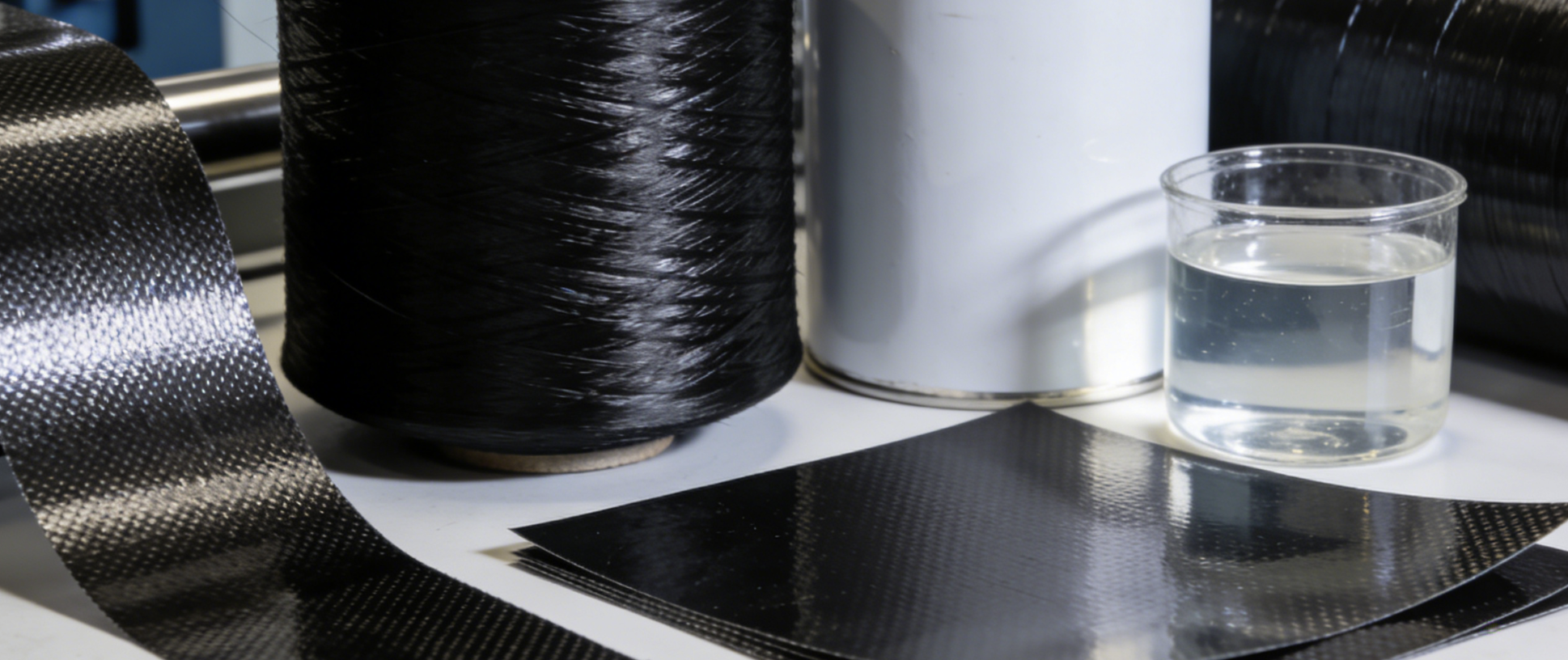
24T carbon fiber doesn’t try to impress you. It just works.
That’s the point. Higher-modulus grades compete on stiffness numbers and premium pricing. 24T sits at the standard-modulus baseline doing what most real-world projects need: holding up under load, absorbing impact, and keeping your budget intact.
The numbers behind the grade:
|
Property |
24T Value |
|---|---|
|
Tensile Strength |
588 MPa |
|
Tensile Modulus |
103 GPa |
|
Flexural Modulus |
70 GPa |
|
Elongation |
0.7% |
|
Density |
1.93 g/cm³ |
That 0.7% elongation figure matters more than most buyers realize. Higher elongation means the fiber bends further before it breaks. More bending room means better impact resistance in the field. Rocks. Drops. Rough handling. 24T absorbs that kind of abuse. Higher-modulus grades snap clean under the same conditions.
Why It’s the Budget Builder’s Default
Durability isn’t the main reason 24T earns its reputation as a workhorse. There’s more to it.
It works with epoxy, phenolic, polyester, and vinyl ester resin systems. That keeps your manufacturing options open and your per-unit costs flexible. You’re not stuck with expensive processing requirements.
There’s also the weight advantage. This grade runs 5.5 times lighter than stainless steel. It also beats aluminum on specific strength metrics after you adjust for weight. For sporting goods, extension poles, and industrial components, that ratio counts — especially on a tight budget.
One hard limit worth knowing: don’t go past 36–40T on durability-critical projects. Above that threshold, brittleness becomes a real engineering risk. Not a theoretical one. 24T gives you solid performance and keeps you well clear of that line.
30T Carbon Fiber: The Sweet Spot Between Performance and Affordable Cost

Thirty tons. That’s the pulling force per square centimeter this grade handles before it starts to give. Not bend. Not flex. Give. That number puts 30T carbon fiber in a clear lane — tough enough for real performance demands, priced low enough to make budget sense.
And that balance is rare.
What 30T Delivers
The mechanical picture is simple. 30T sits a clear step above 24T in stiffness and recovery speed. It also holds onto enough flex to stay useful where higher-modulus grades fall short. You get:
-
Faster tip recovery than 24T — better sensitivity, crisper feedback
-
Superior strength-to-weight ratio compared to standard modulus materials
-
Works with affordable resin systems — no exotic processing required
-
Price range that stays realistic — 30T tubes and poles run $5–$60, depending on form factor and dimension
That last point matters for project planning. You pay for intermediate-modulus performance. Not high-modulus prices.
Where 30T Earns Its Reputation
Fishing rod builders caught on to this early. The T-ZACK 30T Toray carbon one-piece rod — 7’0″, moderate action, medium-heavy power, 10–17 lb line rating — gives you professional-grade sensitivity at an accessible price. Fuji guides. Non-slip EVA grips. Ultralight feel in both freshwater and saltwater.
The real workhorse move is the 24T + 30T blend. Cross-weaving both grades in x45 layup patterns produces blanks that pick up the lightest bites. They also absorb load spikes that would stress a pure 40T build. Trout. Bass. Panfish. Light saltwater jigging. This combination handles all of it. No trade-off between sensitivity and durability required.
For budget projects, 30T is the grade to reach for. It steps up where 24T falls short — and stops well before 40T territory.
40T Carbon Fiber: High Modulus Enters — Where Budget Projects Hit the Wall

Stiffness has a price. With 40T carbon fiber, that price becomes impossible to ignore.
At the M40J / HR40 grade level, tensile modulus jumps to 377–395 GPa — a 60%+ leap over the T300/T700 baseline. Take laminate form (55% fiber volume, unidirectional epoxy): 0° tensile modulus hits 220 GPa. That’s versus just 135 GPa for T300 or T700 layups. The stiffness gain is real. Dramatic, even.
But here’s what that number costs you.
The Trade-Offs Are Structural, Not Just Financial
Compressive strength drops to 1,000 MPa in M40J laminates — 17% lower than T300/EP, 29% lower than T700/EP. Interlaminar shear strength falls to 76 MPa versus 90–95 MPa for standard grades. Elongation at break shrinks to 1.2%, against T700’s 2.1%. Less stretch before fracture means more brittle failure in real-world conditions. Parts break sooner, and they break sharper.
So engineers compensate. They run thicker layups, hybrid ply stacks, or Kevlar reinforcement. Each extra ply adds labor time. Manual lay-up of a complex double-curvature ply runs 52 seconds per piece. That cost stacks fast across a full production run.
Where the Budget Wall Lives
Raw material pricing tells the clearest story:
|
Grade |
Cost Multiple vs. T300 |
|---|---|
|
T300 |
1× (baseline) |
|
T700 |
~1.4–1.67× |
|
M40J / 40T |
3–5× T300 baseline |
M40J prepreg (HR40, 200 g/m² FAW, 36% resin content) prices at $10/m² with a 100 m² minimum order. That’s just the entry point. Processing complexity adds more on top.
Push 40T into a design where 230 GPa modulus would do the job, and you’re adding 15% in needless material cost. You also take the compressive strength hit with no upside.
When 40T Is the Right Call
This grade has a specific home. It belongs in:
-
Satellite frames
-
Optical platforms
-
Precision robotics
-
Semiconductor equipment
-
Composite rollers
These are zero-tolerance environments. Dimensional stability is non-negotiable. The premium pays for itself — but only here.
For fishing rods, extension poles, drone frames, or DIY structural parts? T300 is the industry standard. T700 is the performance ceiling most projects ever need. Putting M40J into sporting goods or hobby builds means paying for performance you’ll never use. That extra cost shows up on your invoice — and nowhere else.
46T Carbon Fiber: Ultra-Stiff, Ultra-Brittle — Honest Reasons to Skip It for Budget Builds
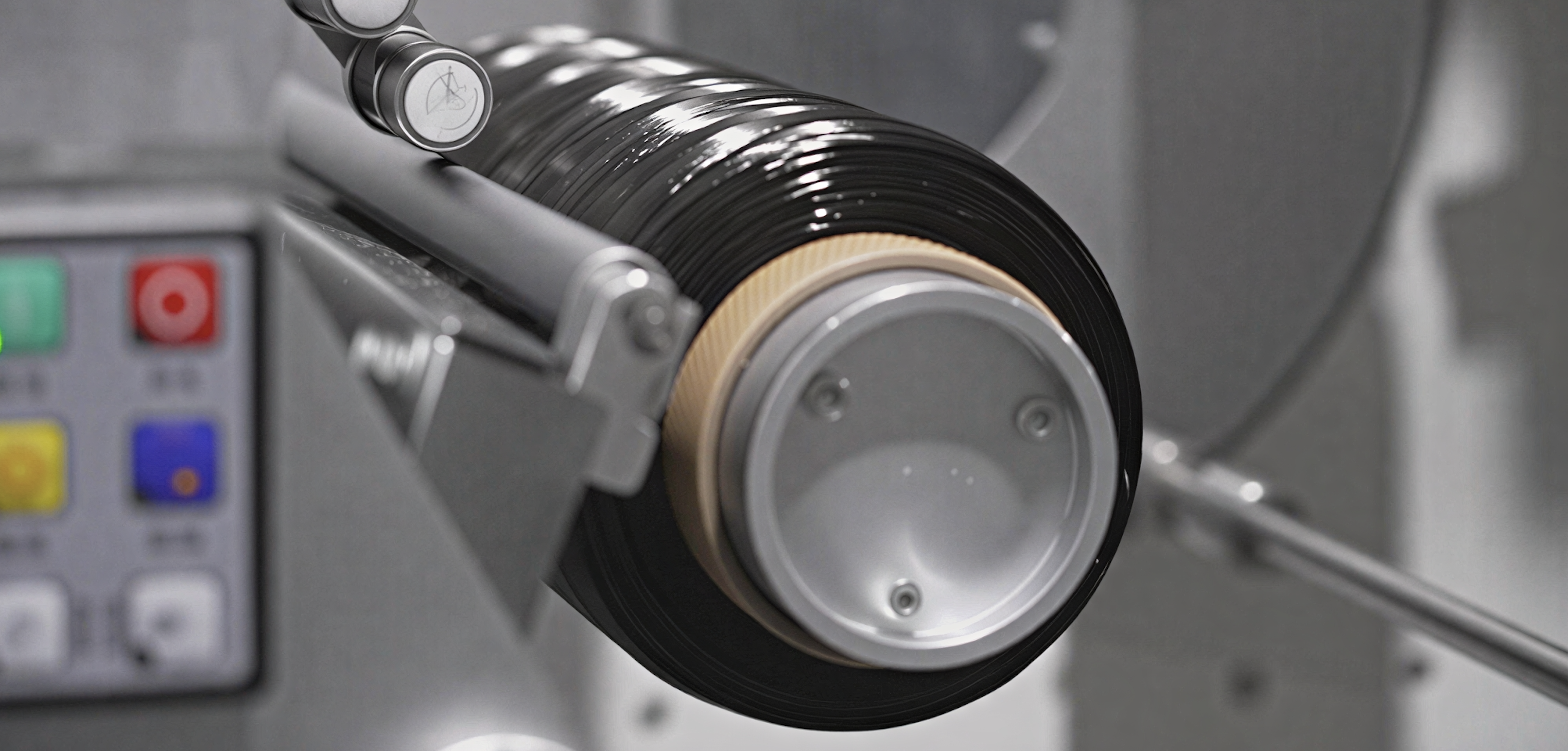
The numbers on 46T carbon fiber look great on a spec sheet. Tensile modulus at 46 GPa. Bending strength above 2,200 MPa. Fatigue strength retention above 90% under dynamic loads — well above the industry average of 80%. Fiber-resin bonding jumps 40% through surface treatment. Directional consistency hits 99.8% unidirectional.
Impressive. No question about it.
But for your budget build? Almost no use at all.
Here’s the core problem. That 35% tensile strength gain over 30T — the one that pushes 0° tensile strength past 2,800 MPa — exists for aerospace platforms, satellite structures, and precision optical systems. Not drone frames. Not fishing rods. Not DIY extension poles. Pay for that performance gap on a non-aerospace project, and you’re funding a capability your build will never need.
The brittleness trade-off makes things worse. Higher modulus means lower strain before failure. The material breaks sooner under impact — and breaks sharp. 46T shares the same brittle profile as M46J-class fibers. Compressive strength falls short of tensile strength. Failure strain drops to the 3–4% range. Budget builds don’t have the precision tooling or controlled layup setup needed to pull out that 40% bonding gain. Skip that step, and you’re facing interface peeling and delamination risk. That’s the failure mode you can’t afford.
The comparison is direct:
|
Property |
46T |
30T |
What It Means |
|---|---|---|---|
|
Tensile Modulus |
46 GPa |
~30 GPa |
+53% stiffer |
|
Tensile Strength |
>2,800 MPa |
~2,070 MPa |
+35% stronger |
|
Failure Strain |
3–4% (low) |
Higher |
More brittle |
|
Process Tolerance |
≤70% repeatability |
Stable |
Budget-hostile |
That repeatability figure tells another hard story. Variation at or below 70% within the same production category means results shift batch to batch. Low-volume budget production needs steady, predictable output. 46T’s process sensitivity works against that at every step.
The weight argument doesn’t hold either. Yes, 46T delivers 50% mass reduction in aerospace structural parts. On a hobby drone or a recreational rod blank, that margin shrinks to nearly nothing. You won’t feel it. You will feel the price difference.
For budget projects, 30T gives you the practical ceiling. Everything above it — including 46T — means buying precision you can’t use, dealing with brittleness you can’t manage, and paying a cost that doesn’t belong in your project budget.
Carbon Fiber Modulus Grade Comparison Chart: 24T vs 30T vs 40T vs 46T
Four grades. One table. Everything you need to stop guessing and start deciding.
|
Grade |
Tensile Modulus |
Tensile Strength |
Density |
Best For |
|---|---|---|---|---|
|
24T |
240 GPa (33 MSI) |
4.0 GPa |
1.81 g/cm³ |
Impact-heavy builds, surf, kayak rods |
|
30T |
300 GPa (~36–38 MSI) |
4.5 GPa |
1.82 g/cm³ |
Softbait, light jigging, freshwater spinning |
|
40T |
~400 GPa (≥42 MSI) |
~4.8–5.0 GPa |
~1.80 g/cm³ |
Prestige rods, precision structural parts |
|
46T |
~460 GPa (≥65 MSI) |
Lower (brittleness trade-off) |
~1.80 g/cm³ |
Aerospace, ultra-light fast-action use |
Two patterns run straight through this data.
First: modulus climbs with the T-number. So does brittleness. So does cost. Second: tensile strength peaks around 40T. Past that point, ultra-high-modulus grades give up fracture resistance to gain stiffness — so strength dips. Higher T doesn’t mean stronger across the board. It means stiffer. And past a certain point, more fragile.
For budget projects, the practical ceiling sits at 30T. The 24T/30T blend is worth knowing well. It beats pure 24T on recovery. It beats pure 40T on impact resistance. You get the strengths of both grades without the weak points of either. Most experienced builders reach for this combination first — and for good reason.
How to Choose the Right Carbon Fiber Grade for Your Budget Project (Decision Framework)

Four questions. Answer them in order, and the right grade picks itself.
1. What does your project need?
Start with function, not specs. Stiffness-critical builds need higher modulus. Think extension poles and precision frames. Impact-heavy builds need elongation and toughness. Think surf rods, kayak components, and rough-use hardware. Know which one you’re solving for before you look at a single number.
2. Where does your requirement fall on the modulus scale?
Under 230 GPa? Standard modulus handles it. Between 290–350 GPa? Intermediate modulus is your range. Above 350 GPa? You’re leaving budget territory — and you’ll pay a brittleness penalty on top of it.
3. What’s your real budget ceiling?
Standard modulus starts around $30/yard. Intermediate sits in the mid range. High and ultra-high modulus grades cost 3–10× more. For most builds, that extra spend brings no real return. Volume buying drops prices 20–50% — worth knowing if you’re ordering in quantity.
4. What form factor fits your fabrication method?
Fabric weight and weave are not an afterthought. For lightweight DIY work, 3K plain weave at 200 g/m² keeps cost low and handling easy. Larger panels with volume discounts favor 12K at 400 g/m². Complex shapes need twill. Flat structural parts work fine with plain weave.
Set a durability floor: tensile strength above 4 GPa. Standard modulus delivers 3.5–4.5 GPa across most grades. That range covers 90% of budget project needs. You won’t need to touch intermediate pricing to get there.
One rule holds across all four grades: buy the minimum modulus your project needs. Every step up costs more and breaks faster.
5 Common Myths About Carbon Fiber Tonnage That Cost Budget Buyers Money

Five beliefs. Five ways to burn through your project budget before a single part gets made.
The carbon fiber market runs on confusion. Buyers show up with assumptions already locked in — assumptions that feel logical, pass a quick check, and cost real money the moment they hit a purchase order. Here’s what needs correcting.
Myth 1: A higher T-number means higher quality.
It means stiffer. Not stronger. Not better. Stiffness and quality are not the same thing. Ultra-high-modulus fibers cost 2–5× more. Yet they still get blended at just 20–40% into frame layups. Running them at 100% creates a brittleness problem no budget build can handle. The number climbs. The fragility climbs with it.
Myth 2: High-tonnage production always means lower cost for you.
High-tonnage fiber runs $10–15/kg at the source. Low-tonnage grades run $25–40/kg. The math looks simple — until you factor in lifecycle. Durable lower-volume fiber saves 20–30% on replacements over a product’s working life. The per-kilogram price is one line in the cost equation. It’s not the whole story.
Myth 3: All carbon fiber from major producers performs the same.
Five manufacturers supply the entire global market. Each one grades output by different standards. Stiffness ranges span 300–500 GPa across product lines. No serious frame design runs 100% high-modulus fiber. Here’s where it gets specific:
-
Entry-level high-tonnage blends average 1.5 g/cm³ density
-
Premium mixes come in at 1.4 g/cm³ — that’s 10–15% lighter at equal strength
Same supplier category. Completely different material.
Myth 4: Carbon fiber’s environmental cost is someone else’s problem.
It will become yours by 2030. Steel emits 2.6 tons of CO₂ per ton produced. At €149/ton carbon pricing, that adds €387 to every ton of steel. A 50,000-ton annual steel operation absorbs a €19.35M carbon cost — and that cost moves downstream to you. Carbon fiber parts emit 50–70% less. Buyers who treat this as irrelevant are building in a future liability they haven’t priced yet.
Myth 5: Quality carbon fiber is out of budget.
Production advances over the past five years dropped high-quality part costs by 30%. A 60/40 blend — 60% standard modulus, 40% high-modulus — hits the best balance for daily use. You get a stiffness-to-weight ratio five times that of steel. No 2× brittleness penalty from pushing high-modulus content too far. Lightweight construction also cuts operational fuel costs 5–10% and reduces component wear by 25%. The long-term numbers favor the material. The upfront price is the one number that doesn’t.
The pattern across all five: the expensive mistake is the assumption that wasn’t checked. Grade selection, lifecycle cost, blend ratios, emissions pricing — none of these are hidden. They’re just easy to skip when you’re moving fast and the spec sheet looks clean.
FAQ: Budget Carbon Fiber Grade Questions Answered
Real questions deserve straight answers. Here are the ones that come up most often.
Q: Does a higher T-number always mean better carbon fiber?
No. It means stiffer. Stiffness and quality are not the same thing. Past 40T, brittleness goes up faster than performance does.
Q: Can I trust budget carbon fiber for load-bearing parts?
Not without checking the specs first. Many cheap “carbon fiber” products are actually fiberglass cores with a thin carbon surface layer — or just hydro-dipped plastic. Do a weight check against a known genuine part. Real carbon fiber is much lighter. A scratch test also helps. Authentic carbon fiber won’t peel at the surface layer.
Q: Is 30T carbon fiber good enough for fly rods and extension poles?
Yes. 30T carbon fiber hits the performance ceiling that most real-world applications ever need. For fly rods, 30T is a solid choice. For extension poles, even 40T rarely pushes past what 30T can already handle.
Q: Why is real carbon fiber so much more expensive than budget alternatives?
It comes down to manufacturing. Genuine carbon fiber goes through three intense stages:
– Oxidation
– Carbonization at 1,000–1,500°C
– Graphitization above 3,000°C
Budget alternatives skip that whole process. You’re not getting the same material — you’re getting a shortcut.
Q: What’s the safest grade for a first DIY project?
Start with 24T or 30T. Standard modulus carbon fiber runs at 33 MSI. It gives you solid, dependable mechanical properties. You also avoid the brittleness problems that catch beginners off guard with higher grades.
Conclusion
The “T” number on carbon fiber isn’t a ranking system — it’s a roadmap. For most budget projects, that road leads to 30T carbon fiber. Need more durability? 24T is your fallback. Want stiffer? 40T is about where smart spending stops.
Here’s the key point: higher modulus doesn’t mean better results. It means different tradeoffs. A 30T carbon fiber fly rod flexes the way it’s supposed to. A 40T carbon fiber extension pole stiffens the way it needs to. The real decision is matching the grade to the job. Now you have the framework to do that.
Don’t guess. Don’t overspend on 46T stiffness you’ll never use. Don’t under-build with a grade that fails the first real load test.
Check the full range at hyperxcarbon.com. Bring your project specs. The right grade is there.
Contact HyperX Carbon – Your Trusted Chinese Carbon Fiber Customization Partner
Ready to develop high-performance carbon fiber materials or custom forged carbon fiber parts tailored specifically for your project?
HyperX Carbon is your long-term strategic partner with over 20 years of expertise in advanced composites. We specialize in delivering aerospace-grade forged carbon fiber custom solutions, along with fully personalized prepreg, tubes, sheets, and lightweight carbon fiber structural components for automotive, drone, eVTOL, and medical applications.
We don’t just supply materials — we provide end-to-end customization support:
-
Stable premium supply chain using Toray, Mitsubishi, and Hengshen raw materials
-
AS9100D certified production tailored for aerospace and UAV requirements
-
Rapid prototyping carbon fiber component in just 5-8 weeks, with monthly capacity over 180,000 parts
-
Competitive pricing with 15-18% cost savings on forged carbon solutions
-
Full customization flexibility: from T700 and T1100G to ultra-high modulus grades, with tailored layups, finishes, and performance specifications
Whether you’re an eVTOL developer, automotive OEM, drone manufacturer, or medical device engineer, HyperX Carbon delivers bespoke material selection, structural optimization, and manufacturing solutions that match your exact technical and performance needs — with consistent batch-to-batch quality and reliable delivery.
Get in touch today for a free technical consultation, personalized quote, or custom material samples.
📧 Email: [email protected] 🌐 Website: https://www.hyperxcarbon.com/ 📞 Phone/WhatsApp: +86 15623270276 (English support available)
Let’s co-create your next lightweight innovation together. Contact HyperX Carbon now and stay ahead in the low-altitude economy and advanced composites market.
HyperX Carbon – Not just a supplier, but your dedicated carbon fiber customization expert.