Finding a reliable carbon fiber tube supplier in China can be a minefield. B2B buyers often face inconsistent quality, unclear pricing, and missed tolerances.
Here is the reality: China produces over 60% of the global supply, yet few manufacturers actually meet Western industrial standards. To help you navigate this, I spent months vetting factories.
This guide reveals 8 verified suppliers, ranging from large-scale industrial producers to specialized custom shops. I include legitimate B2B pricing benchmarks, lead time comparisons, and the technical specs that matter.
Whether you need aerospace prototypes or 10,000 industrial units, you’ll find the right partner to fit your volume and budget here.
Zhongfu Shenying (ZFSY): China’s Largest Carbon Fiber Tube Material Provider
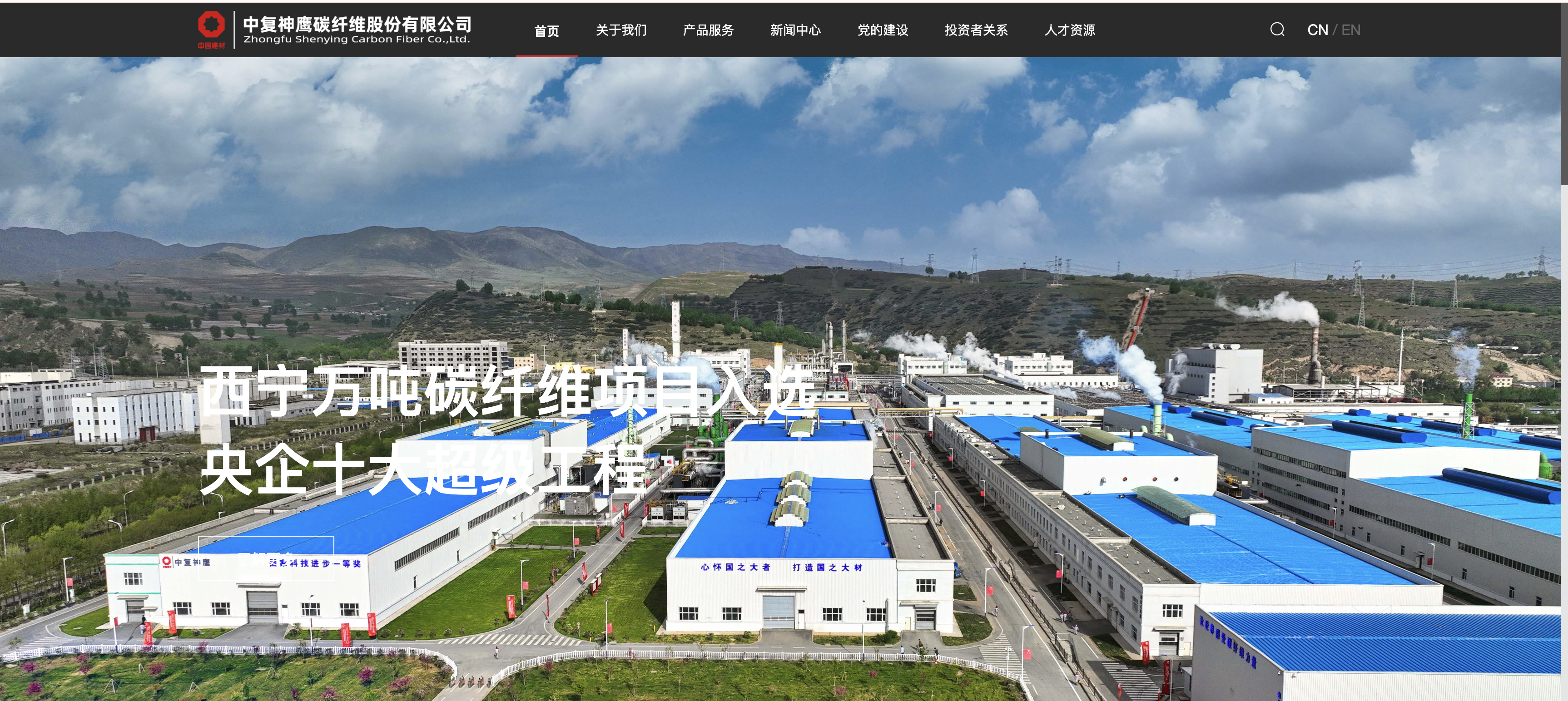
ZFSY runs the world’s largest single carbon fiber production base. That’s not marketing speak. The Xining plant alone makes 25,000 metric tons per year. No other facility matches this scale.
Production scale that reshapes B2B pricing:
Look at their capacity growth. It tells you everything. They started with 10,000-11,000 MT output per year in September 2021. Phase 1 cost 2 billion yuan ($320M). By May 2023, full capacity hit 25,000 MT. Phase 2 added another 14,000 MT in October 2021.
Here’s where it gets interesting. ZFSY just announced a 30,000 MT plant in Lianyungang. Construction starts April 2026. They’ll finish by August 2026. The price tag? 6 billion yuan ($866M). You’re looking at a 19.9% return after tax each year.
Technology that matters for high-strength carbon fiber pipes:
ZFSY makes T700/T800 grade carbon fiber. They use dry-jet wet spinning tech. Batch production started in late 2012. Their performance matches global standards. The Chinese Textile Industry Association checked their GQ45 dry-jet wet spinning tech in 2013. They own all the IP rights.
Their precursor capacity? 15,000 tons per year. Total capacity tops 28,500 tons by end of 2024.
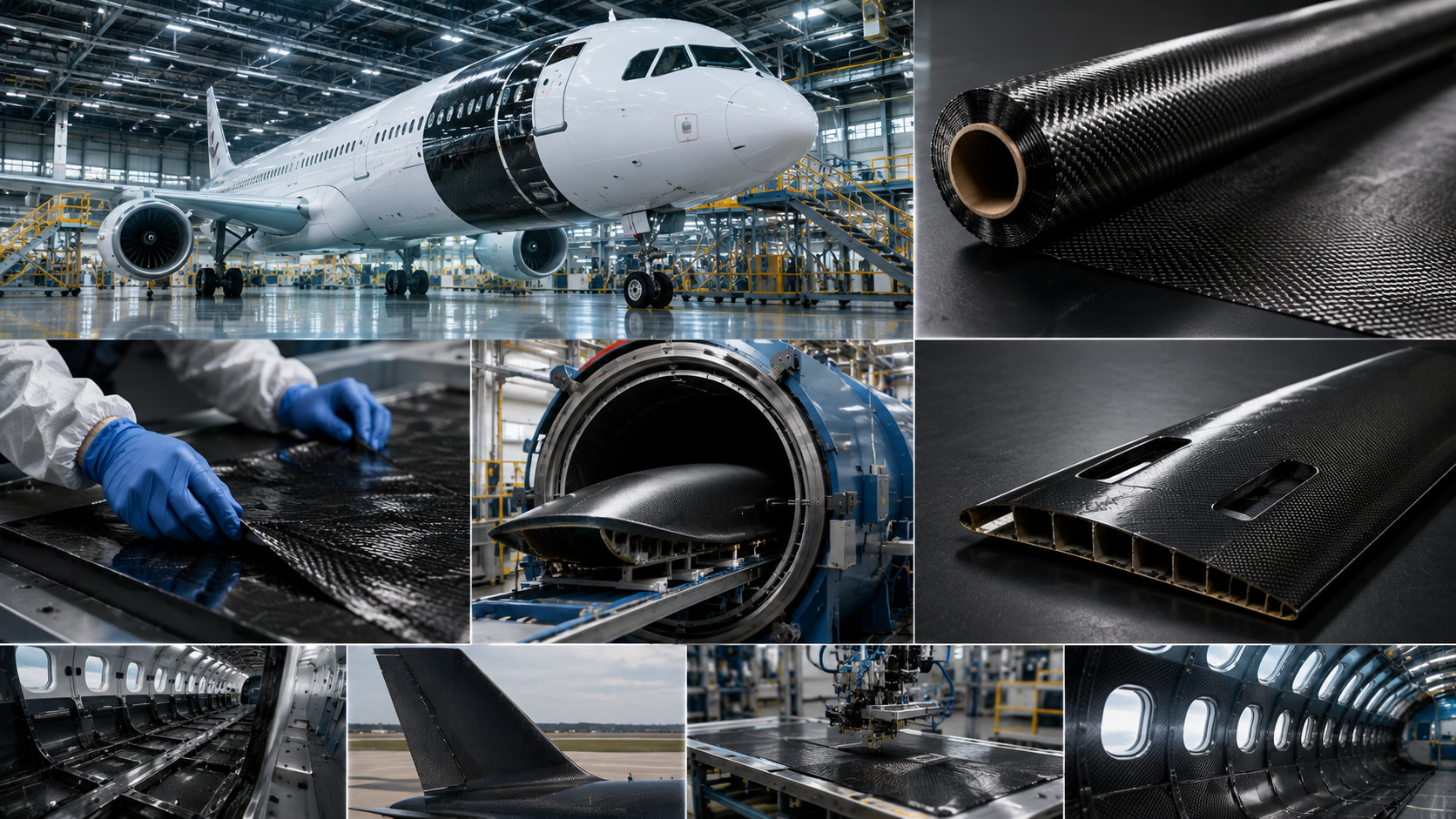
You’ll find their products in aerospace, transport, new energy, and infrastructure. Need industrial carbon fiber tubing at scale? ZFSY owns the full production chain. You get consistent quality. Plus, their lead times beat fragmented suppliers.
Toray Advanced Composites (Shanghai): Premium High-Performance Tube Specialist
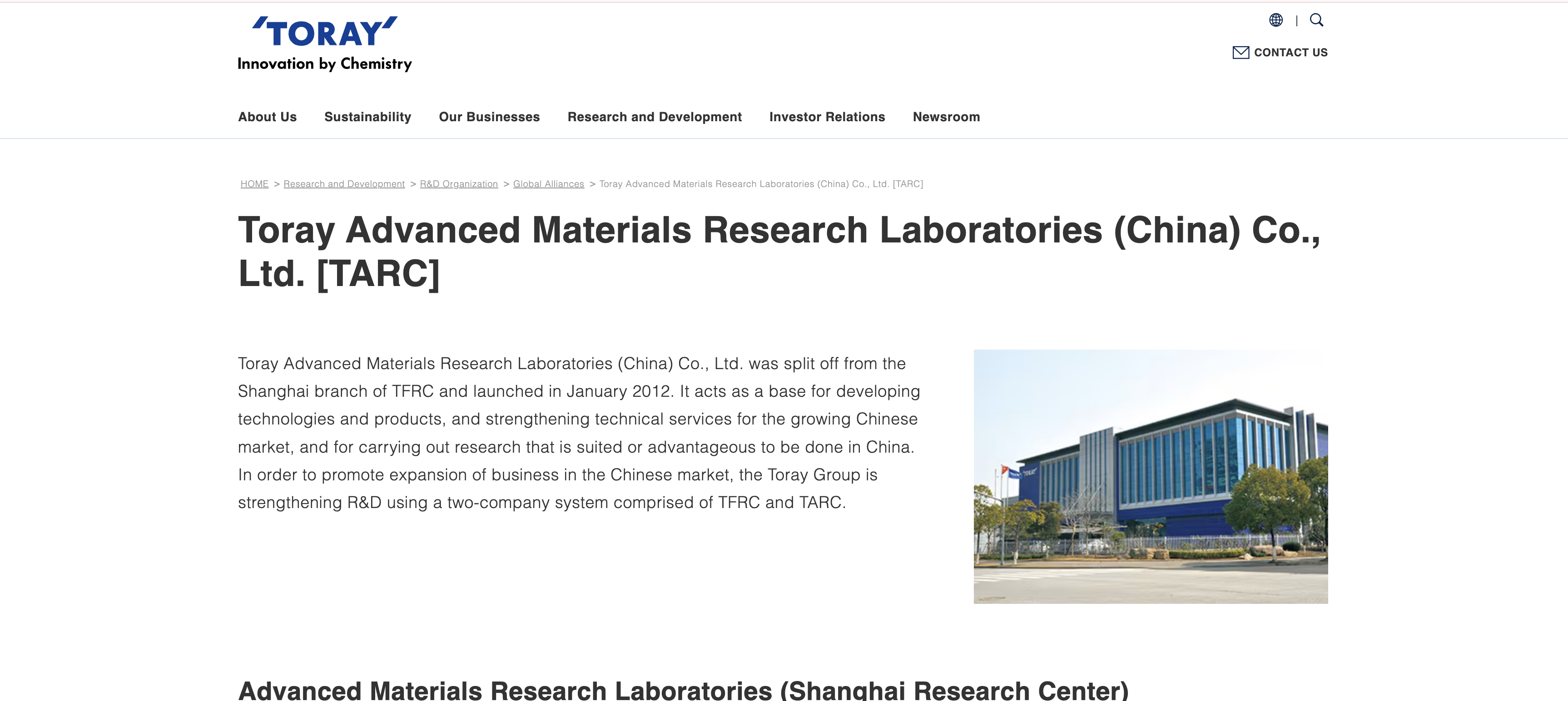
Toray Advanced Composites pushes carbon fiber tube technology to its limits. Their Shanghai facility doesn’t chase high volume. They focus on performance that most suppliers can’t match.
Materials built for extreme conditions:
Their cyanate ester systems stay strong at 260°C (500°F). Standard epoxy tubes break down at these temperatures. The EX-1516 cyanate ester film absorbs very little moisture and loses minimal electrical signal. Aerospace electronics housings and radomes need this kind of performance.
Toray’s TC420 high-temperature prepreg systems work with TCF4050 core splice adhesives. These create sandwich structures that handle extreme heat cycles. Oil and gas companies use these tubes in chemical processing gear. Corrosion destroys metal options in these settings.
Thermoplastic breakthrough for tube making:
Their November 2024 product line changed everything. Toray bought continuous fiber reinforced thermoplastic (CFRT) technology. This brings rapid stamp forming instead of slow autoclave cycles. Their Cetex® PESU TC1130 thermoplastic cuts production time by 75% compared to older thermosets.
Medical device makers buy their materials for X-ray transparent surgical tools. Formula 1 racing teams use their prepregs for tubular chassis parts. The strength-to-weight ratios beat what metals can offer.
Engineering support that helps:
Toray gives you tooling size calculators and layer thickness calculators. Their technical team helps fine-tune layup schedules for your specific loads. You get processing guides for autoclave, out-of-autoclave, and RTM methods. This helps during custom tube development.
Their Shanghai team works with facilities across North America, Europe, and Asia. prototyping in China with production scaling in the US? They make it happen.
HyperX Carbon: Custom Small-to-Mid Volume Solution Provider

Small batch carbon fiber projects fail. Most suppliers can’t handle the complexity. HyperX Carbon fixes this problem. They use aerospace-grade engineering tools that other custom tube makers don’t have.
CAE-driven optimization cuts weight fast:
The HyperX software runs stress analysis for composite tubes. It handles structural sizing too. NASA’s X-59 supersonic aircraft used this software for the 38-foot graphite/epoxy nose cone. The result? They removed 100 pounds. The nose cone still met every aerospace failure standard. You need this level of precision for custom carbon fiber tube work.
Weight drops by 20% across different designs. Check the SP80 sailboat project. It shows how they optimize sandwich core materials. They export producible layer sequences using thin-layer carbon fiber tape. Your tube stays buildable. Not just optimized on paper.
Production flexibility for 50-5,000 unit runs:
HyperX handles three material systems. Next-generation thermoset, thermoplastic, and resin infusion. Their laminate optimization reduces layer drops. This cuts process steps. Layer drop ramp rates stay at 20:1. You can customize this ratio. Fewer layers mean faster builds. Plus, lower costs per tube.
They work 10x faster than traditional aerospace tools. You get FAA/EASA-certifiable stress reports right away. Need custom carbon fiber tube dimensions for prototype testing? Their rapid engineering cycles cut certification time.
HyperX makes sense for these projects:
Order volumes between 50-5,000 tubes with complex load needs? HyperX delivers. Their process handles large layer coverage. Simple layouts reduce build variation. You skip the minimum order quantities that big producers require. NASA’s $138M HiCAM project (2021-2028) validates their strength prediction. It confirms their manufacturing processes work.
Their tooling works for wind turbine blades. It handles sailboat structures too. Your industrial carbon fiber tubing project gets the same engineering rigor.
Supreem Carbon: Custom Small-to-Mid Volume Solution Provider

Supreem Carbon cracks the money problem that kills most custom carbon fiber shops. Since 2017, their 4,500 m² factory produces over 1,000 SKUs each year. This includes 500+ custom parts. They pull $4 million in revenue by fixing one thing: moving from prototype to production without burning cash.
Process flexibility that controls your costs:
They offer three production methods. Your volume decides which one fits. Wet layup works for 10-100 unit prototypes. Fiber volume sits at 40-55%. Void content stays under 5%. Testing market fit or refining designs? This method handles it.
Ready for serious production runs? Switch to prepreg. Their autoclave process pushes fiber volume to 55-65%. Void content drops below 1-3%. Here’s what changes: Prepreg gives you batch-to-batch consistency. Wet layup can’t do that. They store prepreg materials at -18°C. Heat and pressure curing locks in your performance specs.
RTM (Resin Transfer Molding) sits in the middle. You get near-prepreg quality. You skip autoclave costs. Their team tells you which process hits your performance targets and budget. Few suppliers give you this engineering help up front.
Material options beyond standard carbon fiber:
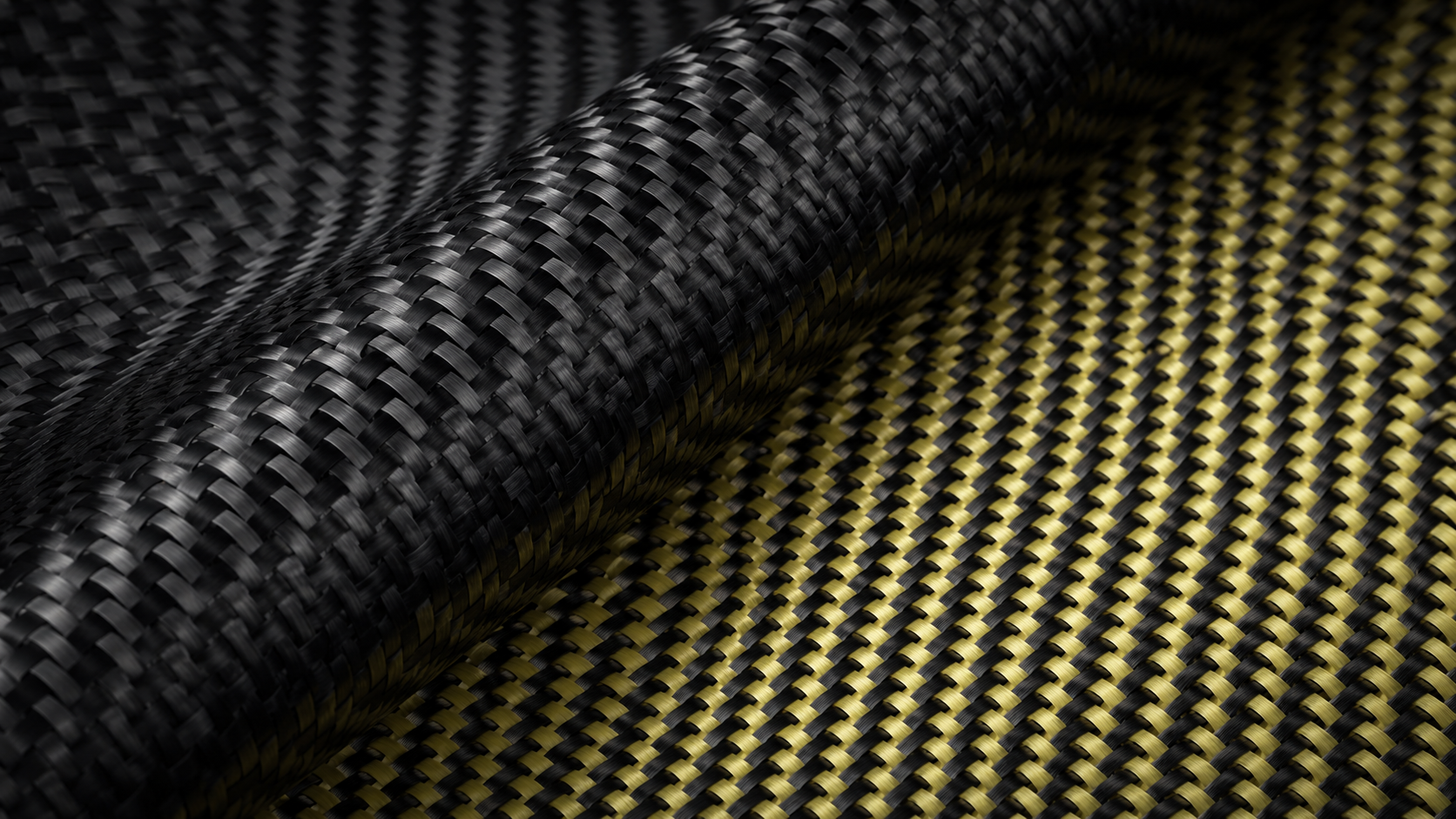
Their material library has 1×1 plain weave, 2×2 twill, forged carbon finish, honeycomb cores, and Kevlar hybrids. Automotive clients pick forged carbon for interior trim. Motorsport teams order plain weave for structural parts. The visual finish counts as much as the strength in these markets.
45 skilled techs handle vacuum bagging and controlled oven curing. Their 3D printing speeds up tooling for tricky shapes. You test how parts fit before paying for production molds.
Where Supreem excels:
Custom carbon fiber tubes for cars and motorcycles drive their business. Appearance parts, working components, carbon fiber luggage sets—they’ve built systems that repeat quality. They score ★★★★★ for custom work. Why? They nail the jump from prototype to mid-volume production. You don’t have to pick between craft-shop chaos and factory bulk orders.
Shenzhen Feimoshi Technology (FMS Carbon): A Shenzhen Maker Built for Tariff Changes

FMS Carbon’s location gives you a big edge right now. Their 40,000 m² Longgang facility sits 45 minutes from Hong Kong. This cuts your shipping hassles in half. US-China tariffs spike? Their Hong Kong shipping routes keep your costs steady.
Production scale that handles big order changes:
They ship 30+ containers each month with 600+ employees. That’s real capacity. Not empty promises from suppliers. FMS has 10+ years making carbon fiber products. They’ve seen tariff cycles before. Trade tensions hurt margins in 2018-2019. FMS kept making products. They didn’t drop mid-size clients like small factories did.
Material options for tough projects:
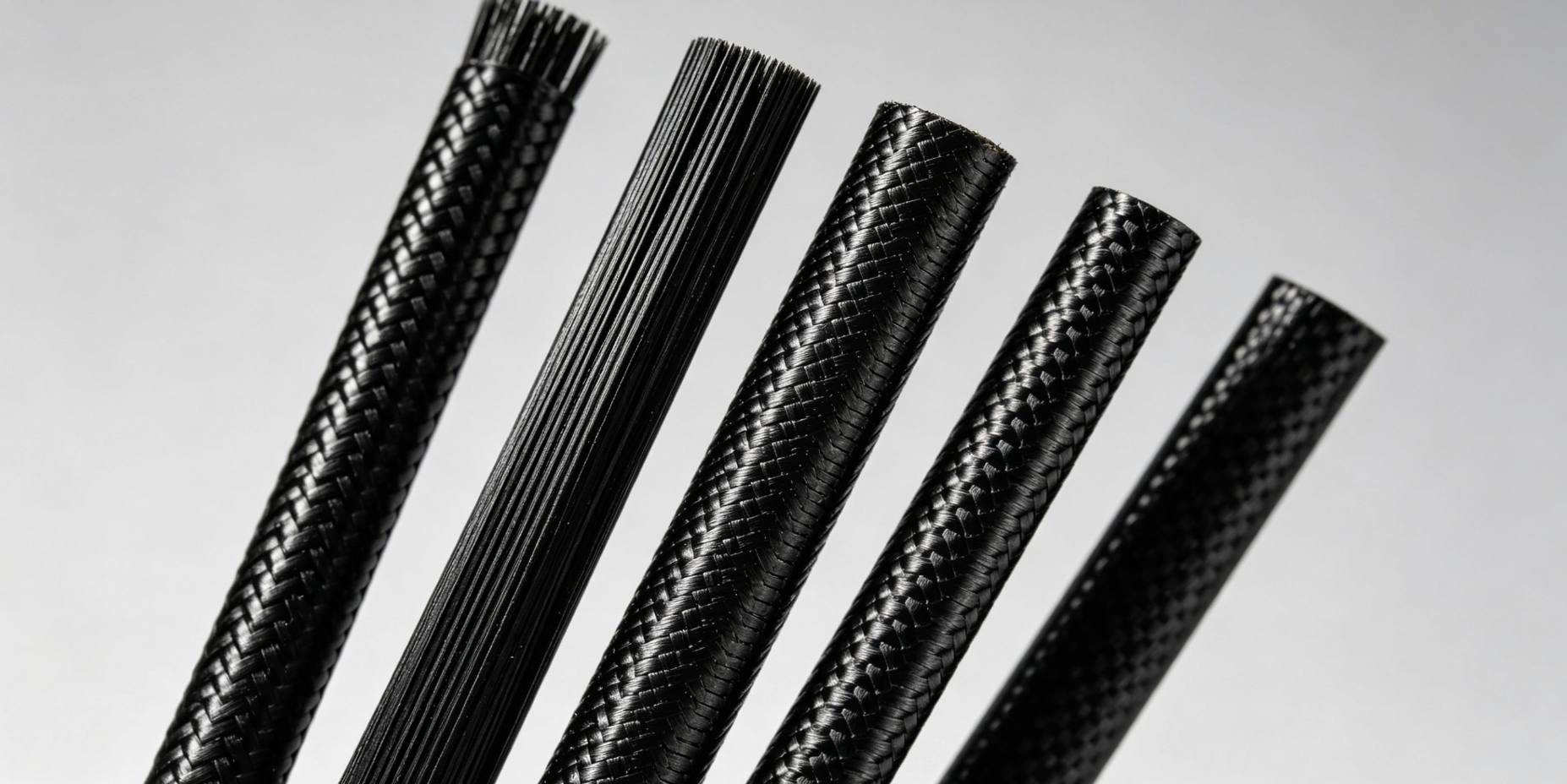
FMS works with three fiber types: CFRP, GFRP, and KFRP. You need carbon fiber tubes with Kevlar layers for impact strength? They have the tools ready. Their roll-wrapped tubes fit standard sizes. Their CNC teams cut complex shapes and 3D parts. Your odd specs? No problem.
These materials are five times stronger than steel. They weigh one-fifth as much. You can get matte, glossy, textured, or satin finishes. Your drone frames or car parts get the exact look you want. They work with UAV makers, medical device companies, and robotics firms. These fields need exact measurements. FMS gives you aerospace-level precision. You don’t pay aerospace prices.
OEM options with NDA security:
Corporate buyers get design teams and machine work help. They do logo work through laser cuts. Hybrid builds mix carbon fiber with titanium or steel details. They sign NDAs for private deals. Your tube designs stay safe. Call them at +86 18927460800 or email [email protected] for quotes over 500 units.
Hobbycarbon: Low-MOQ Specialist for Prototyping & Small Batches

Most carbon fiber suppliers laugh at a 12-unit order. Hobbycarbon ships it in 1-3 days.
Their low-MOQ model changes prototyping. Need one pultrusion strip? Done. Want a single custom part to test fit? They build it. Other suppliers force 200-piece minimums. That’s $5,000-$10,000 in tooling costs before you see one sample. Hobbycarbon skips traditional molds.
Three production methods cut your prototype costs:
Prepreg carbon fiber molding handles complex shapes. The team does layup, curing, and post-processing for smooth finishes. CNC machining cuts precise parts from carbon fiber blocks. Low heat expansion keeps tolerances at ±0.1mm. No warping. No size drift.
3D printing with Nylon 12CF carbon fiber-filled filament makes functional parts. You can install them on vehicles for real-world testing. Mass production runs finish in 10-15 days. Custom parts that took months? They ship in days now.
What 100 units means here:
Hobbycarbon calls 100 parts a “big run.” Most orders hit 12 units. One-offs happen every day. Carbon fiber strips start at $0.99 per piece. Fast prototyping costs $50-$400 per part. Traditional methods? Triple that price.
Auto and aerospace teams use them for chassis parts, suspension parts, and electronic cases. The parts handle high stress during testing.
Guangdong Shenyang New Material Technology: Carbon Fiber Tubes for Industrial Use

Guangdong Shenyang ships carbon fiber tubes up to 6 meters long. Most suppliers max out at 4 meters. This extra length lets you tackle projects that standard suppliers can’t handle.
Material grades for your load needs:
They stock T300, T700, T800, and T1000 systems. Each grade offers different strength levels. T300 works for general industrial frames. T800 can handle aerospace-level stress. You pick what you need. They build tubes with carbon fiber in 1K, 1.5K, 3K, 12K, or 24K sizes. Need custom fiber direction? They offer 0° for bending stiffness. Or 90° for crushing strength. Or 45° for twisting loads.
Tight tolerances for your assemblies:
OD tolerance sits at ±0.05mm to ±0.1mm. Thickness ranges from 0.2mm to 120mm. Every tube gets measured with calipers before it ships. Their process has ISO 9001 certification. Roll wrapping uses multiple layers on mandrels. PP tape applies pressure during heat curing. Pultrusion runs at 0.8-2.5m/min. Fiber content stays at 65-75% by volume.
Fast delivery for your testing:
Samples ship in 7 days. Standard sizes in mass production take 20-25 days. Minimum order is just 20 pieces at $4.58 FOB per tube. Drone makers use these tubes. So do CNC equipment builders and robotics companies. They all need lightweight structural parts.
Sichuan Composite Materials: Construction & Marine Sector Specialist
Sichuan Zhongxin Composite Materials made its name in construction and marine work. Not aerospace. Not automotive. They focus where most carbon fiber suppliers skip: building materials and boat hulls.
Market position in China’s construction composites boom:
China’s construction composites market hit USD 1,822.1 million in 2020. By 2028, it jumps to USD 3,094.7 million. That’s 6.8% CAGR growth. Carbon fiber owns 60.76% of this market. Glass fiber grows faster though. Sichuan Zhongxin works both materials.
Their technical research team tracks market trends. They see building code shifts. They know marine regulation changes. You source industrial carbon fiber tubing for infrastructure? This knowledge matters.
Glass fiber expertise for marine tubes:
E/ECR-glass fiber leads their production. It fights corrosion. Marine environments wreck standard materials. Sichuan’s tubes survive saltwater exposure. You get single-end roving, multi-end roving, chopped strand mat, and woven roving. Hand layup, pultrusion, and filament winding processes give you choices.
China’s glass fiber market reaches USD 4.1 billion by 2027. Growth sits at 5.4% CAGR. Pipes, tanks, and marine uses drive demand. Sichuan plants itself right in this growth path.
Conclusion
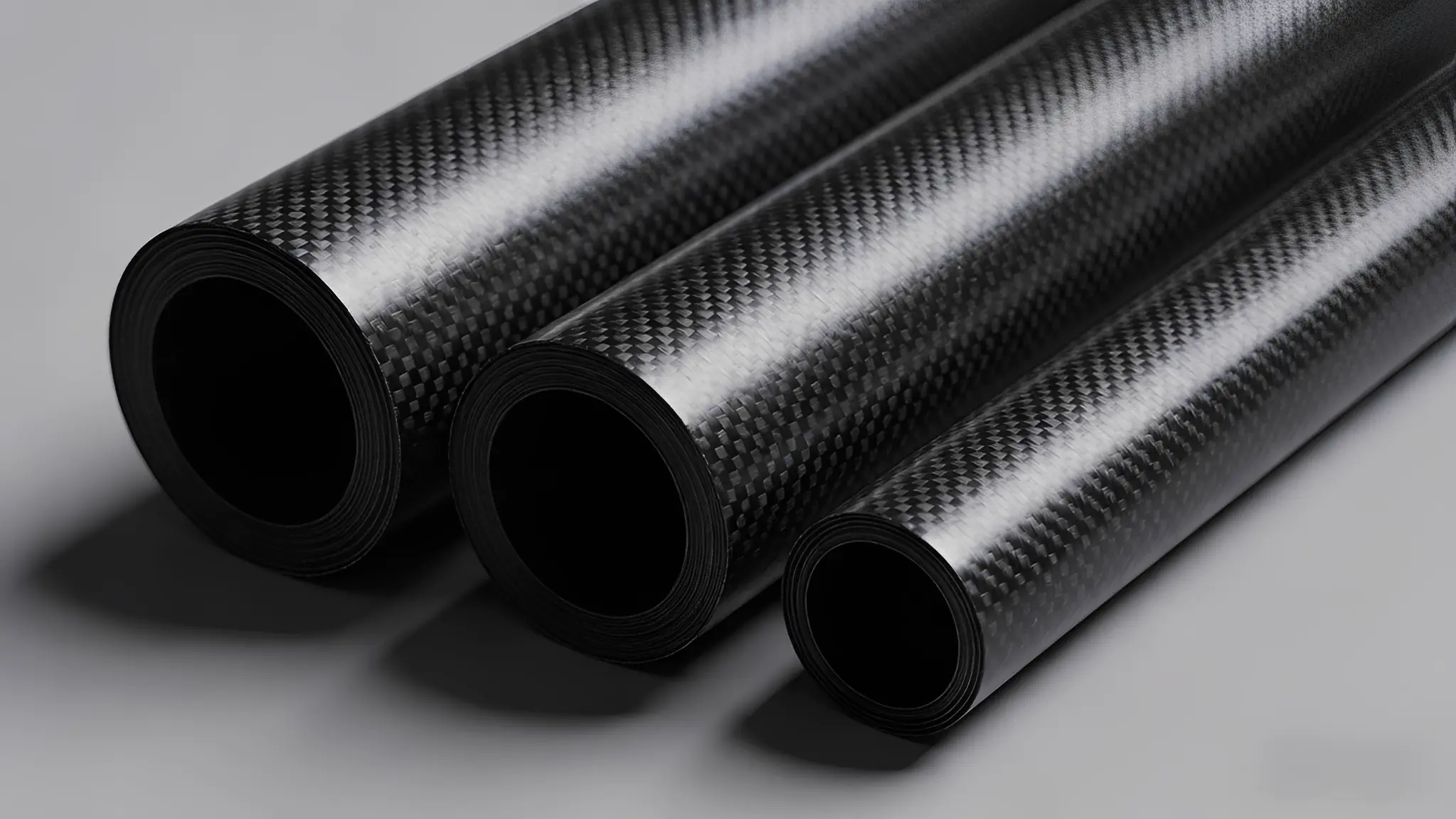
Finding the right carbon fiber tube supplier in China doesn’t need to be complicated. You now have eight vetted manufacturers to choose from. Each has clear strengths. HyperX Carbon excels at custom work for aerospace prototypes. Zhongfu Shenying handles large-scale industrial production.
Smart buyers do three things. They verify certifications first. They compare lead times with their project dates. They negotiate MOQs before paying any deposits. These suppliers work with all order sizes—from 10-piece prototypes to 100,000-unit runs. Success comes from matching your volume and specs to what they do best.
Here’s your next step. Download spec sheets from 2-3 suppliers that fit your needs and budget. Request samples. Yes, this might delay your timeline by two weeks. But that $200 sample could save you $20,000 in rejected shipments. Still comparing options? Focus on suppliers who offer free engineering help during quotes.
The carbon fiber composite tubes market moves quickly. Top manufacturers built their positions through strong relationships. Start building yours today. Your supply chain depends on it.
Contact HyperX Carbon – Your Trusted Chinese Carbon Fiber Partner
Ready to source high-performance carbon fiber materials or custom forged carbon fiber parts from China?
HyperX Carbon is a leading manufacturer with 20+ years of expertise, specializing in aerospace-grade forged carbon fiber, prepreg, tubes, sheets, and lightweight automotive/drone/medical components. We offer:
- Stable supply chain with premium raw materials (Toray, Mitsubishi, Hengshen)
- AS9100D certified production for aerospace & UAV applications
- Rapid prototyping (5-8 weeks) and monthly capacity exceeding 180,000 parts
- Competitive pricing with 15-18% cost savings on forged carbon solutions
- Full customization: from T700/T1100G to ultra-high modulus grades
Whether you’re an eVTOL developer, automotive OEM, drone manufacturer, or medical device engineer, HyperX delivers consistent quality, batch-to-batch reliability, and reliable delivery.
Get in touch today for a free consultation, custom quote, or material sample.
📧 Email: [email protected]
🌐 Website: https://www.hyperxcarbon.com/
📞 Phone/WhatsApp: +86 15623270276 (English support available)
Let’s build your next lightweight innovation together – contact HyperX Carbon now and stay ahead in the low-altitude and advanced composites market.